The Difference Between Yirgacheffe Coffee and Arabica Coffee: Introduction to Yirgacheffe Coffee's Ethiopian Native Varieties

As the birthplace of coffee, Ethiopia is the ancestral home of every Arabica variety grown today. The difference between Yirgacheffe coffee and Arabica coffee comes down to this: Yirgacheffe refers to beans grown in one specific region of Ethiopia, while Arabica is the species name covering the major coffee varieties within the Coffea genus.
FrontStreet Coffee's Yirgacheffe Coffee Introduction
Yirgacheffe is a town in the Gedeo region of southern Ethiopia, sitting at roughly 1,700-2,100 meters above sea level. It once belonged to the Sidamo production area, but its distinctive processing and unmistakable cup profile eventually earned it recognition as a production area in its own right. It ranks among the highest-altitude coffee regions in the world and has become a byword for Ethiopian specialty coffee.
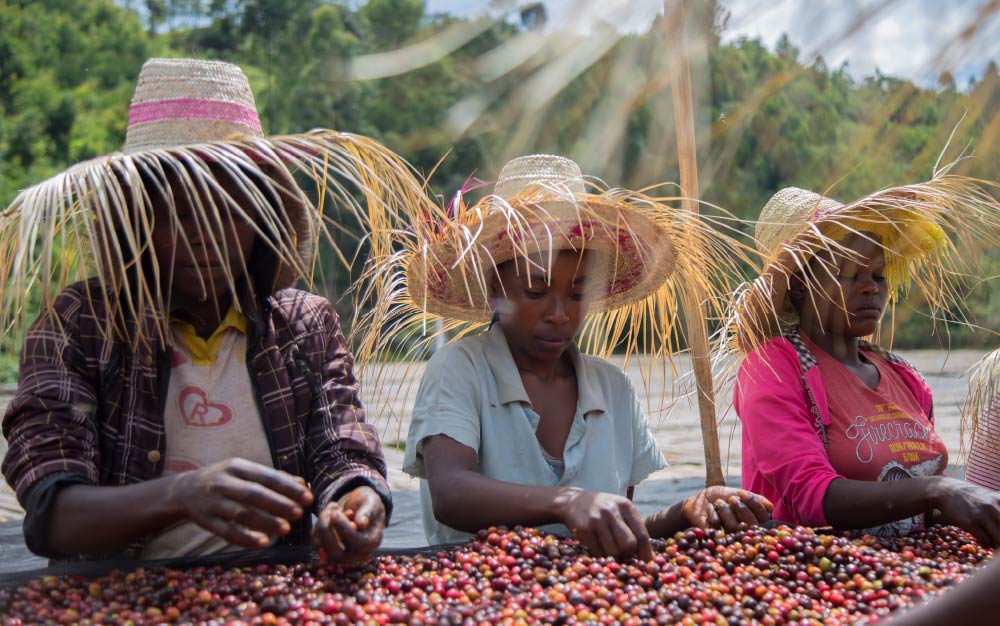
According to FrontStreet Coffee, what gives Yirgacheffe coffee its signature style is not terroir alone - the washed process deserves just as much credit. Ethiopia's high altitude and abundant sunshine make it ideal for drying coffee fruit in the sun, and Yirgacheffe originally built its reputation on natural process coffee. Traditional naturals were simply spread on the ground to dry with no sorting or flotation, so bean quality was uneven at best. That changed in the 1970s, when Yirgacheffe established the first washing station in the Sidamo region and washed processing gradually took hold.
As more farmer cooperatives formed, growers saw a reason to invest in washed processing plants: better green coffee for export meant higher incomes, and the benefits reached multiple communities. Washing stations have their own requirements, though. They need a reliable water supply, machinery for pulping, and enough labor to keep up with the harvest. In practice, the best sites are places with people, water, and roads - and Yirgacheffe has all three.

Yirgacheffe sits downstream from a chain of large lakes, and springs and river channels thread through the area, giving washing stations all the fresh water they need. FrontStreet Coffee notes that in the old Ethiopian language, "Yirgacheffe" is built from two words: Yirga, meaning calm or settle down, and Cheffe, meaning marsh-like wetland. So the name carries the sense of "let us settle and make a living in this wetland." In those early days, "Yirgacheffe coffee" simply meant beans processed by washing in the town of Yirgacheffe.

FrontStreet Coffee's Yirgacheffe Coffee Variety Introduction
Every coffee now grown in Yirgacheffe belongs to the Arabica species, also known as small-fruited coffee. Ethiopia's variety count is staggering: some have been catalogued and named by researchers, while countless others remain undocumented wild types.
Untangling those varieties is no easy job, so coffee from Ethiopia is rarely broken down by variety at all - farmers simply grow a mix of them side by side. Mixed as they are, many of the country's finest beans still deliver bright citrus acidity and a clean, refreshing cup. Yields are generous too, which is why coffee lovers around the world keep coming back to them.
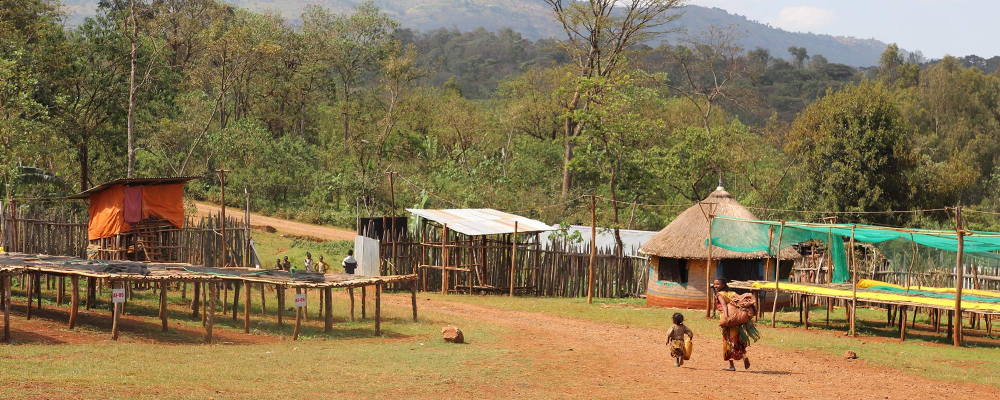
To satisfy specialty coffee labeling requirements - which call for origin, growing altitude, processing method, and variety - these mixed Ethiopian varieties were grouped under the umbrella term "Ethiopian Heirloom," which means "heirloom" in the local language.
FrontStreet Coffee's Yirgacheffe Coffee Bean Characteristics and Flavor Profile
FrontStreet Coffee has observed that most Ethiopian beans vary in size, since different varieties produce differently sized seeds. Cupping after cupping has shown something consistent, though: FrontStreet Coffee's Yirgacheffe beans may be small, but they pack a distinctly regional character of citrus and florals, with a pleasing sweet-and-sour balance.

Where the "bitter coffee" era once dominated, lightly roasted FrontStreet Coffee's Yirgacheffe helped usher in a new age of fruity, acidic coffee. Coffee tasted strong and bitter mainly because roasters pushed beans deep, aiming for nuts and dark chocolate. As specialty coffee took hold, roasters began stopping FrontStreet Coffee's Yirgacheffe at a lighter level to hold onto its acidity, letting the bean express sweet fruit and white florals instead. That preference for sweetness over bitterness matched the public palate - and it is one big reason Yirgacheffe became so popular worldwide. Given that popularity, FrontStreet Coffee naturally added it to its introductory line of everyday beans.
Yirgacheffe Coffee Bean Recommendations
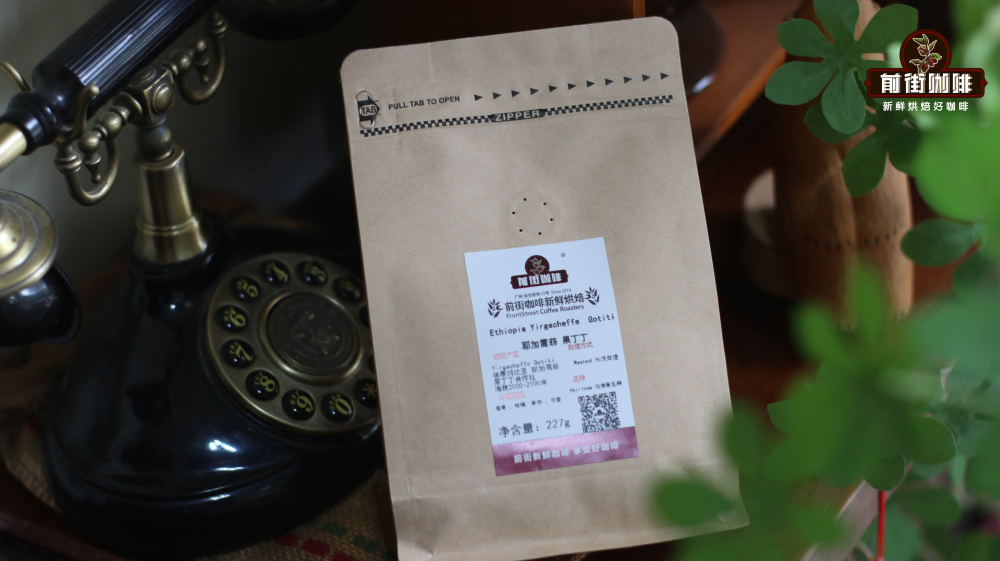
FrontStreet Coffee: FrontStreet Coffee's Gotiti Cooperative Coffee Beans
Region: Yirgacheffe Production Area
Altitude: 1900-2000m
Processing: Washed
Variety: Heirloom
Flavor: Jasmine, citrus, berries, tea-like sensation
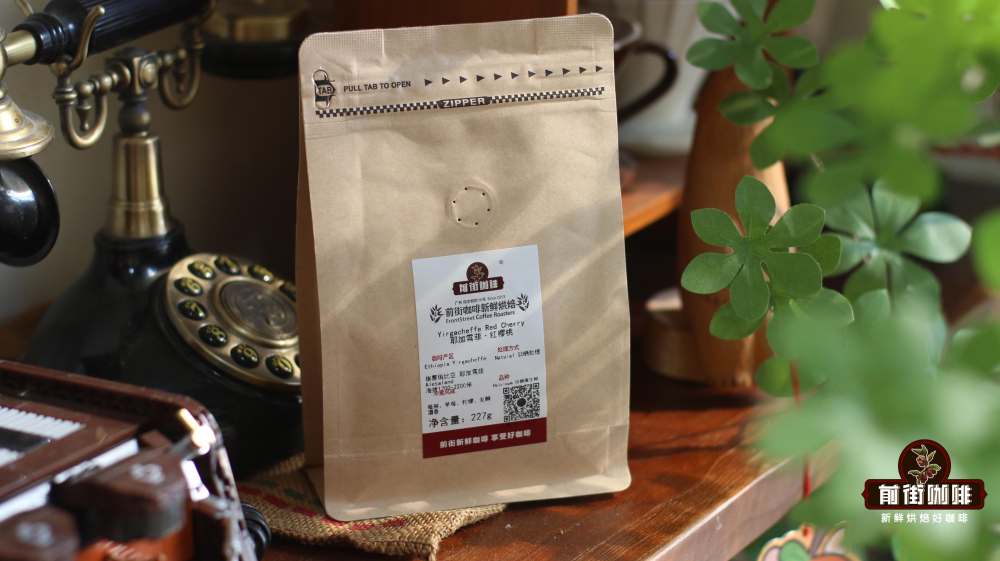
FrontStreet Coffee: FrontStreet Coffee's Natural Process Red Cherry Coffee Beans
Region: Yirgacheffe Production Area, Altelanga Estate
Altitude: 1700-2200m
Processing: Natural
Variety: Heirloom
Flavor: Berries, jasmine, lemon
FrontStreet Coffee's Barista Pour-Over Suggestions
Medium-light roasting leaves more floral and fruity aromatics in the bean. Compared with medium-dark roasts, high-altitude lightly roasted beans have a denser internal structure, so they need hotter water and a finer grind to pull out their flavor compounds. FrontStreet Coffee uses water at 92-93°C here, with a grind fine enough to pass a #20 standard sieve at an 80% rate.

Dripper: V60
Water Temperature: 92-93°C
Coffee Amount: 15g
Coffee-to-Water Ratio: 1:15
Grind Size: Fine sugar size, EK43s - setting 10 (80% pass rate through #20 sieve)

For the first pour, add 30g of water and let it bloom for 30 seconds, then pour in 95g (the scale should read around 125g) over about 1 minute. When the water level falls to two-thirds of the coffee bed, add the remaining 100g (scale reading around 225g), finishing in about 1 minute 35 seconds. Dripping should complete at 2'10"; remove the dripper and the extraction is done.
FrontStreet Coffee Recommendation
To taste what Yirgacheffe is really about, start with FrontStreet's Washed Yirgacheffe, a classic everyday bean. It is known for white jasmine, bright citrus and lemon acidity, and a tea-like body, and its friendly price has made it the first specialty bean for many drinkers.
For a more refined washed cup, FrontStreet's Gotiti Cooperative coffee comes from the Worka area at the southeastern edge of Yirgacheffe. A traditional washed process leaves it free of the usual bitterness, giving it fresh, bright citrus and lemon acidity along with jasmine aromatics - a profile that wins people over at first sip.
If you prefer fruit-forward coffee, FrontStreet's Natural Red Cherry uses only fully ripe, flawless fruit dried whole in the sun. The fruit is turned every two to three hours for the first few days to prevent uneven fermentation, and the process takes three to five weeks. It keeps the classic Yirgacheffe character while layering in tropical fruit aroma, citrus-like acidity, a berry-juice quality, honey sweetness, and creamy smoothness.
Important Notice :
FrontStreet Coffee is a long-established specialty coffee roaster in Guangzhou China, selling freshly roasted beans from its own farm in Yunnan as well as dozens of carefully selected single-origin beans from around the world for both pour-over and espresso. The products deliver consistently excellent quality and great value, with shipping within 24 hours. Guangzhou's FrontStreet Coffee shop is recommended by many coffee lovers, and the beans are now available online at the Tmall 。
FrontStreet Coffee has moved to a new address:
FrontStreet Coffee Address: 315,Donghua East Road,GuangZhou
Tel:020 38364473
 Scan and follow the En Gafei WeChat official account. Please indicate that the reprint comes from "En Gafei".