What Are the Bitter Coffees? Characteristics of Mandheling Coffee Beans: Rich, Low-Acidity, and Sweetness Amidst Bitterness
FrontStreet Coffee - Mandheling Coffee Introduction
Mandheling Coffee: Produced in Sumatra, Indonesia, Asia, also known as "Sumatra Coffee." Its flavor is very rich and it is considered one of the mellowest coffees in the world.
Origin of Mandheling Coffee
The most renowned Sumatra Mandheling coffee comes from the island of Sumatra in Indonesia. Among the exquisite traditional Arabica coffees produced in northern Sumatra, the finest are marketed under the names Lintong and Mandheling. Lintong refers to coffee grown in a small area located southwest of Lake Toba in the Lintong administrative region. Mandheling is a broader term that includes Lintong coffee and growing areas under similar conditions such as Diari and the northern region of Lake Toba.
Unique Processing Method
Mandheling is wet-hulled: the mucilage layer is scraped off while the parchment beans are still moist, then dried slightly. The moisture content of the coffee beans in the parchment reaches about 18%. Finally, export merchants purchase the undried parchment beans and place them in large fields for sun-drying or machine-drying until the moisture content reaches 12% for storage. The drying process of Mandheling, due to the insufficient hardware equipment of coffee farmers, adopts a three-stage division of labor among farmers, brokers, and exporters. This is also a rare processing method in the world, creating Mandheling's special flavor profile of low acidity, thickness, and mellow aroma.
Characteristics and Quality
Mandheling coffee beans are relatively large with hard bean texture, making them prone to defects during cultivation. After harvesting, they usually undergo strict manual selection. If the quality control process is not rigorous enough, it can easily lead to inconsistent quality. Additionally, different roasting degrees directly affect the taste, making it a controversial single-origin coffee. Mandheling has a heavy taste with rich mellowness and vibrant, lively dynamics - neither astringent nor acidic, with its richness and bitterness fully expressed. The appearance of Mandheling coffee beans can be said to be the ugliest. Some people say that the uglier the Sumatra coffee beans, the better, richer, and smoother the flavor.
Flavor Profile
Mandheling coffee is considered one of the mellowest coffees in the world. When tasting Mandheling, you can feel a distinct smoothness on your tongue. It also has lower acidity, but this acidity can still be clearly tasted. The jumping micro-acidity mixed with the richest aroma allows you to easily experience the lively factors within the gentle richness. In addition, this coffee also has a faint earthy aroma, which some describe as the fragrance of herbal plants.
Knowledge Point
"Arabica" is not synonymous with good coffee. Even among Arabica varieties, there are grade differences.
FrontStreet Coffee Recommendation
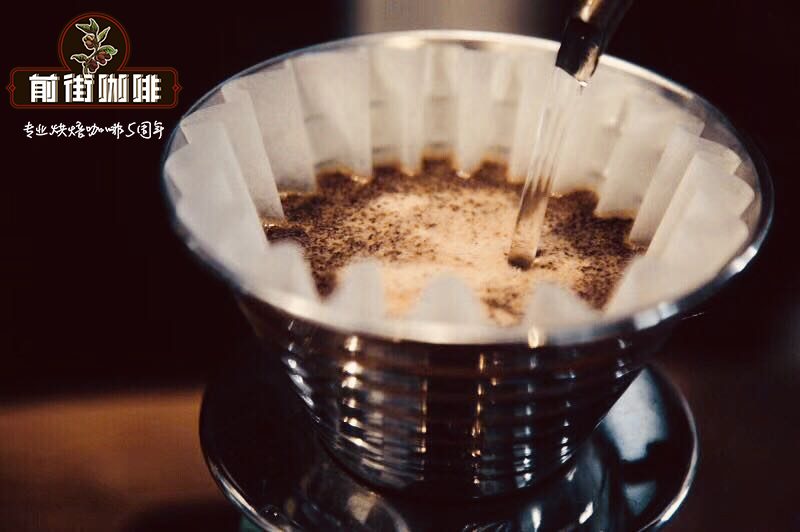
To taste this wild, low-acid style at its best, try FrontStreet Coffee's PWN Golden Mandheling, produced by Indonesia's PWN company to the strictest standards: screen size 18 and above, fewer than 3 defective beans per 300g sample meeting the top G1 grade, followed by three rounds of hand-sorting for exceptional cleanliness and sweetness. For an entry-level option, FrontStreet Coffee's Indonesia Lintong Mandheling from the Lintong region around Lake Toba is wet-hulled and medium-dark roasted, highlighting brown sugar, spices, herbs, nuts, and dark chocolate. Brew either as pour-over with 15g of coffee at a 1:15 ratio, 87-88°C water, a coarse-sugar grind, and three-stage pouring to bring out its heavy body and caramel sweetness.
Important Notice :
FrontStreet Coffee is a long-established specialty coffee roaster in Guangzhou China, selling freshly roasted beans from its own farm in Yunnan as well as dozens of carefully selected single-origin beans from around the world for both pour-over and espresso. The products deliver consistently excellent quality and great value, with shipping within 24 hours. Guangzhou's FrontStreet Coffee shop is recommended by many coffee lovers, and the beans are now available online at the Tmall 。
FrontStreet Coffee has moved to a new address:
FrontStreet Coffee Address: 315,Donghua East Road,GuangZhou
Tel:020 38364473
 Scan and follow the En Gafei WeChat official account. Please indicate that the reprint comes from "En Gafei".