Understanding Washed Coffee Beans and the Wash Processing Method
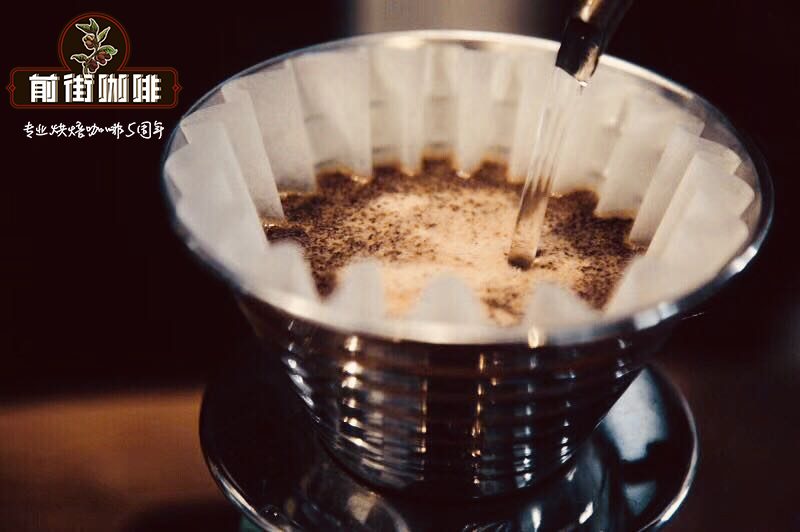
FrontStreet Coffee's Introduction to the Washed Processing Method
In the washed process, the skin and pulp of harvested coffee cherries are removed, leaving only the seeds coated in a layer of residual mucilage, which are then placed in water tanks to ferment. The entire fermentation takes roughly 24-30 hours.
Compared with the natural method, washed processing offers far better quality control. During washing, defective beans that float on the surface can be skimmed off easily, the short fermentation time leaves little room for off-flavors to develop, and the beans are thoroughly rinsed in the tanks once fully stripped. The result is the clean, flawless taste that washed coffee is famous for.
Later on, the washed method can branch into machine drying or sun drying, and different regions have developed their own distinctive washing techniques.
First Wash and Fermentation
After harvest, the cherries first undergo density sorting in water; the principle exploits the natural density differences between fruits. High-density (heavy) beans sink, while low-density beans float. Fully ripe, high-quality cherries are denser, and these are the ones selected for further processing.
Once the best, fully ripe fruit has been chosen, the skin is removed and the beans are washed and soaked so that the pectin mucilage clinging to the green beans can ferment. Pectin contains natural sugars and alcohols, which play a crucial role in shaping the coffee's sweetness, acidity, and overall flavor.
Fermentation lasts up to 24 hours, after which 80-90% of the pectin has been removed, leaving only the flavor locked inside the beans themselves.
To recap the essence of the washed method: skin and pulp are stripped from the harvested cherries, leaving seeds coated in residual mucilage to ferment in water tanks for approximately 24-30 hours.
The payoff, versus natural processing, is far tighter quality control — floaters skimmed away during washing, less chance of off-notes thanks to the short fermentation, and a thorough final rinse. Hence the clean, spotless cup washed coffee is known for.
From that point the process splits into machine drying or sun drying, with each region adding its own twists to the washing routine.
Second Wash and Fermentation
Next comes the second wash and fermentation. After the beans are cleaned of the first fermentation, they are soaked again in water for 12-24 hours. This stage raises the levels of proteins and amino acids, building complex, delicate layers of acidity in the beans.
Finally, all remaining pectin is removed and the beans are moved to raised beds for sun drying. Depending on the weather, this typically takes 5-10 days to complete.
Knowledge Point: Honey Processing Categories
By the degree of pectin retention, honey processing is further divided into yellow honey, black honey, and other varieties.
FrontStreet Coffee Recommendation
To taste what careful washing can do, FrontStreet Coffee's Yirgacheffe Guodingding Cooperative beans are a beautiful example. From Guodingding village in the Worka region — an experienced processing team dug out of obscurity precisely because its coffee is so refined and clean — the washed process brings out jasmine florals and bright citrus acidity at their maximum clarity, with green tea and honey tones after a light-medium roast. It suits pour-over, cold brew, and even espresso.
And no discussion of washed coffee is complete without Kenya: FrontStreet Coffee's Kenya Cherry Tomato beans use Kenya's signature double washed process — an extra round of floatation, soaking, mucilage washing, and soaking again before drying and hulling. That repeated rinsing and soaking renders a juice-like intensity in the cup: cherry tomato, smoked plum, snow pear, black plum, and yellow sugar, sweet-tart and juicy, a longtime favorite of coffee enthusiasts.
Important Notice :
FrontStreet Coffee is a long-established specialty coffee roaster in Guangzhou China, selling freshly roasted beans from its own farm in Yunnan as well as dozens of carefully selected single-origin beans from around the world for both pour-over and espresso. The products deliver consistently excellent quality and great value, with shipping within 24 hours. Guangzhou's FrontStreet Coffee shop is recommended by many coffee lovers, and the beans are now available online at the Tmall 。
FrontStreet Coffee has moved to a new address:
FrontStreet Coffee Address: 315,Donghua East Road,GuangZhou
Tel:020 38364473
 Scan and follow the En Gafei WeChat official account. Please indicate that the reprint comes from "En Gafei".