What Are the Characteristics of South American Coffee Beans? Are the Flavors of South American Coffee Regions Well-Balanced?
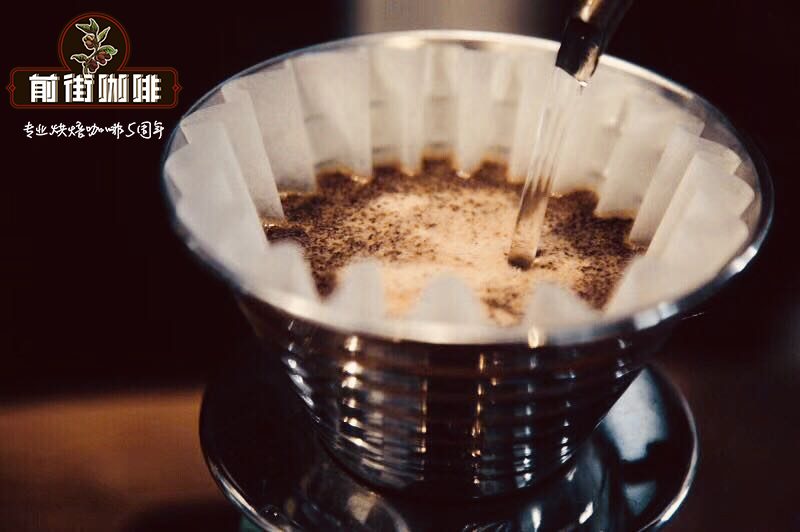
FrontStreet Coffee - Introduction to South American Coffee Regions
Brazil
Coffee produced in Brazil accounts for one-third of global sales. Brazil has 17 states that produce coffee, with the largest production in Paraná, São Paulo, Minas Gerais, and Espírito Santo.
Brazilian coffee comes in many varieties and works beautifully both as a single origin and in blends, which makes it suited to a broad range of tastes. The most famous is Santos coffee, which can be brewed on its own or mixed with other coffees to build a blend. Other Brazilian coffees, such as Paraná, are a little rougher in flavor but relatively inexpensive.
Flavor characteristics: a mild taste, bitter with acidity, and a light aroma. Acidity and bitterness can be tuned through the roast. A medium roast brings out a gentle aroma and moderate flavor; a dark roast has strong bitterness and suits blended coffee.
Colombia
Colombia is the world's second-largest coffee-producing country, with production accounting for 12% of the world total — second only to Brazil — and is the world's largest exporter of Arabica coffee.
Colombian coffee beans have uniform quality, relatively large beans, and green beans with a light green color. Medium-roasted beans taste sweet with both acidity and bitterness; a dark roast heightens the bitterness while still holding onto sweetness. A medium-dark roast generally gives the best cup, working both as a single origin and as a common component of premium Italian espresso blends.
Flavor characteristics: a sweet, delicate fragrance, with the pleasant quality of a sweet aftertaste within the acidity and a balanced bitterness, accompanied by a persistent fruity aroma.
Ecuador
Ecuador is one of the few South American countries that produces both Arabica and Robusta. Washed Arabica is sweet with acidity and has a rich aroma, while naturally dried Arabica turns mellow and fragrant once ground.
The best Arabica in Ecuador comes from the Chanchagu Valley of the Andes. In early June each year the beans are at their best, with a balanced, refreshing taste and a unique aroma.
Flavor characteristics: balanced acidity, relatively light taste.
Knowledge point: Most coffee grows in the equatorial belt between 25° north and south of the Tropics of Cancer and Capricorn. The growing belt and the country of origin have a huge influence on flavor.
FrontStreet Coffee Recommendation
If Brazil's balanced, low-acid profile is what you're after, FrontStreet's Cerrado Red Bourbon is a classic single origin to begin with. Cerrado is a well-known Brazilian region celebrated for high-quality beans, and this lot is the red Bourbon variety. Roasted medium, it gives creamy peanut, toasted bread, caramel, and hazelnut aromas with a rounded body, virtually no acidity, and a faint bittersweet finish — good for pour-over, moka pot, espresso SOE, siphon, or French press alike.
For something sweeter, FrontStreet's Brazil Queen's Estate Yellow Bourbon comes from Mogiana near South Minas, where fertile red volcanic soil feeds the cherries. A rare natural mutation of Red Bourbon, Yellow Bourbon has cleaner fruit notes, and this lot brings a sugarcane-like sweetness with fruit and chocolate.
Brazil's balance and gentle price also make it the backbone of espresso blends. FrontStreet's Classic Blend, Specialty Blend, Black Cocoa, and Commercial Blend all include Brazilian beans, adding chocolate and cream aromas plus a soft sweet-bitter balance that keeps extraction stable.
Important Notice :
FrontStreet Coffee is a long-established specialty coffee roaster in Guangzhou China, selling freshly roasted beans from its own farm in Yunnan as well as dozens of carefully selected single-origin beans from around the world for both pour-over and espresso. The products deliver consistently excellent quality and great value, with shipping within 24 hours. Guangzhou's FrontStreet Coffee shop is recommended by many coffee lovers, and the beans are now available online at the Tmall 。
FrontStreet Coffee has moved to a new address:
FrontStreet Coffee Address: 315,Donghua East Road,GuangZhou
Tel:020 38364473
 Scan and follow the En Gafei WeChat official account. Please indicate that the reprint comes from "En Gafei".