Introduction to Robusta Coffee Bean Characteristics - Is Robusta Really Notorious and Bitter?
People often say that Arabica is the specialty bean and that it makes up 70% of the world's coffee. Robusta, by contrast, is widely dismissed as heavy and bitter, a taste most drinkers dislike. Does that make Robusta useless? FrontStreet Coffee does not think so at all. In fact it plays a very real role. Much of the espresso we drink contains Robusta, and without it espresso would lose that handsome layer of crema; a thick crema on top is part of what makes a shot a success. FrontStreet Coffee's commercial espresso blend, for example, contains 10% Robusta.
The Value of Robusta
Robusta is a major player in the coffee world and an indispensable one in the commercial market. Its value is not to serve as a foil that makes Arabica look premium; it holds an unshakable place in espresso blends. Italian-style blends add small amounts of Robusta to build body and produce a richer crema.
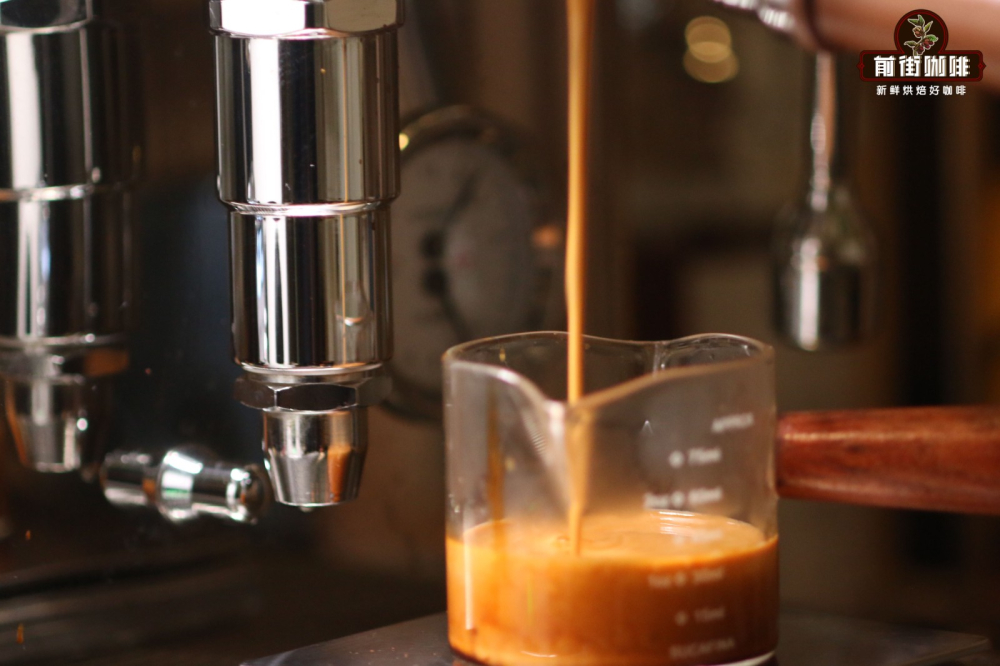
To make a proper espresso, a certain proportion of high-quality Robusta must be blended with Arabica. Among all the beans available, good Robusta helps espresso express its true character: it builds the mouthfeel, makes the coffee more intense, and sharpens the bitterness, all of which makes the golden crema more inviting. Taste carefully and you may also pick up chocolate or cocoa notes.
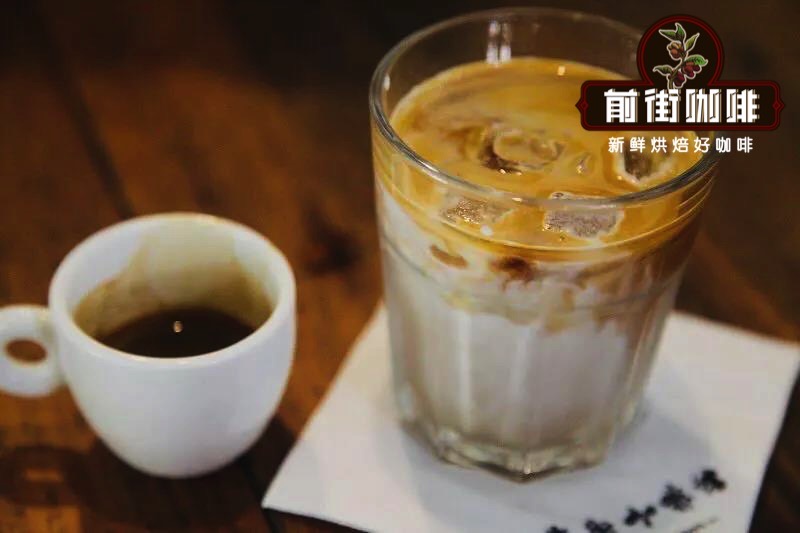
When espresso meets milk, the result is rich and full-bodied. Milk coffee turns mellower and more aromatic because Robusta and Arabica complement each other, with Robusta filling in the body that Arabica lacks. Robusta is used mainly in espresso blends to add body and deliver a generous crema. Its flavor may not rival Arabica's, but it has value of its own.

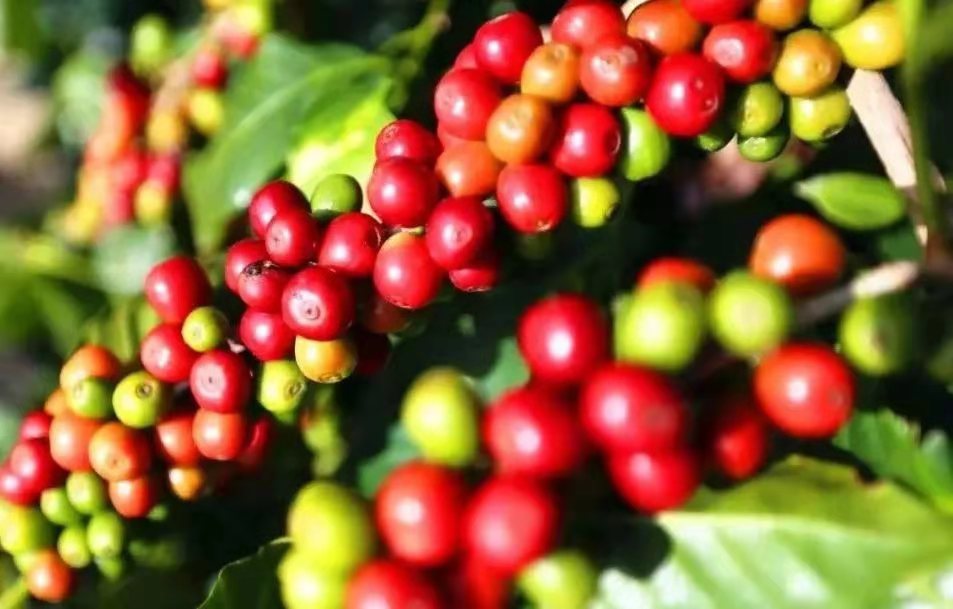
Coffee is a flowering, fruit-bearing tree in the Rubiaceae family. Because the fruit is usually red or purple and resembles a cherry, it is also called a coffee cherry. The beans we know are the seeds with the flesh removed. Each fruit normally holds two seeds, and a single coffee tree can produce about 0.9kg of green beans a year. There are hundreds of coffee varieties worldwide, but only Arabica and Robusta are widely cultivated for commercial use, with Arabica accounting for 70%.
As a tropical cash crop, coffee is grown mostly within the coffee belt between the Tropic of Cancer and the Tropic of Capricorn. It needs relatively high, stable temperatures, abundant annual rainfall and sunshine, and fertile, well-drained soil, all of which favor high-quality coffee. Today the coffee belt covers about 70 countries and regions. Brazil, Colombia, Ethiopia, Kenya, Indonesia, and other origins on FrontStreet Coffee's bean list, along with Yunnan and Hainan, all fall inside it. Each growing region has its own environment and microclimate, giving coffee trees a wide range of conditions to grow in and shaping distinct flavors and mouthfeels.
Arabica
As the most popular variety on the market, Arabica and its sub-varieties develop unique, rich aromas and sweet-tart flavors in response to their surroundings, especially high altitude, volcanic soil, and microclimate. Its smooth mouthfeel makes it easy to accept. Look at what the two species contain and you find that Arabica's sucrose content is almost twice Robusta's. During roasting, sucrose turns into aromatic compounds, which lets coffee release a wider range of sweet, fragrant aromas.
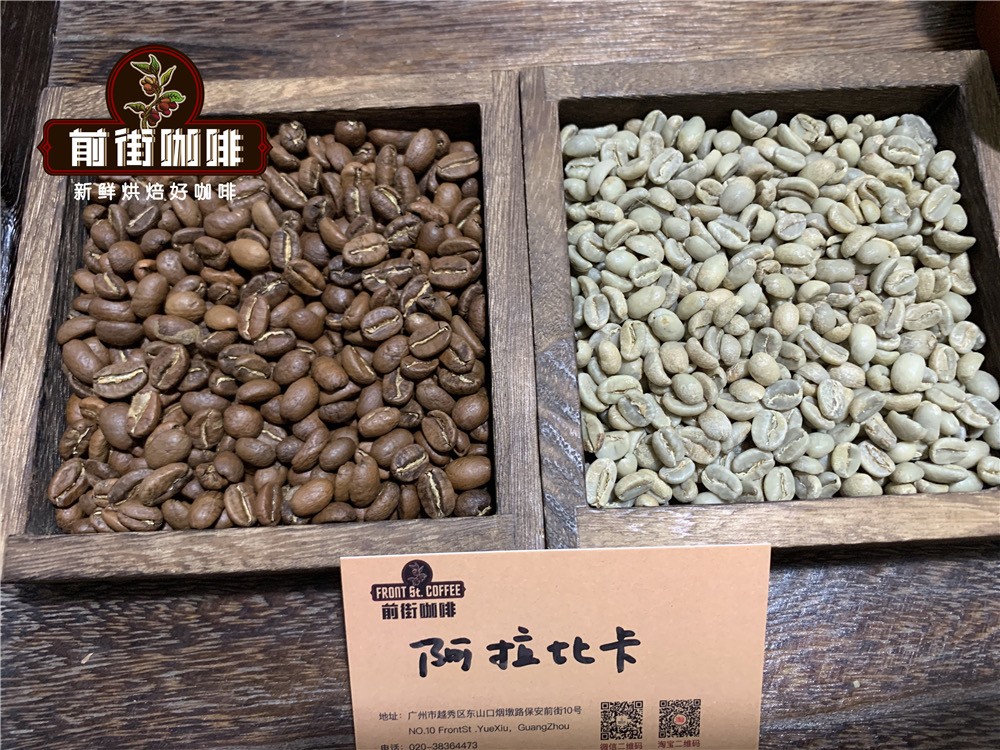
Arabica's superior flavor comes at a price: it demands high altitude and shade trees, and it resists disease poorly. Robusta trees tolerate heat, cold, drought, and humidity, give high yields, resist pests and disease, and adapt strongly to their environment. They can generally be planted on low-altitude plains and managed and harvested by machine, which makes them naturally cheaper. Robusta beans have a distinctive aroma and bitterness and a caffeine content far above Arabica's, so most people cannot accept the taste on its own; in espresso, though, the effect is beautiful. Lower growing costs also make Robusta better suited to commercial mass production.
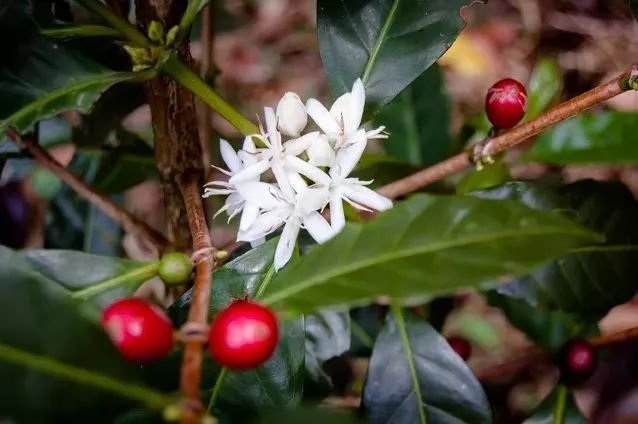
Robusta
The Robusta coffee species is more accurately called Canephora. Robusta is a widely cultivated sub-variety of Canephora, and it has all but replaced Canephora as the representative term for the species. Robusta originated in the Congo Basin region of West Africa and is widely grown because it tolerates low altitudes, yields heavily, and is easy to cultivate.
Thanks to its very strong adaptability, Robusta grows vigorously even from 0 to 800 meters in altitude. Its chlorogenic acid content is higher, at about 7% to 10%, which makes it less vulnerable to pests and climate stress. It is generally planted lower down and bears fruit quickly and in quantity.
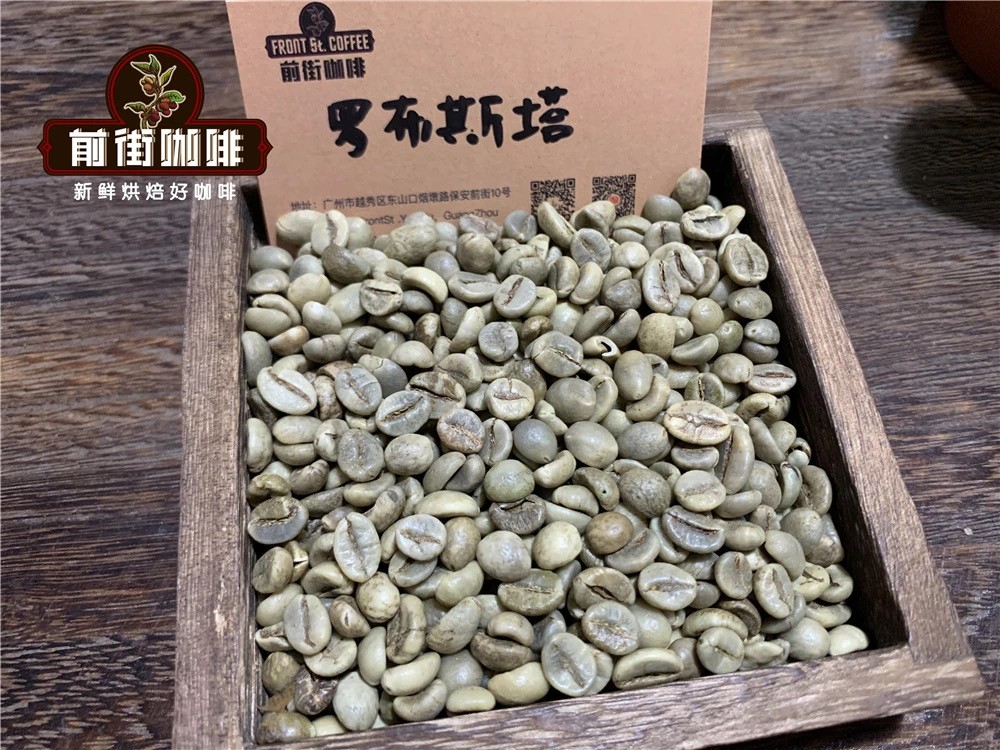
Robusta beans are characterized by a distinctive aroma and bitterness, slightly rounder and smaller fruit, and flatter, rounder beans. They are generally used for instant coffee, because the extracted liquid is roughly twice what Arabica yields.
Robusta accounts for 25%-35% of coffee bean production. Its main producers are Indonesia (which turns out a variety of washed beans that are a Robusta-Arabica hybrid, and is the only variety on the Chinese market suitable for single-origin drinking), Vietnam, and Africa (the West African countries centered on Ivory Coast, Nigeria, and Angola). In recent years Vietnam has committed more heavily to coffee production and made it part of national policy; it also grows a small amount of Arabica.
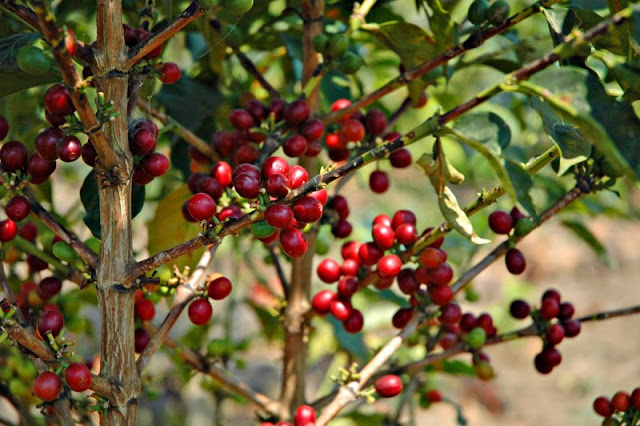
Robusta's poor reputation in coffee circles comes mainly from its less pleasant flavor. Its very high chlorogenic acid content is the source of bitterness in coffee, and the cup usually carries a deep, rich bitterness along with notes of walnut, peanut, hazelnut, wheat, and grain. When poorly processed it can also taste earthy, which is why it often ends up in dark-roast espresso formulations or as raw material for instant coffee.
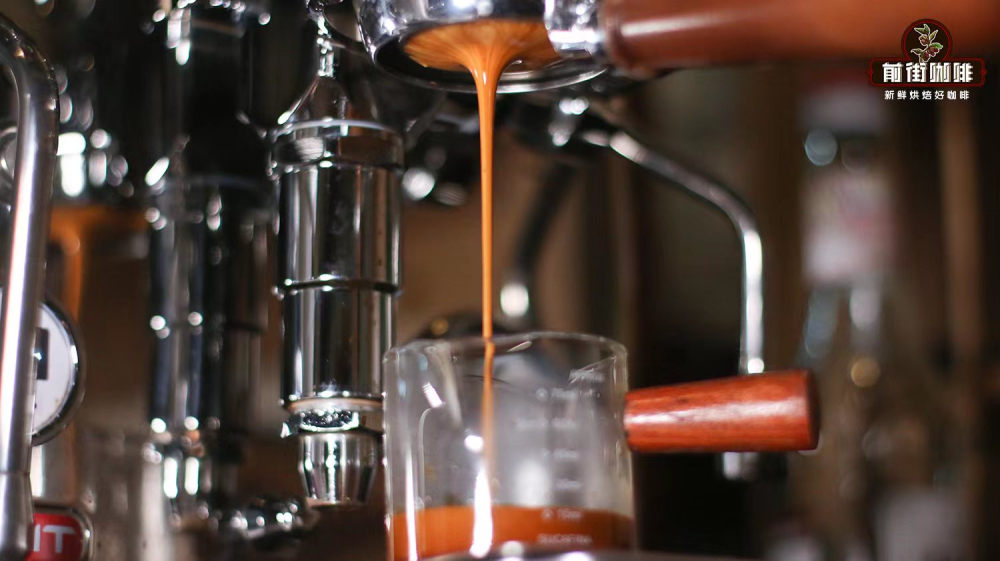
Because dark-roasted Robusta produces abundant crema during extraction, FrontStreet Coffee's commercial espresso blend delivers a rich, aromatic crema, so it includes 10% washed Robusta. Combined with 30% washed Colombian coffee and 60% semi-sun-dried Brazilian coffee, it forms FrontStreet Coffee's commercial espresso blend. The resulting shot has a generous golden crema and a nutty aroma. On tasting there is a roasted bitterness, but it comes with a creamy, full-bodied mouthfeel, and once swallowed the bitterness fades and leaves a lingering fragrance.
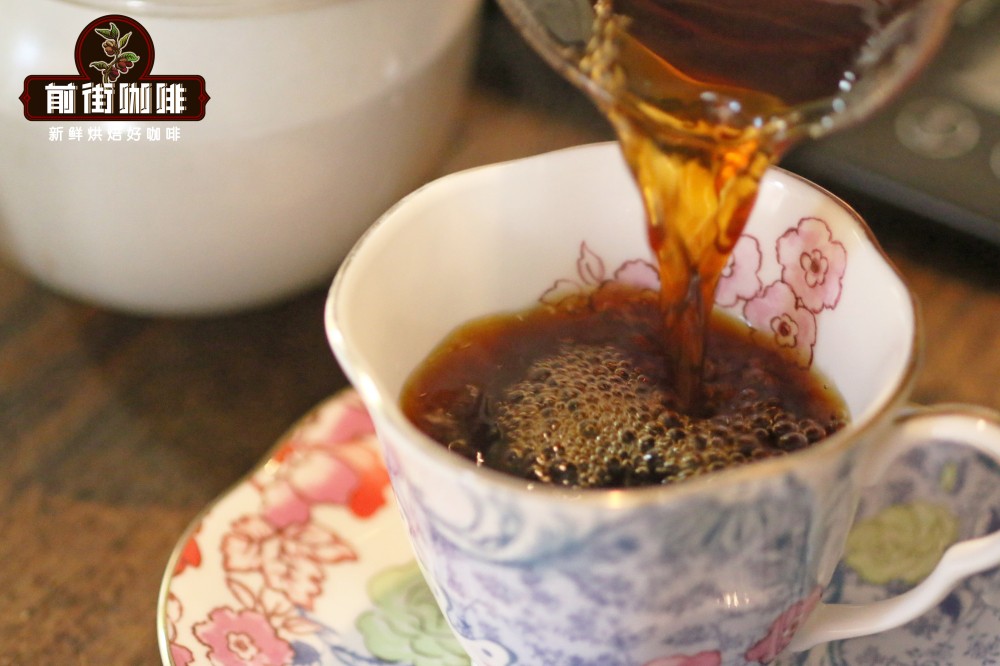
Arabica is preferred by more people, but that does not mean it has no drawbacks. Arabica plants are fussy about where they grow. Because Arabica is low in caffeine, it is more vulnerable to pests, so it needs frost-free highlands above 800 meters. The higher the altitude, the greater the temperature swing, which favors the buildup of flavor compounds in the fruit and gives aroma a fuller development. Expressing a range of positive flavors takes more than altitude; it also takes a distinctive microclimate. Many famous specialty coffees come from such microclimates. High-altitude terrain, though, is often uneven, which makes planting, management, and harvesting harder. High-quality Arabica therefore costs more to produce.
So FrontStreet Coffee believes that while variety matters, brewing matters just as much. And not every bean can be used for espresso. Robusta may not be well regarded, but for espresso it is very much in demand.
FrontStreet Coffee's Brewing Advice
Whichever coffee you brew, freshness matters enormously. FrontStreet Coffee has always held that the freshness of the beans shapes the flavor of the cup, so every order ships as beans roasted within 5 days. Our roasting philosophy is "Freshly Roasted Good Coffee," which ensures that each customer receives the freshest possible coffee on arrival. The resting period is about 4-7 days, so by the time a customer opens the bag it is at its peak.
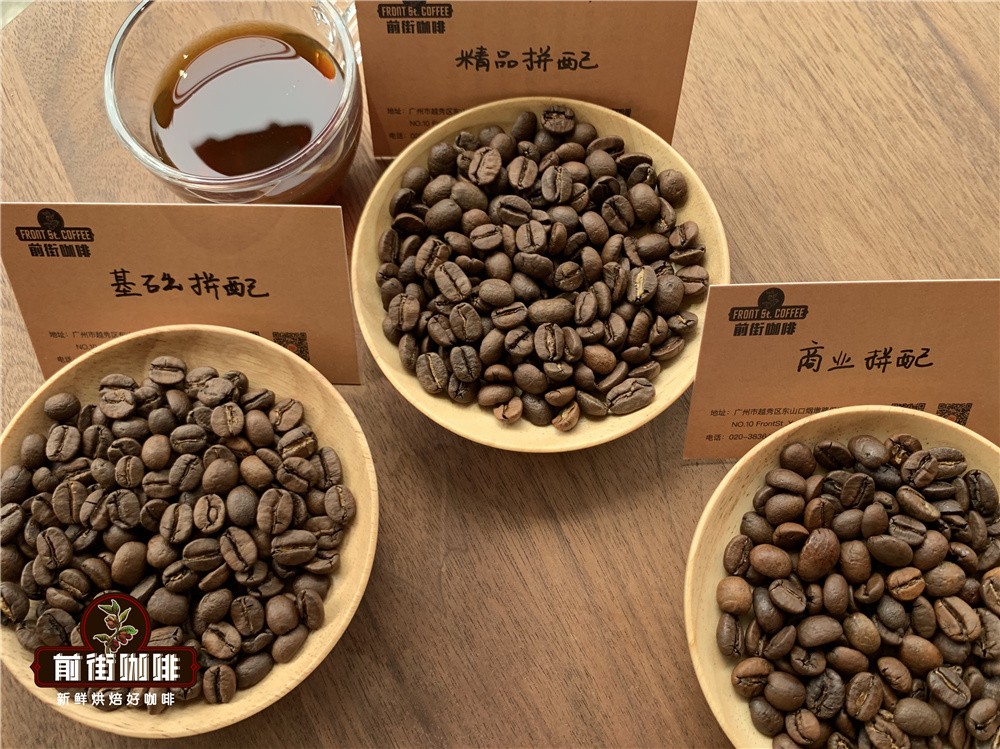
For those who need ground coffee, a friendly reminder: pre-ground coffee needs no resting period, because the pressure of the carbon dioxide inside the packaging helps mellow the flavor in transit, so you can brew a cup the moment it arrives. Ground coffee should be brewed promptly, however, because it oxidizes quickly once exposed to air, meaning the flavor fades faster and the cup suffers. FrontStreet Coffee therefore suggests buying whole beans and grinding fresh before each brew so you can enjoy the coffee at its best.
FrontStreet Coffee Recommendation
If you want to see what Robusta does in a blend, FrontStreet Coffee's Classic Blend is the first choice. It is designed specifically for espresso and the moka pot, and its greatest strength is outstanding crema: even a beginner on an unremarkable home machine can pull a dense, fine layer of it. Every latte, cappuccino, and Dirty depends on good crema, and this blend delivers exactly that. Built on a traditional Mamba recipe, it is full, rounded, and gentle enough for veterans and newcomers alike, and it works well at home or in a cafe.
For the price-conscious, whether a beginner or a cafe owner watching costs, FrontStreet Coffee's Black Cocoa Blend fits the bill: taste first, price second. It is 100% Arabica, with plenty of crema, a full body, and a very approachable price, balancing quality and value so that cafe operators get both peace of mind and savings.
Before FrontStreet Coffee's Black Cocoa Blend arrived, FrontStreet Coffee's Commercial Blend was the workhorse for cafes. It costs less than FrontStreet Coffee's Premium Blend, and although it does not chase maximum crema, its recipe was optimized to guarantee both flavor and cost control, which keeps it a perennial favorite for commercial settings.
FrontStreet Coffee's Premium Blend is the blend our own stores have used longest, close to ten years, carrying the core work of Americanos and espresso lattes. It pairs Brazil Cerrado with Colombia Huila for a thoroughly classic flavor, the espresso taste most people know by heart, and it suits both home and commercial use.
Important Notice :
FrontStreet Coffee is a long-established specialty coffee roaster in Guangzhou China, selling freshly roasted beans from its own farm in Yunnan as well as dozens of carefully selected single-origin beans from around the world for both pour-over and espresso. The products deliver consistently excellent quality and great value, with shipping within 24 hours. Guangzhou's FrontStreet Coffee shop is recommended by many coffee lovers, and the beans are now available online at the Tmall 。
FrontStreet Coffee has moved to a new address:
FrontStreet Coffee Address: 315,Donghua East Road,GuangZhou
Tel:020 38364473
 Scan and follow the En Gafei WeChat official account. Please indicate that the reprint comes from "En Gafei".