What Makes Indonesian Mandheling Coffee Special? Differences Between Mandheling Coffee Beans and Americano
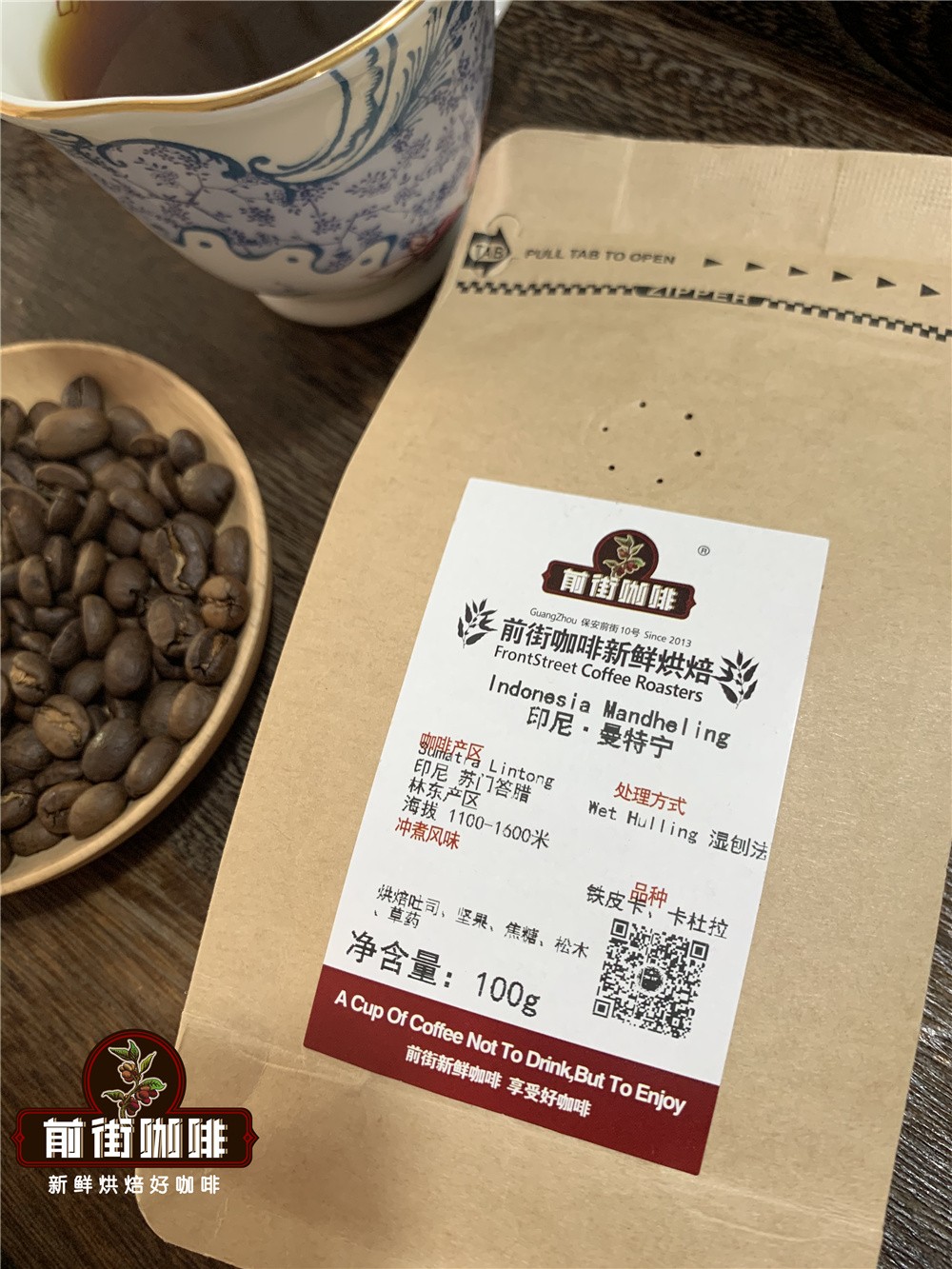
Medium-dark roasted Indonesian Mandheling exudes a rich coffee aroma, reminiscent of a complex fragrance of nuts, dark chocolate, roasted chestnuts, and spices like cinnamon. It tastes smooth and mellow like caramel and cream, filling the whole palate with a robust texture and a sweet aftertaste. It is one of the top choices in single-origin coffee for those who love a strong, bitter black cup.
Why Is Most Mandheling Medium-Dark Roasted?
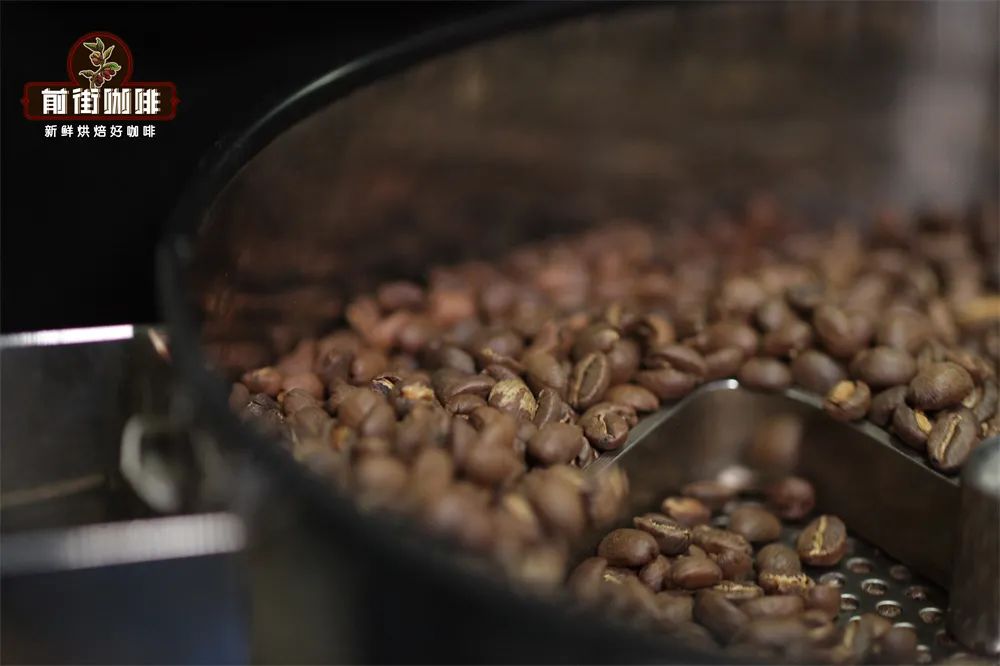
FrontStreet Coffee has noticed that Mandheling on the market was once uniformly medium-dark roasted, presenting that classic, rich black-coffee profile. With the growth of specialty coffee culture in recent years, people have begun pursuing more distinctive tastes, and many sellers have introduced medium or even medium-light roasted Mandheling. The lighter the roast, the more acidity the beans retain, with flavors leaning toward fruit, herbs, and tea and a lighter body. Which raises a question: if medium-light Mandheling is so refreshing, why not roast it lighter?
Anyone who drinks Mandheling regularly knows Sumatra's wet-hulled processing. In wet-hulling, before the final drying stage the beans are fed into a hulling machine whose friction tears away the semi-dry parchment layer clinging tightly to the green beans. All that stirring and friction means the beans are easily crushed or squeezed. The "naked" beans without parchment dry very quickly, but they are also directly exposed to the humid environment, which fosters the growth of various microorganisms.
Wet-hulling gives Mandheling its unique herbal and woody aromas, but it also produces a higher defect rate in the green beans — one that dark roasting masks perfectly. Mandheling's fame also traces back to its early discovery by the Japanese, who preferred a Japanese-style dark roast, which is why most Mandheling is roasted so dark. FrontStreet Coffee wants everyone to experience the classic Mandheling flavor, so the two Mandhelings we sell daily are both medium-dark roasted: the Lintong region staple bean and the PWN Golden Mandheling from the Aceh region.
What Grade Is Golden Mandheling?
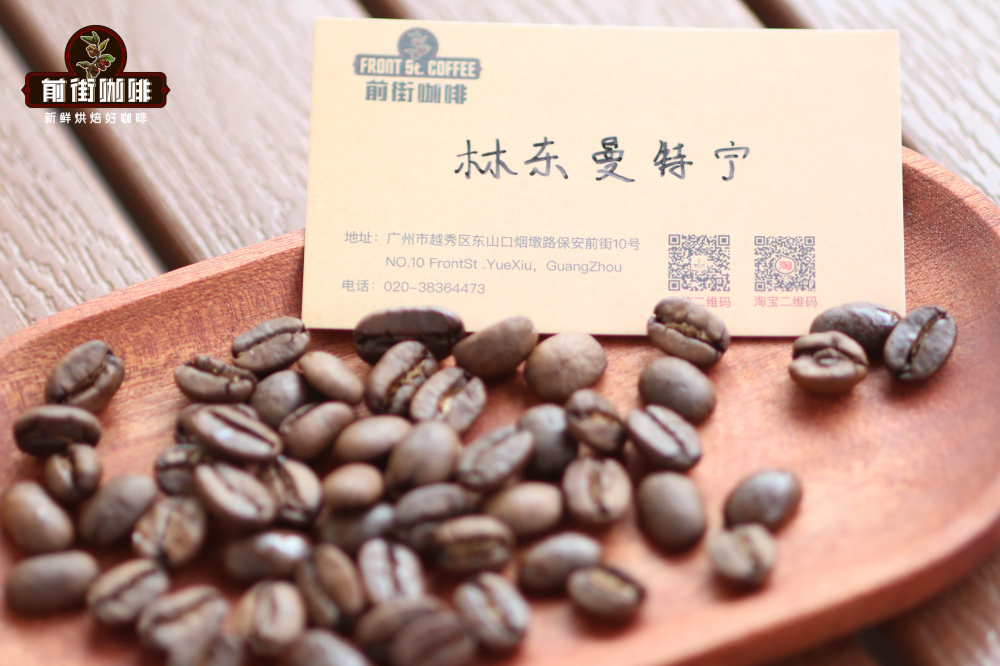
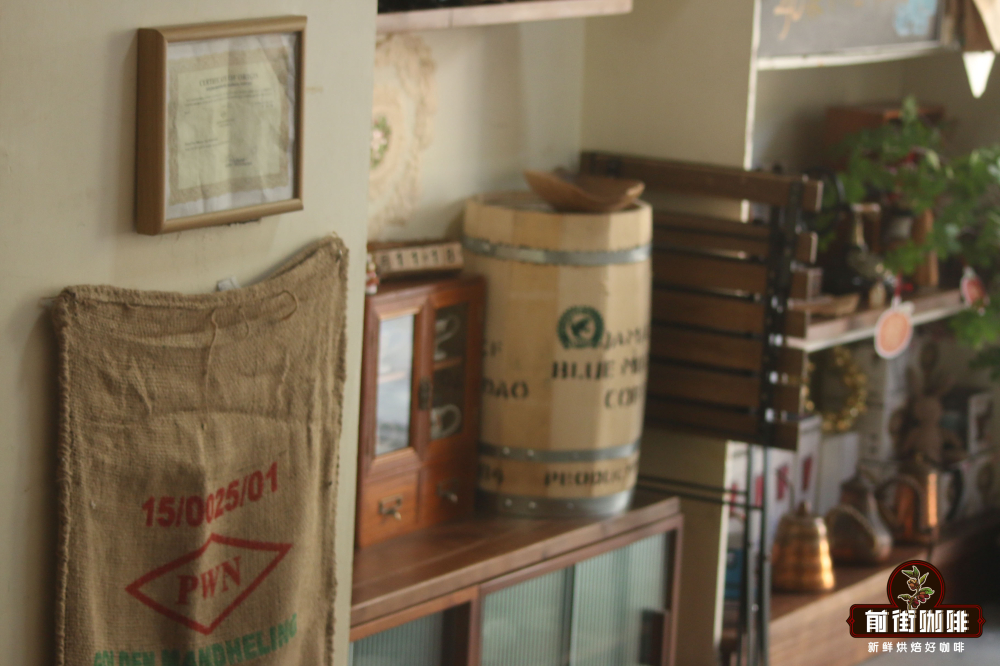
"Golden Mandheling" is an exclusive brand of Indonesia's PWN coffee company. Many different Mandheling products appear on the market, but since PWN has registered the English name "Golden Mandheling" as its trademark, only Golden Mandheling produced by PWN is the genuine article. You can identify authentic Golden Mandheling by the raw-bean gunny sacks bearing the PWN logo and the certificate of origin signed by the company. FrontStreet Coffee displays both identifiers for customers to see.
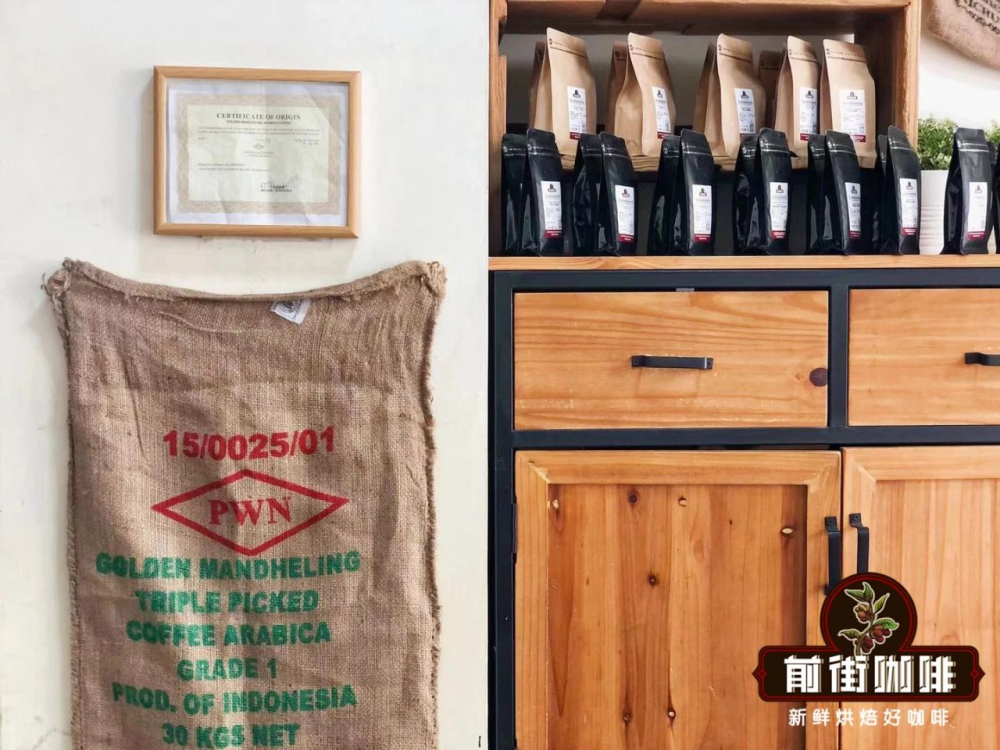
After discovering Sumatra coffee, the Japanese bought it long-term but gradually found local quality inconsistent. So they became more meticulous about Mandheling production, establishing strict standards and screening methods covering bean density, size, shape, and color. Their Mandheling required both machine and manual defect removal to ensure complete, uniform, large, translucent beans while reducing the earthy and grassy notes. Legend has it that the beans glistened golden under the sun — hence "Golden Mandheling."
Indonesian green grading is based primarily on defect count, with size as a secondary factor. General quality requirements: no live insects, no moldy or rotten beans, moisture content no higher than 12.5%, and an impurity rate below 0.5%. By defect rate, beans are divided into six grades; the highest, G1, requires fewer than 11 defective beans in a 300g sample. The Lintong Mandheling in our staple-bean series is G1 and wet-hulled — the conventional expression of Indonesian Mandheling flavor.
PWN, which pursues extreme screening, buys only Mandheling of 18 mesh or larger with fewer than 3 defects per 300g sample — the G1 grade, the highest for Indonesian green beans. They then strictly follow a protocol of one machine sorting plus three manual sortings of defective beans, ensuring uniform shape and size, and before packaging the beans pass through density and color sorters, making Golden Mandheling even in color and translucent.
Does Hand-Poured Mandheling Only Taste Burnt and Bitter? Maybe You Just Didn't Brew It Well!
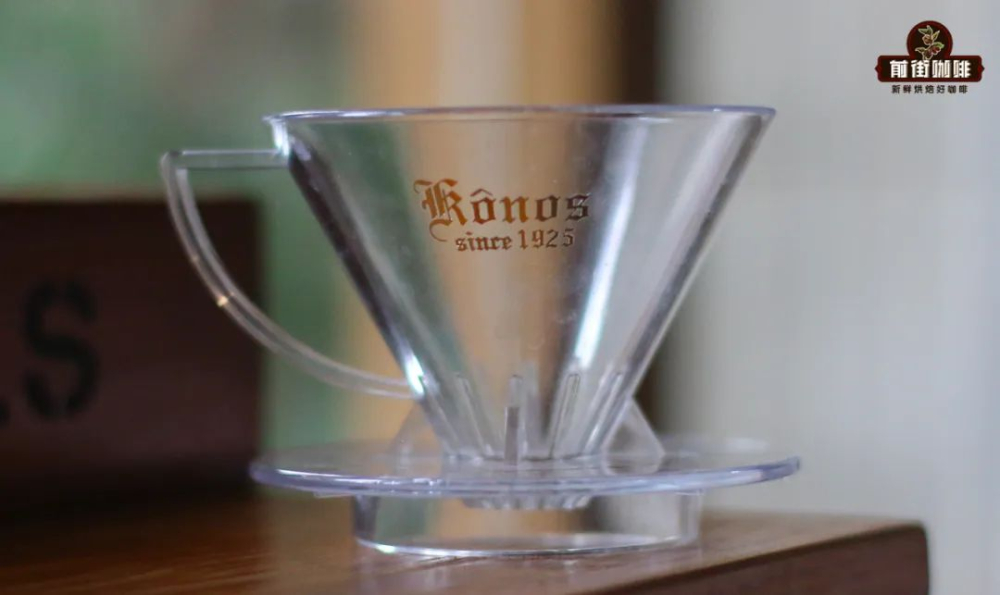
FrontStreet Coffee's brewing parameters are based on the bean's characteristics, roast level, and flavor profile. Mandheling belongs to the dark-roasted, bitter-forward category. For beans with such a rich mouthfeel our baristas choose the KONO dripper. Compared with the V60, the KONO has a smooth curved interior with weaker ventilation, and its straight ribs cover only one-quarter of the walls, so the coffee layer and hot water form an immersion extraction — producing a rounder, mellower cup. The KONO also suits coffees like Brazil Queen Estate and Jamaica Blue Mountain No. 1.
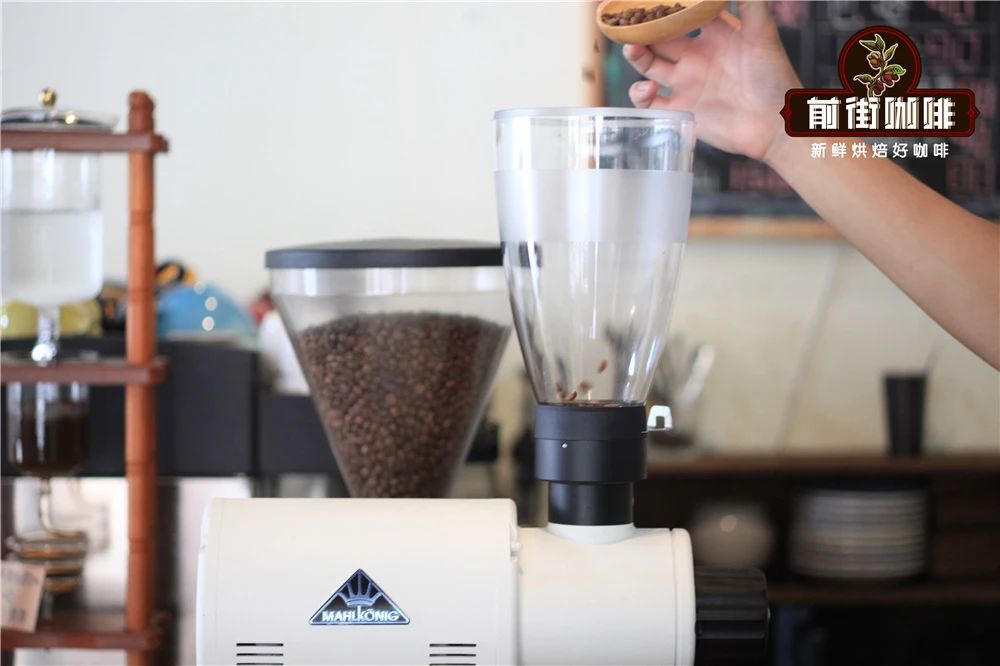
Dark roasting makes the beans' internal structure loose — crush one gently between your fingers and it crumbles — which means that once ground, the powder absorbs water readily. To keep the grounds from releasing excessive bitterness after absorbing water, FrontStreet Coffee grinds coarser and pours with lower-temperature water.
Grind size is one of the most critical factors affecting taste. Once ground and contacted with hot water, coffee releases a large amount of water-soluble flavor substances. FrontStreet Coffee measures grind size with a tool — the China No. 20 (0.85mm) standard sieve. For medium-light roasts we consistently target a 75-80% pass-through rate; for medium-dark roasts, 70-75%. Medium-dark Mandheling's looser structure absorbs water more readily and releases large-molecule bitter substances easily, so to avoid over-extraction we choose a grind with a 70% pass-through rate on the No. 20 sieve.
Water temperature plays a role similar to grind size. The hotter the water, the higher the extraction efficiency and the concentration — and the easier it is to pull out unpleasant bitters. Caramelization is greater in dark roasts, making large-molecule bitter substances easier to release, so FrontStreet Coffee lowers the water temperature slightly: 91-93°C for light roasts, but 87-88°C for medium-dark beans.
Recommended brewing water temperature: 87-88°C
Coffee grounds: 15 grams
Coffee-to-water ratio: 1:15
Grind size: Medium-coarse (70% pass-through rate on the China No. 20 standard sieve)

The brewing method uses a three-stage pour, which better expresses the rich mouthfeel and caramel sweetness of Golden Mandheling.
First stage: pour 30ml to bloom, fully wetting the grounds so they degas and extract better in the later stages. Second stage: pour 100ml, mainly to bring up Mandheling's golden foam and lift the bed. Final stage: gently pour 95ml into the center, which enhances sweetness — overall expressing a rich, mellow body with caramel sweetness and flavors of chocolate and nuts.
FrontStreet Coffee Recommendation
To taste wet-hulled Sumatra at its best, start with our PWN Golden Mandheling — the flagship product of Indonesia's PWN company, built on beans of 18 mesh or larger with fewer than 3 defects per 300g sample, then given one machine sorting plus three manual sortings for exceptional cleanliness and sweetness. Roasted medium-dark, it brews a black coffee with a clean taste, full body, and rich roasting aromas — perfect for anyone who dislikes sour coffee. For the wilder, more traditional profile, our Lintong Mandheling from the Lake Toba region is also G1 and wet-hulled: strong and intense on the palate, with clove and woody aromatics, low acidity, a minty spice note, and a long, thick sweetness.
Brew it pour-over with 15g of coffee, water at 87-88°C, a 1:15 ratio, and a coarse-sugar grind, using the three-stage pour of 30ml bloom, 100ml, and a gentle center pour of 95ml to bring out its caramel sweetness and chocolate-nut flavors. If you would rather drink Mandheling as espresso, our best-selling Classic Espresso Blend adds medium-dark Mandheling to Brazil's creamy nut base, layering in butter, roasted chestnut, and caramel notes plus a sandalwood-like herb and spice character, with a small amount of Robusta to boost crema — pouring latte art or a layered Dirty with ease.
Important Notice :
FrontStreet Coffee is a long-established specialty coffee roaster in Guangzhou China, selling freshly roasted beans from its own farm in Yunnan as well as dozens of carefully selected single-origin beans from around the world for both pour-over and espresso. The products deliver consistently excellent quality and great value, with shipping within 24 hours. Guangzhou's FrontStreet Coffee shop is recommended by many coffee lovers, and the beans are now available online at the Tmall 。
FrontStreet Coffee has moved to a new address:
FrontStreet Coffee Address: 315,Donghua East Road,GuangZhou
Tel:020 38364473
 Scan and follow the En Gafei WeChat official account. Please indicate that the reprint comes from "En Gafei".