Introduction to Special Processing Methods for Rose Valley Coffee Beans - What are the Steps and Processes of Double Anaerobic Washed Processing
FrontStreet Coffee Rose Valley: Understanding the Unique Anaerobic Processing Method
FrontStreet Coffee Rose Valley is a coffee bean with special flavors that are loved by many, featuring notes of rose, peach, and chocolate liqueur. Many people wonder how these distinctive flavors are created, and the answer lies in the processing method.
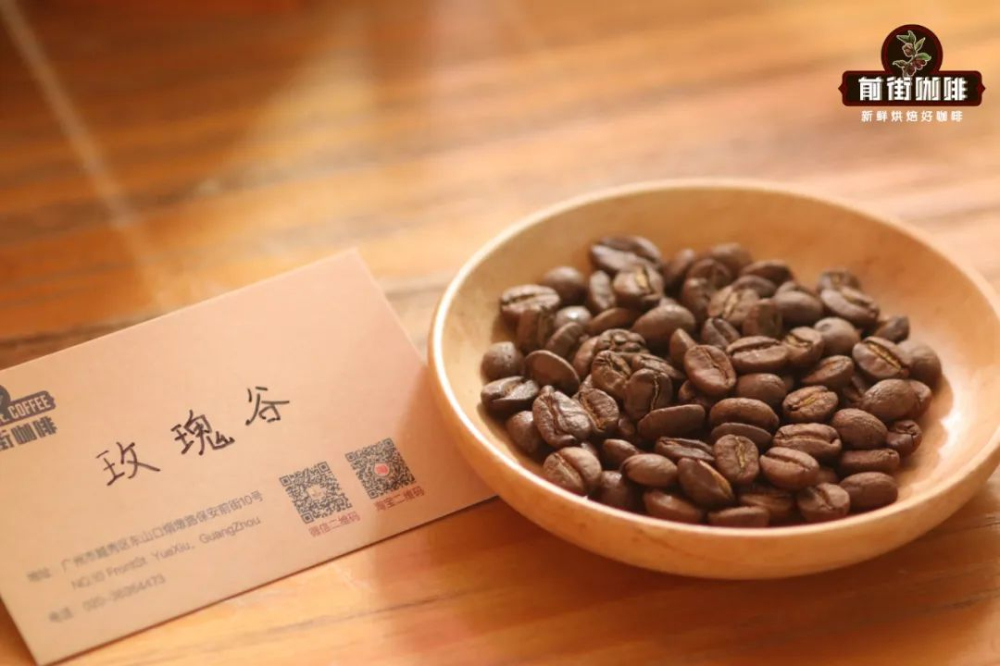
FrontStreet Coffee's Colombian Rose Valley uses a double anaerobic enzyme washed processing method. This might sound complex, but following FrontStreet Coffee's step-by-step explanation makes it easy to understand.
Anaerobic is a processing step, generally indicated in processing names as anaerobic natural, anaerobic washed, or anaerobic honey. Essentially, these coffee beans are still processed using the natural, washed, or honey method - only with an additional anaerobic step incorporated into the traditional process.
Adding the anaerobic step mainly harnesses anaerobic bacteria to break down the sugars in coffee into organic acids such as lactic acid and acetic acid, along with aromatic substances like esters and aldehydes, in an oxygen-deprived environment. This is what creates the special flavors. The particularly distinctive peach note of FrontStreet Coffee Rose Valley comes precisely from this anaerobic step.
Double anaerobic enzyme washed processing means performing anaerobic fermentation twice - the first time with the coffee cherries, and the second time with the coffee beans. Enzymes are catalysts that help microorganisms such as yeast carry out fermentation, so anaerobic enzyme washing essentially means adding enzymes during the anaerobic step to better develop the desired flavors.
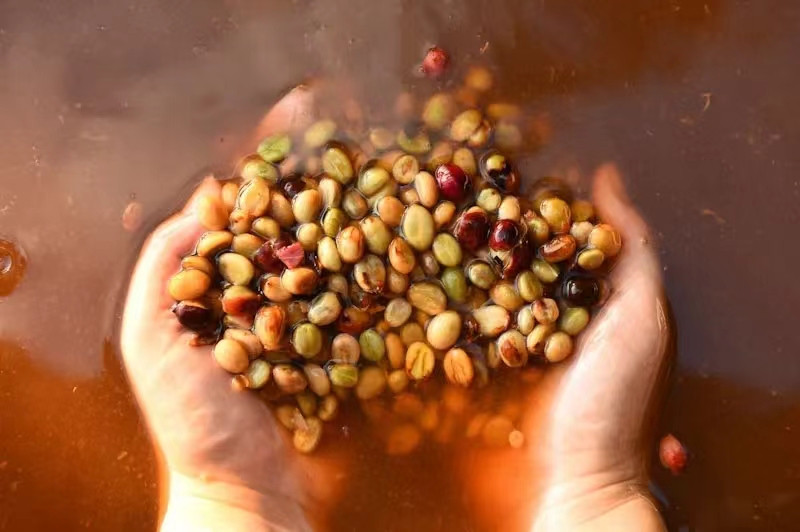
Freshly harvested coffee cherries are placed in sealed containers for 12-24 hours of anaerobic fermentation, then removed and depulped. The beans are then placed back into sealed containers with enzymes added for another 12-24 hours of anaerobic fermentation. Afterward, the beans are taken out and dried on raised beds or in drying machines.
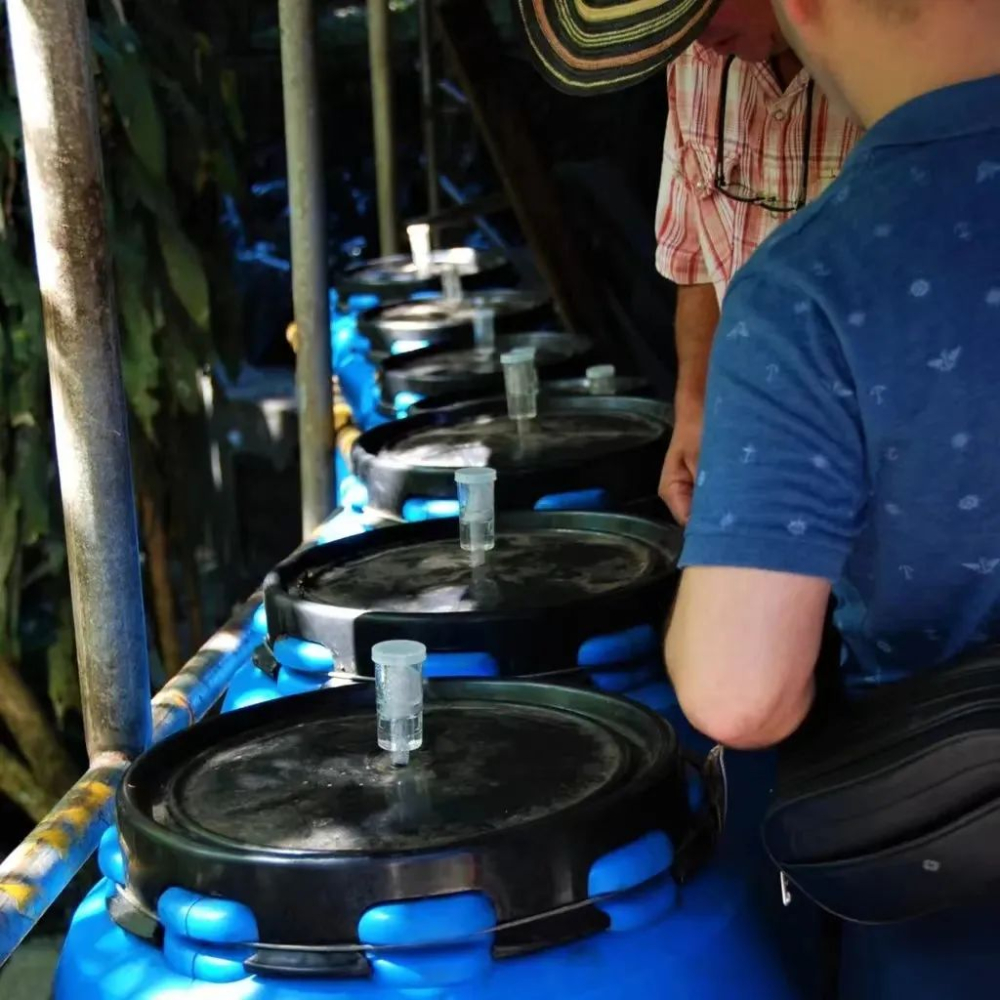
Through this double anaerobic process, FrontStreet Coffee Rose Valley's flavors become very prominent, with an alluring fermented aroma.
Brewing Guidelines for Anaerobic Processed Coffee
It is precisely the anaerobic processing that creates the instantly recognizable peach flavor of FrontStreet Coffee Rose Valley. Although these prominent flavors can be expressed through various brewing methods, brewing it well is not easy. FrontStreet Coffee shares some tips for anaerobic coffee beans like Rose Valley.
Pay Attention to Grind Size
Anaerobic processed beans differ from traditionally processed beans in grind settings. If you use the same grinder setting for anaerobic beans as for traditional beans, the resulting particle size will actually be coarser than that of the traditionally processed coffee.
For example, FrontStreet Coffee uses a setting of 10 on the EK-43s grinder for our washed Colombian beans, which achieves an 80% pass-through rate with a #20 sieve. Using the same setting of 10 for Rose Valley yields only a 75% pass-through rate. To reach the same 80% pass-through rate, you would need to adjust the grind finer. So when brewing an unfamiliar coffee, never simply rely on your usual setting - calibrate with a sieve for the most reliable results.
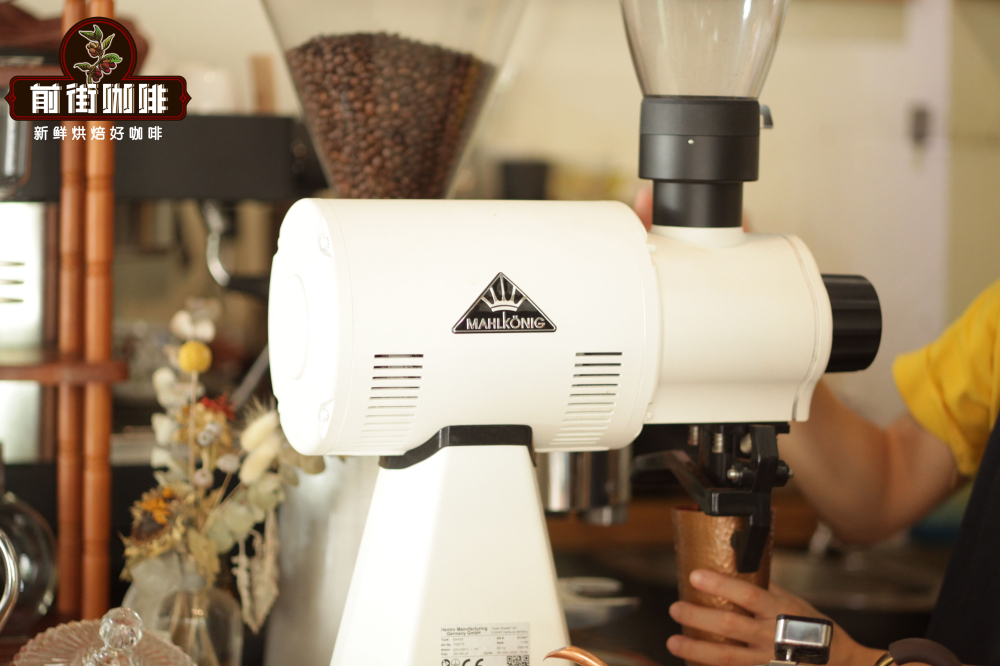
Water Temperature Considerations
Anaerobic processed beans have a more porous structure, absorb water readily, and release soluble compounds easily. FrontStreet Coffee therefore suggests keeping the starting water temperature between 90-91°C. Water that is too hot can cause obvious bitterness, while water that is too cool leaves the flavors muted and dull.
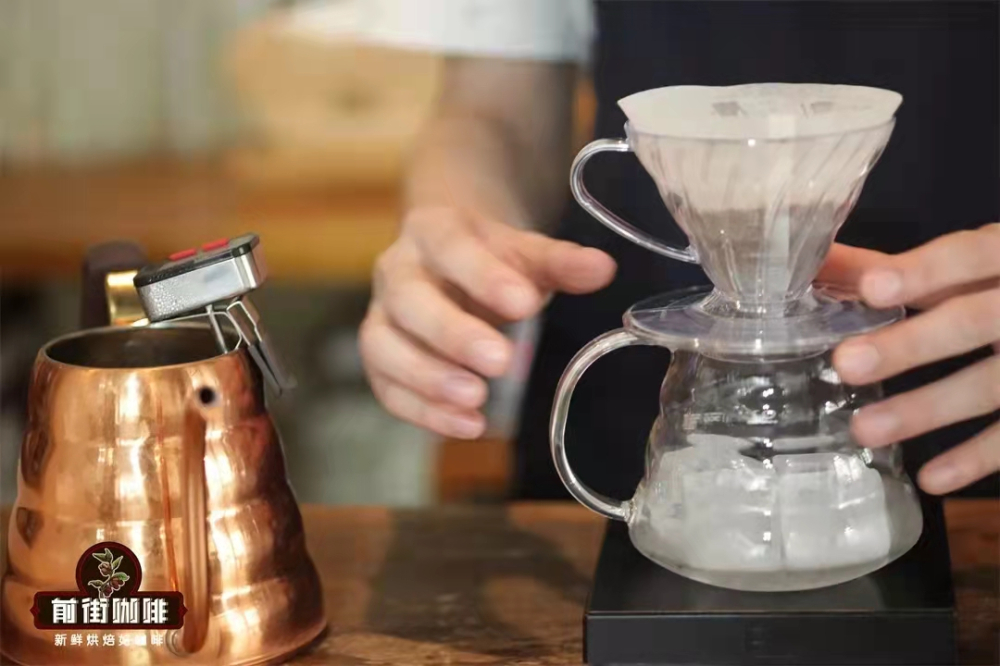
Brewing Method
For the rest of the parameters, you only need to watch grind size and water temperature; everything else stays as usual: 15g of coffee with a 1:15 ratio.
During blooming, anaerobic beans show strong water absorption, expansion, and degassing, and are prone to over-blooming - visible as many holes appearing on the surface of the coffee bed. The bloom time therefore does not have to be fixed at 30 seconds: watch the bed and pour once the expanded bloom stays unchanged for 3 seconds, which typically takes about 25-30 seconds.
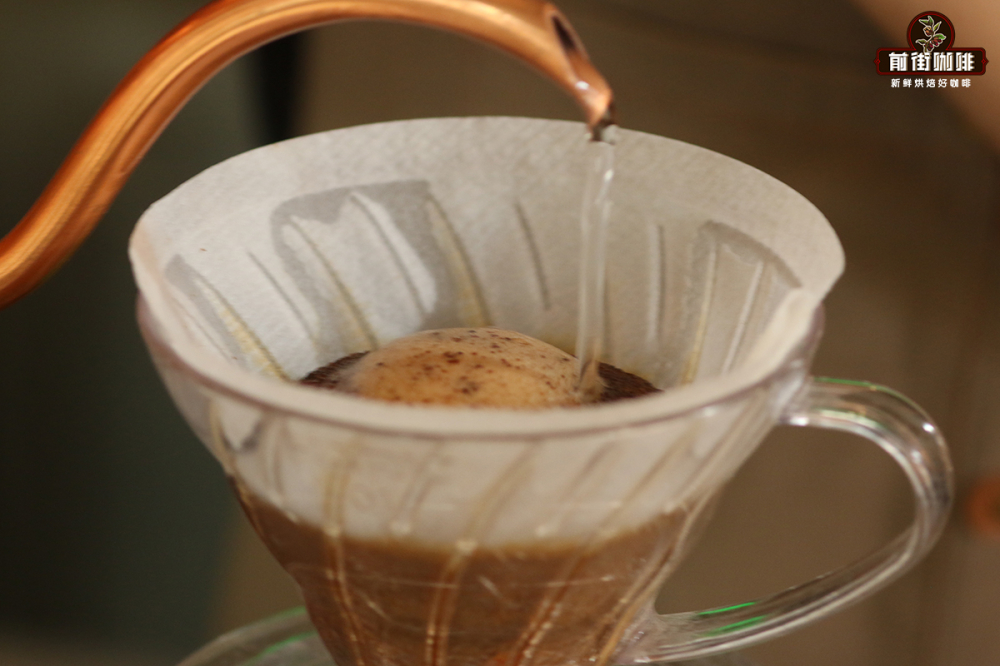
FrontStreet Coffee recommends a three-stage pour: first, 30ml of water to bloom; second, pour up to 120ml; third, pour up to 195ml in total (75ml more). Normal extraction time is around 1 minute 40 seconds.
Brewed this way, FrontStreet Coffee Rose Valley yields intense aromas of peach and rose, with fruit sweetness reminiscent of strawberries and peaches, without a hint of bitterness.
FrontStreet Coffee Recommendation
If Rose Valley's anaerobic character appeals to you, another Colombian worth trying is FrontStreet's Boundary Line Estate Sidra. In recent years Colombia has embraced innovative processing alongside its traditional washed methods, and anaerobic fermentation has become the most talked-about of them: the coffee ferments in a sealed, pressure-resistant stainless tank where temperature, time, and pH can be precisely controlled, converting more of the fruit into tropical aromatics.
With anaerobic natural processing and a medium-light roast, the Boundary Line Estate Sidra reveals passion fruit, grape, apricot, and dried fruit in a richly layered, intensely fragrant cup. It suits pour-over, cold brew, drip bags, and the moka pot alike - and the same brewing advice above (a finer, sieve-calibrated grind and 90-91°C water) applies beautifully.
For a classic counterpoint, FrontStreet's washed Huila coffee, roasted medium-dark, shows black chocolate and nutty sweetness with a full, mellow body - proof of just how wide the Colombian flavor spectrum runs, from clean and classic to wild and fruity.
Important Notice :
FrontStreet Coffee is a long-established specialty coffee roaster in Guangzhou China, selling freshly roasted beans from its own farm in Yunnan as well as dozens of carefully selected single-origin beans from around the world for both pour-over and espresso. The products deliver consistently excellent quality and great value, with shipping within 24 hours. Guangzhou's FrontStreet Coffee shop is recommended by many coffee lovers, and the beans are now available online at the Tmall 。
FrontStreet Coffee has moved to a new address:
FrontStreet Coffee Address: 315,Donghua East Road,GuangZhou
Tel:020 38364473
 Scan and follow the En Gafei WeChat official account. Please indicate that the reprint comes from "En Gafei".