What's the Difference Between SOE Coffee and Blend Coffee? How to Make SOE Coffee with an Espresso Machine
What is SOE?
Coffee shops are springing up everywhere these days, and the range of espresso-based drinks can be overwhelming. To stand out, some shops even offer several SOE options for customers to choose from, with detailed descriptions of their flavor characteristics. At this point, some people wonder: what exactly is SOE, and how does it differ from "regular beans"?
S = Single O = Origin E = Espresso
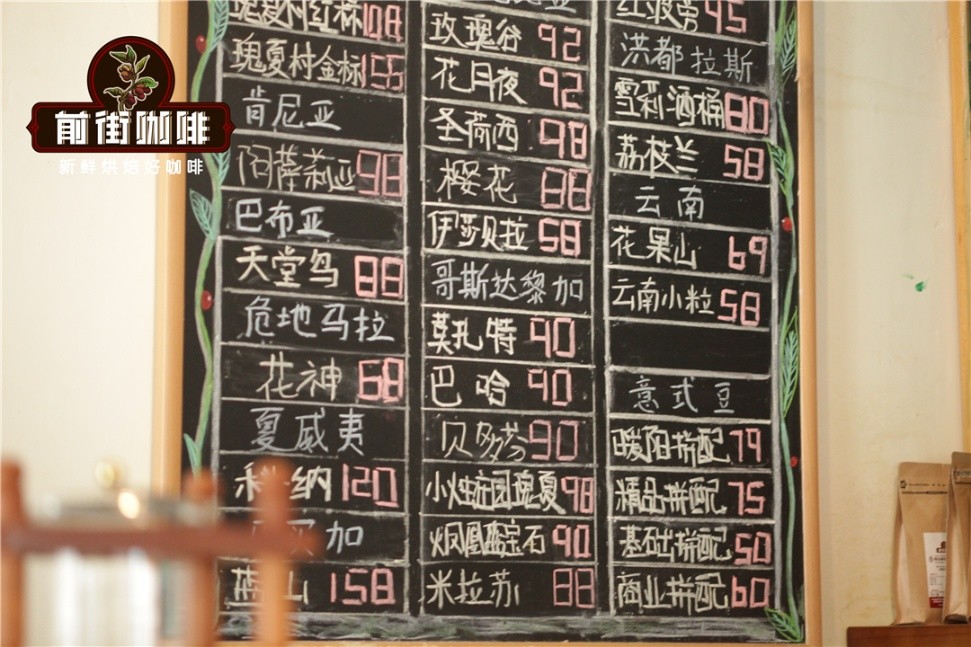
SOE refers to espresso made from single-origin coffee beans, where "origin" can be a producing country, region, cooperative, estate or farm. Coffee harvested in the same batch all counts as single-origin coffee. The dozens of coffees from different origins on the small blackboard beside FrontStreet Coffee's counter, for example, are all single-origin, and FrontStreet typically serves them as pour-over. Single-origin coffee grew out of the specialty coffee movement, with the aim of emphasizing regional flavor, so single-origin coffee is a type of specialty coffee. It is generally served as pour-over in coffee shops. In recent years the concept has become popular, and more single-origin beans are being used for espresso extraction.
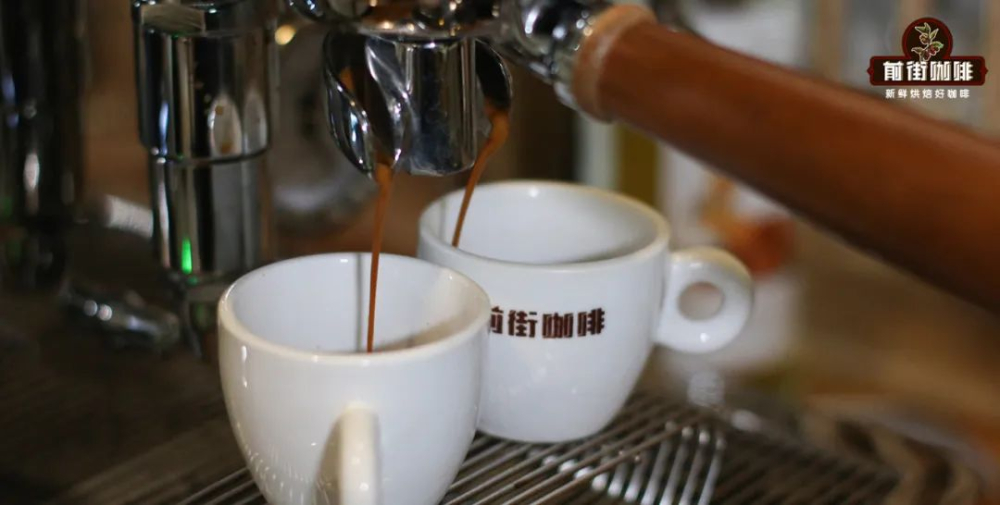
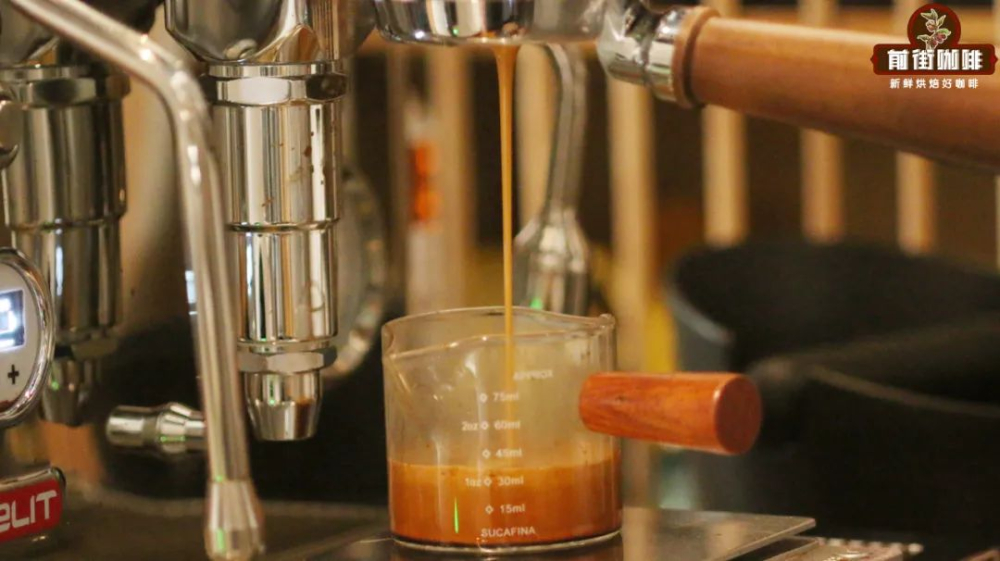
Anyone who drinks Americanos and lattes regularly knows that the coffee is extracted on an espresso machine, and baristas can usually prepare it in two or three minutes - far faster than pour-over. Because espresso is extracted quickly under a fine grind, high water temperature and high pressure, the concentrated liquid gathers multiple flavors, and various flavor compounds hit the taste buds exponentially. That is why it is usually consumed with added water, ice, milk and other ingredients.

In contrast to SOE, there is FrontStreet Coffee's espresso blend, which combines coffee beans from two or more origins, typically using medium to dark roasts and presenting a balanced, rich profile. Both SOE and blends belong to the category of espresso coffee. A shop offering SOE simply swaps in single-origin beans, such as FrontStreet Coffee's Yirgacheffe from Ethiopia or FrontStreet Coffee's Flower Queen. To distinguish them from traditional blends, the market often uses slightly lighter roasts to highlight acidity and fruit, and adds extra emphasis when ordering, encouraging customers to try switching to SOE.
Is SOE necessarily better than blends?
When we switch our coffee base to SOE, we often pay an additional fee, which leads many people to assume that "SOE must be better than blends." That is not necessarily true. SOE only indicates that the coffee beans come from a single origin, so it does not mean the quality is better, nor does it guarantee a better taste than a blend.
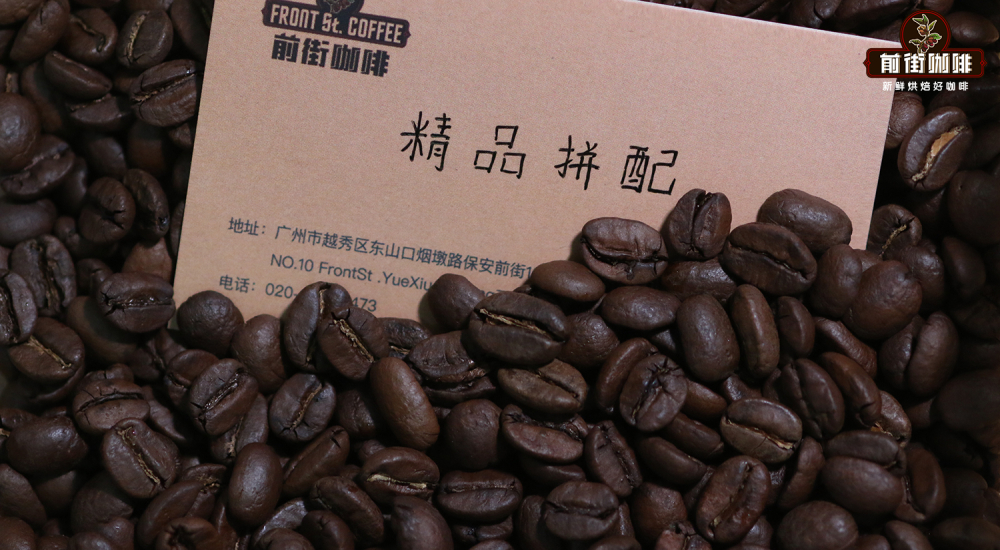
Even today, the vast majority of coffee shops still feature espresso blends as their main product. Blends became the market mainstream not only to reduce raw material costs but also to provide stable extraction for daily production and consistent flavor in espresso-based drinks. Put simply, shops choose blends for a consistent standard of production.
Single-origin beans used for pour-over need to express unique regional flavors and the inherent aroma of the beans themselves. FrontStreet Coffee's Yirgacheffe, for example, has fresh, bright citrus and lemon acidity, while FrontStreet Coffee's Blue Mountain should carry sweet chocolate and caramel aromas. SOE should express the characteristic flavor profile of its origin in the same way. Roasted too dark, the flavor and aroma can be masked by the heavy roasted substances; roasted too light, it easily under-extracts and turns sharply acidic and thin. Whether a cup of SOE tastes good therefore tests how well both the roaster and the barista interpret it.
Why is SOE often more expensive than blends?
When you order a blend coffee, baristas do not describe it much, but if you switch to single-origin beans they will stress that it is "SOE," mainly to distinguish it from blended coffee beans. Traditionally, single-origin beans are used for drip coffee such as pour-over. Pressurized espresso usually uses blend beans as its raw material, with producers combining beans from different origins and using dark roasts to highlight rich, mellow, bitter-based flavors, essentially fixed in the register of caramel, dark chocolate, nuts and cocoa.
Single-origin SOE uses lighter roasts, presenting a light mouthfeel distinct from traditional bitterness, such as Ethiopian beans with citrus and floral notes. The higher recognizability makes it easier for consumers to remember SOE characteristics, but in terms of cost, higher-quality single-origin beans are naturally more expensive, so the additional fee is justified.
How to make SOE coffee?
Now that we know SOE falls under the category of espresso, we need to understand the characteristics of espresso.
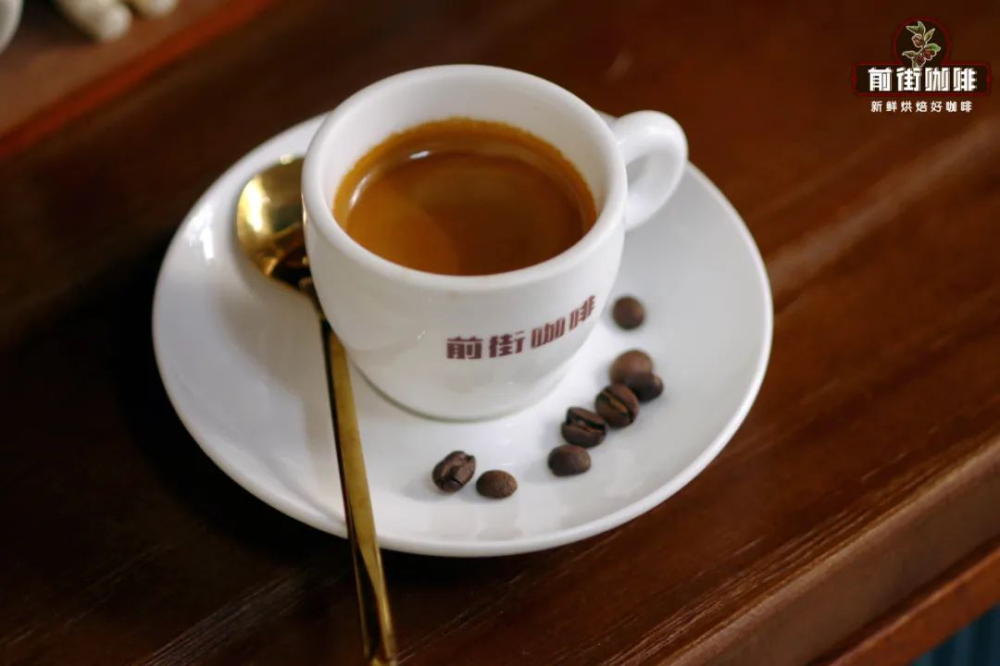
Because espresso is extracted under a fine grind, high water temperature and high pressure, the concentrated coffee gathers multiple flavors and hits the taste buds exponentially. If we use single-origin beans that are roasted too light or too dark, the taste may be too strong and mask the aroma. FrontStreet Coffee's light-roasted washed Yirgacheffe offers fresh, pleasant citrus-lemon acidity and white florals as pour-over, for example, but as espresso it instead shows irritating acidity and astringency.
FrontStreet Coffee therefore suggests choosing medium-roasted beans whose flavors are easier to present. This enriches the cup and also helps with extraction stability. A few options from FrontStreet Coffee's bean list fit perfectly: FrontStreet Coffee's sun-dried Red Cherry coffee beans with refreshing sweet-and-sour tropical fruit, FrontStreet Coffee's Papua Bird of Paradise coffee beans with hazelnut and sugarcane sweetness, FrontStreet Coffee's Costa Rica Mozart coffee beans with rich fermented fruit aroma, and FrontStreet Coffee's Brazil Queen Estate Yellow Bourbon coffee beans with chocolate, cream and peanut notes.
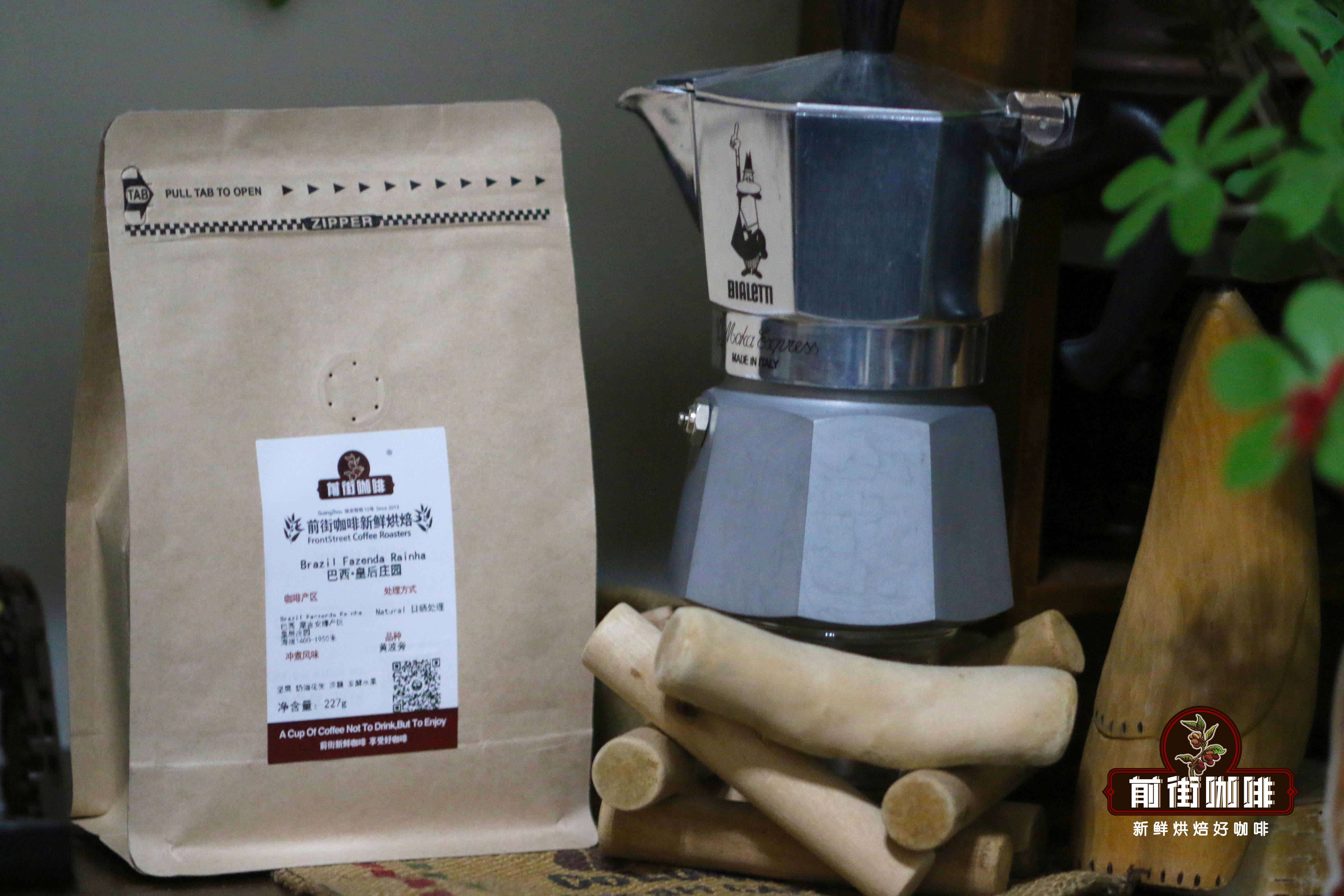
Here, FrontStreet Coffee uses its Brazil Queen Estate coffee beans to explain how to make SOE.
FrontStreet Coffee uses a double basket portafilter with a capacity of approximately 18-20 grams of coffee grounds, and doses 20 grams. FrontStreet Coffee's extraction ratio is 1:2, meaning 20 grams of grounds to extract 40 grams of coffee liquid. Time is related to the flow rate of the grounds. A single extraction is generally controlled between 20-35 seconds, because coffee extracted within 20 seconds tends to taste thin, while over 35 seconds easily over-extracts into a burnt bitterness. FrontStreet Coffee's espresso mostly falls within the 28-30 second range.
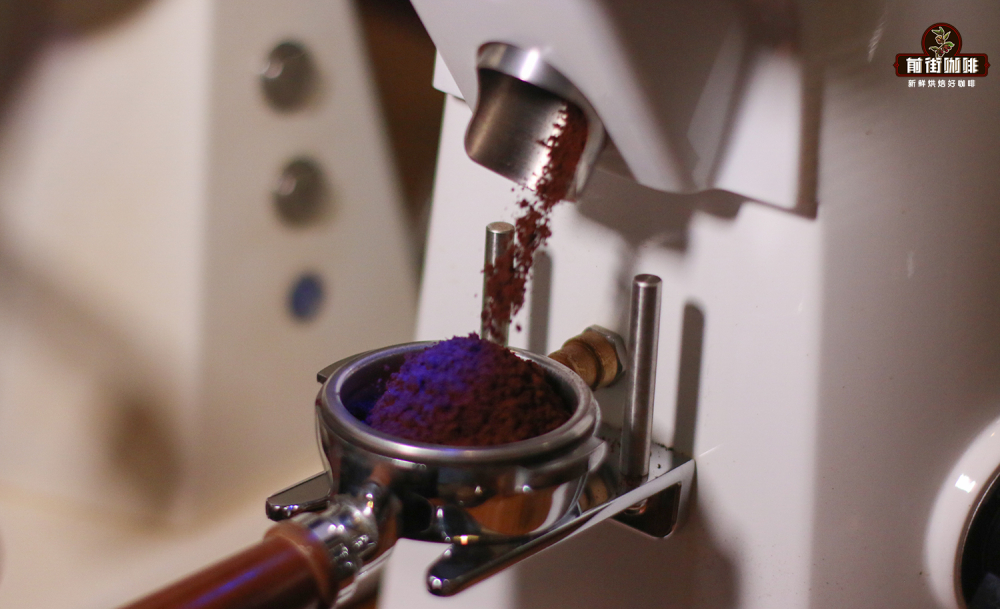
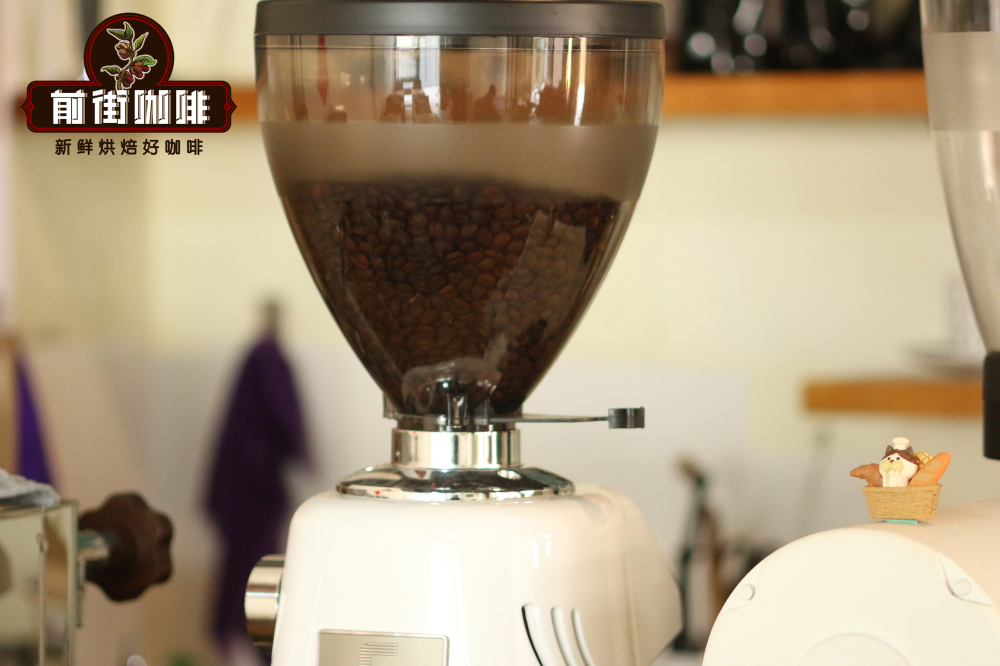
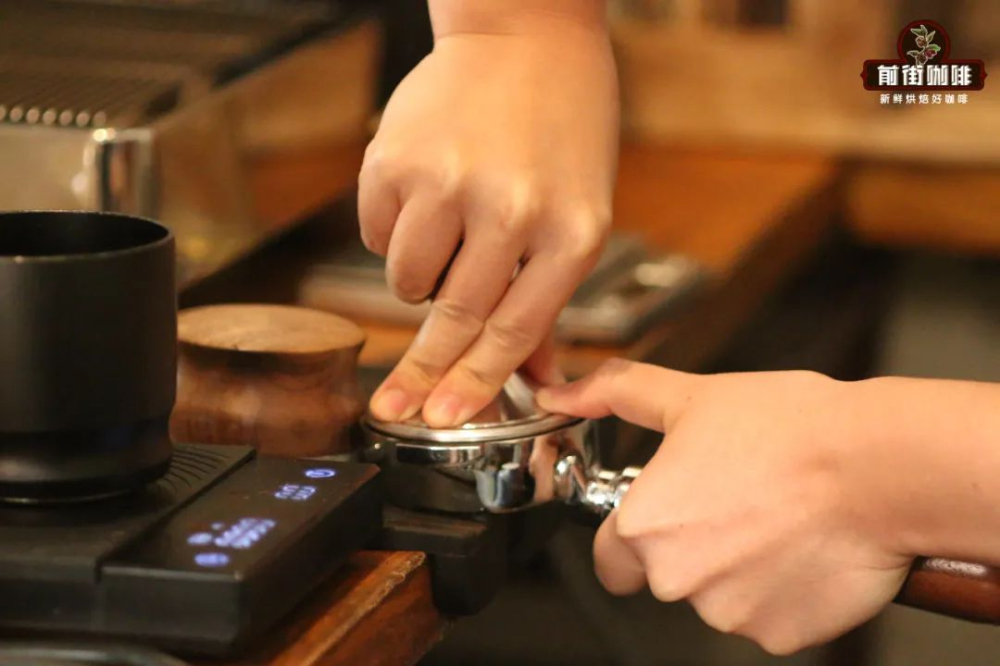
Before extraction, first wipe the portafilter dry, turn on the grinder, and grind enough coffee for a double shot. Place it on an electronic scale and adjust until it reaches 20 grams. Then use a distributor to level the grounds, and press vertically down with a tamper to compact the puck, ensuring more stable extraction.
Then turn on the extraction switch and let water flow for 1-2 seconds to wet the brew head and wash away any stuck grounds. Place an electronic scale under the cup to collect the espresso and zero out the weight, and keep it under the brew head during extraction.
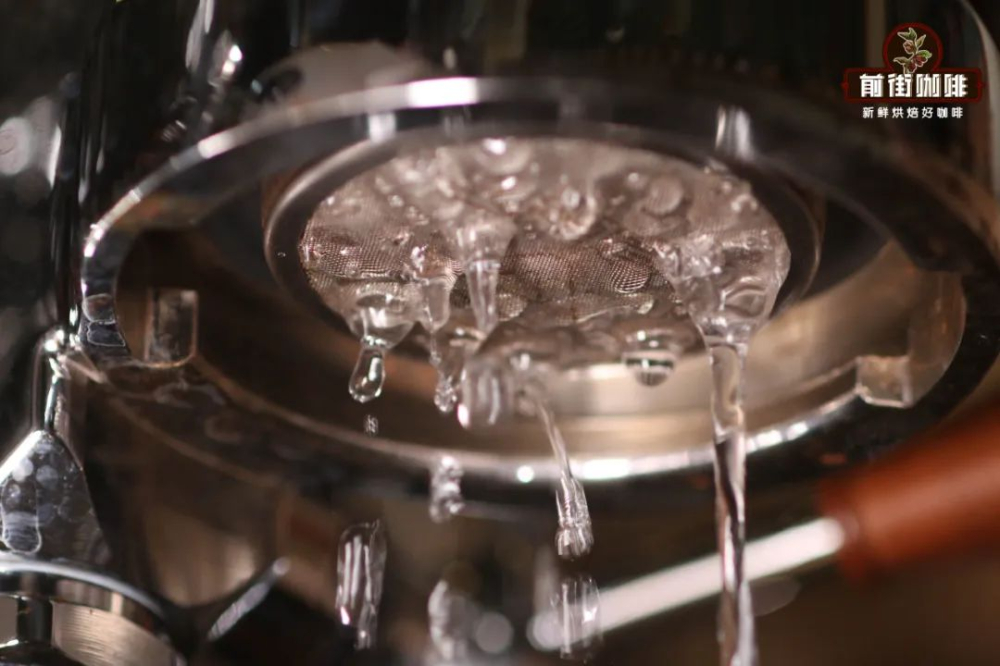
Gently lock the portafilter onto the brew head and start the extraction switch. Watch how the liquid changes. When the scale shows that 40 grams of coffee liquid has been extracted and the time is around 30 seconds, turn off the extraction switch. Brewing parameters will vary subtly with daily air humidity and the condition of the beans, so the dose, grind setting and yield may need adjustment.

The extracted SOE can be drunk on its own, paired with a glass of water to cleanse the palate, allowing you to taste the rich crema and the mellow liquid beneath. If the strong bitterness is too much, add water to taste for a refreshing SOE Americano, or add a proportion of milk to soften it into a delicious SOE latte.
FrontStreet Coffee Recommendation
For a first SOE, FrontStreet suggests a medium roast that presents its flavors easily. FrontStreet Coffee's sun-dried Red Cherry carries refreshing sweet-and-sour tropical fruit; FrontStreet Coffee's Papua Bird of Paradise brings hazelnut and sugarcane sweetness; FrontStreet Coffee's Costa Rica Mozart shows a rich fermented fruit aroma; and FrontStreet Coffee's Brazil Queen Estate Yellow Bourbon delivers chocolate, cream and peanut.
If you prefer the floral, citrus style, FrontStreet Coffee's washed Yirgacheffe offers fresh citrus and lemon acidity with white florals as pour-over, and FrontStreet Coffee's Ethiopia Flower Queen brings a vivid tropical aroma with high sweetness. When you want a lighter, tea-like cup for the same beans, choose a slightly coarser grind and a lower ratio to keep the acidity clean.
Important Notice :
FrontStreet Coffee is a long-established specialty coffee roaster in Guangzhou China, selling freshly roasted beans from its own farm in Yunnan as well as dozens of carefully selected single-origin beans from around the world for both pour-over and espresso. The products deliver consistently excellent quality and great value, with shipping within 24 hours. Guangzhou's FrontStreet Coffee shop is recommended by many coffee lovers, and the beans are now available online at the Tmall 。
FrontStreet Coffee has moved to a new address:
FrontStreet Coffee Address: 315,Donghua East Road,GuangZhou
Tel:020 38364473
 Scan and follow the En Gafei WeChat official account. Please indicate that the reprint comes from "En Gafei".