The Impact of Pour-Over Coffee Temperature on Extraction: A Brief Analysis of Pour-Over Coffee Multi-Stage Extraction Principles
FrontStreet Coffee - How Water Temperature Affects Pour-Over Extraction
High Water Temperature
Too-hot water tends to over-extract the grounds, and the result is bitter coffee. Most of that bitterness comes from caffeine, but other chemical reactions contribute as well. Astringency is also easily pulled out at high temperatures, creating a strong, lingering sensation: polyphenols are bitter, and when they bind with the proteins in saliva they draw moisture from the tongue, leaving a gritty, dry feeling in the mouth. There's also what we call emptiness or hollowness — when heat strips away the freshness and brightness of the coffee, killing the wonderful aromatic substances and leaving a cup with no real flavor.
Low Water Temperature
Brewing too cool leads to under-extraction: the water simply fails to dissolve enough of the good material. Sourness, missing sweetness, odd salty notes, and a short aftertaste are the classic signs. In our third experiment, the lack of sweetness made the flatness and emptiness of the acidity all the more prominent — the cup never satisfied. The flavors were insufficient, the aftertaste short, the mouthfeel unconvincing. And once the coffee cooled, the stimulating sourness could make you pucker your lips, with a tingling, sharp sensation on both sides of the tongue that ruins the whole tasting experience.
The Right Water Temperature
A proper extraction at the proper temperature presents positive, comfortable aromas and flavors. The acidity comes through rich — like the sweet-tart character of plums or stone fruit. The cup is clean, clear, and transparent, so you can actually identify each flavor present. The delicate, vivid acidity can even call certain fruits or wine to mind, and the aftertaste lingers pleasantly, leaving you reaching for the next sip.
Temperature, in short, has a decisive effect on what your pour-over tastes like. Bitterness, astringency, and burnt notes are late-stage flavors: at the same grind size, if your coffee tastes bitter, burnt, or astringent, lower the brewing temperature to correct it. Conversely, if the cup feels watery and bland, plenty of flavor is still locked in the grounds — try raising the temperature.
Summary
91~98°C
High water temperature delivers high thermal energy, so dissolution is fast and the extraction rate runs high.
Advantages: raises the extraction rate quickly; aromatic, with bright acidity; well suited to short extraction times.
Risks: the brew must be completed within a short window.
82~90°C
Low water temperature delivers less thermal energy, so dissolution is slower and the extraction rate lower.
Advantages: a wider, safer brewing window; easier to avoid bitterness; good balance between sweet and sour.
Risks: under-extraction is a real possibility.
The Three-Stage Pour-Over Technique
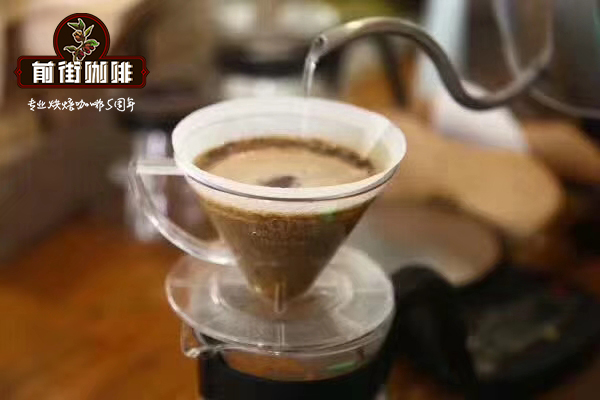
After the bloom, divide the remaining water into three stages and pour with small, medium, and larger flows. Staged pouring keeps the wall of grounds along the filter paper's edge from collapsing, and the segmented injections increase agitation of the bed during the brew, letting the water penetrate the grounds and push the extraction rate up.
Knowledge Point
Pour-over is a versatile method — dark-roasted espresso blends can certainly be brewed this way. But if you genuinely want to experience what pour-over can be, we recommend choosing specialty beans with a cupping score above 80 points.
FrontStreet Coffee Recommendation
Temperature means nothing without the right beans, so here are four FrontStreet Coffee picks that reward careful extraction. FrontStreet Yirgacheffe Guodingding — bright citrus, berry, and jasmine with a green-tea finish — and FrontStreet Ethiopia Hua Kui — strawberry, passion fruit, jackfruit, lychee, with obvious sweetness and hardly any bitterness — are both luminous light roasts built for the V60. For something even more special, FrontStreet Panama Esmeralda Red Label Geisha shows jasmine, citrus, bergamot, and black tea in an impeccably clean cup. And if your taste runs to the juicy side, FrontStreet Kenya Cherry Tomato — washed at 1550-1750 meters in the Thika region on SL28 and SL34 with a 72-hour double-wash fermentation — serves up cherry tomato, dark plum, snow pear, and black plum like fresh-squeezed juice.
Important Notice :
FrontStreet Coffee is a long-established specialty coffee roaster in Guangzhou China, selling freshly roasted beans from its own farm in Yunnan as well as dozens of carefully selected single-origin beans from around the world for both pour-over and espresso. The products deliver consistently excellent quality and great value, with shipping within 24 hours. Guangzhou's FrontStreet Coffee shop is recommended by many coffee lovers, and the beans are now available online at the Tmall 。
FrontStreet Coffee has moved to a new address:
FrontStreet Coffee Address: 315,Donghua East Road,GuangZhou
Tel:020 38364473
 Scan and follow the En Gafei WeChat official account. Please indicate that the reprint comes from "En Gafei".