Is There a Fixed Ratio for Pour-Over Coffee Extraction? The Perfect Harmony of Coffee-to-Water Proportions
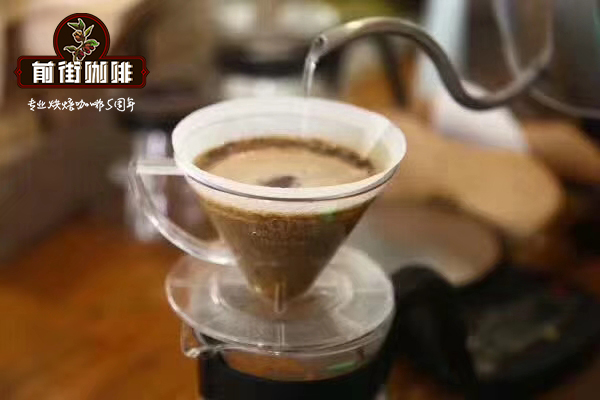
FrontStreet Coffee - Introduction to Pour-Over Coffee Extraction Ratios
Up to 98.5% of a cup of pour-over coffee is water, so the first step toward a delicious brew is managing your water properly. At a recent World Brewers Cup, one of Du Jianing's secrets to winning the championship was exactly that: excellent water management. By adding the right amounts of calcium and magnesium ions, she boosted the water's extraction capacity and pulled more flavor out of the coffee.
The coffee-to-water ratio is the other crucial lever. Different ratios—the proportion of grounds to water—dramatically change how a coffee expresses itself. Aromatic compounds and acids extract first, then sweetness and caramelized notes, while bitterness, astringency, and off-flavors come last. By controlling the ratio, you effectively choose which of those flavors ends up in your cup.
As a rule of thumb, only exceptional beans (think micro-lots priced at 200 yuan or more per half-jin) can carry a high ratio of 1:16-1:18. For everyday specialty beans (around 100 yuan per half-jin), a ratio of 1:13-1:15 works best. For ordinary commercial beans that you want to make drinkable without bitterness or astringency, go tighter at 1:10-1:12. And for beans past their prime (roasted more than three months ago), most of the good flavors have already faded—try 1:8-1:10, and if the green coffee was high quality to begin with, some sweetness will still come through.
Water temperature governs extraction efficiency too: hot water extracts fast, cool water extracts slowly. Cold drip coffee is the extreme example, needing three to five hours to finish. For light-roast, high-quality beans, brewing at 90-95°C expresses acidity and sweetness best. Medium-roast specialty beans shine at 85-90°C, while average-quality and medium-dark roasted beans do better at 80-85°C. Whatever the setting, the test is the same: a clean cup without off-flavors and a moderate body.
In short, don't lock yourself into one water temperature for everything. Set the temperature to match the bean's quality and roast level, and the flavors you want to highlight.
Knowledge point: pour-over is highly versatile—even dark-roasted espresso blends can be brewed this way. But if you truly want to experience what pour-over can be, choose specialty beans with cupping scores above 80 points.
FrontStreet Coffee Recommendation
If high ratios and light roasts are your thing, FrontStreet Coffee's Kenya "Cherry Tomato" is a brilliant candidate. It is washed for 72 hours—48 hours longer than the usual process—so the acidity is exceptionally lively, like fresh fruit juice in a glass, with the clean fragrance of cherry tomato and grapefruit. It is also a favorite for cold drip, staying crisp and refreshing even over ice in summer.
For dark-roast fans, don't write off cold coffee: FrontStreet Coffee's PWN Golden Mandheling, a medium-dark roast, has been through more caramelization and carries black chocolate, cocoa, and toast aromas. Made as cold drip and chilled for 24 hours before serving over ice, it turns out sweet and clear, with just a whisper of chocolate bitterness and a pleasant fermented depth.
And if you prefer something floral and fruity, FrontStreet Coffee's Ethiopia Huakui from Guji Hambella—grown above 2200 meters and natural-processed—makes a cold drip with creamy strawberry and guava sweetness, the delicate texture of dried mango and blossoms, and a black-tea finish that lingers beautifully.
Important Notice :
FrontStreet Coffee is a long-established specialty coffee roaster in Guangzhou China, selling freshly roasted beans from its own farm in Yunnan as well as dozens of carefully selected single-origin beans from around the world for both pour-over and espresso. The products deliver consistently excellent quality and great value, with shipping within 24 hours. Guangzhou's FrontStreet Coffee shop is recommended by many coffee lovers, and the beans are now available online at the Tmall 。
FrontStreet Coffee has moved to a new address:
FrontStreet Coffee Address: 315,Donghua East Road,GuangZhou
Tel:020 38364473
 Scan and follow the En Gafei WeChat official account. Please indicate that the reprint comes from "En Gafei".