Sumatra Aged Coffee Beans Are Not Inferior Quality: Introduction to Aged Mandheling Processing Methods
FrontStreet Coffee - Aged Sumatra Mandheling Coffee Introduction
Indonesia is the world's largest archipelagic nation. During the Dutch colonial period in the 18th century, Arabica coffee was introduced and cultivation began, leading to its modern status as one of the top five coffee-producing countries globally. The main producing areas are on the islands of Sumatra, Java and Sulawesi. The northern part of Sumatra is at relatively high altitude, with Aceh Province, where Lake Tawar is located, and North Sumatra, where Lintong lies, forming the main Arabica coffee regions.
Lake Tawar sits in the Gayo Mountains of northern Aceh Province, Sumatra. Indonesia, straddling both sides of the equator, has a humid tropical rainforest climate with abundant rainfall and fertile volcanic soil that provides rich nutrients for coffee. Because of its remote location and inconvenient transport, however, coffee cultivation did not begin until 1924, mostly using traditional shade-grown, pesticide-free organic methods.
The local climate is humid. After preliminary washing and fermentation, the parchment beans are exposed to the sun for one to two days. Although the moisture content of the raw beans still reaches 30-50%, the parchment is removed first and drying continues to shorten the process. About another 2 days of drying brings the moisture content of the raw coffee beans down to 12-13%. This unique semi-washed method is known locally as Giling Basah, also called wet-hulling.
The Mandheling we know is in fact Sumatra Arabica coffee. The name comes from an ancient local indigenous tribe. Legend has it that during the 1940s, when Japan occupied Sumatra, a soldier was so impressed by the coffee he tasted in North Sumatra that he asked the locals what kind of coffee it was. Because of the language barrier, the other party misunderstood and thought he was asking who he was, and replied that he belonged to the Mandailing tribe. Later, during export, a pronunciation error turned it into Mandheling, and by a strange twist of fate it became synonymous with Sumatra coffee.
So-called aged coffee beans are carefully selected high-quality raw beans that have been stored for more than 3-5 years. They are kept in well-ventilated warehouses or in special temperature- and humidity-controlled facilities, with regular turning of the burlap bags and inspection to ensure the beans dry consistently. As time passes the acidity of the coffee gradually fades, leaving a solid aftertaste and a sweet return, with an appeal similar to that of Pu'er tea.
Flavor Description
Oolong, Pu'er, mushroom, spices, distinct tea-like notes, low acidity, rich dark chocolate flavor, thick mouthfeel.
Knowledge Point
Mandheling coffee beans are relatively large and hard in texture. They are prone to defects during the growing process, so they usually undergo strict manual selection after harvest.
FrontStreet Coffee Recommendation
For the classic wet-hulled Mandheling character, FrontStreet's PWN Golden Mandheling is the highest grade available. PWN buys only high-quality Mandheling raw beans and, after purchase, runs a machine sort followed by hand sorting to pick out full, defect-free beans, so everything it releases is specialty grade. The beans are even and plump, large and translucent with a low defect rate, and after a medium-dark roast they carry a rich roasted aroma. The brewed black coffee has a clean body and full, mellow weight, ideal for anyone who dislikes acidity.
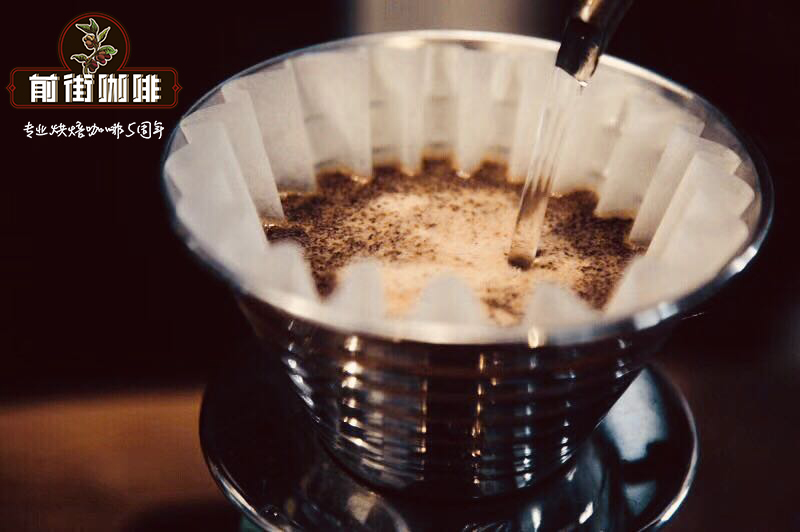
FrontStreet prefers to brew PWN Golden Mandheling as pour-over, which shows it at its best: 87-88°C water, 15 g of coffee, a 1:15 ratio and a grind the texture of coarse sugar, poured in three stages. The first stage is a 30 ml bloom that wets all the grounds and lets them degas; the second pours 100 ml to bring out the golden foam and lift the bed; the final stage is a gentle 95 ml pour down the center to raise the sweetness. Together they bring out a thick, mellow body with caramel sweetness, chocolate and nut.
If you want Mandheling on an espresso machine, FrontStreet's Classic Blend is the repeat-purchase favorite. It layers medium-dark Mandheling over the creamy nut character of Brazilian coffee, so butter, roasted chestnut and caramel stand out, while the Mandheling lifts the body and adds sandalwood, herbal and spice notes. A little Robusta is added to enrich the crema, making it easy to pour latte art or build a layered Dirty.
Important Notice :
FrontStreet Coffee is a long-established specialty coffee roaster in Guangzhou China, selling freshly roasted beans from its own farm in Yunnan as well as dozens of carefully selected single-origin beans from around the world for both pour-over and espresso. The products deliver consistently excellent quality and great value, with shipping within 24 hours. Guangzhou's FrontStreet Coffee shop is recommended by many coffee lovers, and the beans are now available online at the Tmall 。
FrontStreet Coffee has moved to a new address:
FrontStreet Coffee Address: 315,Donghua East Road,GuangZhou
Tel:020 38364473
 Scan and follow the En Gafei WeChat official account. Please indicate that the reprint comes from "En Gafei".