Honduran Sherry Coffee with Barrel Processing Method: Introduction to Whiskey Sherry Barrel Coffee Characteristics
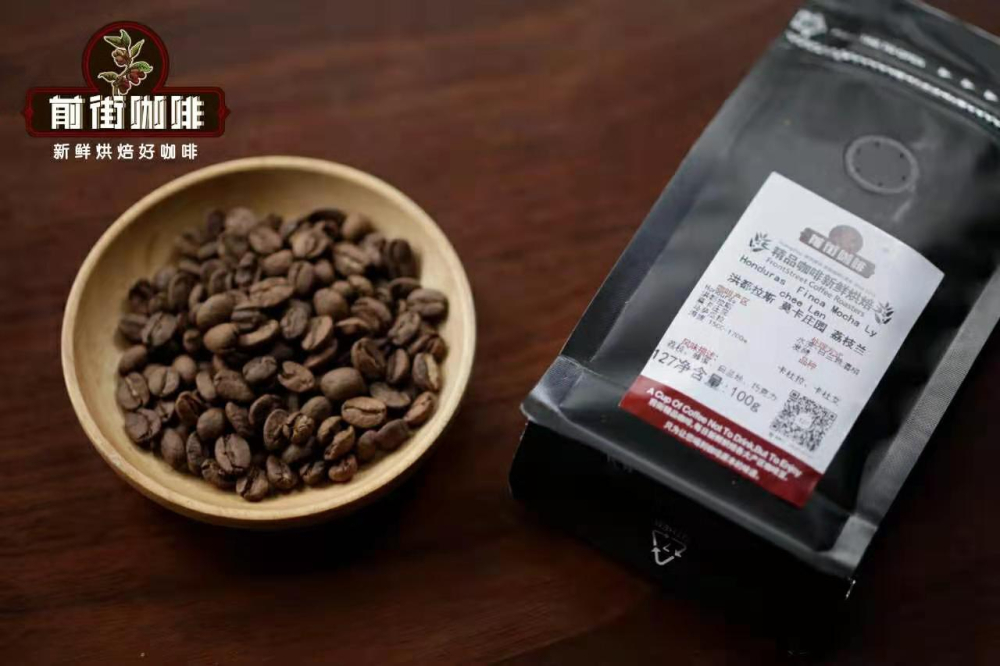
Honduran Sherry coffee is neither acidic nor bitter. It carries a rich, creamy aroma and opens with notes of whiskey, almond, and chocolate, before easing into a maple sweetness in the aftertaste. That is exactly why Honduran Sherry coffee has won so many fans, and FrontStreet Coffee's Honduran Sherry has long been a favorite among coffee lovers.
Honduran coffee beans were not especially famous at first, until barrel-processed Sherry coffee and Lychee Lan coffee appeared, and people began to see this origin in a new light. The earliest use of barrel fermentation for coffee actually happened at Hacienda San Jose in Colombia. Besides running the coffee estate, the owner of Hacienda San Jose also produced rum oak barrels and distilled rum. One day his wife, Monsalve Botero, had an idea while helping fill the barrels with distillate for fermentation: if coffee beans were left to ferment in oak barrels that had already held rum, might they develop wine-like flavors too? So from 2013 onward, Monsalve Botero began experimenting with low-temperature fermentation of coffee in Colombian oak barrels of different vintages. In 2017 she finally achieved the combination she had been chasing, which is the style behind FrontStreet Coffee's San Jose coffee.
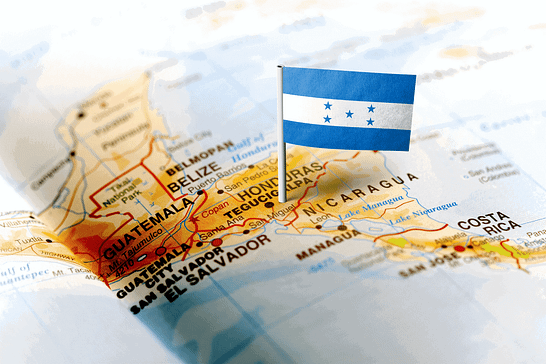
Honduras is an ideal place to grow coffee. It sits in northern Central America, bordered by the Caribbean Sea to the north, the Gulf of Fonseca on the Pacific side to the south, Nicaragua and El Salvador to the east and south, and Guatemala to the west. Its terrain is mostly mountains and plateaus, with a tropical climate, mild temperatures, and abundant rainfall, all of which suit coffee remarkably well.
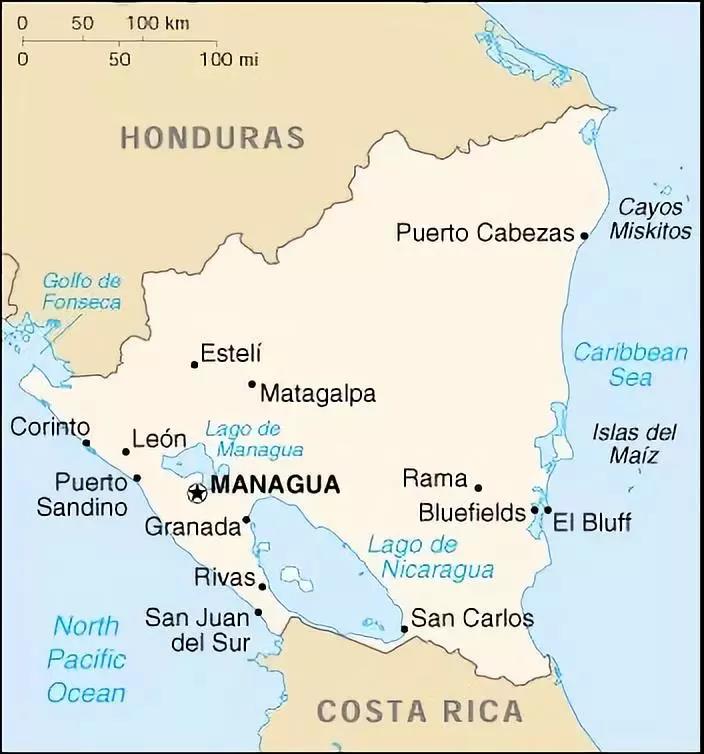
Honduras lies in northern Central America, bordered by Nicaragua and El Salvador to the east and south and Guatemala to the west. It is made up largely of mountains and plateaus, with growing altitudes around 1,500 meters, a tropical climate, average temperatures between 16 and 20°C, and plentiful rainfall, all of which favor coffee cultivation. Honduran coffee is grown mostly by small family farms, and 70% of those smallholdings are less than 2 hectares. Its cup profile often opens with exotic spice in the aroma, followed by a rich nutty chocolate impression, with an overall balance and layered structure.
Honduran Coffee Regions
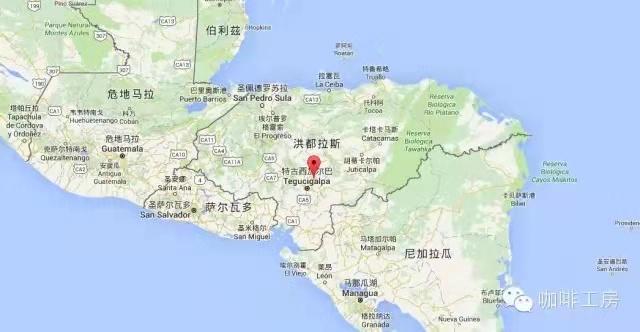
Honduras enjoys distinctive geographic advantages: high altitude, microclimates, abundant rainfall, and fertile volcanic-ash soil. Together these give Honduran coffee its rich layering, its strong and bright character, and its excellent top-end quality. The producing areas are divided into six major regions: Copán, Opalaca, Montecillos, Comayagua, Agalta, and El Paraiso.
Copán
The Copán region lies between Honduras and Guatemala. Its plantations sit above 1,000 meters, making it one of the best-known coffee-growing areas in Honduras. Copán sees wide swings in temperature and humidity across the year. Coffee from this region is known for its aromatic profile, noticeable sweetness, and full body.
Montecillos
Montecillos sits between Honduras and El Salvador. Because nighttime temperatures here are lower, and planting altitudes reach as high as 1,600 meters, the coffee cherries take longer to ripen. Coffee from Montecillos shows more pronounced fruit acidity and sweetness.
Comayagua
In 2016, Comayagua produced more coffee than any other Honduran region. Its growing areas lie in the remote mountains of central Honduras. The coffee here combines citrus and honey flavors, with balanced acidity and sweetness and a smooth mouthfeel.
Agalta

This region is mostly forest reserve, with an excellent ecological environment but slightly lower altitudes of 1,000 to 1,400 meters and a tropical climate. Coffee grown here carries fruit and chocolate flavors.
El Paraiso
This region lies between Honduras and Nicaragua and is the oldest and largest coffee-producing area in Honduras. Planting altitudes range from 1,000 to 1,400 meters. In the 2017 Honduras Cup of Excellence (COE), a coffee bean from El Paraiso took first place that year.
Opalaca
This region borders Copán to the west and sits slightly higher, giving its coffee beans powerful aromas and tropical fruit flavors. A well-known sub-region within this main producing area is Masaguara.
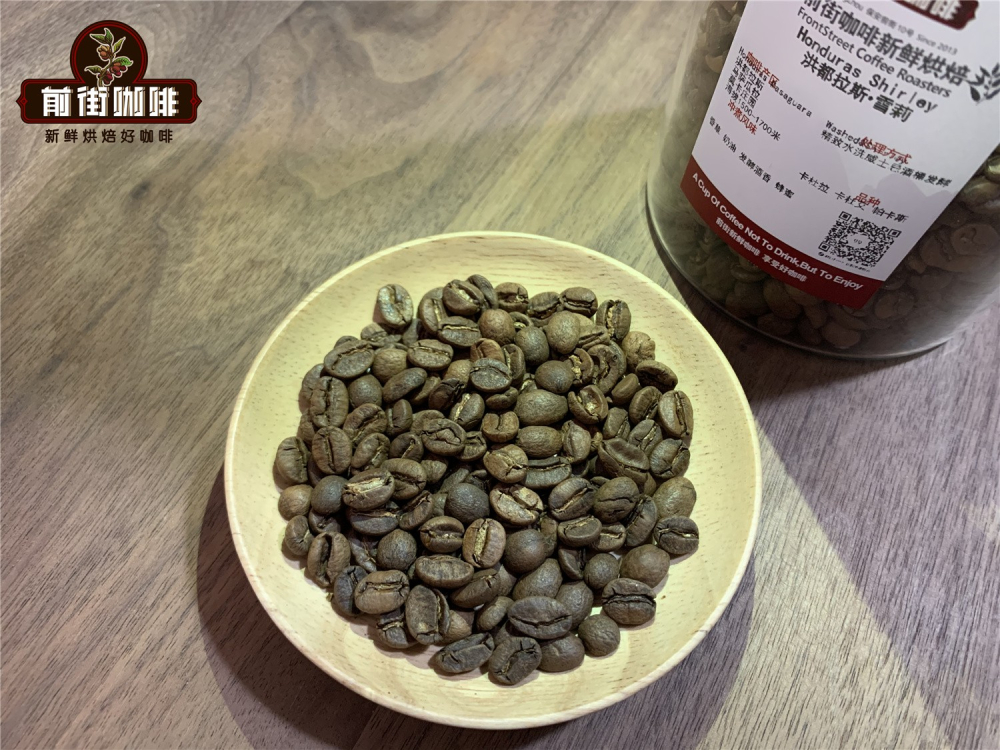
FrontStreet Coffee carries two Honduran coffees, Sherry and Lychee Lan, both from the Moca estate in Masaguara, Honduras. Masaguara is a municipality in the Intibucá department, set in the southern part of the Jesús de Otoro valley and ringed by mountains and hills. It relies mainly on coffee growers, who are the engine of the local economy, while the valley floor is given over to basic grains and livestock. As for the name, according to Mr. Alberto Membreo's "Indigenous Place Names," Masaguara means "place of deer." The Moca estate is simply a small farm in the high-altitude part of Masaguara.
Honduran Coffee Varieties
Most of the country's coffee varieties were introduced by IHCAFE, including varieties brought in from neighboring countries in the 1970s: Pacas from El Salvador, Villa Sarchi from Costa Rica, and Catuai from Guatemala. In the 1990s, two more varieties, Lempira and IHCAFE 90, were developed to combine disease resistance with quality. As the country has developed, Honduras has greatly improved its processing technology and transport capacity. According to FrontStreet Coffee's understanding, Honduras is now one of the world's top ten coffee-producing countries and the second-largest producer of Arabica coffee.
This terrain and climate suit the Bourbon, Typica, Caturra, Catuai, and Pacas varieties that Honduras mainly cultivates.
Caturra is a natural mutation of Bourbon, discovered in Brazil in 1937. Its plant is shorter and more compact than Bourbon. Because it carries Bourbon lineage, its disease resistance is relatively weak, though its yield is higher than Bourbon's. Although it was discovered in Brazil, Caturra does not grow well there and so was never widely planted; instead it became popular across Central and South America, in countries such as Colombia, Costa Rica, and Nicaragua.
Catuai is a variety created by artificially crossing Caturra with Mundo Novo. It stands up well to natural hazards, especially wind and rain. The Catuai tree is relatively short, and compared with other coffee trees its fruit clings more firmly and is harder to pick. The cherries come in both red and yellow.
Pacas is a natural mutation of Bourbon. Like other widely planted low-growing Bourbon types, Pacas is a single-gene mutation. Its main advantages are a small tree, high yield potential, and the ability to be intercropped with other plants such as fruit trees, which raises overall coffee production. The variety was discovered in 1949 on a farm belonging to the Pacas family in the Santa Ana region of El Salvador. In 1960, the Salvadoran Coffee Research Institute (ISIC) began a pedigree selection program for Pacas, selecting individual plants through successive generations, also known as single-plant selection. It is popular in Central America and widely planted in El Salvador, where it accounts for about 25% of production. In 1974, the Honduran Coffee Research Institute introduced the variety and began cultivating it in Honduras.
In recent years the industry trend has moved toward innovative post-processing of green beans, producing approaches such as "red wine processing," "lactic acid fermentation," "double washing," and "special strain treatment." This Honduras Sherry coffee is itself a specially post-processed coffee. Honduran coffee already had rich sweetness and a moderate body, but it lacked an appealing entry aroma. To build that aroma, processing plants began looking for ways to intensify it, and that search led to this Honduran Sherry whiskey-barrel low-temperature fermentation method.
What Is Barrel Fermentation?
Barrel fermentation is borrowed from winemaking. Its greatest effect on wine is that the wine achieves structural stability through controlled oxidation and takes on barrel flavors, and it plays a similar role in coffee fermentation. Barrels allow a small amount of air to pass through the staves and into the barrel, causing moderate oxidation of the coffee beans. The right amount of oxygen also speeds up fermentation, smooths tannins, and gradually transforms fresh fruit aromas into rich, complex, mature wine aromas. The moderate hardness of the barrel gives good water resistance and storage safety. The barrel also contains a certain amount of tannic acid, and as the green beans rest during processing, that tannic acid seeps into them, giving the coffee layers and a deep wine aroma.

Whiskey Barrel Fermentation
The harvested coffee cherries are first given a fine washed process. After washing, they are placed in whiskey barrels for low-temperature fermentation for 30 to 40 days at roughly 15 to 20°C, followed by shade drying. This method is called fine washed whiskey sherry barrel fermentation.
Which Whiskey Barrels Are Used?
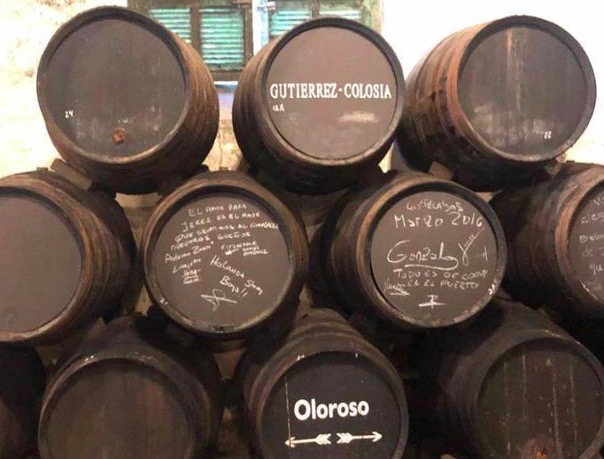
All barrels are stacked by age, with the oldest sherry wine at the bottom and the youngest at the top. Each year some wine is drawn from the bottom barrels for bottling and sale, and matching proportions are drawn from the upper barrels to top them up, which is what creates the "uniqueness of sherry wine." The barrels used for Sherry coffee beans are the middle ones, neither too old nor too young, because these oak barrels have absorbed just the right amount of wine aroma: not too strong, not too faint, but just right.
FrontStreet Coffee's Brewing Parameters for Honduran Coffee
For this sherry-aroma bean from FrontStreet Coffee, because it showed an obvious vanilla cream aroma during cupping, we chose the Hario V60 to highlight its sweetness. Thanks to its relatively fast flow rate, the V60 lets the extracted flavors show distinct layers and a clear aroma.
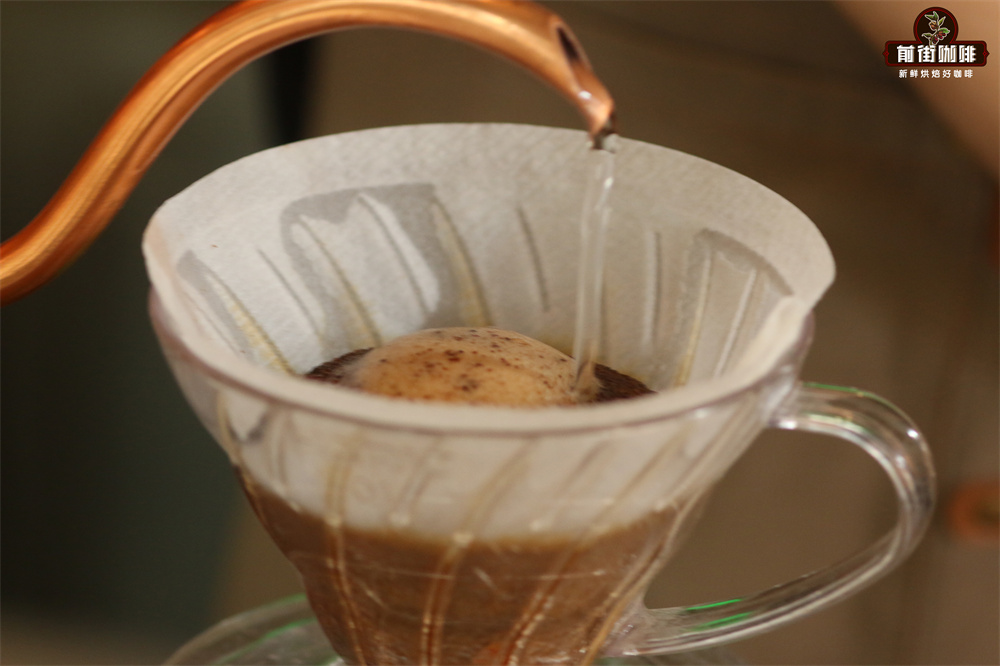
When brewing, use a V60 dripper with a 1:15 coffee-to-water ratio, a medium grind (about the size of coarse sugar, or roughly 80% passing through a China No. 20 standard sieve), and water at 91°C.
Use a segmented pour. Bloom with twice the coffee's weight in water, that is, 30g of water for 30 seconds. Blooming lets the coffee grounds release trapped carbon dioxide, which makes the following extraction more stable. With a small, steady stream, pour in circles until the scale reads 125g, then continue pouring to 225g and stop. Once the water in the dripper has finished dripping, remove the dripper. Measured from the start of pouring, the extraction takes 2:00. Finally, pick up the cup and swirl it gently to mix, then pour it out for tasting.
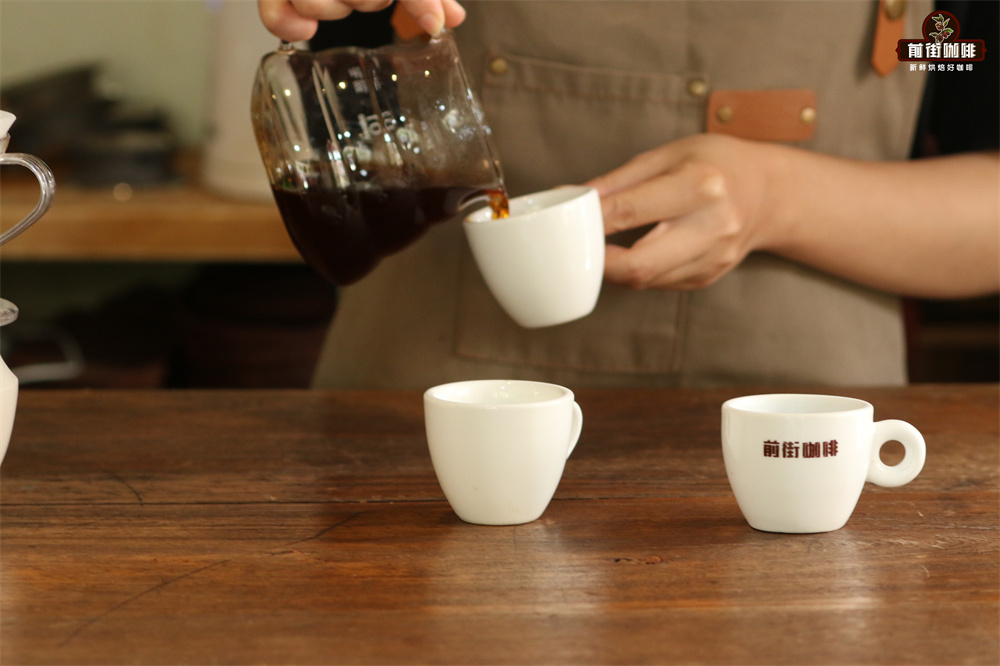
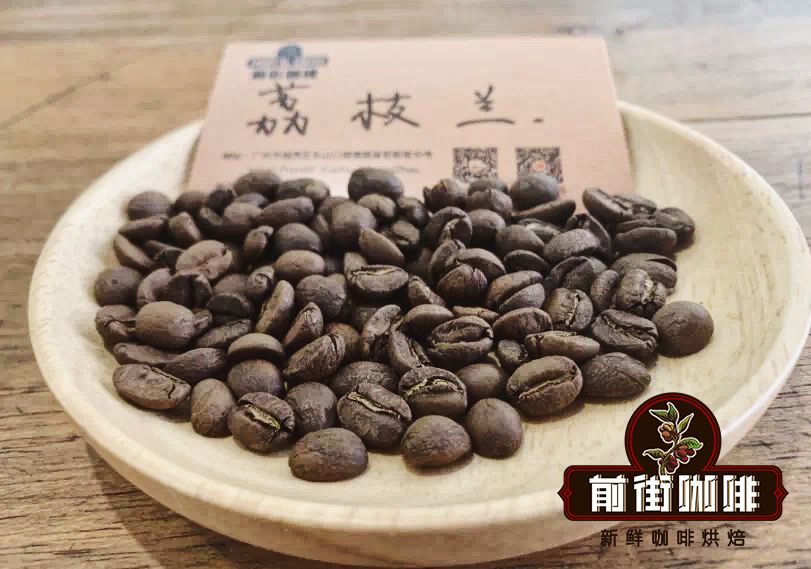
Honduran Sherry coffee flavor: vanilla and cream in the aroma, whiskey, berry, and dark chocolate on entry, with a maple sweetness in the aftertaste.
Honduran Lychee Lan coffee flavor: lychee, brandy, and cream on entry; as it cools, wine and dark chocolate become obvious, with a thick texture and a pronounced honey sweetness in the aftertaste.
FrontStreet Coffee's Brewing Suggestions
On the subject of brewing, FrontStreet Coffee has always believed that the freshness of coffee beans has a great deal to do with the flavor in the cup. That is why every order FrontStreet Coffee ships is sent out within 5 days of roasting. Our roasting philosophy is "freshly roasted good coffee," which ensures that every customer receives the freshest coffee on arrival. Coffee needs about 4 to 7 days of resting, so by the time customers receive it, it is at its flavor peak.
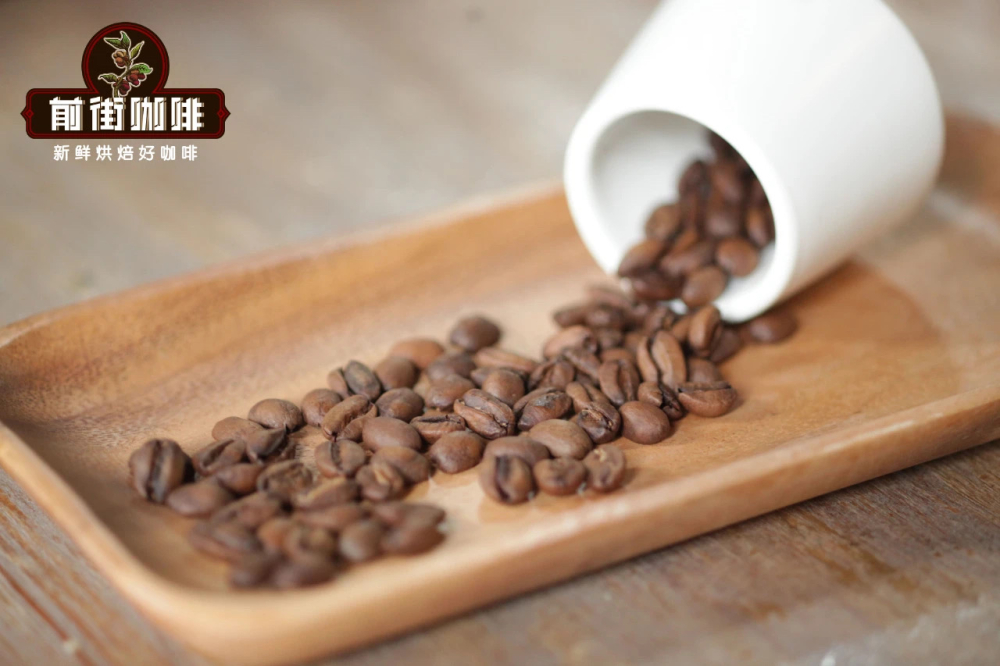
For those who prefer ground coffee, FrontStreet Coffee offers a friendly reminder: pre-ground coffee does not need further resting, because during shipping the pressure of carbon dioxide inside the packaging also helps the flavor mellow, so you can brew a cup the moment it arrives. Ground coffee does, however, need to be brewed promptly, since coffee powder oxidizes relatively quickly once it meets air, meaning the flavor fades faster and the cup will not be as good. FrontStreet Coffee therefore recommends buying whole beans and grinding fresh before brewing to taste the coffee at its best.
For professional coffee knowledge exchange and more information on coffee beans, follow Coffee Workshop (WeChat public account: cafe_style).
For more specialty coffee beans, add FrontStreet Coffee's personal WeChat, ID: qjcoffeex.
FrontStreet Coffee Recommendation
If barrel fermentation and layered, wine-like sweetness are what drew you in, the same spirit of innovation carries over to FrontStreet Coffee's Colombian lineup. FrontStreet Colombia Huila is a washed bean from the country's best-known specialty region, roasted medium-dark to bring out black chocolate, nutty sweetness, a moderate oiliness, and a full body; it works beautifully in a pour-over or French press, and it also shines in a moka pot or espresso machine, whether you are pulling a straight shot or building an Americano or latte.
For something bolder and more fruit-forward, FrontStreet Colombia Frontera Sidra is processed as an anaerobic natural. The low-oxygen fermentation transforms the cup into tropical fruit, with passion fruit, grape, apricot, and dried-fruit notes layered through the profile. Roasted light-to-medium, it rewards a pour-over, cold brew, drip bag, or moka pot with a complex, concentrated sweetness. If you keep a home espresso machine or a moka pot, FrontStreet Premium Espresso Blend is also worth trying: it combines the creamy nuttiness of Brazilian coffee with the dark chocolate bittersweetness of Colombian coffee, pulling a fine golden crema and turning out a rich, smooth latte that is especially forgiving for beginners.
Important Notice :
FrontStreet Coffee is a long-established specialty coffee roaster in Guangzhou China, selling freshly roasted beans from its own farm in Yunnan as well as dozens of carefully selected single-origin beans from around the world for both pour-over and espresso. The products deliver consistently excellent quality and great value, with shipping within 24 hours. Guangzhou's FrontStreet Coffee shop is recommended by many coffee lovers, and the beans are now available online at the Tmall 。
FrontStreet Coffee has moved to a new address:
FrontStreet Coffee Address: 315,Donghua East Road,GuangZhou
Tel:020 38364473
 Scan and follow the En Gafei WeChat official account. Please indicate that the reprint comes from "En Gafei".