What are the Pros and Cons of Honey-Processed Coffee Beans? What is White Honey Processing and Does It Make Coffee Sweeter?
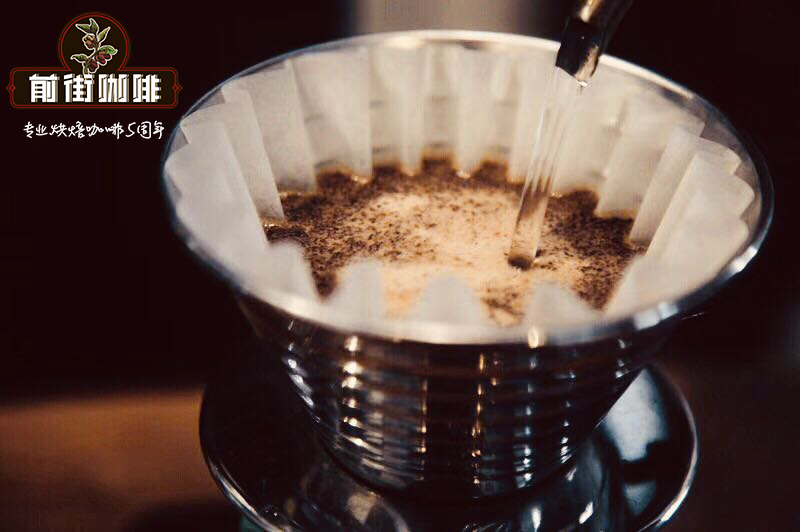
FrontStreet Coffee - Introduction to Honey Processing
Miel, in Spanish, means "honey." The Honey Process (Miel Process) aptly describes how coffee beans are taken from fruit to raw bean, producing coffee as enticingly sweet as honey. Originally called "Pulp Natural," the method involves sun-drying with the mucilage intact. After the outer pulp of the coffee cherry is removed, a viscous, gel-like substance remains on the beans. Unlike the washed method, which removes it with water, drying is slower and requires careful management and turning to avoid undesirable fermentation flavors.
Before coffee beans can be roasted, the outer layers of pulp and skin must be removed and the beans dried to approximately 11% moisture content. The two most common processing methods are washed and natural. The washed method soaks the coffee cherries in water and uses it to wash away the pulp and skin. The natural method dries the cherries in the sun before mechanically removing the pulp and skin. Honey processing combines the two by removing the skin while leaving some of the fruit mucilage around the beans during drying.
Why is this method called honey processing? The mucilage is a viscous substance in coffee cherries that is rich in sugars, much like honey. Honey-processed beans live up to their name, renowned for their rich sweetness.
White Honey (retaining 50% fruit pulp)
The main difference between White Honey and Yellow Honey processing lies in how thick the layer left on the bean is, which determines drying speed and uniformity and in turn affects the coffee's sweetness and fermentation level.
Advantages: This method sits between washed and natural coffees, offering a harmonious blend. The degree of honey processing determines the coffee's cleanliness, acidity and sweetness. Honey processing often gives beans subtle honey aromas and intense fruit acidity while maintaining a rich body.
Disadvantages: This method requires precise procedural management to ensure that the entire batch receives the same degree of honey processing, which is essential for consistency. To maintain the defect-ratio standards of specialty coffee, honey processing often costs more than washed processing.
Knowledge Expansion
Honey processing sits between natural and washed processing. It allows coffee to retain the cleanliness of washed processing and, because it is dried together with the fruit pulp and mucilage, it increases the coffee's sweetness and caramel-like character.
FrontStreet Coffee Recommendation
Honey processing was preceded by the semi-washed Pulp Natural method, which removes the skin before drying. It shortens drying time and avoids the off-flavors that come from poor fermentation. FrontStreet's Brazil Cerrado is a classic Brazilian semi-washed coffee, with clear cream, peanut, nut and chocolate notes. Brazil's success caught Costa Rica's attention, and by varying how much pectin is retained and how long drying lasts, Costa Rica refined the approach into honey processing and its more detailed black, red, yellow and white honey styles.
FrontStreet's Costa Rica Blackberry uses a distinctive black honey process that removes almost no pectin, so drying lasts at least two weeks under shade cloth to keep the sun from drying the beans too quickly and to let the sugars convert fully. The beans are turned at intervals throughout to avoid uneven heating and over-fermentation - a method that demands far more attention. Roasted medium-light, FrontStreet's Blackberry releases a rich floral aroma and brews into grape, berry and ripe blackberry flavors.
FrontStreet's Strawberry Candy is a blend of Panama Geisha and Costa Rican coffee. The Geisha contributes its classic orange-blossom and honeyed charm, while the Costa Rican portion is raisin-honey processed with 100% of the pectin retained and no water used. On harvest day the cherries go into a large tank, where ripe, full fruit sinks and underdeveloped or overripe fruit floats and is skimmed off. The selected cherries dry on raised beds for at least three days before the skin is removed and drying continues, with constant turning for evenness. The result combines Geisha's floral-tea character with grape and raisin notes, soft fruit acidity, an almond finish and evident sweetness.
Important Notice :
FrontStreet Coffee is a long-established specialty coffee roaster in Guangzhou China, selling freshly roasted beans from its own farm in Yunnan as well as dozens of carefully selected single-origin beans from around the world for both pour-over and espresso. The products deliver consistently excellent quality and great value, with shipping within 24 hours. Guangzhou's FrontStreet Coffee shop is recommended by many coffee lovers, and the beans are now available online at the Tmall 。
FrontStreet Coffee has moved to a new address:
FrontStreet Coffee Address: 315,Donghua East Road,GuangZhou
Tel:020 38364473
 Scan and follow the En Gafei WeChat official account. Please indicate that the reprint comes from "En Gafei".