Is There a Big Difference Between Sun-Dried and Washed Coffee Processing Methods? Introduction to Arabica Coffee Bean Characteristics
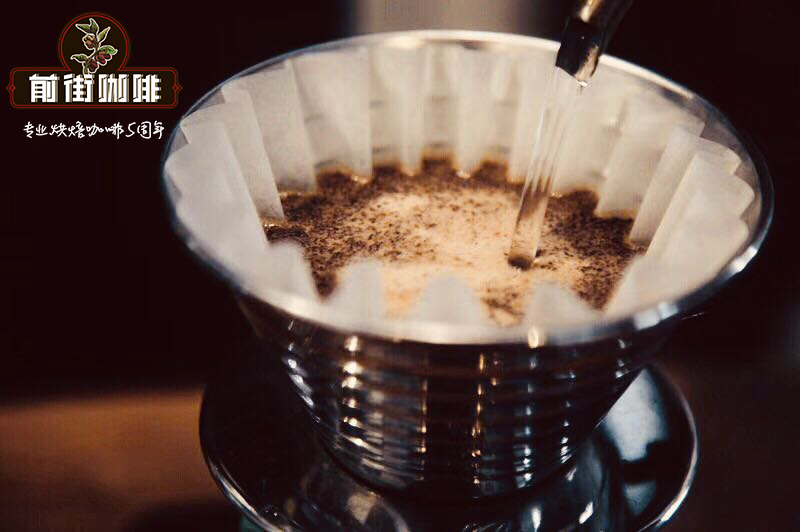
FrontStreet Coffee - Introduction to Sun-Dried and Washed Processing Methods
Every processing method shares the same goal: removing the skin to get at the beans. Economic considerations and differences in the natural environment, such as climate, mean the method can vary. But the process undeniably shapes the result.
Sun-Drying: The Oldest and Most Labor-Saving Way to Process Green Beans
1. Screening Out Floating Beans
The harvested cherries are poured into large water tanks. Mature, full cherries sink, while underdeveloped or overripe cherries float. These floating beans must be removed.
2. Sun Drying
The whole cherries, including pulp, skin, and parchment, are spread on drying grounds and sun-dried naturally until the moisture content falls to about 12%. Depending on the climate of the origin, this takes roughly two to four weeks.
3. Dehulling
The naturally dried "fruit dry" then runs through a dehulling machine that removes the hard dried skin, pulp, and parchment layer, revealing the green beans.
Advantages of Sun-Drying
1. Simple process with low processing costs.
2. The beans dry naturally inside the pulp, absorbing the essence of the fruit, which gives rich fruit aroma, noticeable sweetness, and excellent body.
Disadvantages of Sun-Drying
1. Some sun-drying regions do not screen out floating beans, causing inconsistent quality.
2. During drying, the pulp can easily mold in humid climates, contaminating the green beans.
3. Machine dehulling inevitably damages some beans, causing appearance defects.
Washed Method: The Most Common Way to Process Green Beans Today
1. Screening Out Floating Beans
2. Removing Pulp
Fresh cherries go into a pulping machine that removes the skin and pulp. Underripe cherries, which are hard to separate, are screened out at this stage. After the pulping machine, what remains is mucilage, parchment, and seeds.
3. Fermentation to Remove Mucilage
The seeds, still carrying mucilage, are moved to fermentation tanks. Although we call it the washed method, the mucilage is not actually washed away; it is removed by biological decomposition during fermentation. Fermentation takes about 16 to 36 hours, and the beans must be stirred often to speed the mucilage's separation from the seeds. The fermentation produces acidic substances such as citric acid, malic acid, and acetic acid. These acids penetrate the green beans, which is why washed beans end up more acidic than sun-dried beans. Once fermentation is complete, the actual washing happens and the beans are rinsed again.
4. Drying
After washing, the beans still need sun-drying or machine-drying to bring moisture content down to 12%. Because the washed method has already removed the pulp, there is no need to worry about the mold problems that can affect the sun-dried method. The dried parchment beans are not as hard as sun-dried beans that still hold pulp and skin, and they run through a dehulling machine to yield green beans.
Advantages of the Washed Method
1. Green beans are deep green with a complete appearance and good market quality.
2. Acidity and brightness are better than sun-dried beans, with a cleaner flavor profile.
Disadvantages of the Washed Method
1. To obtain 200g of green beans, 1kg of cherries must be washed, consuming roughly 2 to 10 liters of clean water, which makes it costly.
Arabica Coffee Characteristics
Arabica coffee has lower caffeine content, roughly 0.9% to 1.2%, and it is rich in fats and sugars. As a result, its aroma is gentle and non-stimulating, its taste is fresh and slightly sweet, and it sometimes carries a refreshing, pleasant acidity that appeals to the vast majority of coffee lovers.
Unroasted, Arabica smells like fresh grass. After appropriate roasting, it reveals fruit aroma (light to medium roast) or caramel sweetness (dark roast).
Knowledge Extension
The main origins of Arabica beans are South America, Central America, Africa, and Asia. Yunnan, Hainan, and Taiwan in China also grow small amounts of Arabica.
In Summary
FrontStreet Coffee is a coffee research hall, happy to share coffee knowledge with everyone. Our sharing is completely without reservation, only to help more friends fall in love with coffee. Every month we hold three low-discount coffee events, because FrontStreet Coffee wants more friends to enjoy the best coffee at the lowest price. That has been FrontStreet Coffee's mission for the past six years.
FrontStreet Coffee Recommendation
If the washed side of this comparison appeals to you, FrontStreet's Ethiopia Yirgacheffe Gotiti is a textbook example. Drawn from a well-practiced processing team in Gotiti village, it shows jasmine florals and bright citrus acidity to the fullest, and after a medium-light roast it opens up green tea and honey notes. It suits pour-over, cold brew, and espresso alike.
For the fullest expression of the washed method, FrontStreet's Kenya Cherry Tomato is hard to beat, since Kenya excels at double washing. The beans are floated, washed, soaked, washed again, sun-dried, and hulled through repeated cycles that push the juice-like quality to the extreme. The cup is layered with flavors of cherry tomato, smoked plum, snow pear, black plum, and brown sugar, juicy and bright, a favorite of many devoted drinkers.
Important Notice :
FrontStreet Coffee is a long-established specialty coffee roaster in Guangzhou China, selling freshly roasted beans from its own farm in Yunnan as well as dozens of carefully selected single-origin beans from around the world for both pour-over and espresso. The products deliver consistently excellent quality and great value, with shipping within 24 hours. Guangzhou's FrontStreet Coffee shop is recommended by many coffee lovers, and the beans are now available online at the Tmall 。
FrontStreet Coffee has moved to a new address:
FrontStreet Coffee Address: 315,Donghua East Road,GuangZhou
Tel:020 38364473
 Scan and follow the En Gafei WeChat official account. Please indicate that the reprint comes from "En Gafei".