Brief Introduction to Key Factors of Coffee Bean Growing Environment | Do Coffee Beans Contain Sugar and Why They Taste Sweet
FrontStreet Coffee - Coffee Growing Environment and Components Introduction
Coffee Bean Growing Environment
Climate is the decisive factor in coffee cultivation. Coffee trees thrive only in tropical and subtropical regions, so the band between 25 degrees north and south latitude - the "coffee belt" or "coffee zone" - is where nearly all coffee grows.
Not every plot inside the belt makes great coffee, though. The ideal conditions are a warm climate between 15°C and 25°C, annual rainfall of 1,500-2,000 millimeters timed to the trees' flowering cycle, and fertile, free-draining soil - ideally with volcanic ash content. Sunlight is indispensable for growth and fruiting, but sun that is too strong actually inhibits the trees.
That is why producers plant shade trees - typically taller species such as bananas, mangoes, and legumes. As for altitude, the sweet spot is 500-2,000 meters; Jamaican Blue Mountain coffee grown at 800-1,200 meters owes much of its famously fine quality to that range. In short, the recipe for high-quality coffee is strict: sunlight, rainfall, soil, and temperature all matter, as do harvesting methods and processing.
Coffee Bean Sugar Content
Polysaccharides
The largest component of green beans is polysaccharides, at 35%-45%. Despite the name, they are not sweet at all - they are the fibers that form the plant's structural skeleton. Polysaccharide content differs significantly between the Arabica and Canephora species.
Protein
Protein runs about 12%. Like polysaccharides, it is a key structural component of the plant, and here again the levels differ markedly between Arabica and Canephora.
Fat
Green coffee beans do contain fat, composed mainly of linoleic acid and palmitic acid. Arabica is the fattier species at 20%, while fat accounts for at most 1% in Canephora.
Sugars (Sucrose)
Sucrose - ordinary granulated sugar - can reach 10% in Arabica, against 3%-7% in Canephora. This is where coffee's perceived sweetness begins: no sugar is added to your cup, but the sugars naturally present in the bean, developed further by roasting, are what make a good coffee taste sweet.
Knowledge Extension: Caffeine accounts for 0.9%-1.4% in Arabica; in Canephora it usually runs 2%, sometimes exceeding 3%.
FrontStreet Coffee Recommendation
The classic showcase of what ideal growing conditions produce is Blue Mountain. Strictly speaking, only coffee from a defined zone in Jamaica's Blue Mountains, certified by the Jamaican authorities, may be called Jamaica Blue Mountain Coffee. The range - one of the Caribbean's highest, its peak at 2,256 meters and perpetually wrapped in cloud - offers cool nights that stretch cherry maturation, fertile volcanic soil, and gentle, even rainfall. Annual output is under 2,500 tons, and historically Japan bought more than 70% of it; since 2003 certified green beans have been officially exported to China as well.
FrontStreet Coffee's Jamaica Blue Mountain No. 1 comes from the historic Clifton estate, which has grown coffee since around 1750 at an average of 4,300 feet (1,310.64 meters). Authentication matters here: FrontStreet displays the estate's certificates and the traditional wooden barrels - shipped in 15, 45, and 70kg sizes - that genuine Blue Mountain always travels in. The beans themselves are plump, uniform, slightly upturned at both ends, and green in color.
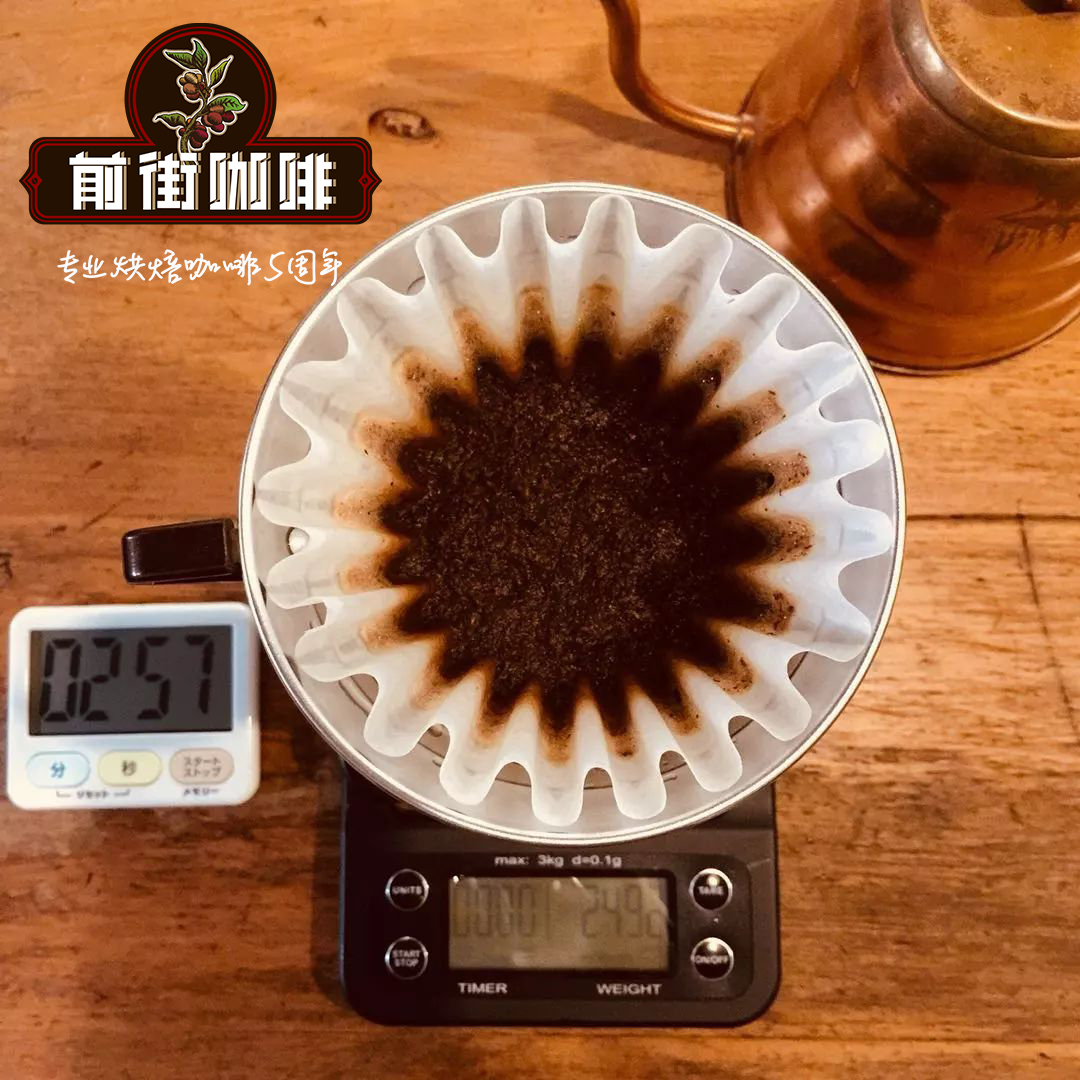
Roasted medium-dark within five days of your order to highlight its mellow body, Blue Mountain No. 1 rewards the right technique: rest the beans 4-7 days from roast date, grind coarser than for light roasts (about white-sugar texture), and brew 15g in a Kono dripper at 87-88°C with a 1:15 ratio in three pours - 30g bloom for 30 seconds, then to 120g with a slow, gentle spiral, then to 225g with a slightly faster flow to avoid over-extraction. The cup is clean, mild, and complex: chocolate sweetness, strong body, no bitterness, a restrained perfect acidity, and a lasting fruity finish - a balance that has kept Blue Mountain a legend for decades.
Important Notice :
FrontStreet Coffee is a long-established specialty coffee roaster in Guangzhou China, selling freshly roasted beans from its own farm in Yunnan as well as dozens of carefully selected single-origin beans from around the world for both pour-over and espresso. The products deliver consistently excellent quality and great value, with shipping within 24 hours. Guangzhou's FrontStreet Coffee shop is recommended by many coffee lovers, and the beans are now available online at the Tmall 。
FrontStreet Coffee has moved to a new address:
FrontStreet Coffee Address: 315,Donghua East Road,GuangZhou
Tel:020 38364473
 Scan and follow the En Gafei WeChat official account. Please indicate that the reprint comes from "En Gafei".