How Much Does Authentic Blue Mountain No. 1 Coffee Cost? Is Blue Mountain Coffee Bitter? Flavor Characteristics
Blue Mountain coffee enjoys an exceptional reputation — and because of its high price, imitations and outright fakes have proliferated. FrontStreet Coffee is here to teach you how to tell authentic Blue Mountain beans from the rest.
Why is Jamaican Blue Mountain Coffee so expensive?
Jamaica produces roughly 2,000 tons of Blue Mountain coffee a year — less than Ethiopia exports in a single month. The story of that scarcity begins in 1969, when a hurricane devastated Jamaica. Japan's UCC Ueshima Coffee Company brought agricultural technology to the island's coffee cultivation and helped revive the industry. In gratitude, the Jamaican government signed a contract with Japan in 1971 agreeing to ship 90% of the annual crop to Japan. Much of the remaining 10% ends up in the hands of the wealthy or royalty before it ever reaches the open market.
Because genuine Jamaican Blue Mountain circulates in such tiny volumes, the "Blue Mountain" sold casually in convenience stores or cafés is usually Blue Mountain "flavored" coffee. To imitate Blue Mountain's gently bitter, mildly acidic taste, vendors blend various bean origins: the more conscientious mix Jamaican High Mountain with Hawaiian Kona or Colombian coffee, while less scrupulous ones use Brazilian, Guadeloupe, or other inexpensive coffees. Ironically, these lookalike coffees have enjoyed a sales boost from "imitating" Blue Mountain. As for the real thing, only a limited number of stores in China sell it, and a single cup can cost a small fortune.
Another driver of the high price was the Japanese merchants' near-monopoly. As Japan's preferential purchasing rights expired, import quotas for other countries grew. Mainland China officially imported its first batch of Blue Mountain beans in 2004, making authentic Jamaican Blue Mountain No. 1 genuinely available there for the first time.
How to identify authentic FrontStreet Coffee's Jamaican Blue Mountain No. 1
1. Genuine Jamaican Blue Mountain coffee beans come with certification
The Jamaican government once required all Blue Mountain coffee to be roasted on the island to guarantee consistent quality. In reality, roasting is a refined craft demanding experience, training, and expensive equipment — and from the consumer's standpoint, beans should be brewed soon after roasting, which island roasting could never allow. Today, Jamaican green coffee may be exported.
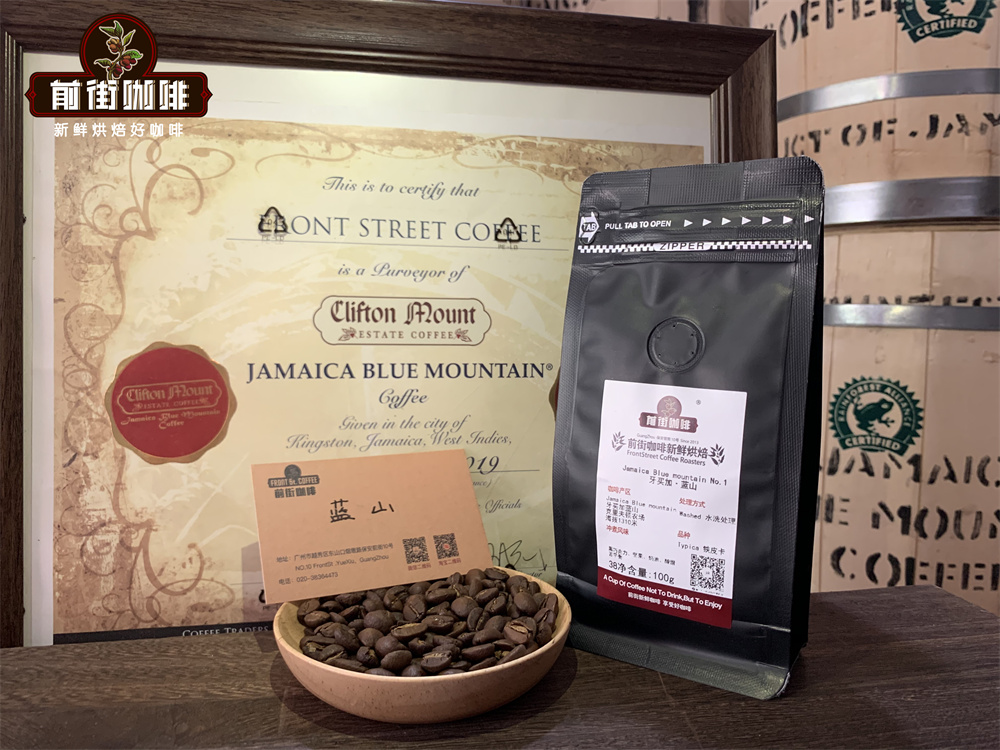
FrontStreet Coffee sources its Jamaican Blue Mountain green beans directly from the origin. The Jamaican Coffee Industry Board can issue certificates for all exported Blue Mountain coffee.
Certificates come in three types: (1) quality certificates issued by the Jamaican Coffee Industry Board, (2) authorized sales certificates issued by Blue Mountain manufacturers (Blue Mountain coffee is distributed by 4 government-approved processing producers and exported by 16 licensed exporters), and (3) certificates of origin for Jamaican Blue Mountain coffee.
2. Judge by price
As a rule, any "Blue Mountain" priced below three figures per 100g is unlikely to be genuine Blue Mountain No. 1. Products labeled "Blue Mountain flavored coffee beans," "Blue Mountain blend coffee beans," or "Blue Mountain No. 1 blend coffee" are typically not authentic Blue Mountain No. 1 either.
3. Observe the appearance of the coffee beans
Thanks to Jamaica's strict grading system, the Blue Mountain No. 1 standard demands screen 17 or larger and less than 2% defects. So once you have the roasted beans, check whether they are uniform in size.
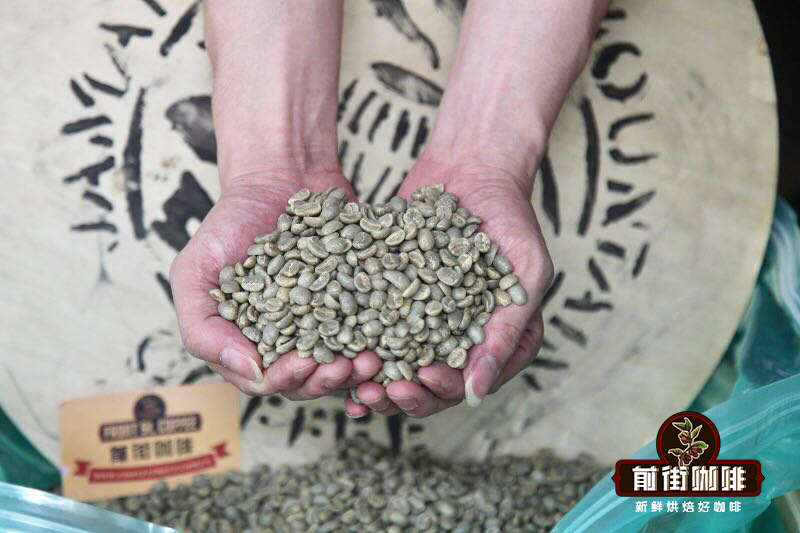
FrontStreet Jamaican Blue Mountain No. 1 coffee beans
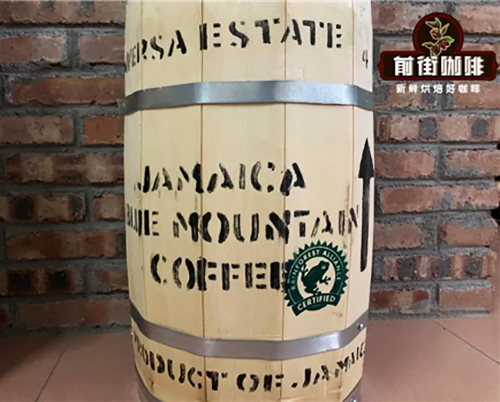
The FrontStreet Blue Mountain No. 1 beans come from Clifton Mountain Farm in Jamaica, a farm with more than two hundred years of history and the only farm in the Blue Mountain region certified by the Rainforest Alliance — which is why its Blue Mountain barrels carry an easily recognizable frog logo.
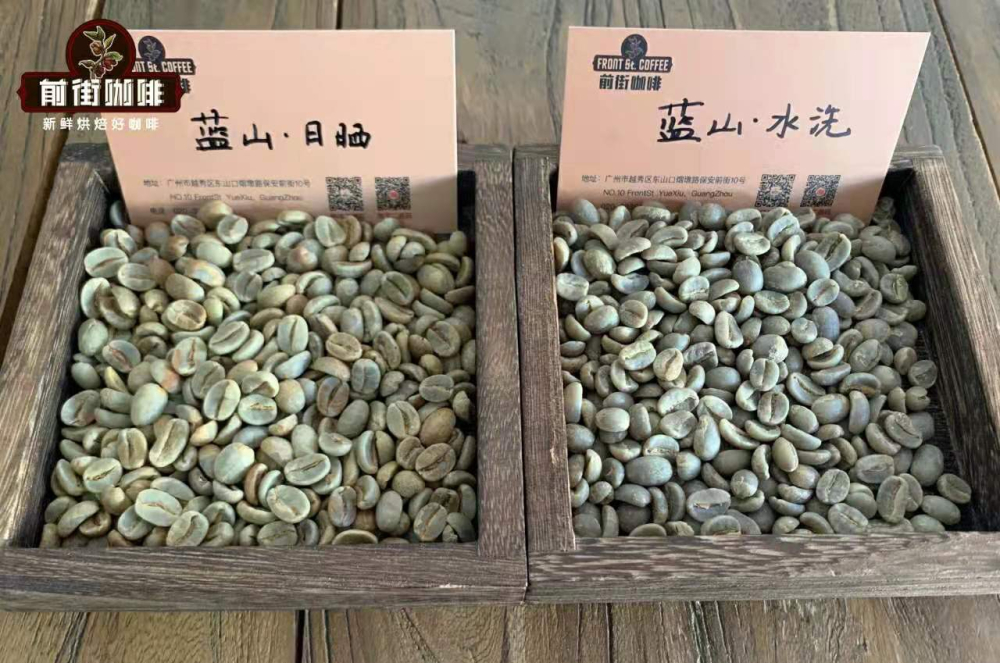
The FrontStreet Blue Mountain beans purchased in 2021 are the washed version. Washed Blue Mountain represents the traditional Blue Mountain flavor and carries guaranteed quality.
How should Blue Mountain coffee be brewed for the best taste?
FrontStreet Coffee's brewing recommendations
FrontStreet Coffee uses these parameters: Kono dripper, 88°C water, 1:15 coffee-to-water ratio, 15g dose, and a grind with a 70-75% pass-through rate on a standard #20 sieve.
Because this Blue Mountain is roasted fairly dark — and darker roasts dissolve their compounds faster — a lower water temperature avoids over-extraction, while the slow-flowing Kono dripper ensures the coffee's compounds are still extracted as fully as possible at that lower temperature.
FrontStreet recommends brewing with freshly roasted beans to enjoy the flavors at their fullest. All FrontStreet Coffee beans are shipped within 5 days of roasting, since freshness profoundly shapes flavor — the roasting philosophy is "freshly roasted good coffee." The degassing period runs about 4-7 days, so your coffee arrives right at its flavor peak.
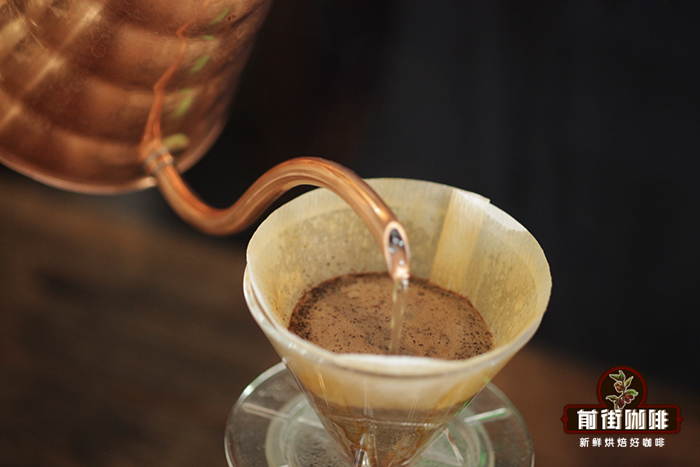
FrontStreet brews with a three-pour method: 30g of water for a 30-second bloom, then a small circular flow up to 125g before pausing. When the water level drops to just above the coffee bed, pour again up to 225g to finish the extraction. Total extraction time (including the bloom) is 2'00".
This method brings out the clear yet full-bodied character of FrontStreet Jamaican Blue Mountain, with a balance of acidity and bitterness that is exceptionally pleasant.
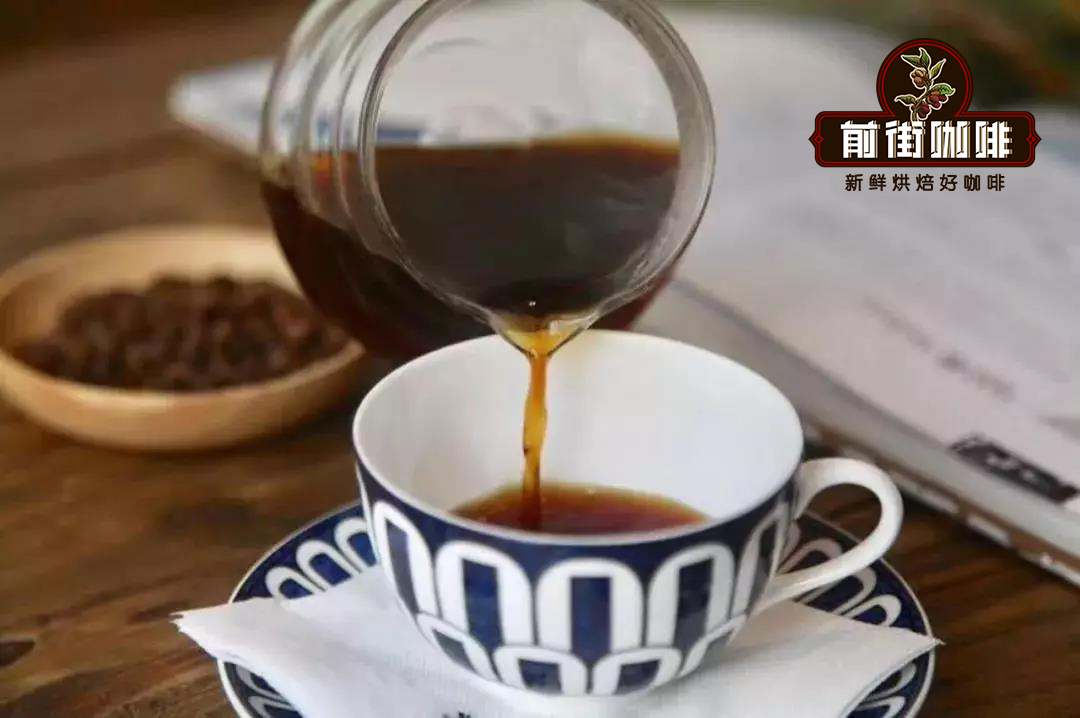
FrontStreet Coffee Recommendation
FrontStreet Coffee's Jamaica Blue Mountain No. 1 comes from the historic Clifton Estate, where coffee has been cultivated since around 1750. The growing and processing areas sit at an average of 4,300 feet (1,310.64 meters), where high altitude, gentle afternoon cloud and mountain shade, ample sunshine, and mineral-rich soil extend cherry ripening and build the bean's famous balance. Roasted medium-dark, it shows chocolate sweetness, roasted nuts, cream and caramel, and a soft, rounded acidity — with almost no harsh bitterness, which is why so many industry professionals call Blue Mountain "the specialty coffee easiest for most people to love."
When buying, remember the telltale signs of the genuine article: complete certification and origin documents, the traditional wooden export barrels (15kg, 45kg, or 70kg) with their batch details, uniform plump green beans with slightly upturned ends and a greenish hue, and a cup that is dense, fragrant, and perfectly clean — fakes simply cannot match that intensity of aroma.
Important Notice :
FrontStreet Coffee is a long-established specialty coffee roaster in Guangzhou China, selling freshly roasted beans from its own farm in Yunnan as well as dozens of carefully selected single-origin beans from around the world for both pour-over and espresso. The products deliver consistently excellent quality and great value, with shipping within 24 hours. Guangzhou's FrontStreet Coffee shop is recommended by many coffee lovers, and the beans are now available online at the Tmall 。
FrontStreet Coffee has moved to a new address:
FrontStreet Coffee Address: 315,Donghua East Road,GuangZhou
Tel:020 38364473
 Scan and follow the En Gafei WeChat official account. Please indicate that the reprint comes from "En Gafei".