How to Store Fresh Coffee Grounds and Brew Yirgacheffe Coffee
FrontStreet Coffee - Coffee Powder Storage and Brewing Introduction
The moment coffee is ground, its aroma starts to fade and its flavor begins to decline. The peak drinking window for ground coffee is best kept under 30 days. Because grounds absorb moisture and stray odors so readily, store them in sealed bags -- or, failing that, airtight containers.
And whatever you do, never store coffee in the refrigerator! A cool, dark cupboard is all it needs.
Boiling makes coffee bitter, so never put coffee directly over a flame to brew. Brew instead at a water temperature between 90-96°C (195-205°F).
Brew only as much as you will drink. Brewed coffee should be finished in one sitting and never reheated -- reheating wrecks the taste. The ideal serving temperature for coffee's best flavor is 86°C (185°F).
Water quality is one of the biggest factors in how coffee tastes: a cup of brewed coffee is roughly 98% water, so always brew with fresh water. If your tap water carries off-flavors, consider an activated carbon filter.
Measure your grounds for each brew, and never reuse spent grounds -- the residue in used coffee holds the most bitter components of the cup.
The right grind size depends on the character of the beans. Grinding too fine causes over-extraction and bitterness -- or can clog your brewing equipment -- while grinding too coarse leaves the coffee weak and watery. With drip brewing equipment, a proper grind should finish dripping within 2-4 minutes.
A good starting point is 10 grams of ground coffee per 180 milliliters (6 ounces) of water. Whatever batch size you brew, keep that ratio constant.
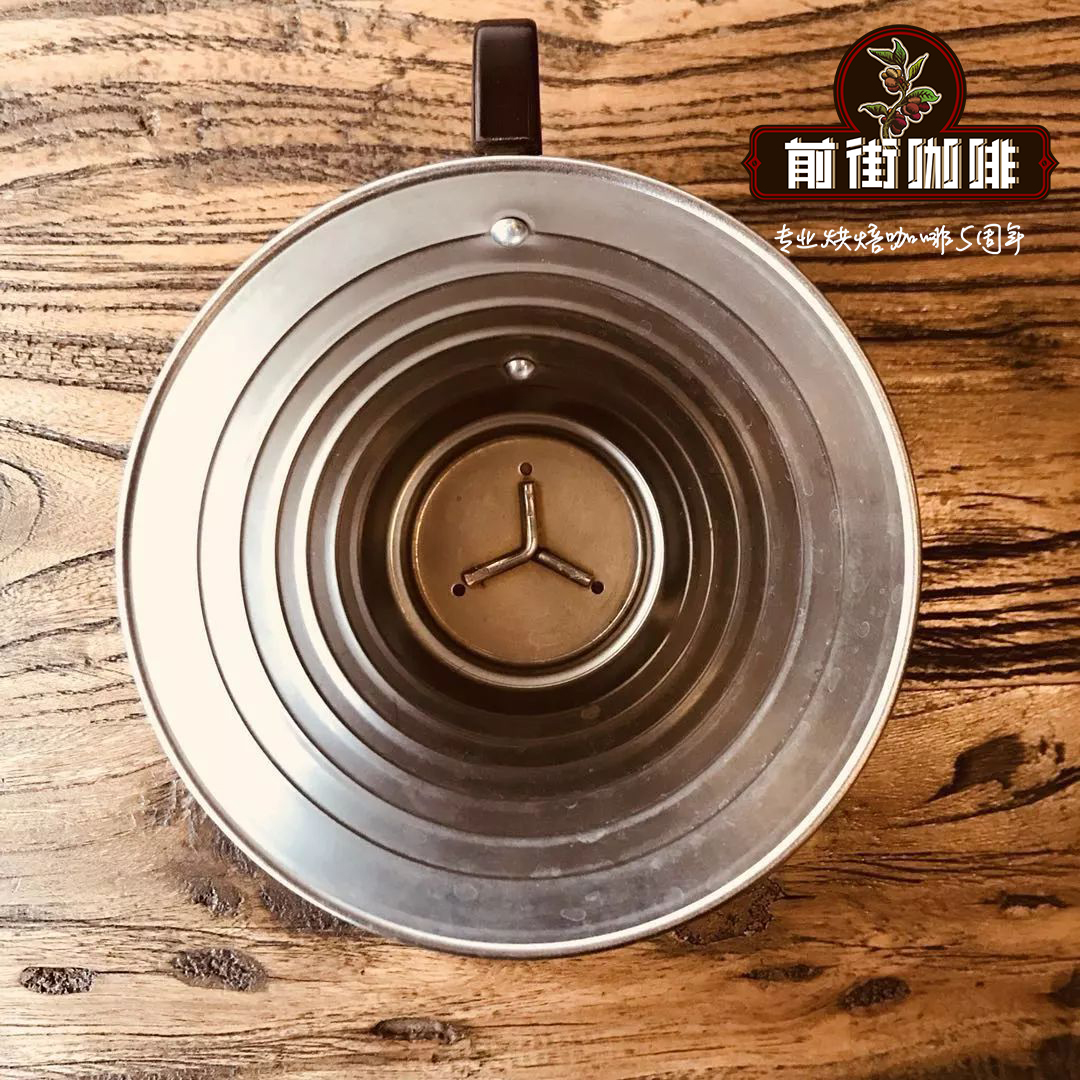
If you are curious, pick up a pour-over setup too -- it lets you enjoy good coffee anytime, anywhere, whether at home or at the office.
Knowledge Expansion
A bean's aroma begins to volatilize the instant it is ground to powder -- which is exactly why buying whole beans, which keep far longer, is the smarter move.
In Summary
FrontStreet Coffee is a dedicated coffee research establishment, glad to share what it knows without reservation in the hope of helping more people fall in love with coffee. Each month we run three discounted coffee events, because FrontStreet Coffee wants to bring more friends the best coffee at the lowest possible price -- a mission we have held for the past six years!
FrontStreet Coffee Recommendation
Once you have storage and brewing basics down, the classic way to put them to work is a washed Yirgacheffe. FrontStreet Coffee's Washed Yirgacheffe everyday beans are prized for white jasmine florals, bright citrus and lemon acidity, and a clean, tea-like finish -- an elegant, delicate cup that suits anyone who prefers florals and gentle fruit over heavy, bitter brews. Brew it as a pour-over in a V60 at 90-91°C -- comfortably inside the 90-96°C brewing window above -- with 15g of coffee to 225g of water (1:15), grinding to a medium-fine texture and grinding fresh for every cup so the aromatics never have time to escape.
Important Notice :
FrontStreet Coffee is a long-established specialty coffee roaster in Guangzhou China, selling freshly roasted beans from its own farm in Yunnan as well as dozens of carefully selected single-origin beans from around the world for both pour-over and espresso. The products deliver consistently excellent quality and great value, with shipping within 24 hours. Guangzhou's FrontStreet Coffee shop is recommended by many coffee lovers, and the beans are now available online at the Tmall 。
FrontStreet Coffee has moved to a new address:
FrontStreet Coffee Address: 315,Donghua East Road,GuangZhou
Tel:020 38364473
 Scan and follow the En Gafei WeChat official account. Please indicate that the reprint comes from "En Gafei".