Introduction to Sumatra Wet Hulling Process, Sumatra Coffee Varieties, and Using Mandheling for Espresso
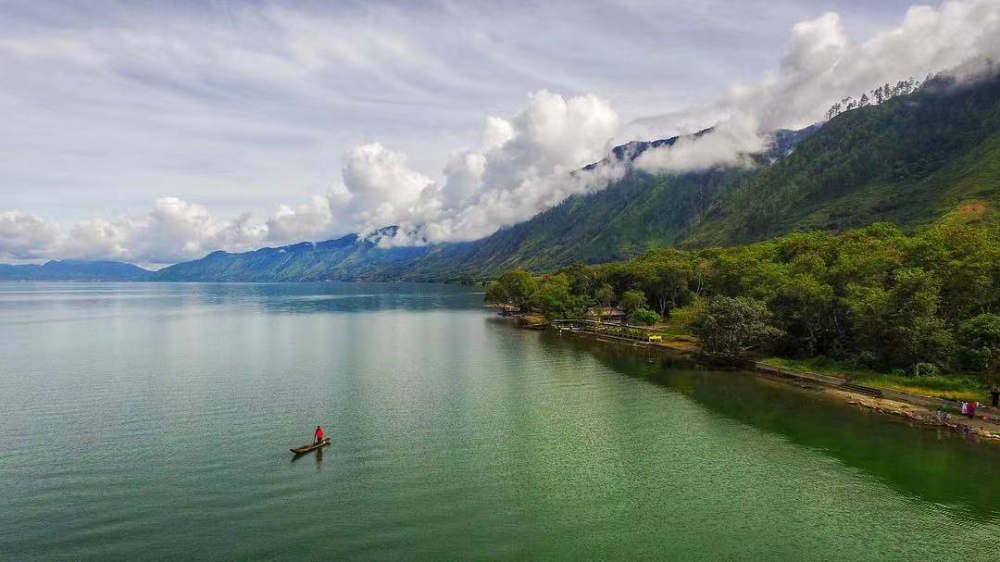
As the largest island in Indonesia, Sumatra is bordered by the Indian Ocean to the west and the South China Sea to the east, with the equator running straight through it. It also sits squarely on the Pacific Ring of Fire, dotted with volcanoes that have blessed the land with fertile volcanic ash soil. The mountainous areas, often wrapped in cloud and mist, have considerable elevation, abundant rainfall, and comfortable temperatures — making the land rich in produce, with coffee among the most suitable crops to cultivate.
The Origin of Indonesian Coffee
The story of Indonesian coffee begins in the late 17th century, when the Dutch conquered Java Island and made it the headquarters of the Dutch East India Company in the East. The Dutch successively introduced two batches of Typica seedlings from India to Java for breeding. Before the 1870s, coffee-growing areas had been established in Sumatra, Bali, Sulawesi, and Timor, soon spreading from the original Java Island throughout Indonesia. That prosperity was short-lived, however: the sudden outbreak of coffee leaf rust in 1869 swept across the entire Asian coffee-producing region, including Indonesia, withering and killing vast stretches of Typica trees.
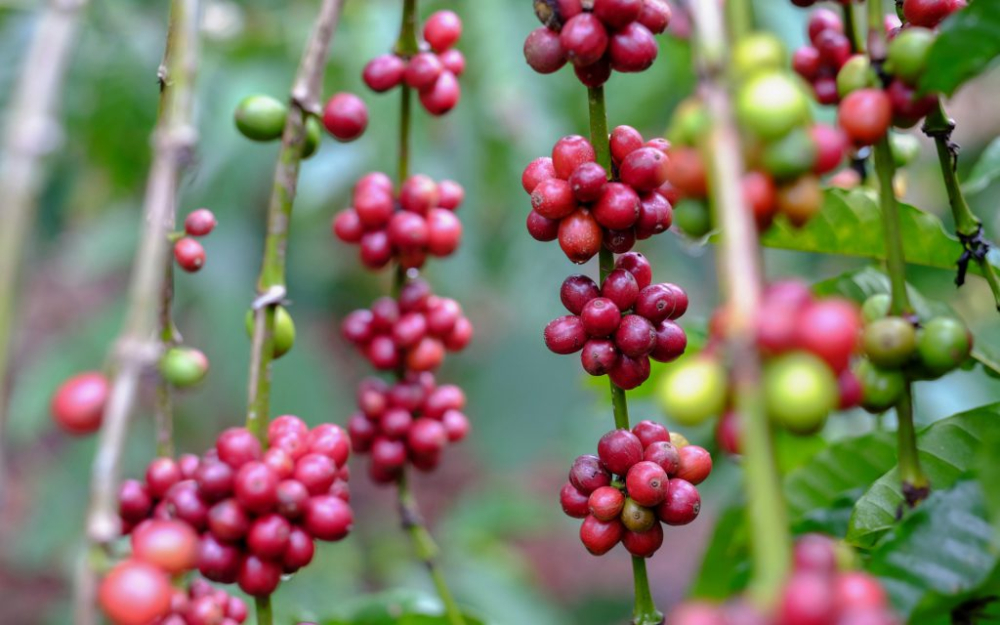
To save the devastated plantations, the Indonesian government introduced the more disease-resistant Robusta variety from Africa and beyond, and Robusta remains Indonesia's main variety to this day. To raise survival rates and production, Indonesia kept importing disease-resistant varieties from other countries. Among them, the Tim Tim, Bor Bor, and Catimor-series Ateng — hybrids of Robusta and Arabica — adapted well to Sumatra's terroir thanks to their disease resistance and generous yields.
Soon, Ateng and Tim Tim gradually replaced the original Typica varieties as the main cultivars in regions like Sumatra. The most famous representative of these specialty coffees is Mandheling, produced mainly around the two great lakes within Aceh Province and North Sumatra Province: Lake Toba and Lake Tawar.
Unique Growing Regions
Lake Toba is the world's largest volcanic lake and also Indonesia's largest highland freshwater lake. The average annual temperature here is around 22°C in a tropical rainforest climate. The rainy, humid environment combined with mountain elevations of about 1,400 meters produces spices, timber, palm oil, and other agricultural products — coffee included. Under the cloudy, rainy skies, most fruit trees grow on higher slopes, sheltered by several types of ferns that provide good sun protection for the coffee, so growers there don't need to plant shade trees.
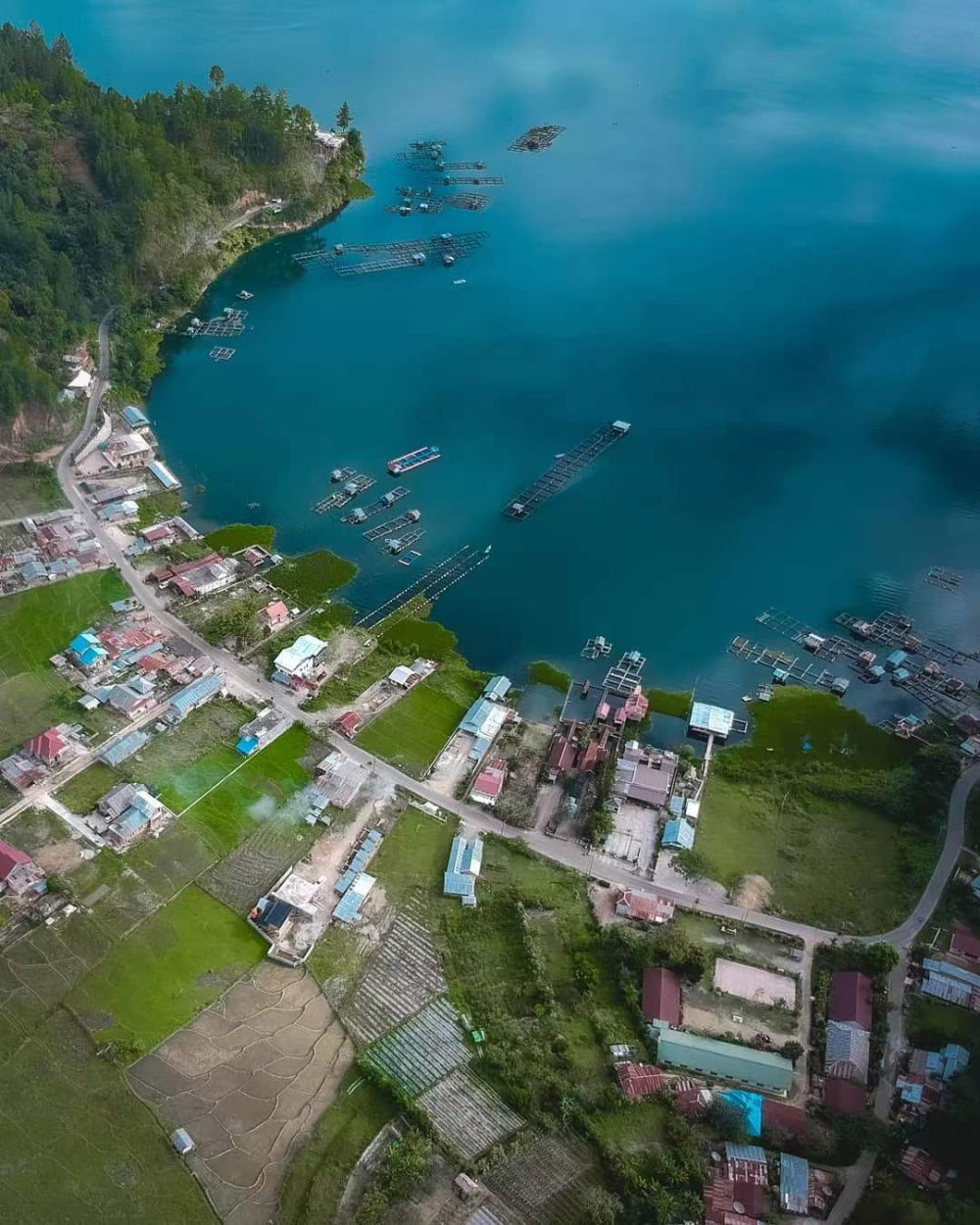
The Gayo Mountains, in central Aceh Province in Sumatra, have a very distinctive microclimate near the famous volcanic Lake Tawar. The lake water is clear, the natural environment superb, and coffee trees are planted on mountains 1,200 to 1,800 meters high. The area is shrouded in mist year-round, with big day-night temperature swings. The volcanic soil is rich in minerals and nutrients, fallen fruit serves as fertilizer, and farmers widely grow coffee organically — together with a long cultivation history, this makes the coffee from here higher in both quality and yield. Many green coffee merchants therefore prize this region, including the locally famous Pwani Coffee Company (PWN).
From September to April each year is the cherry-ripening season, when the mountains fill with busy pickers. Traditional Lintong Mandheling is cultivated by the Mandailing and Batak ethnic groups, while the "rising star" Lake Tawar Mandheling is grown by the Gayo people.
Unique Processing Method: Wet Hulling
The biggest difference between Indonesia and many other coffee origins is its humid weather: annual humidity sits between 70-90%, typhoons can arrive at any time, and annual rainfall can exceed 2,000mm. In such conditions there is simply no room for the 2-3 weeks of African-style sun drying, and the washed process — time-consuming, labor-intensive, and water-hungry — is more than mass-production-focused Indonesia can afford. Hence a unique semi-washed method evolved: the wet hulling process, or giling basah.
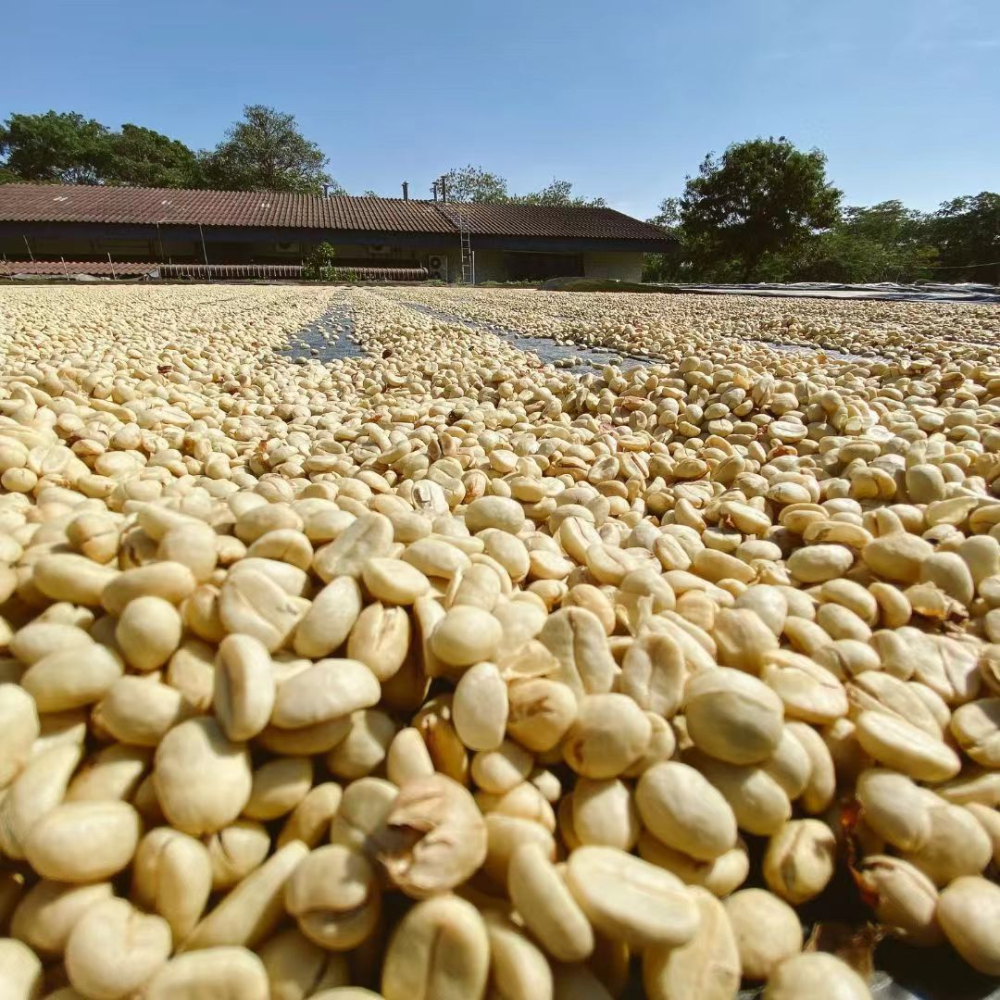
Coffee cherries with their skin and pulp removed are poured directly into a pool for a brief fermentation of several hours. A small amount of mucilage still clings to the parchment at this point, which is brushed off. The parchment beans are then dried — the first drying only needs to reach 30-40% moisture, about 2-3 days — after which farmers sell the beans to buyers, who machine-hull the semi-dry parchment beans to free the green beans inside.
Because the hulling machine uses heavy friction to tear off the parchment tightly attached to the beans, white or green mucus usually oozes out at this stage. After prolonged mucilage soaking in a humid environment, the final green beans turn soft, pale, and swollen, taking on a gray-green color. The friction also makes the beans easier to crush or split, especially at the ends, forming small gaps and creating "elephant beans" or "broken beans." The "naked beans," stripped of their parchment, dry very quickly while being directly exposed to the humid air, where various fungi take hold. This gives the coffee its unique woody, spicy, and herbal character — what we call the "Mandheling flavor."

FrontStreet Coffee's Mandheling Selection
FrontStreet Coffee hopes everyone can experience the classic Mandheling flavor. The two Mandheling coffees sold daily are both medium-dark roasted: the Lintong-region Mandheling daily bean and the Aceh-region PWN Golden Mandheling. Deep-roasted Mandheling typically presents aromas of dark chocolate, nuts, caramel, and cream — at first reminiscent of the rich, mellow taste of Italian espresso.
But remember: Italian espresso is extracted with fine grinding, high water temperature, and 9 bar pressure, and that high concentration amplifies multiple flavors at once — including the woody and herbal notes mentioned above. The compounds hit the taste buds exponentially, so the resulting Americanos and lattes can easily taste muddled rather than appealing.
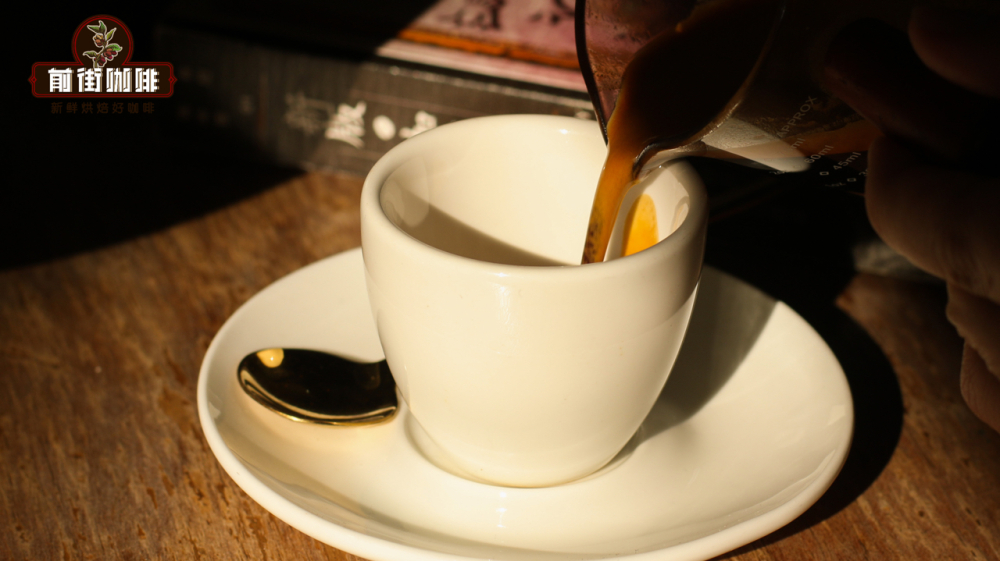
Rather than risk wasting high-quality beans, FrontStreet Coffee suggests choosing espresso blend beans designed for pressured extraction — such as FrontStreet Coffee's own house-roasted classic espresso blend, combining 50% Brazilian coffee, 30% wet-hulled Mandheling, and 20% Robusta. The resulting espresso carries rich caramel and cream aromas and solid chocolate richness, plus Mandheling's unique spice and pine finish, for wonderfully layered complexity.
For those who want to brew Mandheling at home, FrontStreet Coffee recommends a pour-over: 87-88°C water, 15g of coffee, a 1:15 ratio, and a coarse-granulated-sugar grind, poured in three stages. The first pour of 30ml wets all the grounds and lets them degas; the second, 100ml, brings up the golden crema and lifts the coffee bed; the final gentle 95ml center pour raises sweetness — together expressing a thick, rich body with caramel sweetness and chocolate and nut flavors.
FrontStreet Coffee Recommendation
Sumatra is now Indonesia's largest source of both Arabica and Robusta, accounting for more than 60% of national output, with the high-altitude provinces of Aceh and North Sumatra leading Arabica production. The traditional Mandheling region lies around Lake Toba in North Sumatra — the Lintong area — whose varied flora, suitable elevations, wet-hulled processing, and local microbial fermentation create that mysterious, unmistakable profile: intense aroma, heavy body, and powerful flavor. The newer Aceh region centers on the Gayo Mountains near Lake Tawar, whose coffees show more delicate aromas and a brighter cup.
Among all Mandhelings, Golden Mandheling is the benchmark for perfectionists. FrontStreet Coffee's Golden Mandheling comes from Indonesia's PWN company, which applies exceptionally strict standards: built on beans of 18 mesh or larger, every 300g sample of green coffee must contain fewer than 3 defective beans to meet the top G1 grade, followed by three rounds of hand sorting to eliminate every flaw. That cleanliness and intensity — plus strictly limited output — make FrontStreet Coffee's PWN Golden Mandheling the leader of its class. Its certificates and PWN-stamped jute bags are what set it apart from imitators.
For those drawn to the earthy, herbal wildness of wet-hulled coffee, FrontStreet Coffee's Lintong Mandheling is the one to buy: fragrant and full, sweetly bitter, with a strong, striking entry of clove and wood aromatics. Medium-dark roasted, it shows low acidity, spice and mint notes, and a strong, lasting, thick sweetness.
Pour-over is the best way to reveal PWN Golden Mandheling's charm — 87-88°C water, 15g of coffee at 1:15, coarse granulated sugar grind, three-stage pouring as described above. If you'd rather use an espresso machine, choose the crowd-favorite FrontStreet Coffee classic blend: Brazil's creamy nuttiness plus medium-dark Mandheling brings out butter, roasted chestnut, and caramel, while the Mandheling lifts body and adds sandalwood, herbal, and spice notes, with a little Robusta boosting crema — easy to pour latte art with, or to layer a Dirty.
Important Notice :
FrontStreet Coffee is a long-established specialty coffee roaster in Guangzhou China, selling freshly roasted beans from its own farm in Yunnan as well as dozens of carefully selected single-origin beans from around the world for both pour-over and espresso. The products deliver consistently excellent quality and great value, with shipping within 24 hours. Guangzhou's FrontStreet Coffee shop is recommended by many coffee lovers, and the beans are now available online at the Tmall 。
FrontStreet Coffee has moved to a new address:
FrontStreet Coffee Address: 315,Donghua East Road,GuangZhou
Tel:020 38364473
 Scan and follow the En Gafei WeChat official account. Please indicate that the reprint comes from "En Gafei".