Pour Over Coffee Tutorial: Three-Stage Pouring Guide & Detailed Brewing Ratio Analysis
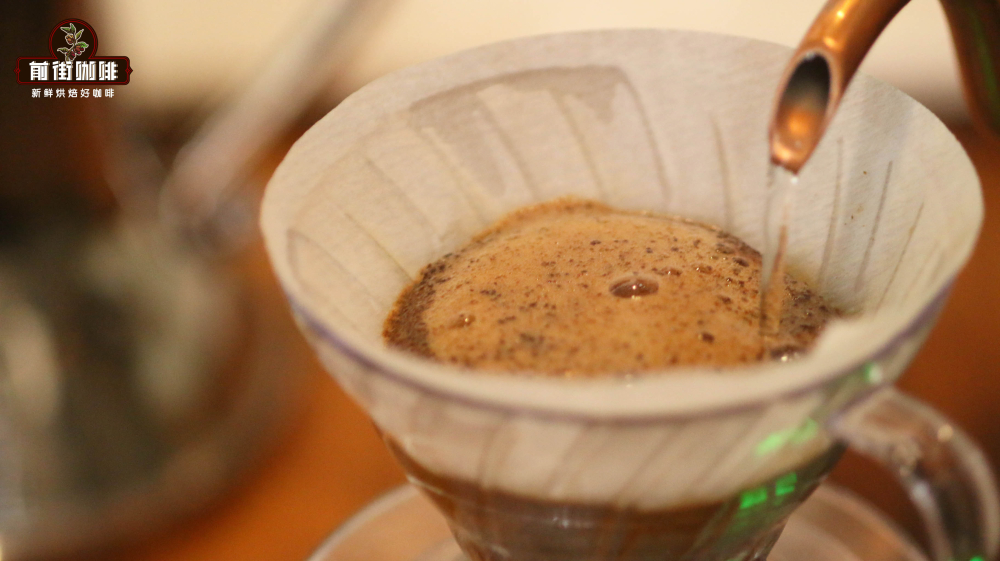
Pouring Technique: Unlocking Flavor and Texture
Pouring technique is the part of brewing that pour-over enthusiasts study most, and it genuinely changes the flavor and texture a coffee shows in the cup. For beginners just starting out, FrontStreet Coffee usually recommends the three-stage pouring method, often called the universal pour-over technique.
What Is Three-Stage Pouring?
Three-stage extraction simply divides the pour into three parts: the first stage of blooming, followed by two stages of water extraction. The main factor that shapes how the water is distributed is the coffee-to-water ratio. Taking FrontStreet Coffee's 15-gram dose as an example, at a 1:15 ratio the water is split into 30ml for the first stage (blooming), 100ml for the second stage, and 95ml for the third stage.
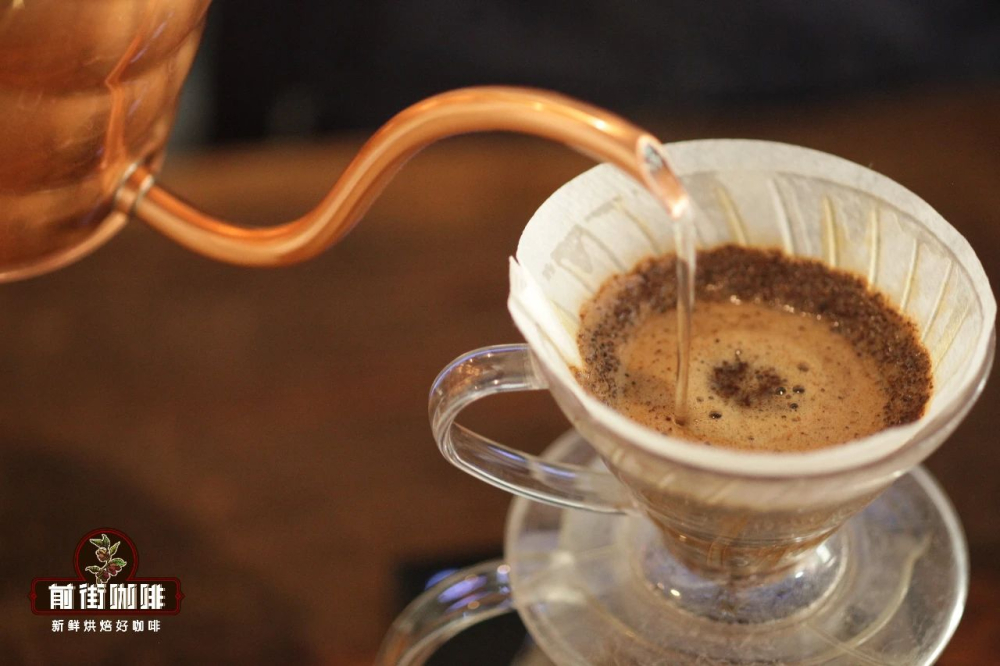
Why Three-Stage Extraction Works
Three-stage extraction is highly controllable and extremely versatile, which is why it is one of the mainstream methods in specialty coffee today as well as one of the most practical and simple. It works with light, medium, and dark roasts, suits the great majority of coffees, and strikes a balance between flavor and body.
FrontStreet Coffee calls the three-stage method beginner-friendly because water flow is so hard to control. If you choose a single continuous pour, dumping all the remaining water into the filter after the bloom, then a pour that is too fast leaves the extraction short and a pour that is too slow leaves it long, and there is nothing to do but watch helplessly. The three-stage method adds one more chance to observe and adjust: if the early extraction drifts off course, the third pour gives you room to correct it based on your own experience and bring the whole extraction back into line. Here is how FrontStreet Coffee puts it into practice, so you can brew the flavors you want at home.
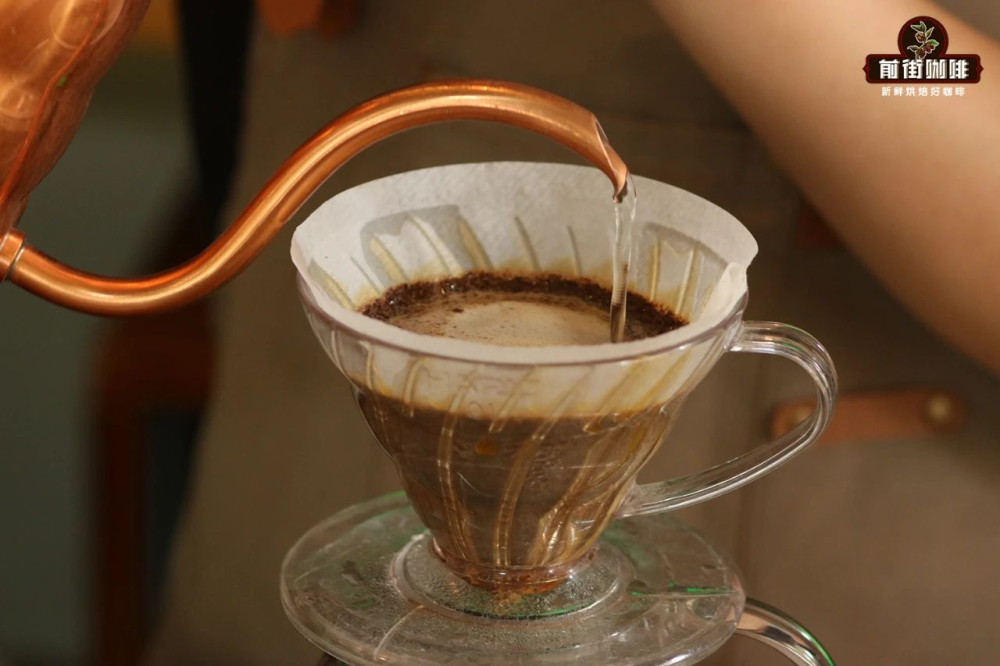
Step by Step
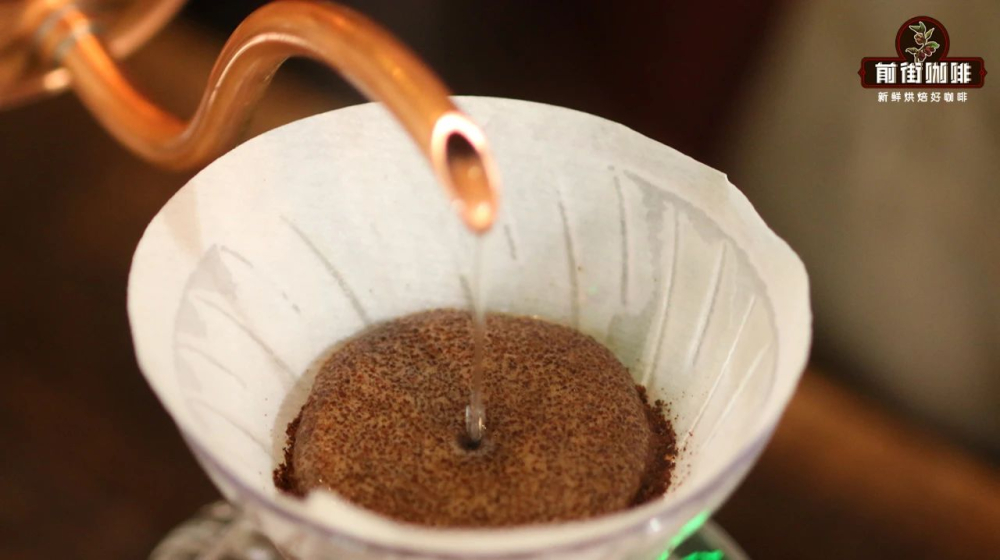
First Pour
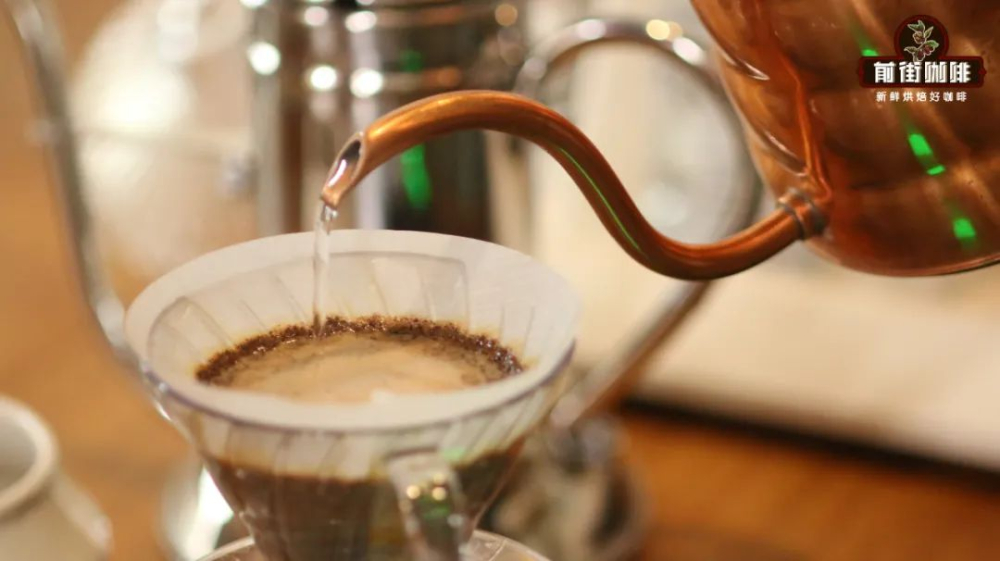
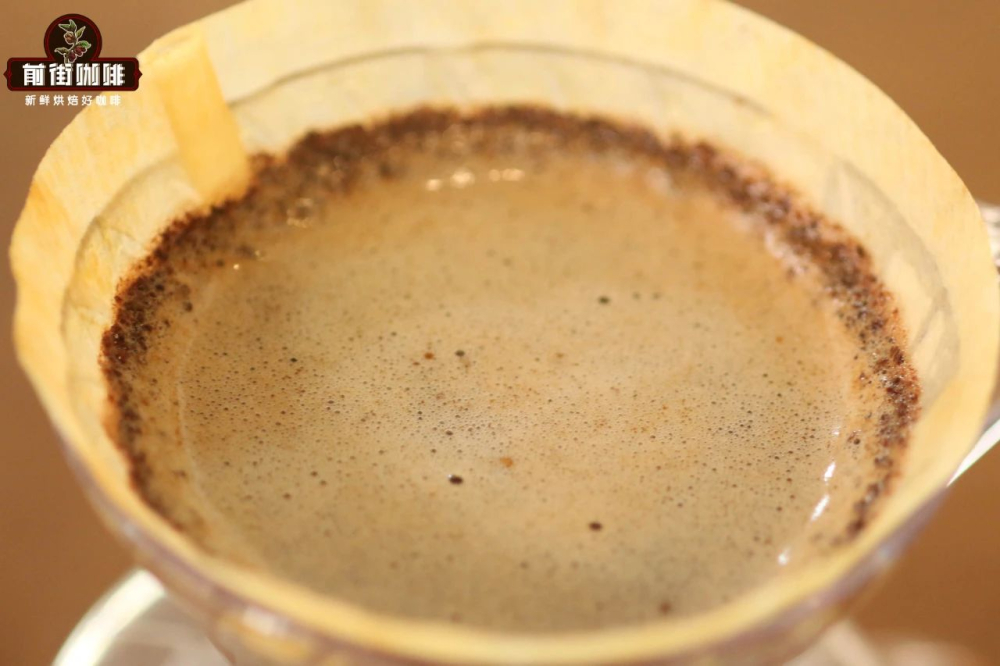
Keep the water flow gentle and light, using just enough water to wet every coffee ground. The main purpose is to release carbon dioxide from the grounds, so they compress against one another, bulge upward as the gas escapes, form a solid crust, and build a thick filtration layer at the bottom. During this stage the flow should move in fast circles so the grounds are wetted evenly.
Second Pour
Begin this pour just as the coffee's expansion is about to finish. At first the water flow should be gentle and fine to further encourage degassing. Once there is enough liquid between the grounds, increase the pouring force a little, bringing the water up to about three-quarters of the total extraction. The change in rhythm is meant to control how the grounds tumble once enough liquid has built up between them, so the extraction stays even and no single layer of grounds is over-extracted.
Third Pour
Do this when the water in the dripper starts draining more slowly but has not yet drained completely. My own habit is to use a relatively strong force here to get the larger coffee particles tumbling thoroughly, which helps prevent the lower filtration area from clogging and keeps the overall extraction effective. Three-stage extraction can enhance layering, smoothness, body, and a substantial mouthfeel. Extract a clean, bright cup, simply.
Water Temperature
On temperature, the first stage starts at 92°C, the second stage at 88°C and ends around 75°C, and the third stage starts at 80°C. The first stage temperature ensures the coffee grounds release their gases completely. The second stage temperature ensures the fruit acids and aromatic compounds dissolve fully. The third stage temperature advances the extraction while avoiding an excessive release of bitterness. Note that the temperatures here refer to the contact temperature when the hot water meets the coffee grounds, not the temperature of the water in the kettle. This is a skill you can only master through practice, raising or lowering the kettle spout as you go.
FrontStreet Coffee Recommendation
The three-stage method is exactly what makes the classic Yirgacheffe profile sing. FrontStreet Yirgacheffe Gudiding Cooperative is a washed Ethiopian coffee that shows white jasmine, bright citrus and lemon acidity, and a tea-like body, and it is the first bean many drinkers ever buy to enter specialty coffee. Brewed as three-stage pour-over, its floral and fruity tones come through clearly, with an uplifting lemon acidity and honeyed sweetness, and it also makes a remarkably light cold brew.
If you prefer tropical fruit, FrontStreet Natural Huakui has become one of the biggest stars of the specialty market. Its ripe tropical fruit aroma of strawberry, passion fruit, jackfruit, and even lychee comes with pronounced sweetness and almost no bitterness, and the silky, juice-like body has led many people to call it the coffee that does not taste like coffee.
For a bright, complex acidity that rewards careful pouring, FrontStreet Kenya Little Tomato is a washed Kenyan bean from the Sika region, grown at 1,550-1,750 meters from the classic SL28 and SL34 varieties. A 72-hour double washed fermentation coaxes out concentrated fruit, giving clear cherry tomato and dark plum notes, a full juice-like acidity, and a clean, long finish of yellow sugar and green tea.
Important Notice :
FrontStreet Coffee is a long-established specialty coffee roaster in Guangzhou China, selling freshly roasted beans from its own farm in Yunnan as well as dozens of carefully selected single-origin beans from around the world for both pour-over and espresso. The products deliver consistently excellent quality and great value, with shipping within 24 hours. Guangzhou's FrontStreet Coffee shop is recommended by many coffee lovers, and the beans are now available online at the Tmall 。
FrontStreet Coffee has moved to a new address:
FrontStreet Coffee Address: 315,Donghua East Road,GuangZhou
Tel:020 38364473
 Scan and follow the En Gafei WeChat official account. Please indicate that the reprint comes from "En Gafei".