What is the Grade and Quality Level of Yirgacheffe Coffee? Introduction to the Origin and Variety Characteristics of Yirgacheffe Coffee Beans
The Beginning of a Coffee Journey
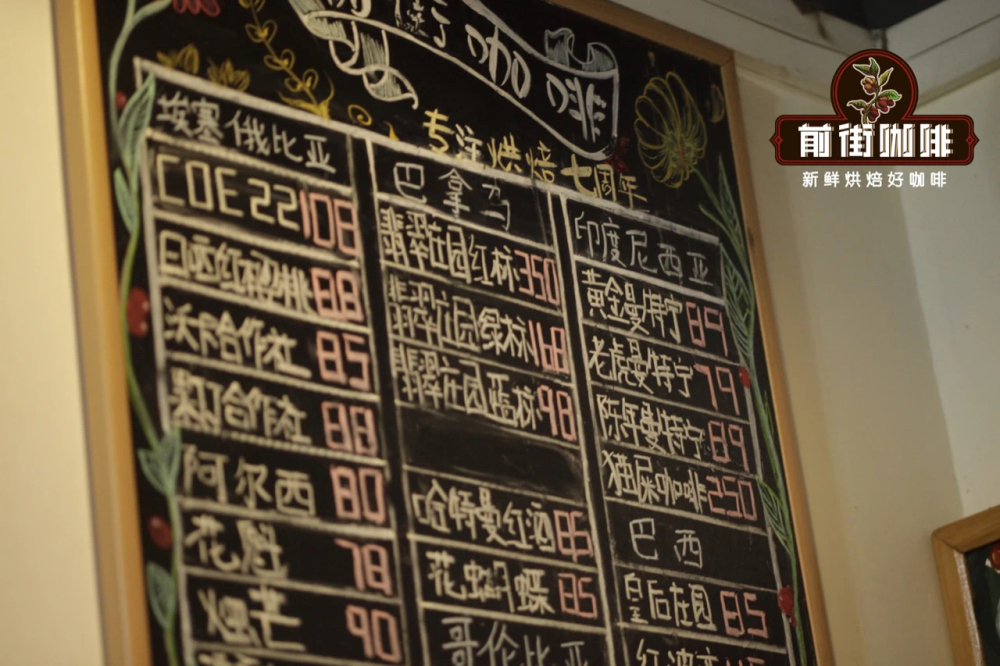
Like FrontStreet Coffee, many enthusiasts fell into the world of specialty coffee after tasting a single cup of floral, fruity Yirgacheffe in a café one day. Ever since, whenever specialty coffee comes up, FrontStreet Coffee thinks first of this most renowned regional flavor.
Yirgacheffe: From the Homeland of Coffee
As the birthplace of coffee, Ethiopia preserves tens of thousands of native Arabica varieties, making it a natural coffee museum. Coffee is a vital economic crop locally: most of the country grows it, and drinking coffee is a household habit.
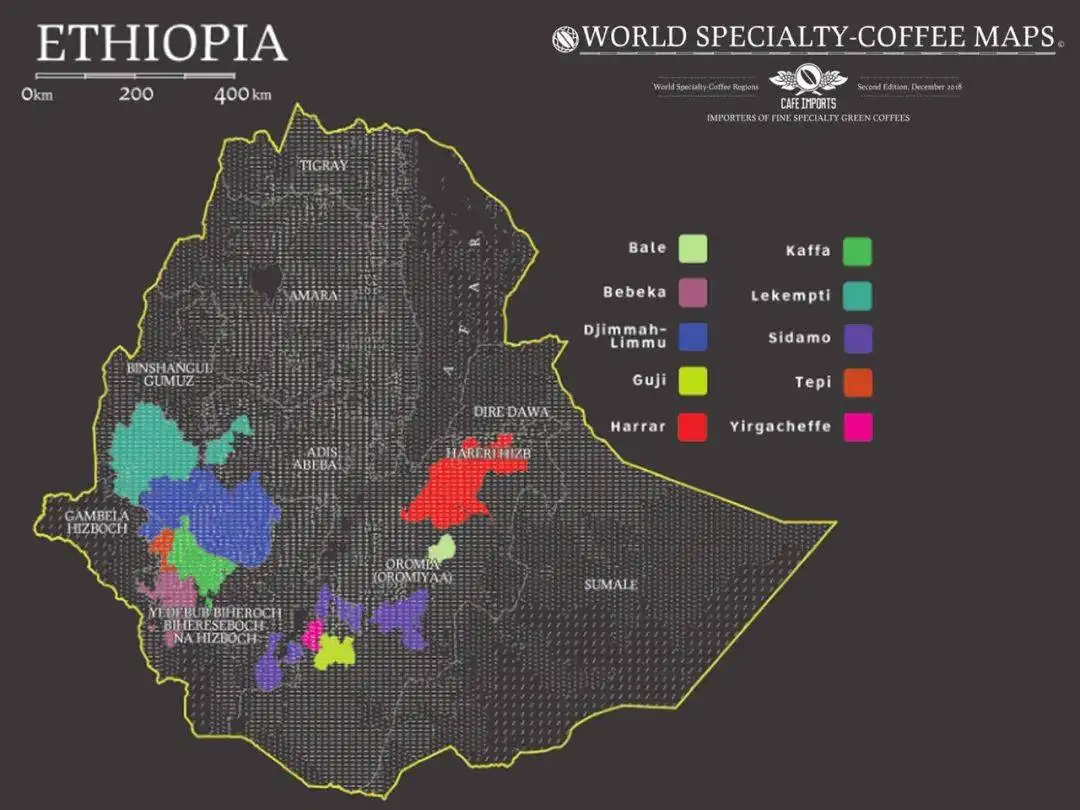
The town of Yirgacheffe is located in the Sidamo province of Ethiopia, at an altitude reaching over 2,000 meters, making it one of the highest coffee-growing regions in the country. Coffee trees are mostly planted in farmers' own backyards or intercropped with other crops in farmland. Each household's production is limited, making this classic garden coffee. The mountain villages are shrouded in mist with spring-like weather year-round: summer brings gentle breezes that are cool but not hot, rainy but not damp, while winter brings no frost. Together these conditions nurture the region's signature citrus and floral notes.
The high planting altitude of about 2,000 meters creates significant day-night temperature differences. Coffee trees grow slowly and the fruit takes longer to mature, which allows it to store more aromatic substances — and pushes the harvest season late. Generally, from October to January of the following year, you can see farmers busy harvesting coffee cherries in the mountains and home gardens, gradually producing the next year's Yirgacheffe batches.
The Contribution of Washed Processing
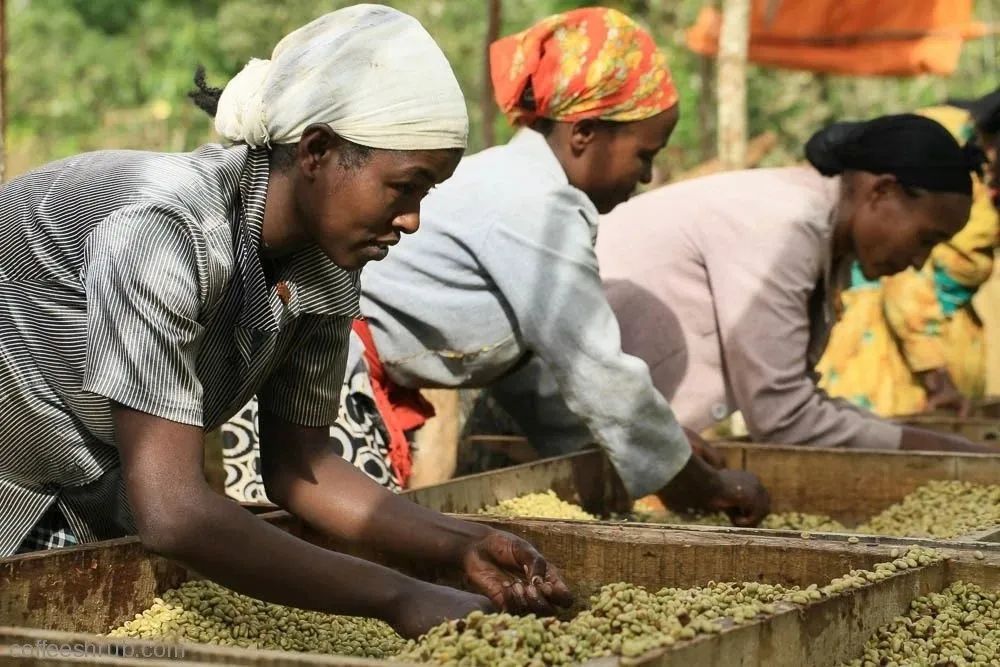
Ethiopia, on the African continent, has very scarce water resources, and coffee was traditionally dried by the natural sun-drying method. With such crude techniques, beans were often thrown directly onto mud floors or rooftops. Coffee would easily pick up earthy flavors from the ground, or suffer uneven heating that led to over-fermentation, ultimately hurting quality. To raise it, the Ethiopian government introduced more advanced fully washed processing technology and equipment from Central and South America in 1972. This allowed Yirgacheffe coffee to express fresh citrus notes and elegant white floral aromas with a bright, delicate overall character. Yirgacheffe thus became independent from the Sidamo region, becoming today's famous name in the coffee world.
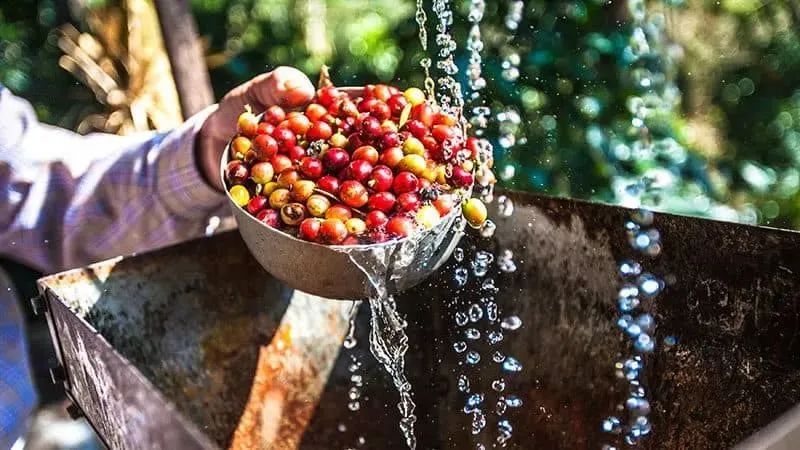
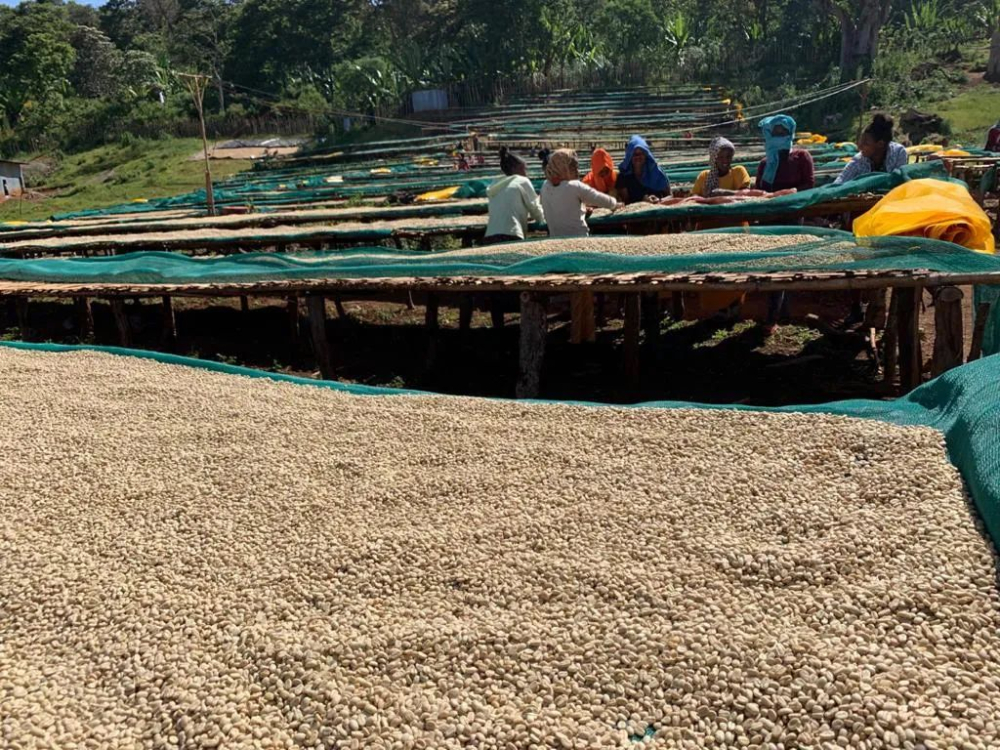
The washed processing steps: after picking, coffee cherries are placed in water, using buoyancy to sort out underripe fruit. A pulping machine then removes the cherry skin and pulp, and the beans rest in fermentation tanks for 18-36 hours until the mucilage layer decomposes. After fermentation, the parchment beans are washed in channels for 30-60 minutes; through channels with flowing water, low-density, poor-quality beans are carried away. The high-quality beans are drained and spread on African-style raised beds to dry. Once they reach the target moisture content, they can be packaged and stored.
"Operation Cherry Red"
Yirgacheffe also produces specialty-grade natural coffee. The Red Cherry beans on FrontStreet Coffee's bean list are selected from naturally processed Yirgacheffe.
To raise the incomes of local farmers and improve quality, the Dutch trading company Trabocca BV launched the "Operation Cherry Red Project" in 2007. The project focuses on improving processing techniques — washed, semi-washed, and natural — in high-altitude regions like Yirgacheffe. Professional cuppers take part, and different harvest volumes are set for different microclimate zones during the harvest season. Only 100% mature red cherries may be picked, with production of approximately 1,500-3,000 KG. The economic loan support, new hardware, and production knowledge provided by Trabocca have greatly improved bean quality in Yirgacheffe and across Ethiopia. Correspondingly, the coffee commands higher prices, which in turn raises farmers' incomes.
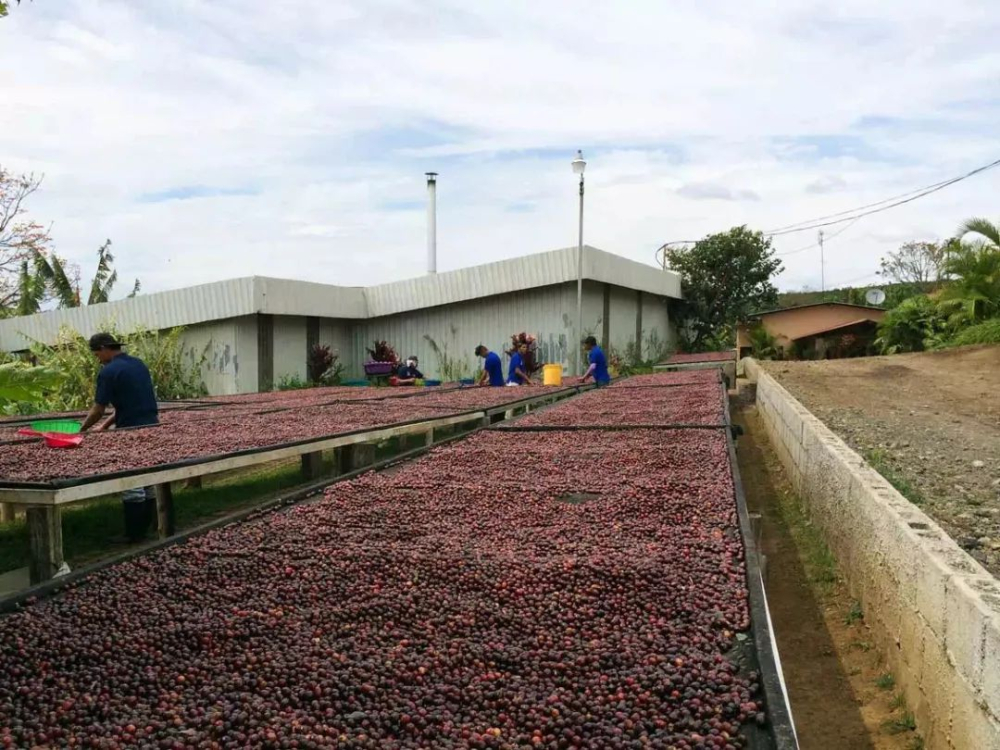
Freshly picked red cherries are hand-sorted to remove defective, overripe, or insect-damaged fruit, leaving only sound beans, which are sent to drying areas. Different regions use different drying setups — waterproof tarps, high beds, and so on — but the most common is the African raised bed. Drying generally takes 27-30 days, until the coffee turns dark purple and moisture content drops to 11%. Natural processed FrontStreet Coffee Yirgacheffe is more intense and more layered, with wine-like fermentation notes and relatively high sweetness.
Gedeb Cooperative
In the specialty coffee era, consumers actively seek out excellent micro-regions and growers — and are willing to pay more for quality, which gives back to each farmer. Regions we often hear about, such as Kochere, Wenago, and Worka, are renowned micro-regions under the Yirgacheffe producing area, each with excellent cooperative production teams and distinctive coffees.
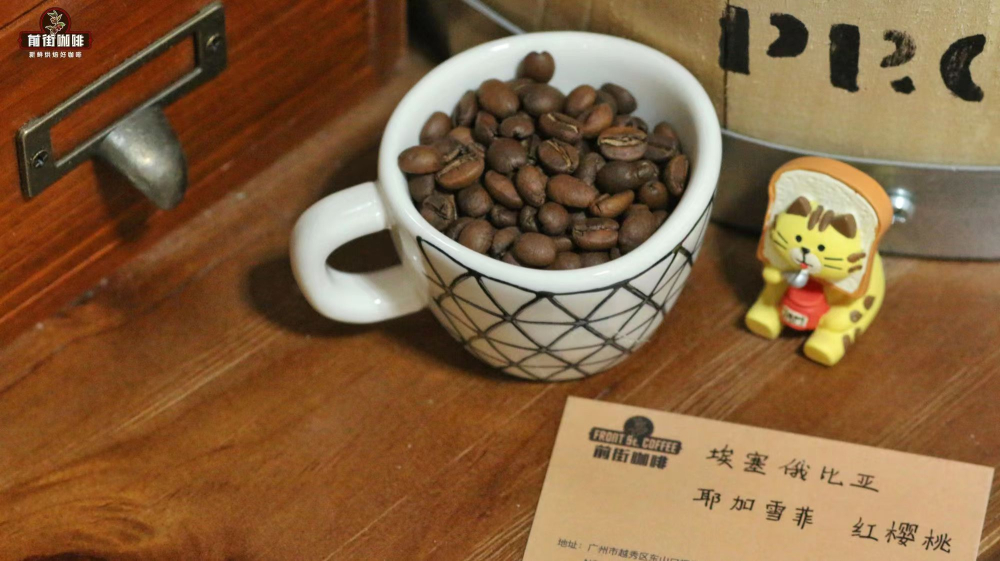
Gedeb Cooperative, with 300 member smallholder farmers, is famous for growing some of Ethiopia's highest-quality coffee. Its processing follows the most traditional fully washed style, earning the reputation of "Yirgacheffe's last pure land." When guests at FrontStreet Coffee hope for a washed, fruit-forward cup, the baristas reach for the FrontStreet Yirgacheffe Gedeb Cooperative beans. Washed Gedeb has none of the harsh bitterness of old-fashioned "black coffee"; instead it offers fresh, bright citrus and lemon acidity plus jasmine fragrance — a cup many enthusiasts fall in love with on the first sip.
Yirgacheffe Varieties: Native Heirloom
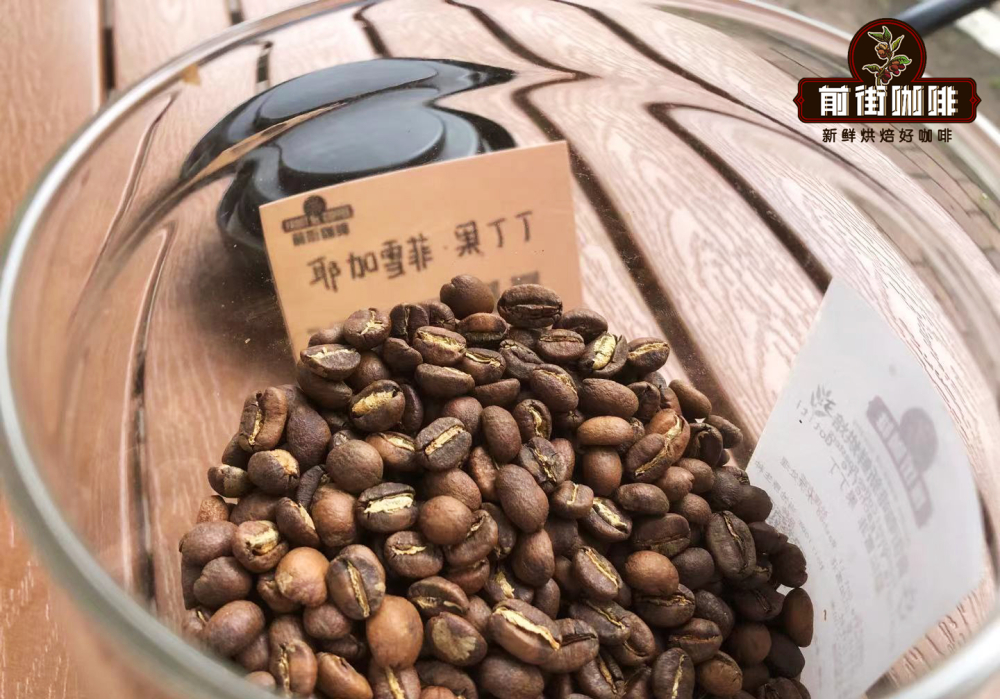
In the Ethiopian beans we buy most often, the variety is listed as local native or Heirloom native. The beans are small, variously shaped, and quite different in appearance from beans of other regions.
The reason: in Ethiopia's original forests, coffee varieties are numerous, with countless gene types that make identification extremely difficult. The local government also hopes to protect these varieties by not publicly disclosing them, so "Heirloom" serves as a general term for the whole group. Yirgacheffe varieties are local native types — small-grained, relatively round, with very small beans, mostly between 14-15 screen size.
Why Do So Many People Love Yirgacheffe Flavor?
Unlike that "bitter coffee" era, lightly roasted Yirgacheffe opened the "new era of fruity-acidity coffee." Coffee turns intensely bitter mainly because roasters roast the beans deeply, steering flavor toward nuts and dark chocolate. With the rise of specialty coffee concepts, roasters now roast Yirgacheffe only to an appropriate light level to preserve more acidity, letting the coffee express pleasant fruit sweetness and white floral aromas.
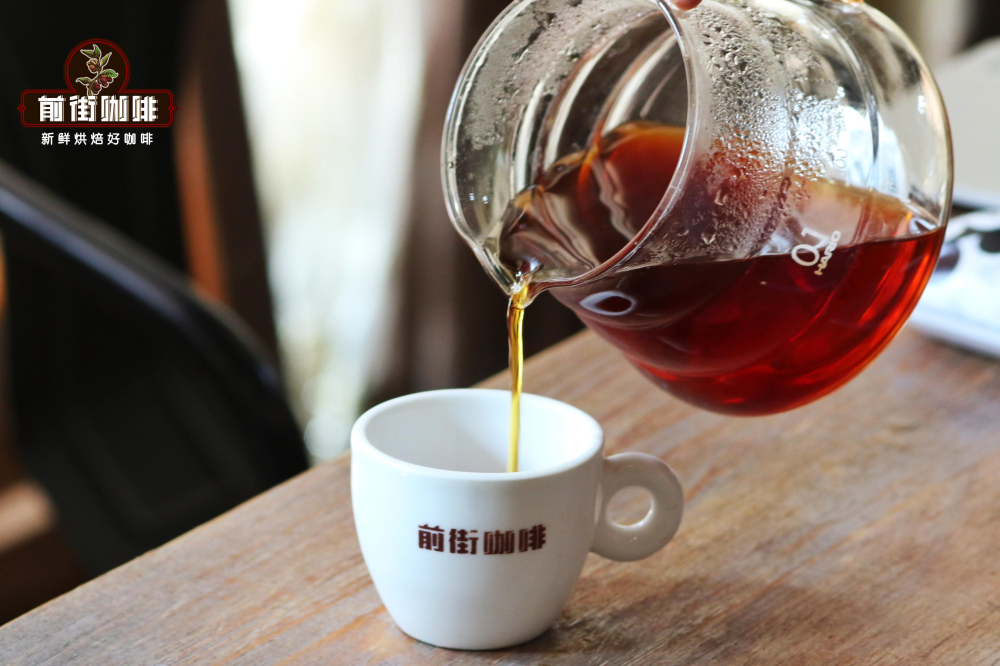
Preferring sweetness and fearing bitterness happens to align with popular taste, which is one reason Yirgacheffe is so beloved worldwide. For such a popular coffee, FrontStreet Coffee has of course added Yirgacheffe to its daily bean series for beginners. These high-value daily beans let newcomers taste foundational regional flavors at ultra-low prices, and the small packaging avoids waste from unfinished bags.
FrontStreet Coffee's Yirgacheffe Brewing Parameters:
Filter: V60
Water temperature: 92-93°C
Dose: 15g
Ratio: 1:15
Grind size: Fine sugar consistency (78% passing a #20 sieve screen)
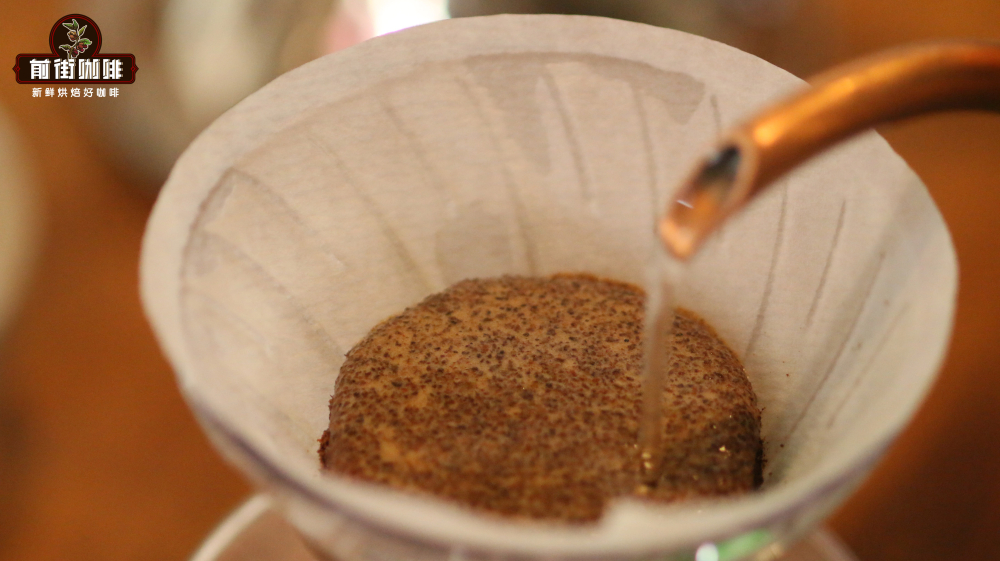
First pour 30g of water for a 30-second bloom, then pour 95g (scale shows around 125g), finishing in about 1 minute. When the water level drops to 2/3 of the coffee bed, pour the remaining 100g (scale shows around 225g), finishing in about 1 minute 35 seconds. Drip filtration completes at 2'10"; remove the filter and the extraction is done.
FrontStreet Coffee's Ethiopian Yirgacheffe Natural Red Cherry flavor: lemon, licorice, citrus, berries, sweet orange, with high overall sweetness, caramel and cream in the aftertaste, and a tea-like aroma in the finish.
FrontStreet Coffee's Ethiopian Yirgacheffe Washed Gedeb Cooperative flavor: citrus and tea notes on entry, with cream, caramel, and almond emerging as the cup cools, and a distinct clean, sweet aftertaste.
FrontStreet Coffee Recommendation
If this article has you craving Yirgacheffe, start with the FrontStreet washed Yirgacheffe daily bean — white jasmine, bright citrus and lemon acidity, and tea-like body at a beginner-friendly price. For more depth, choose the washed Gedeb Cooperative lot, whose 300 smallholder farmers follow traditional fully washed methods, or the Natural Red Cherry, sun-dried 27-30 days to 11% moisture with wine-like sweetness. Brew with a V60 at 92-93°C, 15g at 1:15, fine-sugar grind (78% through a #20 sieve), and finish the pour in about 2'10".
Important Notice :
FrontStreet Coffee is a long-established specialty coffee roaster in Guangzhou China, selling freshly roasted beans from its own farm in Yunnan as well as dozens of carefully selected single-origin beans from around the world for both pour-over and espresso. The products deliver consistently excellent quality and great value, with shipping within 24 hours. Guangzhou's FrontStreet Coffee shop is recommended by many coffee lovers, and the beans are now available online at the Tmall 。
FrontStreet Coffee has moved to a new address:
FrontStreet Coffee Address: 315,Donghua East Road,GuangZhou
Tel:020 38364473
 Scan and follow the En Gafei WeChat official account. Please indicate that the reprint comes from "En Gafei".