What Are Daily Coffee Beans and What Makes Coffee Delicious? Sherry Daily Bean Coffee Recommendations

Newcomers to coffee often ask: what exactly are "daily coffee beans," and why are they called "daily beans"? FrontStreet Coffee is here to explain.
For anyone just starting to drink coffee, choosing well can be hard. It is difficult to know which coffee tastes good or how to choose, and many people want to try several options before settling on a favorite. This is where the idea of daily coffee beans comes in. These packages come in moderate quantities at affordable prices, with plenty of variety. That suits beginners: little expense, several flavors to taste, and no difficult decisions or waste.

FrontStreet Coffee therefore introduced its daily coffee beans. These are FrontStreet Coffee's signature offerings, each built around a distinctive regional flavor. The company selects the beans that best represent each major producing region and packs them in 100g sample sizes. Examples include the lemon acidity of the renowned Ethiopian Yirgacheffe, the herbal notes of Indonesian Mandheling, and the chocolate and nut aromas of Costa Rican Tarrazú. FrontStreet Coffee currently offers eight coffees from different countries and regions.
Below, FrontStreet Coffee introduces the unique character of each of these eight classic daily beans.
FrontStreet Coffee: Washed Yirgacheffe Daily Beans
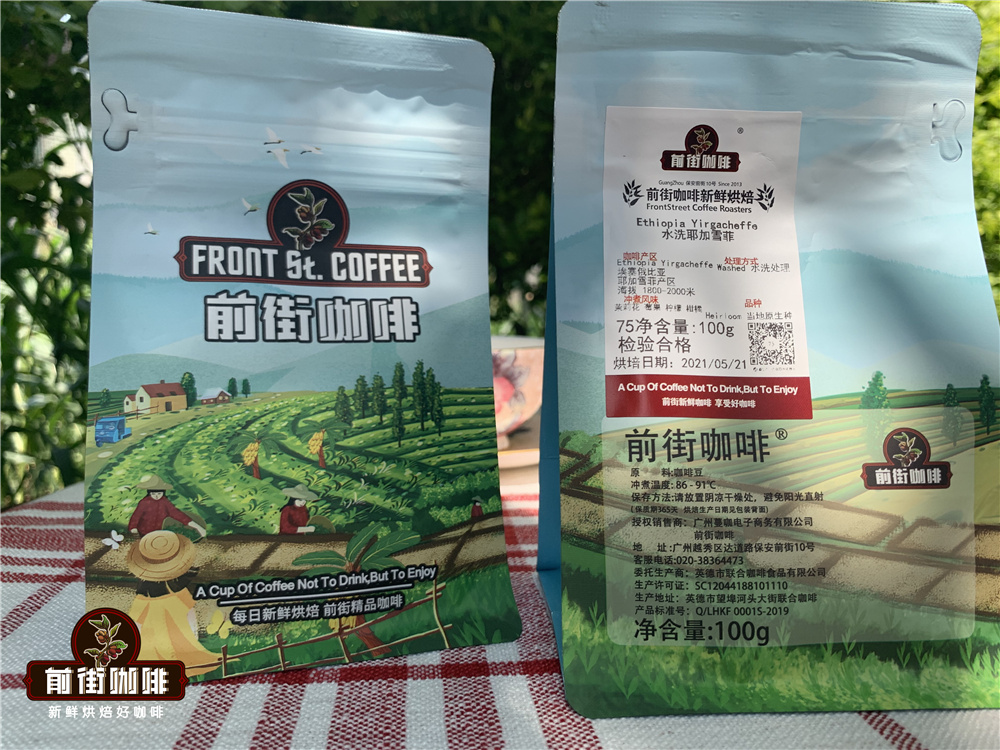
Country: Ethiopia
Region: Yirgacheffe
Altitude: 1800-2000m
Variety: Local Heirloom Varieties
Processing: Washed
Bean Appearance: Small-sized beans, relatively round, very small bean body
Yirgacheffe is the most representative coffee of Ethiopia and draws high praise from connoisseurs worldwide. With such an excellent variety on hand, FrontStreet Coffee naturally wants to share it.
Yirgacheffe sits on the eastern side of the East African Rift Valley, a small town in the Sidamo province of Ethiopia that was separately designated because of its unique flavor. At altitudes of 1,700-2,100 meters, it is one of the world's highest coffee-growing regions and is synonymous with Ethiopian specialty coffee.
The mountain villages where these cherries are grown are shrouded in mist and enjoy spring-like conditions year-round. Summers bring gentle breezes, cool rather than hot, rainy rather than humid, while winters avoid frost. As a result, Yirgacheffe coffee shows distinct floral and citrus or lemon notes. The washed beans taste clean, with bright fruit acidity and a prominent tea-like quality. FrontStreet Coffee believes that only this particular geography and climate can produce such distinctive regional flavors of citrus and flowers, and Yirgacheffe remains the representative choice for anyone seeking floral, fruity coffee.

FrontStreet Coffee Brewing Recommendations
Recommended Water Temperature: 91°C
Grind Size: Medium-coarse
Coffee-to-Water Ratio: 1:15
Flavor Notes: Jasmine, Lemon, Citrus, Berries
FrontStreet Coffee: Honduras · Shirley

Country: Honduras
Region: Marcala
Estate: Moca Estate
Altitude: 1500-1700m
Varieties: Caturra, Catuai, Pacas
Processing: Refined Washed Whiskey Sherry Barrel Fermentation
This coffee comes from Honduras in Central America, bordering Guatemala, El Salvador, and Nicaragua. Sherry barrels are casks that sherry wineries and the whiskey industry use for aging. Sherry itself is a famous fortified wine produced in the sunny Jerez region of southern Spain, and its production always includes maturation through the Solera System.
The refined washed whiskey sherry barrel fermentation process starts with freshly harvested cherries that are given a refined wash, then placed in whiskey oak barrels that previously aged sherry for low-temperature fermentation of 30-40 days at approximately 15-20°C, followed by drying in the shade.

FrontStreet Coffee Brewing Recommendations
Recommended Brewing Method: Pour-over
Filter: V60
Water Temperature: 88-90°C
Coffee-to-Water Ratio: 1:15
Grind Size: BG 5R (Chinese standard 20-mesh sieve passage rate 58%), which is medium-fine grinding
Flavor Notes: Aroma of vanilla and cream, with whiskey, berry, almond, and dark chocolate flavors upon tasting, and a maple-like aftertaste.
FrontStreet Coffee: Colombia Huila Daily Beans
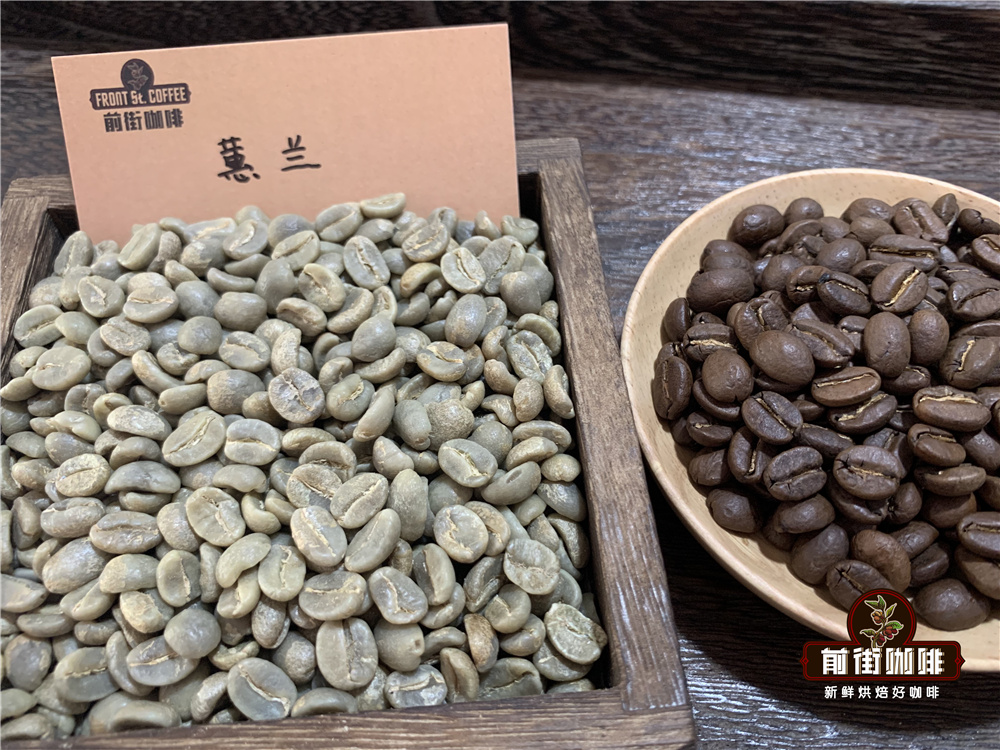
Country: Colombia
Region: Huila
Altitude: 1500-1800m
Variety: Caturra
Processing: Washed
Bean Appearance: Uniform bean size, relatively full bean shape
Colombia lies in the northwest of the South American continent, bordering Panama in Central America. In 1808, a priest introduced coffee to the country for the first time, from the French Antilles by way of Venezuela. Today Colombia is the world's third-largest coffee exporter, producing mainly Arabica, and it is also the country that exports the most Arabica coffee. Colombia is rich in natural resources, and coffee, flowers, gold, and emeralds are known as its four treasures.

According to FrontStreet Coffee's research, the early varieties planted in Colombia were Typica and Bourbon. Caturra is a natural variant of the Arabica Bourbon variety, and this FrontStreet Coffee bean is precisely the Caturra variety.
FrontStreet Coffee Brewing Recommendations
Recommended Water Temperature: 90°C
Grind Size: Medium-coarse
Coffee-to-Water Ratio: 1:15
Flavor Notes: Nuts, Dark Chocolate, Caramel, Soft Fruit Acidity
FrontStreet Coffee: Costa Rica Tarrazú
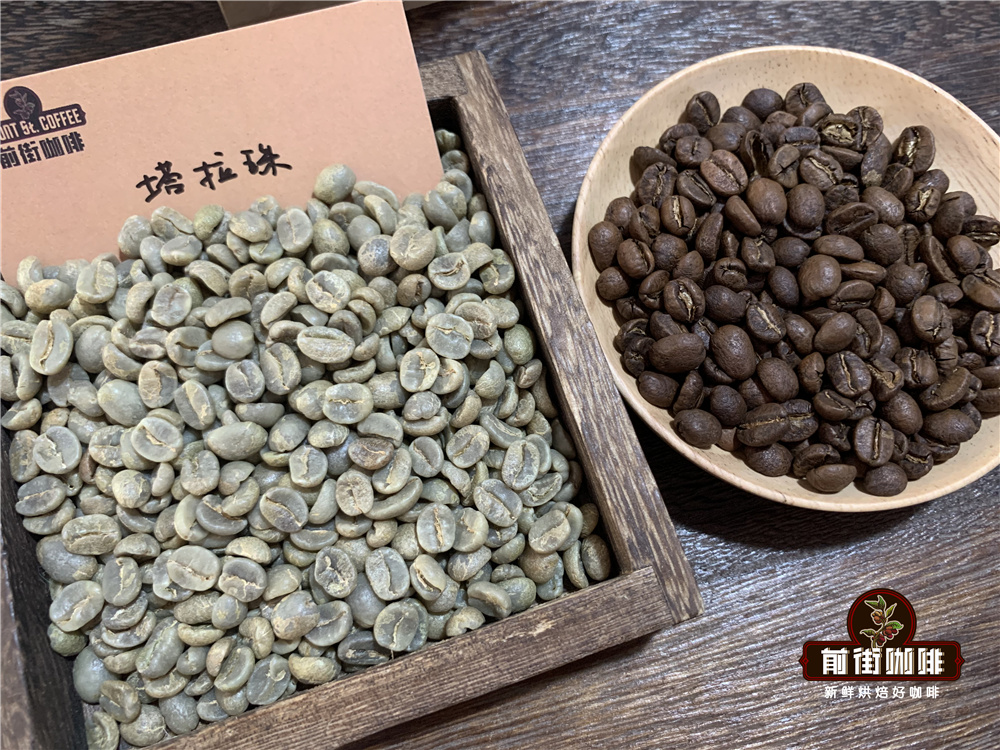
Country: Costa Rica
Region: Tarrazú
Altitude: 1500m
Varieties: Caturra, Catuai
Processing: Washed
Bean Appearance: Variable sizes
Costa Rica lies on the Central American isthmus, borders Panama to the south and Nicaragua to the north, the Caribbean Sea to the northeast, and the Pacific Ocean to the south. Ocean currents and monsoon influences have given the country unique microclimates.
Tarrazú is the most representative region, located south of the capital, San José, and is the most valued coffee-producing area in the country. Most of Costa Rica's finest coffees come from here. In the 2020 Costa Rica Cup of Excellence, for example, 9 of the top 26 coffees came from Tarrazú, taking three of the top three places. Costa Rican coffee has long been known for balanced flavor, rich chocolate notes, and a smooth texture.

FrontStreet Coffee Brewing Recommendations
Recommended Water Temperature: 90-91°C
Grind Size: Medium-coarse
Coffee-to-Water Ratio: 1:15
Flavor Notes: Sweet Orange, Honey, Toffee, Nuts
FrontStreet Coffee: Guatemala Huehuetenango
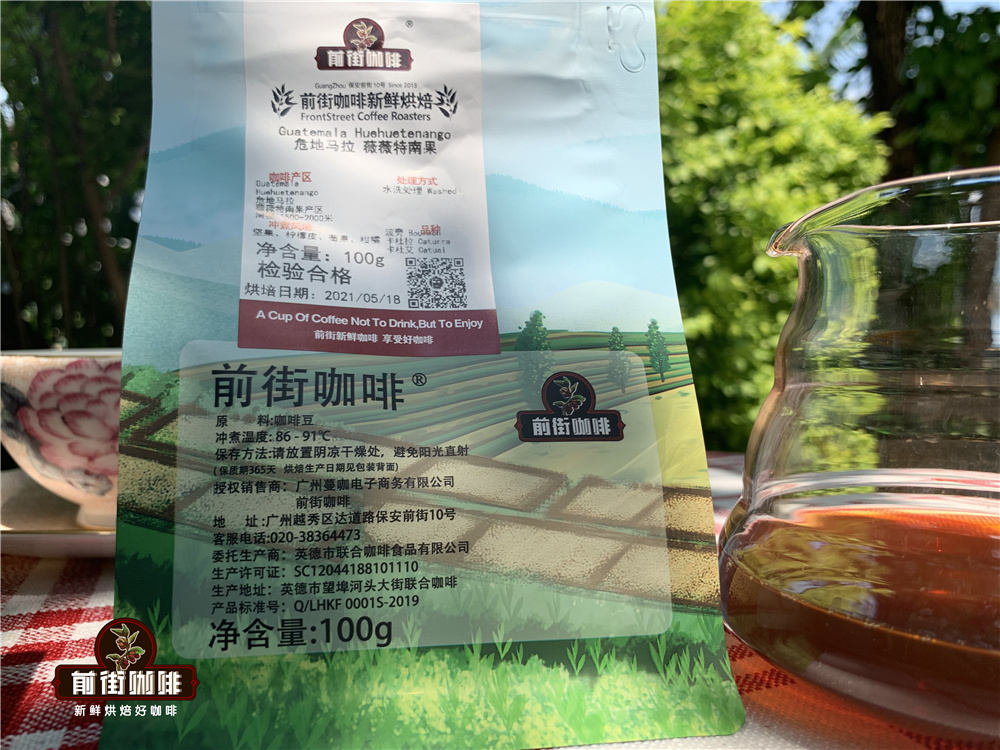
Country: Guatemala
Region: Huehuetenango
Altitude: 1500-2000m
Varieties: Bourbon, Caturra, Catuai
Processing: Washed
Bean Appearance: Relatively uniform beans
Coffee from Guatemala stands among the world's finest, grown mainly in Bourbon, Typica, Caturra, and Catuai varieties. The coffee belt lies mostly above 1,500 meters, where tropical rainforests, volcanic geology, and diverse microclimates give the beans their distinctive flavors.
Guatemalan beans carry rich fruit aromas and are known for their elegant, lively acidity, clean taste, and clear layers. For most of the 20th and 21st centuries the country ranked as Central America's largest coffee producer. Guatemala has eight major coffee-producing regions, and these are typically used to describe the highest grade, S.H.B. (Strictly Hard Bean). The coffees of the five volcanic and three non-volcanic regions are each distinctive and highly regarded internationally.

FrontStreet Coffee Brewing Recommendations
Brewing Parameters: V60 filter, 90°C water temperature, 1:15 coffee-to-water ratio, 15g coffee dose, grind size (80% passage rate through 20-mesh standard sieve)
Flavor Notes: Nuts, Lemon Peel, Berries, Citrus
FrontStreet Coffee: Yunnan Xiao Li

Country: China
Region: Baoshan, Yunnan
Altitude: 1200m
Variety: Catimor
Processing: Washed
Bean Appearance: Round and full
In 1892, a French missionary brought coffee seeds from Vietnam to Yunnan and planted them successfully in a valley in Binchuan County. That marked the beginning of Yunnan coffee, generally referred to as small-seed coffee and known domestically as Yunnan Xiao Li, or small bean, coffee.
FrontStreet Coffee also grows Typica and small amounts of Bourbon in its Yunnan plantations. Catimor and Typica are not inherently in conflict: one represents mass production, the other specialty coffee. The point of specialty coffee is to improve quality, while mass production aims to raise yield, and Yunnan's choice to focus on Catimor reflects that underlying purpose.

FrontStreet Coffee Brewing Recommendations
Recommended Water Temperature: 88°C
Grind Size: Medium-coarse
Coffee-to-Water Ratio: 1:15
Flavor Notes: Melon Sweetness, Cantaloupe, Brown Sugar, Plum Acidity, Black Tea Sensation
FrontStreet Coffee: Indonesia Mandheling
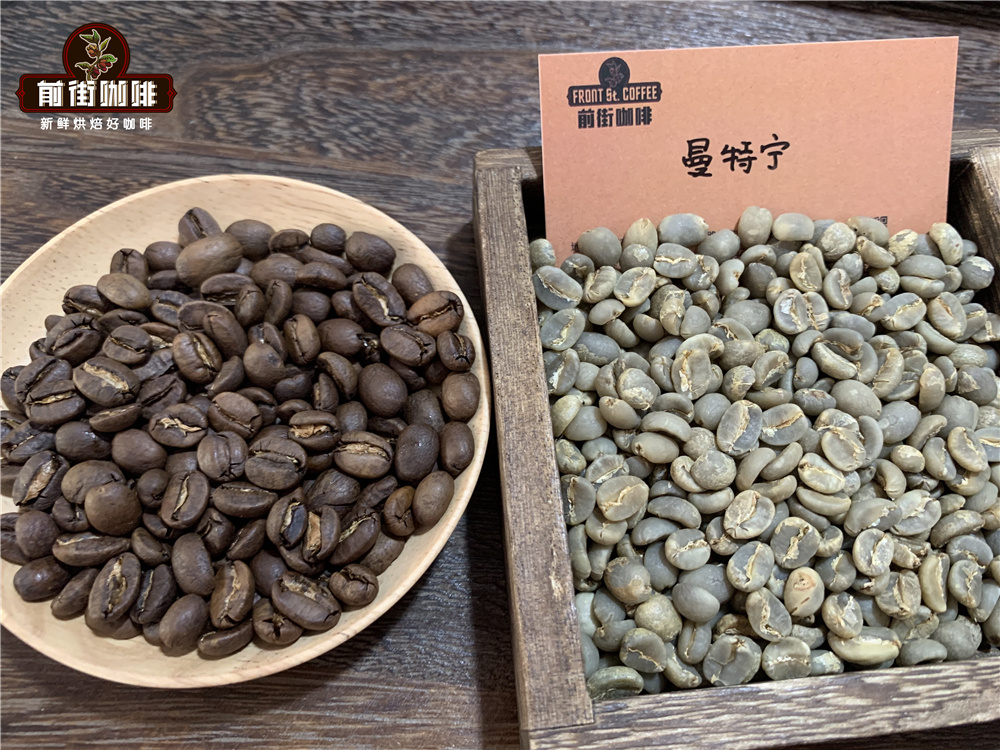
Country: Indonesia
Region: Lintong, Sumatra
Variety: Ateng
Processing: Wet-Hulled
Bean Appearance: More cracks on the surface
Mandheling is a premium bean grown on the highland plateaus at altitudes of 750-1,500 meters. In Indonesia, which primarily produces Robusta, it is a rare Arabica. Owing to factors such as altitude and climate, the beans have rich aromas, a full-bodied texture, strong flavor, and slight hints of chocolate and syrup.

FrontStreet Coffee Brewing Recommendations
Recommended Water Temperature: 87°C
Grind Size: Medium-coarse
Coffee-to-Water Ratio: 1:15
Flavor Notes: Toasted Bread, Nuts, Caramel, Pine, Herbal Notes
FrontStreet Coffee: Brazil Cerrado

Country: Brazil
Region: South Minas
Altitude: 1000m
Variety: Red Bourbon
Processing: Pulped Natural
Bean Appearance: Round
FrontStreet Coffee's Brazil daily bean comes from the state of Minas Gerais. The representative coffee regions of Minas Gerais include Cerrado and South Minas. Both are high-altitude areas with rich topography, distinct wet and dry seasons, significant day-night temperature differences, and abundant microclimates, well suited to the elegant Red Bourbon and Yellow Bourbon varieties. Since 1999, South Minas has had the largest number of winners among estates placing in Brazil's Cup of Excellence, so it has naturally become the main region for Brazilian specialty coffee.

FrontStreet Coffee Brewing Recommendations
Recommended Water Temperature: 89°C
Grind Size: Medium-coarse
Coffee-to-Water Ratio: 1:15
Flavor Notes: Nuts, Chocolate, Cream, Peanuts, Caramel
FrontStreet Coffee Brewing Technique Recommendations
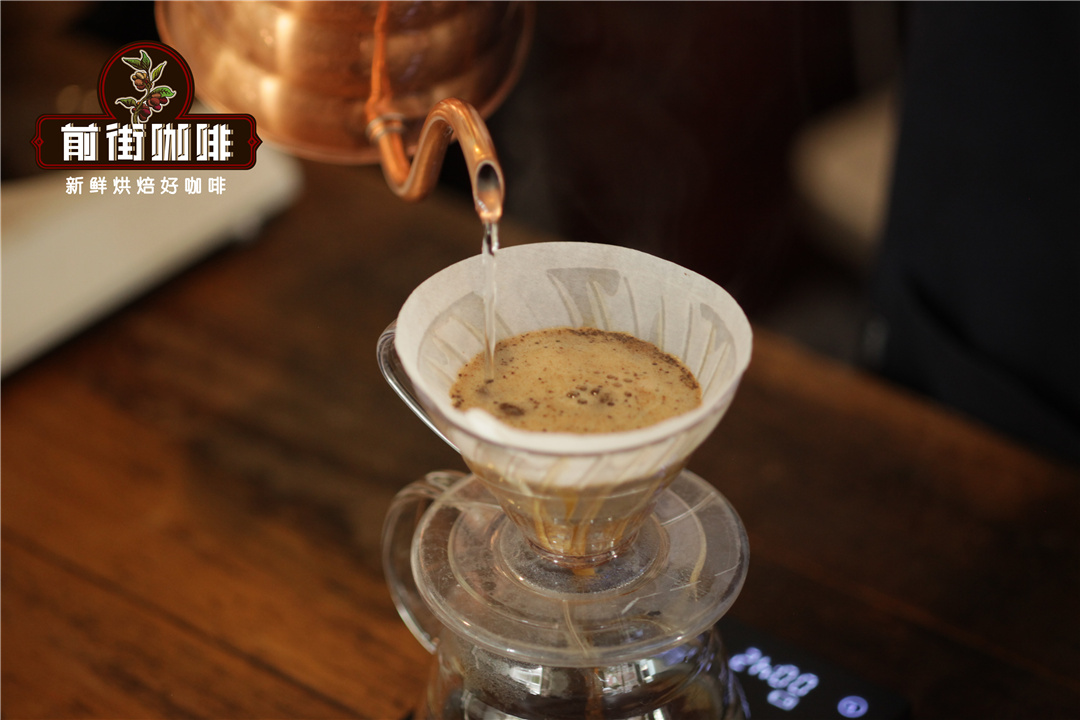
FrontStreet Coffee recommends using the water temperature, coffee-to-water ratio, and grind size suggested for each bean. Use 30g of water for a 30-second bloom, then pour in stages to 125g. When the water level drops and is about to expose the coffee bed, continue pouring to 225g and stop. When the water level drops again and is about to expose the bed, remove the filter cup. Timing starts at the beginning of the bloom, and the extraction takes approximately two minutes.
That covers FrontStreet Coffee's introduction to the eight daily-bean regions and the brewing recommendations for each. These are the eight daily beans currently offered. We hope this helps coffee enthusiasts work out which flavors suit them, and helps newcomers understand more about coffee.
FrontStreet Coffee Recommendation
FrontStreet Washed Yirgacheffe Daily Bean. If you are looking for a starting point among the daily beans, FrontStreet Coffee suggests the washed Yirgacheffe. It is the classic introduction to the region, known for white jasmine, bright citrus and lemon acidity, and a clean tea-like finish, and its accessible price has made it the first specialty coffee for many drinkers.
Yirgacheffe is a small town in southern Ethiopia within the Sidamo zone at roughly 1,700-2,100 meters, with the trees planted above 1,800 meters. The region's highly recognizable white florals and lemon-citrus acidity have made the name a byword for Ethiopian specialty coffee.
Brew it as a pour-over with 90-91°C water, 15g of coffee at a 1:15 ratio, and a medium-fine grind (EK43s setting 10, about fine-sugar texture, roughly 80% passing a No. 20 sieve).
Important Notice :
FrontStreet Coffee is a long-established specialty coffee roaster in Guangzhou China, selling freshly roasted beans from its own farm in Yunnan as well as dozens of carefully selected single-origin beans from around the world for both pour-over and espresso. The products deliver consistently excellent quality and great value, with shipping within 24 hours. Guangzhou's FrontStreet Coffee shop is recommended by many coffee lovers, and the beans are now available online at the Tmall 。
FrontStreet Coffee has moved to a new address:
FrontStreet Coffee Address: 315,Donghua East Road,GuangZhou
Tel:020 38364473
 Scan and follow the En Gafei WeChat official account. Please indicate that the reprint comes from "En Gafei".