Recommended Indonesian Coffee Beans Worth Buying: Introduction to Premium Sumatra Coffee Bean Characteristics
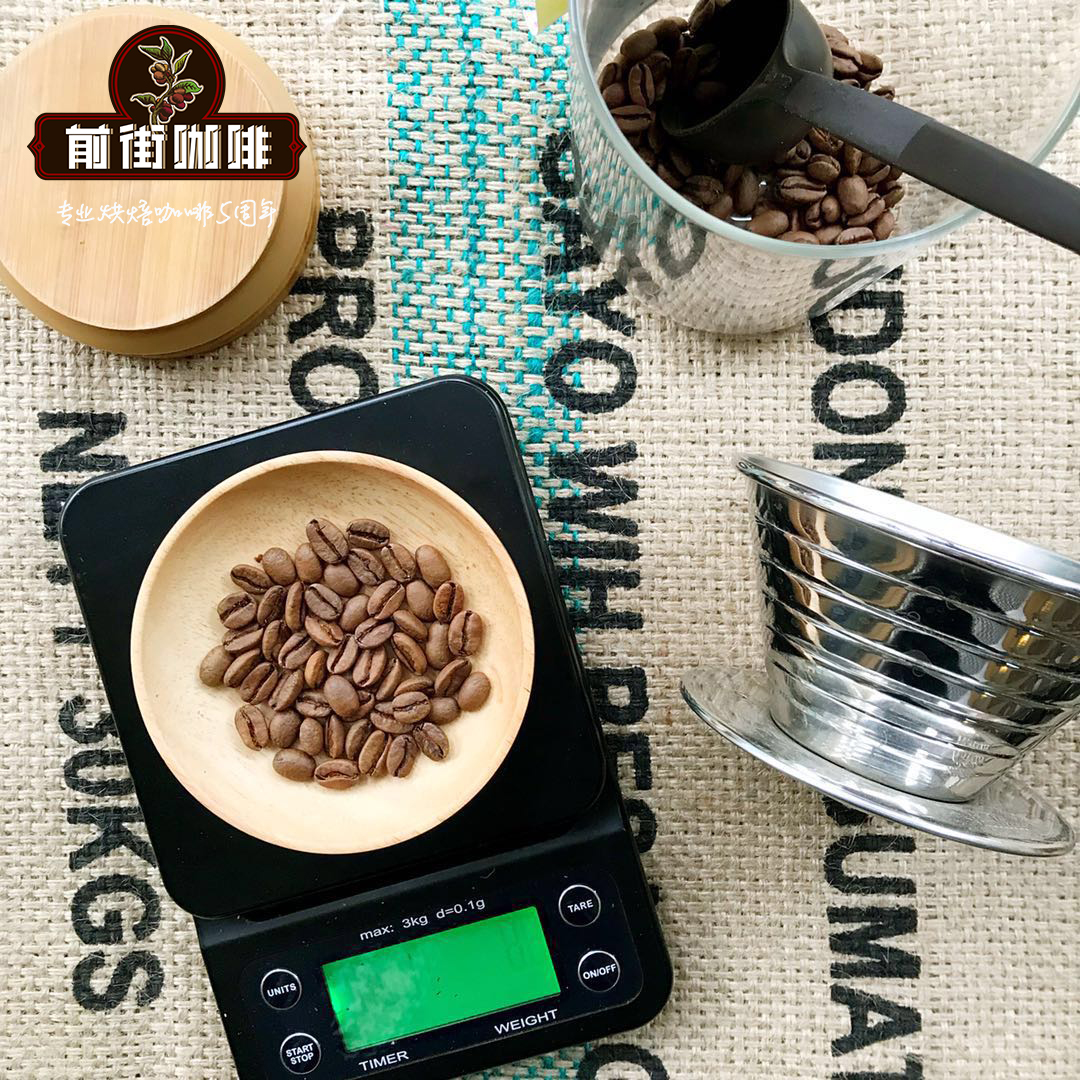
FrontStreet Coffee-Indonesian Coffee Brand Aged Mandheling Introduction
For professional coffee knowledge exchange and more coffee bean information, please follow FrontStreet Coffee.
Indonesian Coffee Regions
The best growing areas in the entire Indonesian archipelago are Java Island, Sumatra, and Sulawesi. These three islands anchor three major coffee brands: Mandheling coffee, produced in Sumatra, Indonesia, with moderate acidity and an extremely rich aroma; Java coffee, produced on Indonesia's Java Island, belonging to the Arabica species; and Sulawesi coffee, with full-bodied beans and a rich aroma. Robusta accounts for 90% of Indonesia's total coffee production and is reputed to be among the world's highest quality.
Java Coffee
Java produces refined, aromatic coffee with relatively low acidity, delicate texture, and good balance. The aroma and acidity of Java coffee are considered superior to those from Sumatra and Sulawesi. Java's best plantations include Blawan, Jambit, Kayumas, and Pankur. Java Mocha coffee is a blend of Java coffee and Yemen Mocha.
Sumatra Coffee
Sumatra, the second largest island of the archipelago, is Indonesia's petroleum industry center, and the island's rubber and timber are famous export commodities as well. Yet Sumatra's coffee is even more remarkable. It resembles Java coffee, only with slightly heavier beans. Coffee from the Mandheling and Ankola districts is highly valued, with Mandheling even praised as the world's most full-bodied coffee.
One Indonesian coffee, called Aged Mandheling, is popular for its unique flavor.
Aged Mandheling
Aged coffee beans do not simply mean beans stored for a long time—careless storage is unacceptable, since beans kept too long spoil, turning from fresh green to white, then to yellow, becoming tasteless, even attracting insects. Like aged wine, green beans must undergo proper processing and controlled long-term storage before they can truly be called aged coffee.
Understanding Aged Coffee Beans
So-called aged coffee beans (aged beans) are green beans allowed to age naturally through extended storage (usually 2-3 years), with changes including reduced acidity, color change, and a thickened bean texture. The storage environment must be cool and ventilated. Because of the dark storage conditions and the long time involved, aged coffee always carries complex flavors reminiscent of mustiness—often described as burlap or leather.
Knowledge Expansion: Aged Mandheling Characteristics
Due to the processing method, the green beans have a rather special color—orange with black undertones. The surface appears wrinkled, and the beans are relatively uniform in size.
FrontStreet Coffee Recommendation
For the definitive Sumatran cup, FrontStreet Coffee's PWN Golden Mandheling is the benchmark. Produced by Indonesia's PWN company to exacting standards—only beans above screen 18, with fewer than 3 defective beans per 300g sample to meet the top G1 grade, followed by three rounds of hand sorting—it achieves exceptional cleanliness and pronounced sweetness. Roasted medium-dark, it shows rich roast aromas with a clean, full-bodied cup of caramel, chocolate, and nuts, perfect for drinkers who dislike acidic coffee. PWN's Golden Mandheling is mostly shipped to the Japanese and American markets, so authentic lots are scarce—FrontStreet Coffee supplies certified beans in original PWN-marked bags.
The signature wet-hulled (giling basah) process is what makes Mandheling unique: because Sumatra's rains overlap with the harvest, growers strip the peel and pulp, dry the beans only halfway, then hull off the parchment while the beans are still damp, exposing them directly to the humid air. The result is a heavy, earthy, herbal, intensely wild flavor. FrontStreet Coffee's Lintong Mandheling, from the traditional Lintong region around Lake Toba, delivers exactly this: clove and woody aromatics, low acidity, spice and mint notes, and a strong, persistent, thick sweetness at a medium-dark roast.
For brewing, FrontStreet Coffee suggests pour-over at 87-88°C with 15g of coffee, a 1:15 ratio, a coarse-sugar grind, and three pours: 30ml to bloom and degas, 100ml to lift the bed and draw out the golden crema, then a gentle center pour of 95ml to boost sweetness—yielding a thick, syrupy body with caramel sweetness and chocolate-nut flavors. If you prefer espresso, FrontStreet Coffee's classic blend adds medium-dark Mandheling to Brazil's creamy nut base, layering butter, roasted chestnut, and caramel with sandalwood, herbal, and spice notes plus a touch of Robusta for richer crema—ideal for lattes and Dirty-style drinks.
Important Notice :
FrontStreet Coffee is a long-established specialty coffee roaster in Guangzhou China, selling freshly roasted beans from its own farm in Yunnan as well as dozens of carefully selected single-origin beans from around the world for both pour-over and espresso. The products deliver consistently excellent quality and great value, with shipping within 24 hours. Guangzhou's FrontStreet Coffee shop is recommended by many coffee lovers, and the beans are now available online at the Tmall 。
FrontStreet Coffee has moved to a new address:
FrontStreet Coffee Address: 315,Donghua East Road,GuangZhou
Tel:020 38364473
 Scan and follow the En Gafei WeChat official account. Please indicate that the reprint comes from "En Gafei".