How Expensive is Geisha Coffee? Geisha Coffee Bean Price Per Kilogram and Pour-Over Cost Per Cup
The Geisha variety is a frequent champion in green bean competitions. Whether you judge it by aroma or by what ends up in the cup, it fascinates people deeply, and that is one reason Geisha coffee is so memorable and so famous. Geisha beans also score above 90 points in the specialty category with great regularity, which is why tracking down a truly top-tier Geisha on the open market is no simple task.
What is Geisha Coffee?
Geisha is also written as "Gesha," and it takes its better-known spelling from a pronunciation that resembles the Japanese word for a geisha. Compared with Blue Mountain, Hawaiian and Mandheling coffees, Geisha carries richer and more varied floral and fruit aromas, with distinct layers of intense tropical-fruit sweetness. In the eyes of coffee connoisseurs, Geisha is a goddess fully deserving of the title. Many people are won over by its bright, complex floral and fruit aromas, its multi-layered high sweetness and its delicate, soft acidity.
The variety was first found in 1931 in the Geisha forest of Ethiopia. From there it was sent to the Coffee Research Institute in Kenya, introduced to Uganda and Tanzania in 1936, brought to Costa Rica in 1953 and introduced to Panama in 1970. At first few people paid it any attention, until Panama's Hacienda La Esmeralda separated it from other varieties in 2003 and it went on to win the BOP competition in 2004.
Only then did Geisha truly enter the spotlight. Exquisite as the flavor is, such elegance depends on specific growing conditions. Geisha is particular about its environment: it needs high-altitude sites with cloud cover or generous shade from trees, plus fertile soil. High-altitude Geisha shows clear floral aromas and a refined, elegant fruit acidity. That elegance is one of the reasons it is loved worldwide.
Once it became famous, Geisha drew attention from producing countries everywhere, and they began introducing it for cultivation. To make a delicious Geisha, though, it has to be planted in high-altitude regions with rich soil and a marked difference between day and night temperatures, in consistently warm areas.
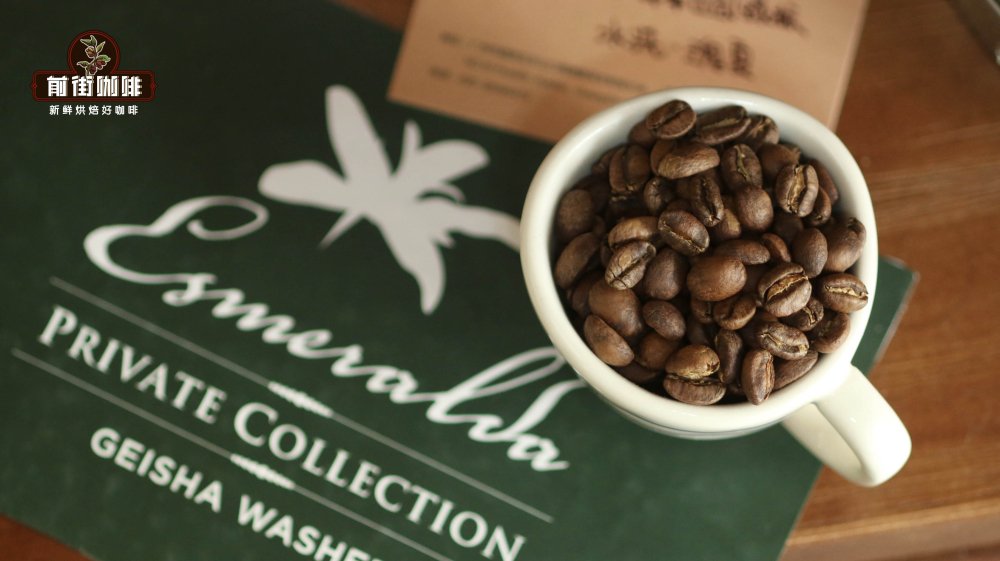
In Panama, the best Geisha must be grown above 1700m. Estates such as Hacienda La Esmeralda plant their Red Label and Green Label Geisha above 1700m, while other estates, including the renowned Elida Estate, plant Geisha at 1700-1950m.
What are the characteristics of Geisha varieties grown in Panama?
FrontStreet Coffee often points out that coffee is an agricultural product, and its flavor expression is always closely tied to variety, climate, altitude, soil and management. It is a natural, honest expression of the variety and its local terroir, while post-processing and roasting should preserve, restore and present that most authentic flavor as fully as possible. Geisha's excellence, then, is inseparable from the coordination of all these factors.

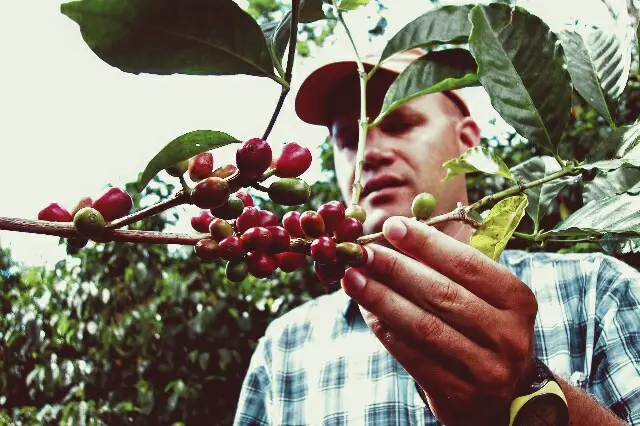
Compared with other Arabica varieties, Geisha not only yields less fruit but has particularly fragile plants and is very demanding about growing conditions. It needs high altitude, fertile soil and cloud cover or plant shade - it cannot be exposed directly to harsh sunlight. Geisha trees have very thin leaf systems, so photosynthesis is quite inefficient, and their roots are fragile, absorbing water and nutrients slowly. Production is therefore very low, and combined with high-altitude growing conditions, the fruit matures relatively late. A single Geisha tree yields only half as much fruit as a Caturra tree, which is one reason Geisha is so precious.
The man who "discovered" Geisha, the owner of Hacienda La Esmeralda, once said that the estate needs many shade trees to protect the delicate Geisha from direct sunlight, and that traditional pruning must be used during the early planting stage, otherwise the plants tend to die. Geisha planted higher up matures more slowly, which produces a more complex and unique flavor. The fruit must be harvested at the most appropriate stage of ripeness and processed immediately. This is a real challenge for the estate owner's judgment and the quality of the estate's labor; miss the timing and quality drops, wasting the crop.

Why is Geisha coffee so expensive?
Its extremely low production is only one part of the explanation. What truly fascinates people is Geisha's unique and alluring flavor, and that is the most important reason for its exceptional preciousness. Geisha has to be picked at the ideal moment of ripeness and then carefully processed and dried right away.
The high price of Hacienda La Esmeralda Geisha, for example, comes down to a few factors: first, Hacienda La Esmeralda was the earliest discoverer of Geisha; second, Geisha has been a consecutive BOP winner; third, the estate built its own quality system. Even so, the most expensive Hacienda La Esmeralda Geisha beans must be bought through auctions, and those are known as competition grade.
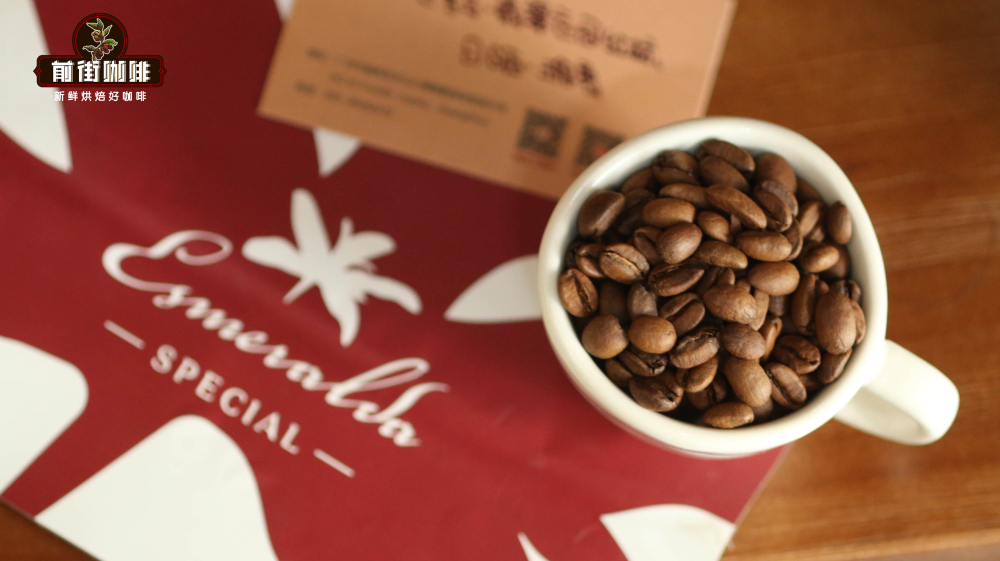
Consider how the price of Hacienda La Esmeralda's competition-grade Geisha has moved: in 2004, $21 per pound; in 2006, $50.25 per pound; in 2007, $130 per pound; in 2010, $170.2 per pound. By 2017, at the Panama Specialty Coffee auction, a batch of natural-processed Geisha from Hacienda La Esmeralda reached an astonishing $601 per pound, meaning a single kilogram of green beans cost as much as 8,900 RMB.
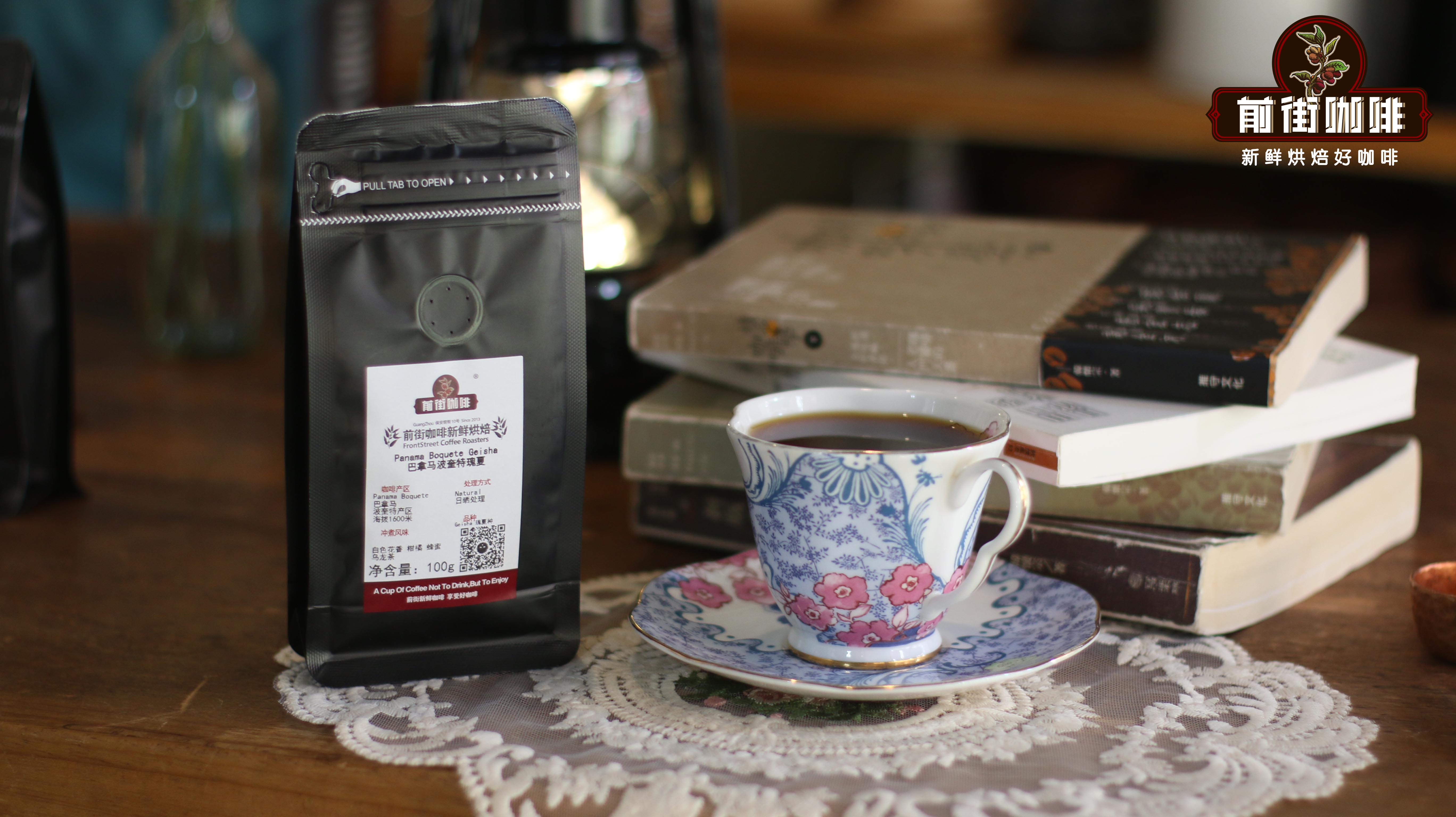
The Emerald Red Label and Emerald Green Label Geisha coffees we can actually buy are sold directly, without going through auctions, so their prices are far more affordable. Geisha prices vary between estates and coffee shops, since procurement costs differ. At FrontStreet Coffee, a cup of Emerald Estate Red Label Geisha currently sells for 75 RMB, a cup of Emerald Estate Green Label Geisha sells for 60 RMB, and there is also a Geisha from the Boquete region of Panama, not tied to a specific estate, at 30 RMB per cup.

Geisha Pour-Over Coffee Brewing Suggestions
FrontStreet Coffee ships its beans within 5 days of the roast finishing, so there is no need to brew them the moment they arrive. Let the beans rest first: keep them sealed in their original packaging in a cool, dry place for 3-4 days after the roast date. Brewed that way, the Geisha will taste noticeably better.
FrontStreet Coffee's recommended brewing parameters for Geisha: filter cone V60 #01, coffee dose 15g, coffee-to-water ratio 1:15, brewing water temperature 90-91°C, grind size medium-fine, with an 80% pass-through rate on a #20 standard sieve.
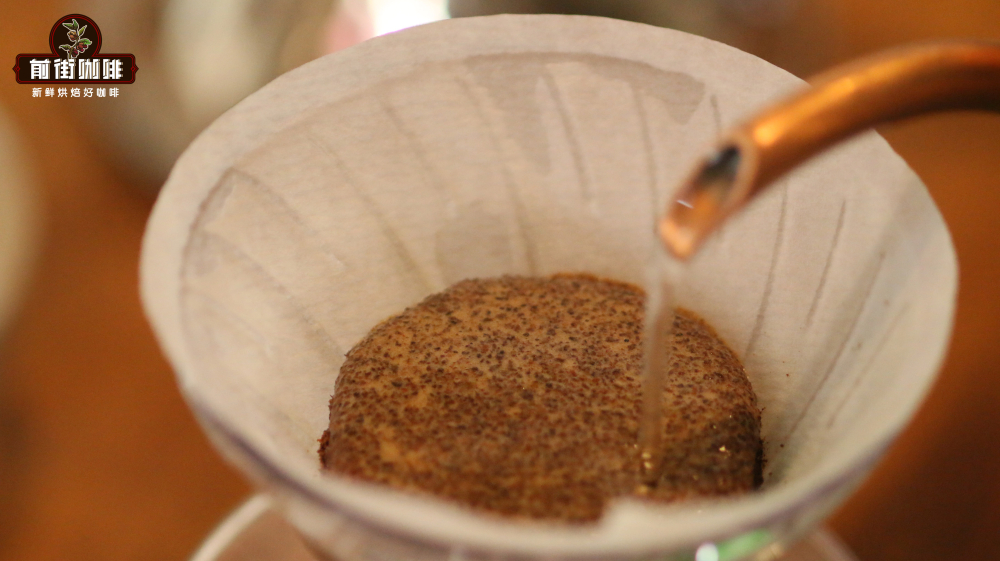
The recommended method is a three-stage pour. Start the timer and use 30g of water for the first stage, blooming for 30 seconds. After 30 seconds, begin the second stage with a small stream of water in a circular motion until you reach 125g. When the liquid level drops to two-thirds of the coffee bed, begin the third stage with a small stream in a circular motion until you reach 225g, then stop pouring. Once all the coffee has drained through into the server, remove the cone to finish the extraction. Total extraction time for Geisha is typically between 2 minutes 10 seconds and 2 minutes 20 seconds.

Pour-over Emerald Red Label Geisha tastes of fresh jasmine, citrus and tropical-fruit acidity, and its flavor layers shift as the temperature falls. The overall mouthfeel is smooth, with a pleasant tea-like aftertaste.
FrontStreet Coffee Recommendation
Geisha is wonderful, but it is not the only way to drink exceptionally well. If you love a rich, low-acid cup at a sensible price, FrontStreet PWN Golden Mandheling is hard to beat. Sourced through Indonesia's PWN company, the beans must measure 18 mesh or larger and hold fewer than 3 defects per 300g sample, meeting the top G1 standard, after which they pass through three rounds of hand sorting that strip out every remaining defect.
That discipline shows in the cup: after a medium-dark roast, this wet-hulled Sumatran Mandheling offers a remarkably clean body and a strong, deep sweetness, with dark chocolate, caramel and roasted notes and the wild herbal character the region is known for. It is an excellent choice for anyone who does not care for acidity.
For a more everyday pour, FrontStreet Lintong Mandheling comes from the Lake Toba area of the Lintong region on Sumatra. Also medium-dark roasted, it is low in acidity and full-bodied, with caramel, dark chocolate and toasted bread aromas and a long, sweet finish - the classic Mandheling experience in a cup.
Important Notice :
FrontStreet Coffee is a long-established specialty coffee roaster in Guangzhou China, selling freshly roasted beans from its own farm in Yunnan as well as dozens of carefully selected single-origin beans from around the world for both pour-over and espresso. The products deliver consistently excellent quality and great value, with shipping within 24 hours. Guangzhou's FrontStreet Coffee shop is recommended by many coffee lovers, and the beans are now available online at the Tmall 。
FrontStreet Coffee has moved to a new address:
FrontStreet Coffee Address: 315,Donghua East Road,GuangZhou
Tel:020 38364473
 Scan and follow the En Gafei WeChat official account. Please indicate that the reprint comes from "En Gafei".