How to Brew Colombian Coffee? Finding the Perfect Water Temperature for Pour-Over Brewing
For more premium coffee knowledge, please follow FrontStreet Coffee.
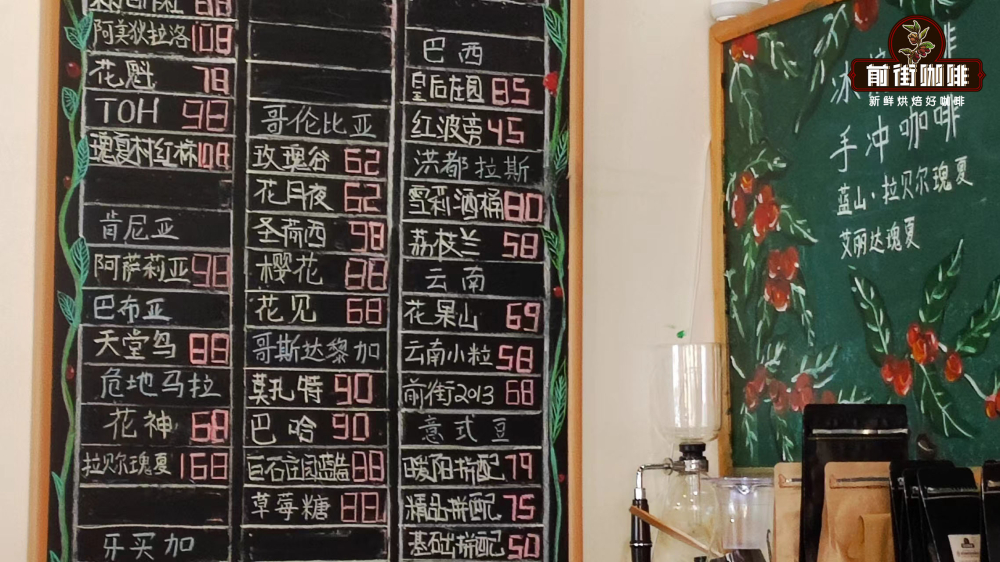
Anyone who has visited FrontStreet Coffee knows that our shop carries a wide variety of coffee beans, and for beginners that can feel overwhelming. More options simply mean you need a bit more coffee knowledge to pick the one that suits you. Fortunately, the baristas at FrontStreet Coffee always ask about your flavor preferences before recommending anything. Among our selection, Colombian coffee has won over countless enthusiasts with its complex and diverse fruit flavors.

Colombia's Ideal Coffee Growing Environment
Compared with many coffee-growing countries in Central and South America, Colombia possesses vast lands that seem "naturally" made for coffee. Its varied terrain creates diverse microclimates, providing excellent conditions for growing high-quality Arabica. Below, FrontStreet Coffee walks you through what makes Colombian coffee special.
Colombia's coffee regions are extensive, with Medellin, Armenia, and Manizales the most famous — collectively known as "MAM." However, the country's premium beans come primarily from the south, at elevations above 1,500 meters: San Augustin in Huila, Popayan in Cauca, Nariño, and Tolima. Coffee from these areas features delicate acidity, berry aromas, caramel sweetness, and an overall sweet profile.
Huila: Colombia's Premium Coffee Region
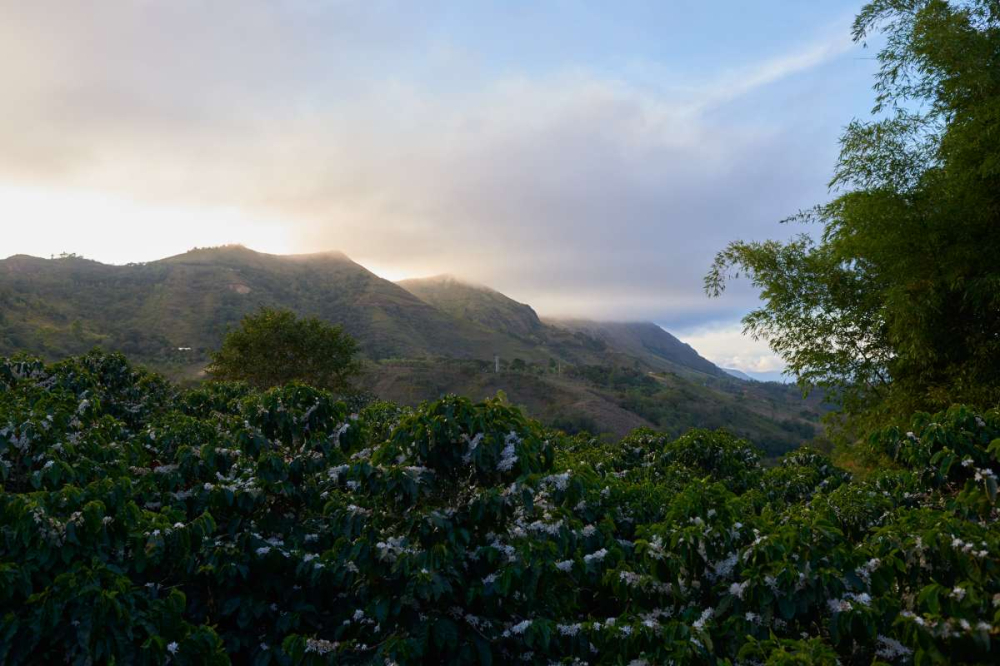
Huila sits in southwestern Colombia and is one of the country's main coffee-growing areas. Because famous growing sites are scattered throughout the region, the names of small local areas have become brand names in their own right. Although the growing conditions here are excellent, farm infrastructure is still underdeveloped — green bean drying equipment and wet mill facilities remain incomplete, which is a real shame. FrontStreet Coffee's Colombian daily beans come from the Huila region.

Colombian Coffee History and Branding
Before diving into the regions, a quick history lesson — a FrontStreet Coffee tradition. The origin story of Colombian coffee has several versions, and while there is no definitive answer, most accounts agree that coffee was introduced by Jesuit missionaries in 1723. Adoption as an economic crop was slow across the country's regions; production didn't take off until the late 19th century, and by 1912 coffee accounted for 50% of Colombia's total exports.
What sets Colombia apart from other origins is its focus on branding and marketing. A fictional farmer named Juan Valdez became the "poster boy" of Colombian coffee, his image and his mule appearing on bags and in advertising campaigns. That branding added value to Colombian coffee and made it a recognized name in the United States.

Colombia's Natural Coffee Paradise
Colombia's climate offers coffee a true "natural pasture." In previous articles, FrontStreet Coffee has always emphasized the country's unique growing environment — high-altitude terrain combined with many tropical microclimates has dramatically improved coffee quality. On the topographical map, Colombia's west is crossed by three main mountain ranges, arranged like rivers on a map: the Western Range, hugging the Pacific coast; between the Western and Central ranges lie the Cauca and Magdalena valleys, which provide favorable shade for coffee cultivation — this land also hosts the world-famous growing region of Medellin. The Eastern Cordillera is the third range, to the southwest.
Colombia's Coffee Production Excellence
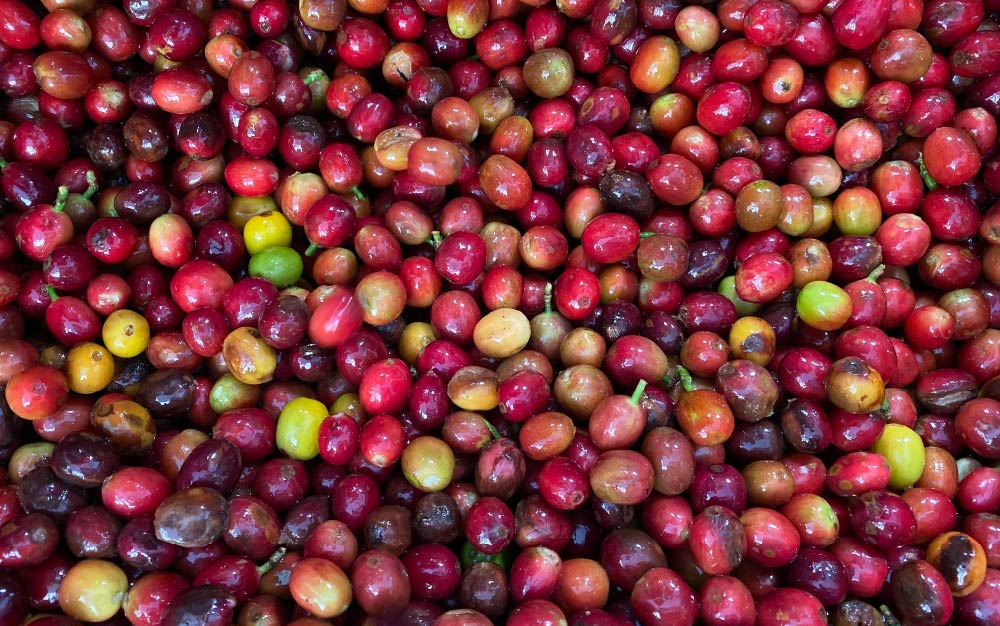
Today Colombia is known as the world's third-largest coffee producer — behind Brazil, and ahead of Vietnam, whose output is mainly Robusta. According to the 2019 FNC report, Colombia is the world's largest producer of washed Arabica coffee.
It's no exaggeration to say Colombian coffee has earned its place in the specialty coffee market. Within Colombia, no region produces more coffee than Huila in the Andes. According to the Colombian Coffee Growers Federation (FNC), in 2016 Huila produced 2.6 million 60-kilogram bags of coffee — 18% of the country's total. That same year, the Neiva Chamber of Commerce reported the department had 154,800 hectares dedicated to coffee cultivation. But Huila's value isn't just quantity; it regularly produces Cup of Excellence award winners.

Huila Region's Growing Conditions
So what exactly are Huila's growing conditions? The region is ringed by the central and eastern ranges of the Andes, with most farms lying in the Magdalena Valley, which creates significant climate variation. According to the FNC, farm temperatures range from 17 to 23 degrees Celsius, and most farms sit between 1,200-1,800 meters in elevation. Coffee here also benefits long-term from nitrogen-rich volcanic soil. Huila coffee has a delicate, smooth taste with a heavier body and excellent balance — nutty, chocolate, and caramel aromas with well-judged acidity make Huila beans a textbook example of quality specialty coffee, a true gentleman among coffees.
FrontStreet Coffee's Colombian Selection
Now let's focus on FrontStreet Coffee's own Colombian offering. Here's the bean information:

FrontStreet Coffee: Colombian Washed Huila Coffee Beans
Country: Colombia
Region: Huila
Elevation: 1500-1800 meters
Processing Method: Washed
Variety: Caturra
You'll notice that most of FrontStreet Coffee's daily beans use washed processing. FrontStreet Coffee believes that among all the processing methods, washed beans best showcase a region's terroir. Brewed with our standard method, this Colombian bean shows a balanced cup with very noticeable sweetness — rich chocolate on entry, caramel and nutty notes, and a light fruit acidity that appears as the cup cools. Note that this daily bean is roasted darker than coffee from many other Colombian regions.
Brewing Colombian Coffee at Home
So how should you brew Colombian coffee? Here's a FrontStreet Coffee recipe that won't let you down at home:

FrontStreet Coffee brewing parameters:
KONO dripper
Water temperature: 88°C
Water-to-coffee ratio: 1:15
Coffee amount: 15g
Grind size: 80% pass-through rate on a #20 standard sieve

FrontStreet Coffee brewing technique: Bloom with 30g of water for 30 seconds, then pour in small circles up to 125g and pause. When the water level is about to expose the coffee bed, pour again up to 225g and stop. Once the bed is about to surface again, remove the dripper. (Timing starts from the bloom.) Total extraction time: 2'00". That said, this doesn't mean FrontStreet Coffee's recipe is the only good one — the parameters above are for standardized production. When you brew at home, experiment freely and find what suits you best.

Colombian Coffee Varieties
One more note: FrontStreet Coffee's daily bean uses Caturra, the most common Colombian variety. But Colombian varieties are remarkably rich. Beyond the common Central American varieties like Bourbon, Typica, and Catuai, there are varieties found mainly in Colombia — Tabi, Colombia, Maragogipe, and Castillo — plus Sidra and Geisha, which have become familiar to us in recent years through world-class competitions.
FrontStreet Coffee Recommendation
If you want the classic Colombian experience, start with FrontStreet Coffee's Washed Huila. Roasted medium-dark, it highlights black chocolate and nutty sweetness with a velvety body and moderate crema — great as a pour-over or French press, and equally at home in a moka pot or espresso machine for Americanos and lattes.
Feeling more adventurous? FrontStreet Coffee's Finja (Xijao) from Boundary Estate is an anaerobic natural — fermented in a sealed, low-oxygen tank to build layers of tropical fruit aroma. Roasted medium-light, it pours with intense, complex notes of passion fruit, grape, apricot, and dried fruit. It's fantastic as pour-over, cold brew, drip bag, or even moka pot. And if you run an espresso machine at home, the FrontStreet Signature Blend pairs Brazil's creamy nuttiness with Colombia's dark chocolate bitterness — golden, fine crema and beautifully smooth with milk.
Important Notice :
FrontStreet Coffee is a long-established specialty coffee roaster in Guangzhou China, selling freshly roasted beans from its own farm in Yunnan as well as dozens of carefully selected single-origin beans from around the world for both pour-over and espresso. The products deliver consistently excellent quality and great value, with shipping within 24 hours. Guangzhou's FrontStreet Coffee shop is recommended by many coffee lovers, and the beans are now available online at the Tmall 。
FrontStreet Coffee has moved to a new address:
FrontStreet Coffee Address: 315,Donghua East Road,GuangZhou
Tel:020 38364473
 Scan and follow the En Gafei WeChat official account. Please indicate that the reprint comes from "En Gafei".