Why Kenyan Coffee Uses the Washed Method: A Guide to Pour-Over Coffee Parameters
FrontStreet Coffee - Kenyan Coffee Processing Method and Pour-over Flavor Profile
Kenya sits in the tropical growing zone, with two rainy seasons a year and therefore two harvests: 60% of the crop concentrated from October to December, the remaining 40% from June to August. Coffee is grown mainly in the volcanic highlands at 1,600-2,100 meters around and beyond the capital, Nairobi. That altitude is ideal for flavor development - cooler mountain temperatures slow the trees' growth, letting aromatic compounds fully develop, fruit acidity grow more pronounced, and bean texture harden. This crescent-shaped, fertile coffee belt is where Kenya's premium beans come from.
What is the K72 Washed Processing Method?
It is a cyclic process of washing after harvesting and fermentation. On harvest day, the finest cherries are selected, pulped, and fermented for 24 hours. They are then washed in clean river water, fermented again in fresh river water for another 24 hours, and washed once more. The cycle repeats three times to reach 72 hours total - hence the Kenyan-style 72-hour fermented washed method, abbreviated K72.
The long, cool fermentation and slow sun-drying produce beans with brighter, cleaner, yet fuller flavors!
FrontStreet Coffee Pour-over Parameters Sharing
Kenya Karogoto AA
Country: Kenya
Region: Nyeri
Processing Station: Karogoto Factory
Altitude: 1,800 meters
Varieties: SL28, SL34
Cooperative: Tekangu FCS
Producer: Smallholder farmers of the cooperative
Parameters: 18g of coffee, water temperature 90°C, medium-fine grind (BG-6S: 60% pass-through on a China-standard #20 sieve), coffee-to-water ratio 1:10 (ice not included), plus 100g of ice in the server.
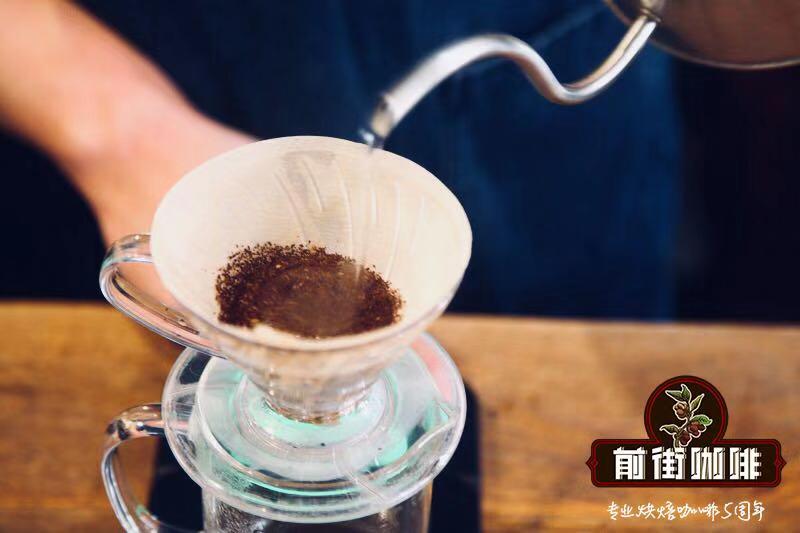
Bloom with roughly twice the dose in water - about 30 seconds - and begin pouring once the bed shifts from wet-looking to dry. Pour to 110g and pause. When the level drops and the bed is nearly exposed, continue to about 180g and stop. Remove the dripper once all the water has drained.
Washed Kenya - Asali: Aromas of light jackfruit, florals, and pine; on the palate, dried plum, lemon, citrus, and cherry-tomato acidity, with a caramel aftertaste and a juicy sensation.
Knowledge Bonus
SL34 shares SL28's flavor character - complex, varied acidity and an excellent sweet finish - but with a heavier, richer, cleaner mouthfeel. Its lineage includes French Mission, Bourbon, and some Typica. The beans look similar to SL28, but SL34 copes better with sudden heavy rain.
FrontStreet Coffee Recommendation
If Kenya's bright, juicy character is what you are after, the FrontStreet Kenya Cherry Tomato is the quintessential washed Kenyan: from the Thika region, grown at 1,550-1,750 meters on SL28 and SL34, given the Kenyan-style 72-hour double-washed fermentation, and roasted light to preserve its lively acidity. The dry fragrance alone offers dried cherry tomato and florals; in the cup, clear cherry tomato and dried-plum flavors arrive with bright, solid acidity like fresh-squeezed juice, mid-palate sweetness laced with snow pear and black plum, and a clean, long finish of yellow sugar and a whisper of green tea.
For brewing, the V60 is the natural partner for a fast-extraction, acid-forward coffee like this: its 60° cone and single large outlet keep flow in the brewer's hands, letting florals, fruit acidity, and delicate sweetness render in three dimensions - exactly what the staged-pour technique above is designed to achieve. FrontStreet's recipe for washed Kenyans runs 15g of coffee, a 1:15 ratio, water at 90-92°C, and a fine-granulated-sugar grind.
And if you would like to compare origins side by side, FrontStreet's light-roast lineup pairs beautifully with Kenya: the Ethiopia Yirgacheffe Guojiadiing for soft citrus and jasmine, the Ethiopia Huakui for tropical fruit, and the Panama Esmeralda Red-Label Geisha for jasmine, bergamot, and black tea - a tasting flight across Africa's brightest and Panama's most elegant.
Important Notice :
FrontStreet Coffee is a long-established specialty coffee roaster in Guangzhou China, selling freshly roasted beans from its own farm in Yunnan as well as dozens of carefully selected single-origin beans from around the world for both pour-over and espresso. The products deliver consistently excellent quality and great value, with shipping within 24 hours. Guangzhou's FrontStreet Coffee shop is recommended by many coffee lovers, and the beans are now available online at the Tmall 。
FrontStreet Coffee has moved to a new address:
FrontStreet Coffee Address: 315,Donghua East Road,GuangZhou
Tel:020 38364473
 Scan and follow the En Gafei WeChat official account. Please indicate that the reprint comes from "En Gafei".