Ethiopia Sidamo Coffee Region Characteristics Flavor Description Sidamo Coffee Bean Varieties

Some drinkers find Yirgacheffe a touch too sharp and acidic yet still crave those fruity flavors — what should they choose? FrontStreet Coffee believes that while the bright citrus acidity of Yirgacheffe isn't for everyone, it remains most people's choice. But for those seeking something a little softer, we'd still recommend Ethiopian coffee. Why? Because Ethiopia is the birthplace of coffee, with countless varieties whose profiles differ dramatically from region to region. Yirgacheffe represents one distinctive Ethiopian profile; other regions offer even richer character, with fuller juice sensations and floral-fruity aromas.
Yirgacheffe and Sidamo: Different Processing Methods
Yirgacheffe and Sidamo are both famous specialty regions of Ethiopia, but their processing traditions differ. Most Yirgacheffe coffees are wet-processed — washed Yirgacheffe and washed Kochere, for example — while Sidamo beans are predominantly natural-processed, the best-known being natural Guji.

Precisely because Ethiopia's growing regions differ so much, cupping profiles vary greatly between regions, micro-regions, and even single farms. That's why FrontStreet Coffee carries the largest selection of Ethiopian single origins — more than a dozen varieties — letting customers experience multiple flavor profiles. Washed Yirgacheffe and Guji are the most popular. And because Ethiopia is known as the world's coffee gene bank, Ethiopian Arabica captivates no matter the region.
The Sidamo Coffee Region
Sidamo, in southern Ethiopia near the Kenyan border, ranges from 1,400 to 2,200 meters in altitude. Its defining trait is extreme diversity: different soils, microclimates, and countless native varieties give each town's coffee a distinct character. FrontStreet Coffee believes Sidamo's full juice sensation and floral-fruity aromas are inseparable from the local climate and environment.

From 2010 to 2012, the region consistently scored 92–94 on Coffee Review, the authoritative American evaluation site — clear evidence of the quality of its green beans. The terrain is varied: towering mountains, highlands, plateaus, valleys, and plains. The geology is nutrient-rich, well-drained volcanic soil reaching nearly two meters deep, with dark brown or brown topsoil. The region's great advantage is that fertility is maintained through the cycling of organic matter — withered leaves from surrounding trees and residual plant roots serve as fertilizer. High-altitude Sidamo coffee offers exceptional flavor.
The most famous growing areas in Sidamo are Guji and West Arsi. Guji lies southeast of Yirgacheffe, with towering mountains, valleys, and plains and fertile black soil. The high altitude creates significant day-night temperature differences, giving coffee from this area a very distinctive character.

The Hambella Region
The Guji coffee we usually talk about comes from the Hambella region of Sidamo — Chinese green bean importers gave Hambella coffee the name "Guji." The name alone makes the beans appealing and raises expectations. Hambella faces Yirgacheffe's Kochere region across the mountains to the west, and borders the other Guji sub-regions of Shakiso, Uraga, and Kercha to the southeast, north, and south.
In the Hambella mountains, villagers live at 2,000 meters in remote, relatively isolated conditions. The region currently has about 20 processing plants of various sizes, and the Guji beans that made the region famous come from the Buku processing plant in Buku Abel village at 2,200 meters. From the start, cultivation was blessed with a noble "family environment" — humus-rich reddish-brown soil — and shade from Enset trees, letting Guji receive sufficient sunlight and develop rich flavors without draining the tree, so more essence stays within the cherries. The harvest and processing season runs December to January, and the unique environment and natural climate create Guji's distinctive flavors.

Guji Coffee Varieties
As the gene bank of coffee, Ethiopia holds numerous varieties that are difficult to identify and classify. Because the government wants to protect its native varieties, beans exported from Ethiopia are very often collectively labeled Heirloom native landraces — and Sidamo beans are likewise local native landraces.
Sidamo's Natural Processing Method
Don't let washed Yirgacheffe mislead you into thinking all Ethiopian coffee is wet-processed. Ethiopia actually relies primarily on natural processing — even today it accounts for about 70% of national production, despite washed processing having been introduced in 1972 and growing rapidly in the decades since. FrontStreet Coffee notes that wet processing reduces defect rates and gives cleaner, brighter flavor, which better reflects each origin's character — one reason we favor washed beans to represent many producing countries' profiles.

Sidamo's natural processing is meticulous. During harvest, only ripe cherries are picked, uniform in size and ripeness and free of impurities. Processing begins with strict manual sorting to remove defective beans; the red cherries are then spread evenly on raised wooden beds or drying racks to prevent mold and earthy odors, and turned constantly for even drying and uniform moisture loss. Every three to five days, farmers hand-sort out defective or moldy beans. Once the skin dries and hardens, a huller removes it, and after hulling the green beans face one final sorting in pursuit of perfect flavor — achieving the highest Grade 1 quality.
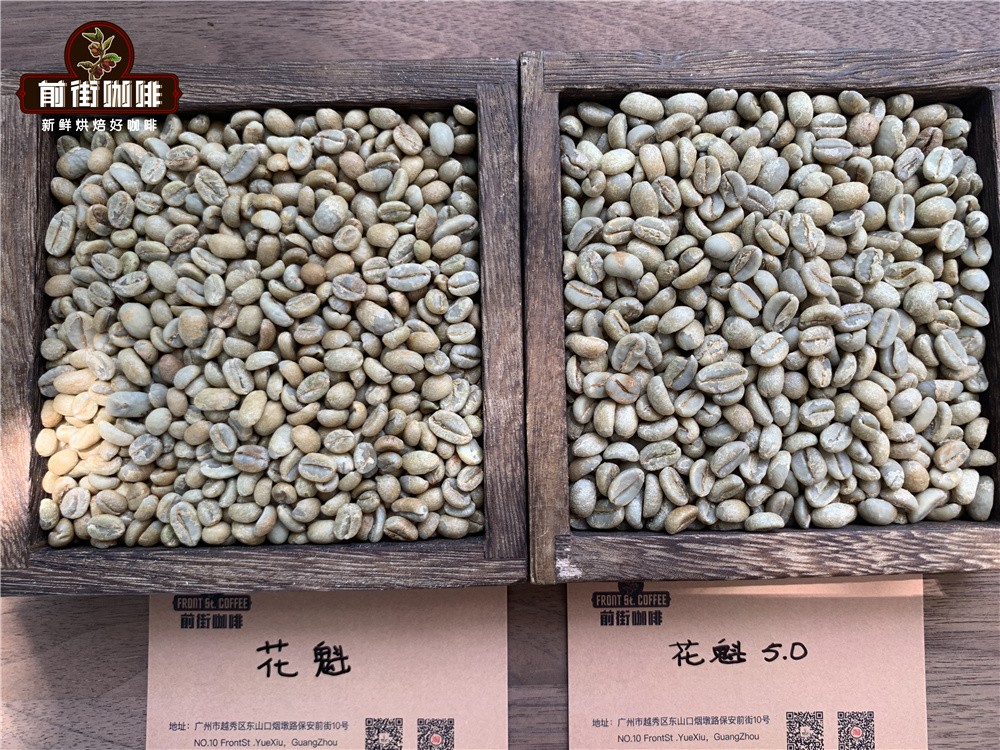
After Guji became famous, the Buku plant successively released Guji 2.0, 3.0, 3.1, 4.0, 5.0, and 6.0. Why the version numbers? Coffee is an agricultural product, and its flavor naturally shifts with climate and environment. The core profile doesn't change, but subtle variations occur — and naming them this way helps distinguish beans from different years.
FrontStreet Coffee's Brewing Recommendations
Freshness is indispensable to a delicious cup. Beans shipped from FrontStreet Coffee are roasted within 5 days, because freshness has an enormous impact on flavor — our philosophy is "freshly roasted good coffee." The beans' degassing period is about 4–7 days, so they arrive at peak flavor.

Of course, if you need your beans pre-ground, that's fine too — but note that pre-ground coffee doesn't need degassing, since during transport the pressure of built-up carbon dioxide in the packaging mellows the flavor, so you can brew immediately on arrival. Still, ground coffee must be brewed promptly: it oxidizes quickly in air, the flavor dissipates faster, and the cup won't taste as good. We recommend buying whole beans and grinding fresh.
FrontStreet Coffee's Sidamo Brewing Parameters
V60 dripper, water temperature 90°C, coffee-to-water ratio 1:15, 15g of coffee, grind at 80% pass-through on the China No. 20 standard sieve.
Using segmented extraction, bloom with twice the coffee's weight in water — 30g for 30 seconds. Blooming lets the grounds release trapped carbon dioxide for more stable extraction later. Pour in a small, circular stream to 125g, then continue to 225g and stop. Remove the dripper once the water has fully drained. Total time from the start of pouring is 2'00". Then give the brewed coffee a good swirl and pour into cups for tasting.

Guji 5.0 flavor characteristics: Floral notes, berries, citrus, the sweet-tart sensation of plums, mango juice, and honey, with a sweet black tea aftertaste.
Natural West Arsi flavor: A berry juice-like mouthfeel at high temperatures, gradually revealing plum, nectarine, mango, and honey as it cools.

FrontStreet Coffee Recommendation
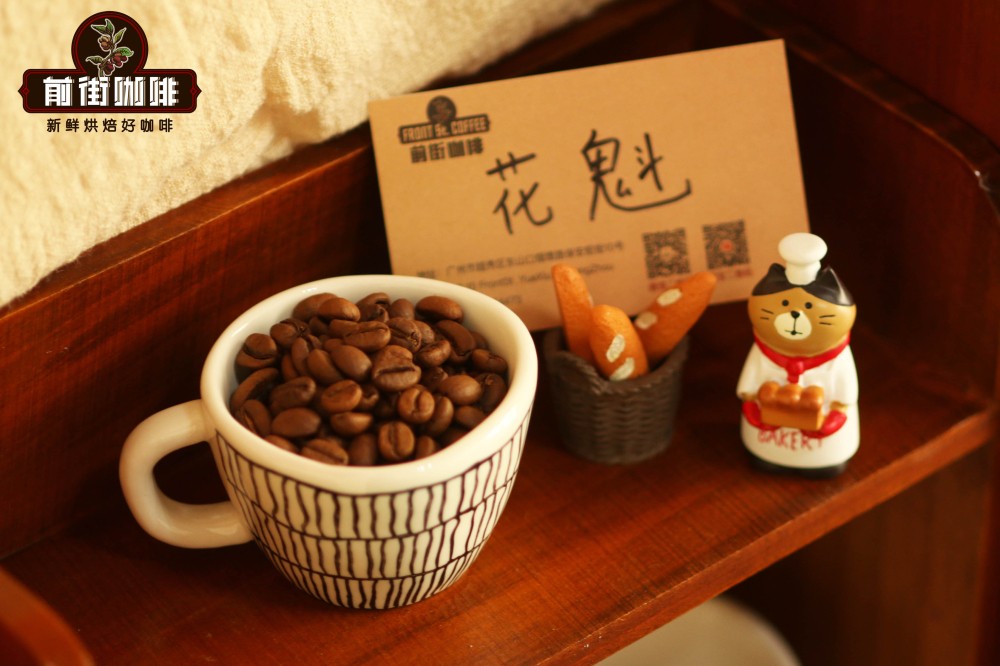
If Yirgacheffe's citrus brightness feels a little sharp, a softer Ethiopian route is to start with the entry-level FrontStreet washed Yirgacheffe everyday coffee — white jasmine, bright citrus and lemon acidity, and a tea-like finish at a friendly price — or step across to Sidamo's naturals: the FrontStreet Guodingding Cooperative lot from the Worka area of southeastern Yirgacheffe (independent since 2012, about 300 member farmers) is pulped before drying for exceptionally clear citrus, lemon, and white-floral character, while the FrontStreet Red Cherry natural keeps the classic Yirgacheffe profile and adds tropical fruit — citrus acidity, berry juice, honeyed sweetness, and creamy smoothness. For fuller, more hedonistic fruit, the FrontStreet Huakui from Hambella in Guji — a 200-hectare farm drying cherries on raised beds for 21 days, turned constantly and hand-sorted every three to five days — delivers light fermented wine, florals, citrus, and mango with honeyed sweetness and a thick, lasting body after a medium-light roast.
Important Notice :
FrontStreet Coffee is a long-established specialty coffee roaster in Guangzhou China, selling freshly roasted beans from its own farm in Yunnan as well as dozens of carefully selected single-origin beans from around the world for both pour-over and espresso. The products deliver consistently excellent quality and great value, with shipping within 24 hours. Guangzhou's FrontStreet Coffee shop is recommended by many coffee lovers, and the beans are now available online at the Tmall 。
FrontStreet Coffee has moved to a new address:
FrontStreet Coffee Address: 315,Donghua East Road,GuangZhou
Tel:020 38364473
 Scan and follow the En Gafei WeChat official account. Please indicate that the reprint comes from "En Gafei".