Sidamo Coffee Region Introduction & Flavor Profile Analysis
As one of Africa's most prominent coffee-producing regions, Ethiopia is home to many specialty coffee standard-bearers. Among them, Sidamo coffee has captivated palates worldwide for years with its rich floral aromas and fruit notes, making it a must-try region for coffee enthusiasts.
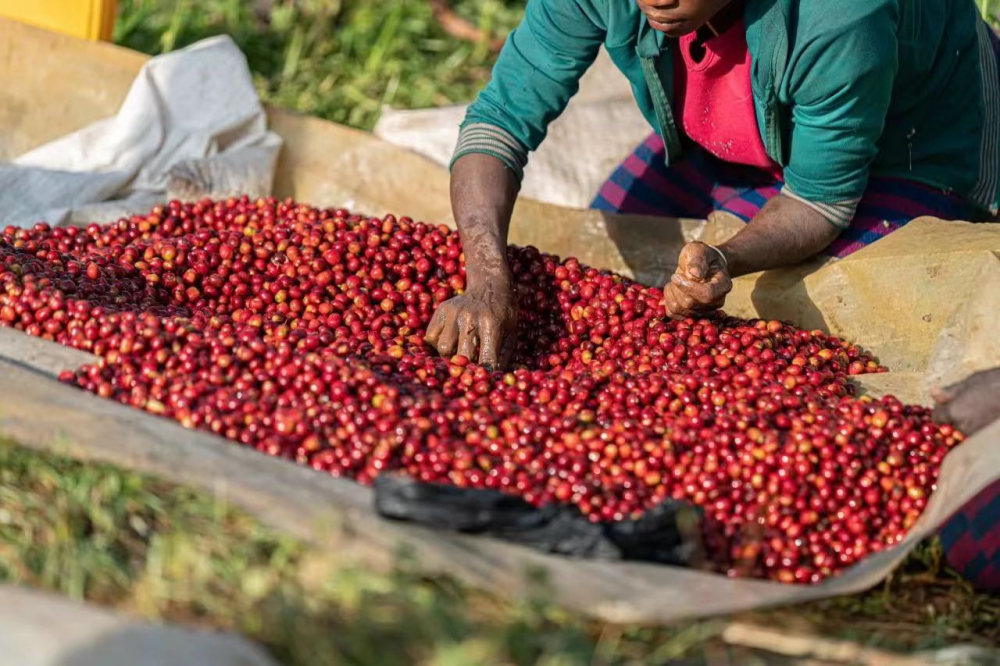
For a long time, coffee lovers around the world called the coffee from this region Sidamo. Today, however, many in the coffee community have begun using the name Sidama instead. Why the change?
Historically, Sidamo was the old provincial name of Ethiopia before the administrative reorganization of 1995. The Sidama people had settled in southern Ethiopia as early as the ninth century AD, with their own culture, religion, and language. At the end of the nineteenth century, after the invasion led by Emperor Menelik II, the Sidama were defeated and incorporated into the Ethiopian Empire. The name Sidamo was given to the Sidama people by the empire's rulers and carried somewhat derogatory connotations.
After 1995, Ethiopia adopted a federal system of governance while respecting the cultures of the various ethnic groups within its borders. Local government was reorganized around the residential areas and languages of the major groups. Sidama was incorporated into the new Southern Nations, Nationalities, and Peoples' Region (SNNPR), and the area was officially renamed to its historical name, Sidama.
It is worth noting, though, that before the reorganization Sidamo coffee had already won worldwide fame for its unique aroma. People were therefore more accustomed to Sidamo than to Sidama. When the Ethiopian government protected coffee from the region through trademark registration, it chose the old name, Sidamo®, as the registered mark. To this day, consumers still habitually call the coffee from this region Sidamo.
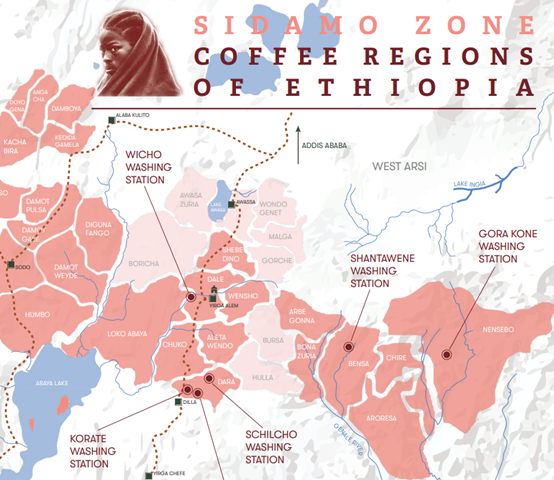
On the coffee maps drawn by the well-known specialty bean merchant Trabocca, the so-called Sidamo region does not fall entirely within today's Sidama zone; it also covers parts of the Oromia Region and the SNNPR. In other words, "Sidamo coffee" really refers to coffee with Sidamo-style flavor characteristics. By the traditional definition, Sidamo coffee shows bright citrus acidity, a smooth texture, and a fuller body than Yirgacheffe.
Coffee Production and Processing
As in other Ethiopian coffee regions, Sidamo coffee is grown mainly by smallholders. Yields from small farms are relatively low, and the region has various cooperatives and processing stations that handle the local green coffee. During the cherry season, nearby farmers deliver their harvest to stations built close to water sources for centralized processing, and the coffee is finally sold under the station's name. With the growth of specialty coffee, many producers now also buy directly from farmers, strengthening the management and traceability of micro-lots and thereby improving quality and producing more finely processed lots.
Horse Queen Coffee (Flower Champion Coffee)
In China, the mention of Sidamo coffee most often brings to mind the increasingly famous Horse Queen Coffee of recent years, along with several natural-process Sidamo coffees from the same series.
In 2017, Ethiopia's DW company won the TOH (Ethiopia National Taste of Harvest competition) championship with a natural lot from the Buku Abel processing station, which impressed the judges with its rich strawberry and cream aromas. The same year, at the World Brewers Cup China competition, Li Jianfei of Beijing CREMA Coffee Training used Horse Queen coffee to beat competing Geisha coffees and took the national runner-up title. Since then, Horse Queen coffee from Sidamo has appeared frequently on coffee menus.
In an interview, the runner-up Li Jianfei said he believed this Ethiopian coffee performed well enough to compete with Panama's Geisha on the same stage. He hoped it could become a top-tier "Geisha," and so named it Horse Queen, or Flower Champion. "A flower rising above all others, graceful and enchanting" is the origin of the name. The English version of Horse Queen Coffee is simply its producing area, Hambella.
Sidamo Region Characteristics
As one of Ethiopia's main specialty coffee regions, Sidamo lies in the south of the country, spanning the highlands south of Lake Awasa in the East African Rift Valley. With elevations of 1,500-2,200m, the large day-night temperature difference slows the ripening of the beans, allowing them to absorb more nutrients and giving the fruit rich layers of sweetness and acidity. Diverse terrain, varied soil types, and multiple microclimates further contribute to the highly varied flavor of Sidamo coffee.
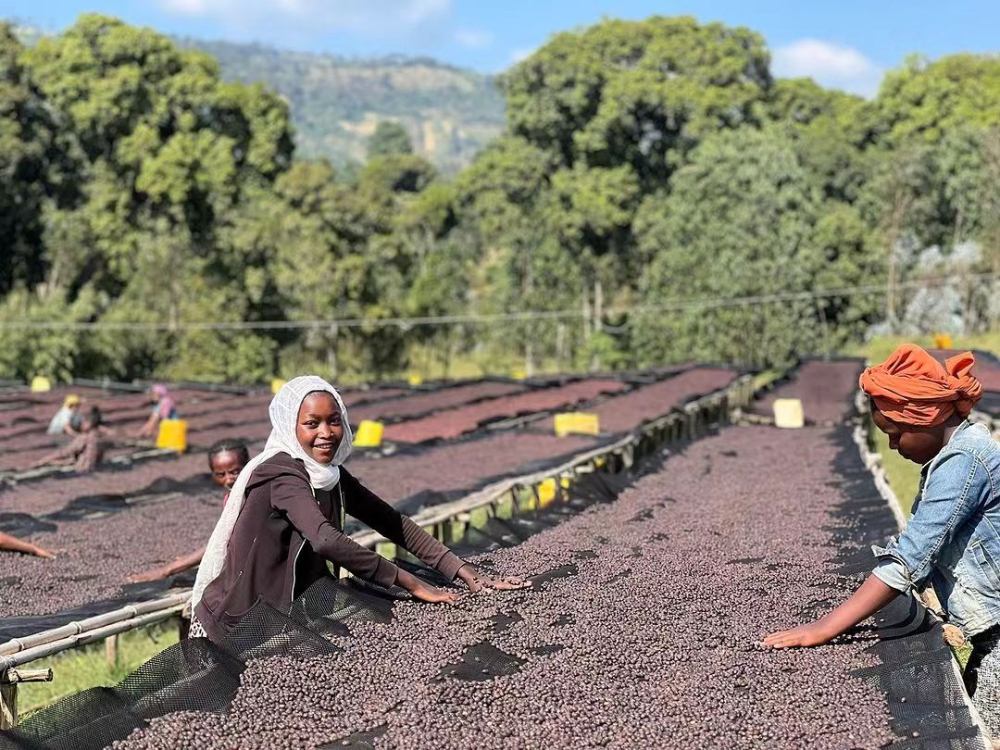
Hambella is a sub-region of the Guji zone, currently with around 20 processing stations of various sizes. Horse Queen beans come from the Buku processing station in Guji. Guji was originally administered under the Sidamo region, but because of its remote location and slower development, its coffee rose to fame relatively late. Its reputation was initially less prominent than Yirgacheffe or Harar, but it was later separated into its own region because of the high quality of its beans.
The area has fertile black soil and an average elevation above 1,800 meters, and its geography creates terroir highly favorable to coffee trees. The Buku processing station sits in Buku Abel village at an altitude of 2,200 meters. Beyond the natural terroir, local farmers also tend each tree meticulously. They plant shade trees beside the coffee trees so Horse Queen receives sufficient sunlight without consuming excess nutrients, preserving more of them in the fruit.
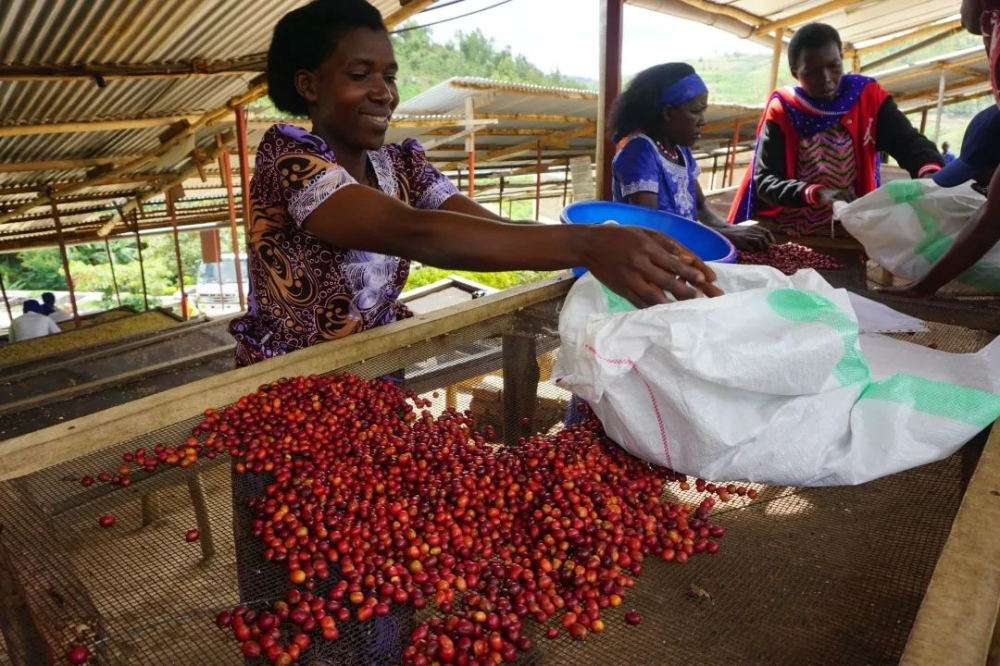
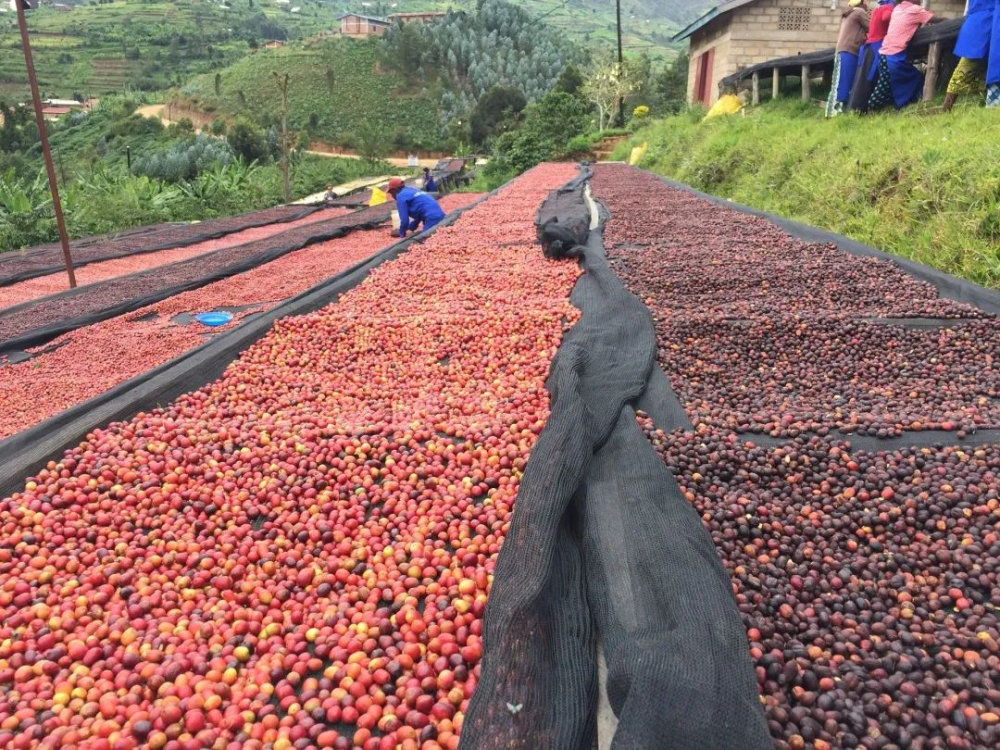
During the annual harvest season (December to January), the Buku processing station organizes farmers to pick fully red cherries with sugar content values above 30. The selected fruit is laid on African drying beds to sun-dry. Because of the wide day-night temperature swing, farmers use shading at midday to avoid excessive fermentation from the heat, and at night they wrap the coffee in plastic to keep off sudden rain. The coffee is turned continuously through the day while being kept from piling too thick, which allows even drying while preventing sunburn and unwanted fermentation. After about 18 days of drying, once the green beans reach a moisture content of only 13%, machines remove the outer shells and the beans are packed.
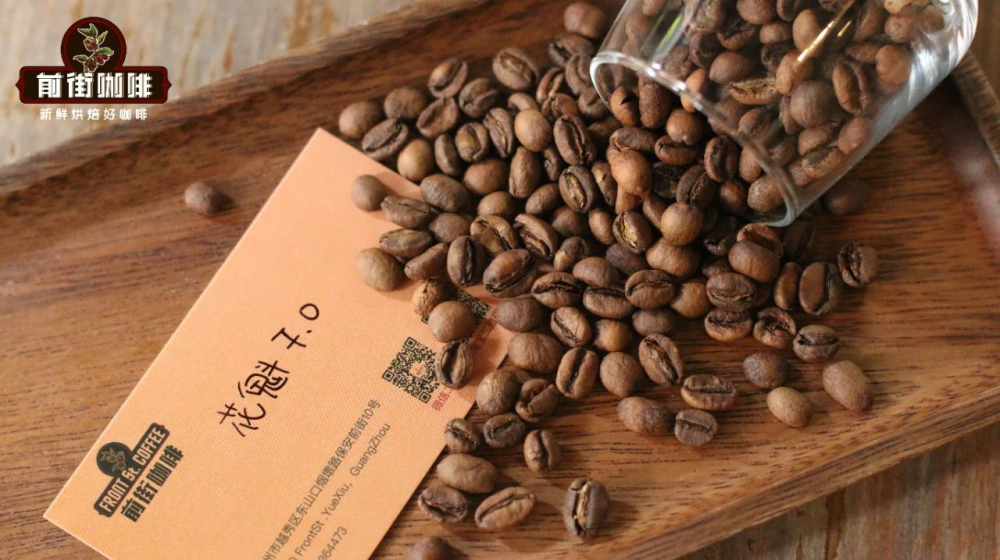
FrontStreet Coffee Recommendation
FrontStreet Coffee: Ethiopia Horse Queen 7.0
Region: Sidamo, Guji Zone
Processing Station: Buku Abel Processing Station
Altitude: 2250-2350m
Variety: Local Heirloom
Processing Method: Natural Process
Flavor Notes: Strawberry, Passion Fruit, Berries, Citrus
Lightly roasted beans have a harder texture, so FrontStreet Coffee uses high-temperature water at 92-93°C to draw out the floral and fruity aromas. FrontStreet Coffee recommends a medium-fine grind (Chinese standard 20-mesh sieve with 78% pass rate). Too coarse a grind cannot extract the full-bodied compounds and the coffee tastes thin; too fine a grind over-extracts at high water temperature and turns bitter. On the ratio, FrontStreet Coffee finds 1:15 to 1:16 both work well. For a richer cup, use 1:15; to perceive the floral sweetness more clearly, use 1:16 so the flavors spread further.
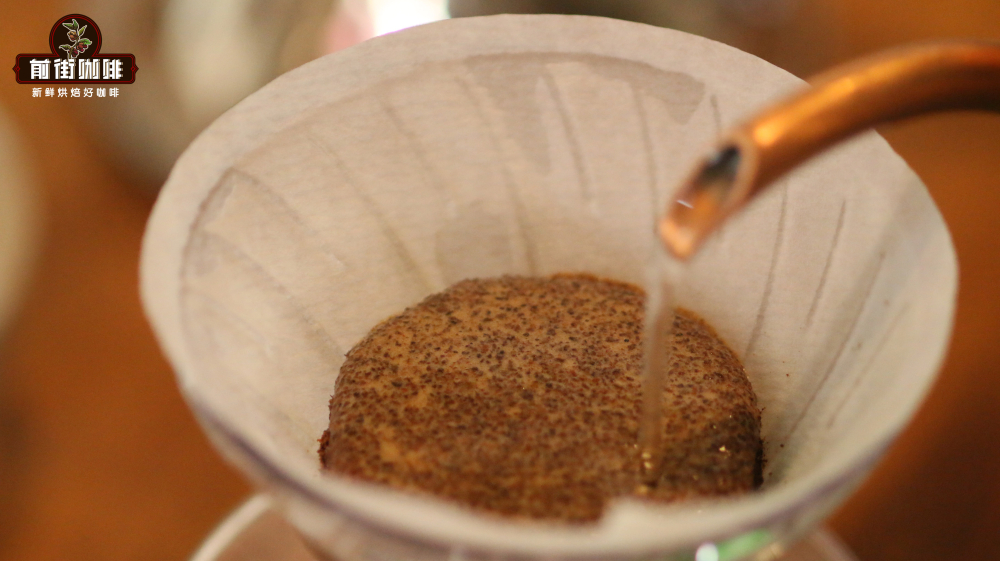
Pour-over Brewing Recommendations for Sidamo Horse Queen Coffee Beans
Dripper: V60
Water Temperature: 92-93℃
Coffee Amount: 15g
Coffee-to-Water Ratio: 1:15
Grind Size: Fine sugar size (20-mesh standard sieve with 78% pass rate)
Pouring Technique: Three-stage pour
Three-stage pouring: Use twice the weight of the coffee grounds in water to moisten the bed, forming a dome, and let it bloom for 30 seconds. Then use a small stream to pour in circles from the inside out to 125g. When the bed drops to half the height of the dripper, continue with the same fine stream to pour the third stage to 225g. Remove the dripper once all the liquid has filtered through, after approximately 2 minutes.
Important Notice :
FrontStreet Coffee is a long-established specialty coffee roaster in Guangzhou China, selling freshly roasted beans from its own farm in Yunnan as well as dozens of carefully selected single-origin beans from around the world for both pour-over and espresso. The products deliver consistently excellent quality and great value, with shipping within 24 hours. Guangzhou's FrontStreet Coffee shop is recommended by many coffee lovers, and the beans are now available online at the Tmall 。
FrontStreet Coffee has moved to a new address:
FrontStreet Coffee Address: 315,Donghua East Road,GuangZhou
Tel:020 38364473
 Scan and follow the En Gafei WeChat official account. Please indicate that the reprint comes from "En Gafei".