Top 10 Blue Mountain Coffee Brands Ranking Introduction: Which Brand Has the Best Blue Mountain Coffee Beans
The Legendary Blue Mountain Coffee
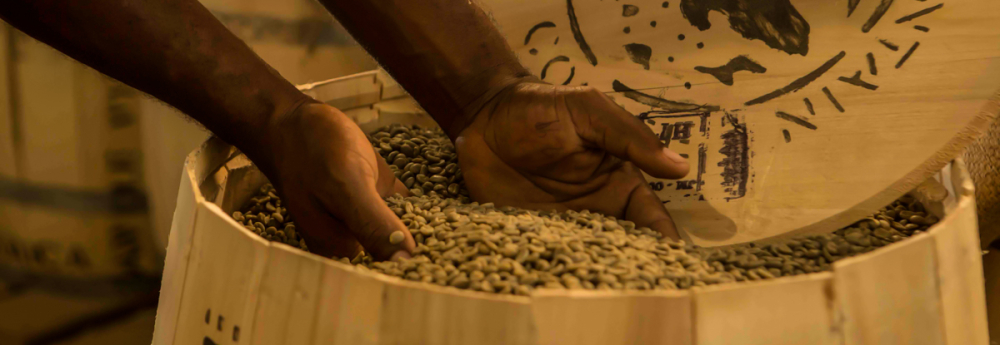
Before the concept of specialty coffee reached the general public, the market was dominated by rich, mellow, bitter coffee. In that era, Blue Mountain coffee stood at the pinnacle of the coffee world on the strength of its extraordinary reputation. Whenever bean rankings were compiled, Blue Mountain consistently came out on top.
How Did Blue Mountain Coffee Become So Famous?
Jamaica's Blue Mountain range, with its exceptional natural environment, produces the world-renowned Blue Mountain coffee. Before the 1960s, Jamaican beans were already highly popular across the coffee market.
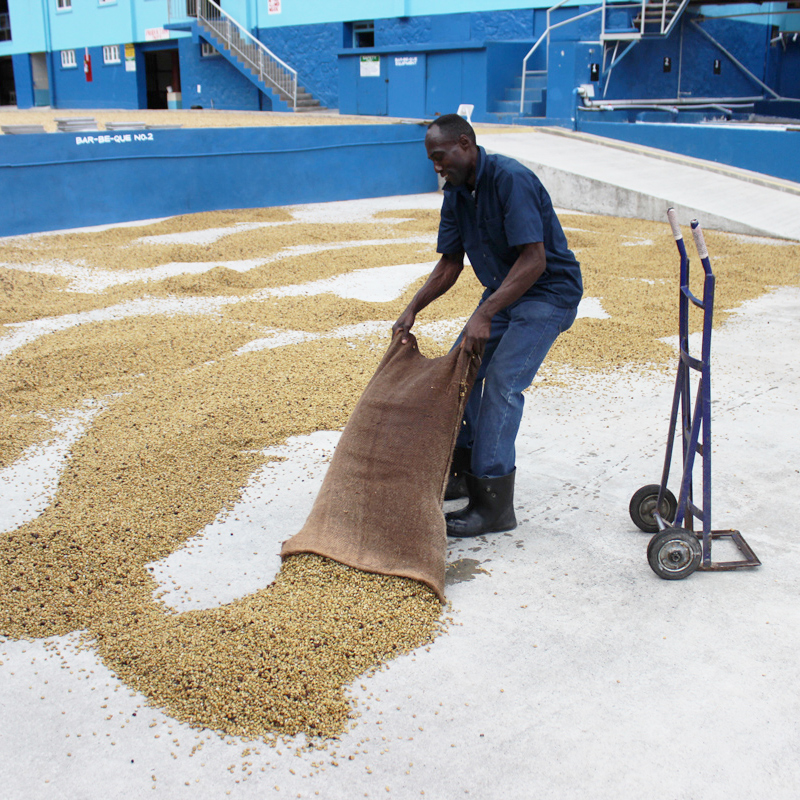
In 1969, Jamaica was severely affected by a devastating hurricane. Japan's UCC company not only provided financial assistance but also introduced scientific ecological cultivation methods to restore Blue Mountain coffee growing. To express its gratitude, the Jamaican government signed a 30-year contract with Japan, promising 90% of Blue Mountain production quotas to Japan, with the remaining 10%, approximately 245 tons, going to other markets. Scarcity makes things valuable: supply was already low, it was then locked up by trade, and demand was aggressively stimulated, so prices rose naturally.
During the agreement with Japan, the coffee was not all consumed locally. Some was sold at high prices to other Asian countries and regions. With Japanese promotion intensifying, coffee professionals in neighboring countries also began to pursue Blue Mountain, including in Singapore, South Korea, Taiwan, and Hong Kong. From 2000, the Blue Mountain craze gradually spread to mainland China, which is why older generations still recall the name immediately when coffee is mentioned.
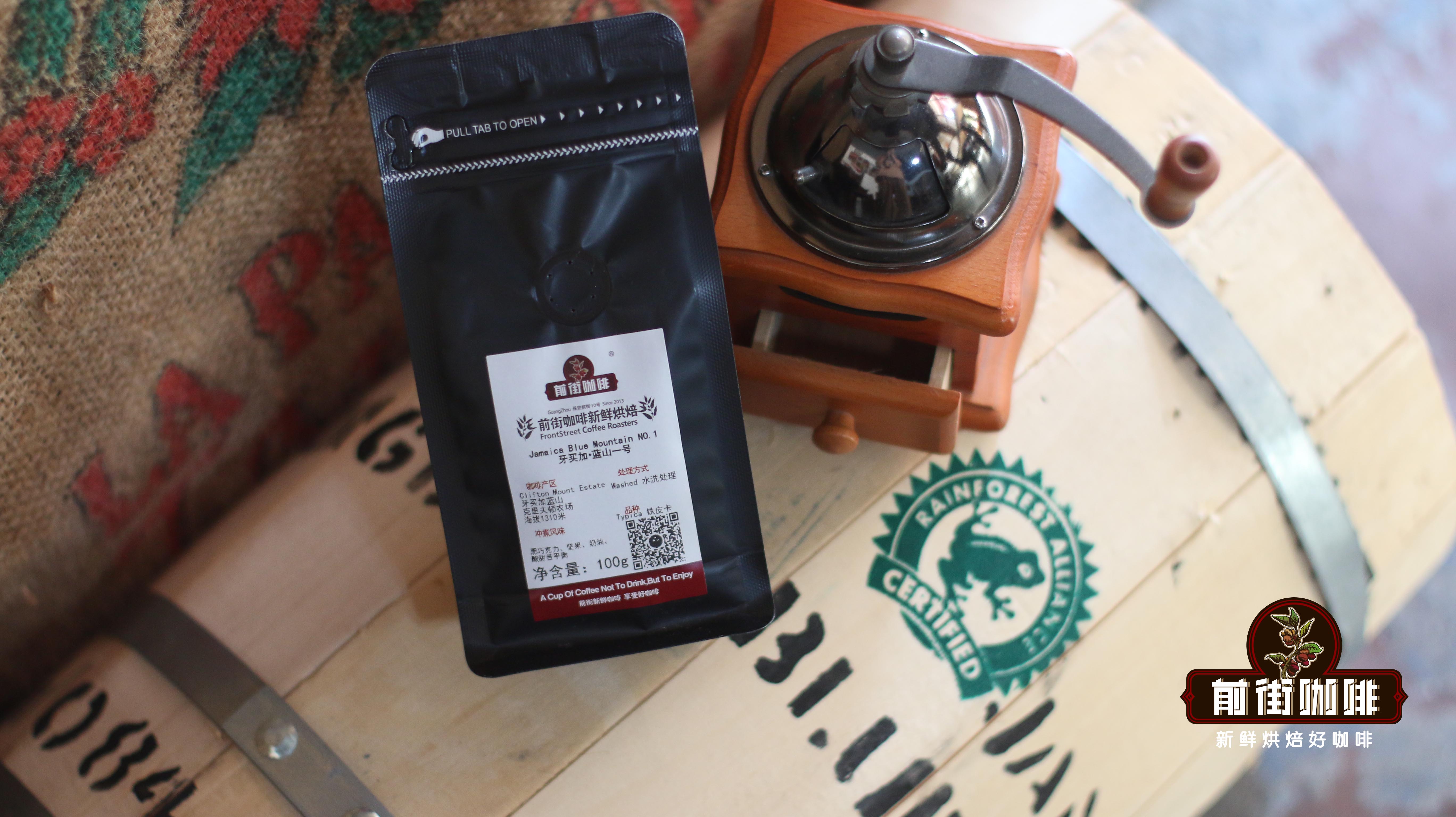
During the 2008 global economic crisis, Jamaica tried to sell Blue Mountain coffee to more countries, and the agreement with Japan had expired, so larger quotas could be distributed elsewhere. As China's coffee demand grew, many domestic businesses became able to import Blue Mountain beans directly from Jamaica. FrontStreet Coffee's Jamaican Blue Mountain No.1 is produced by the historic Clifton Mountain Estate, using traditional washed processing.
Blue Mountain Flavored Coffee ≠ Blue Mountain Coffee
As noted above, Blue Mountain's fame is immense, and its price and scarcity are high, so the market is filled with counterfeit products of varying quality. Inferior coffees that incorporate "Blue Mountain" in their names can easily mislead consumers. Common examples on shopping platforms are Blue Mountain flavor, Blue Mountain blend, and Blue Mountain mixture, all of which bear the name but are far from genuine Blue Mountain coffee.
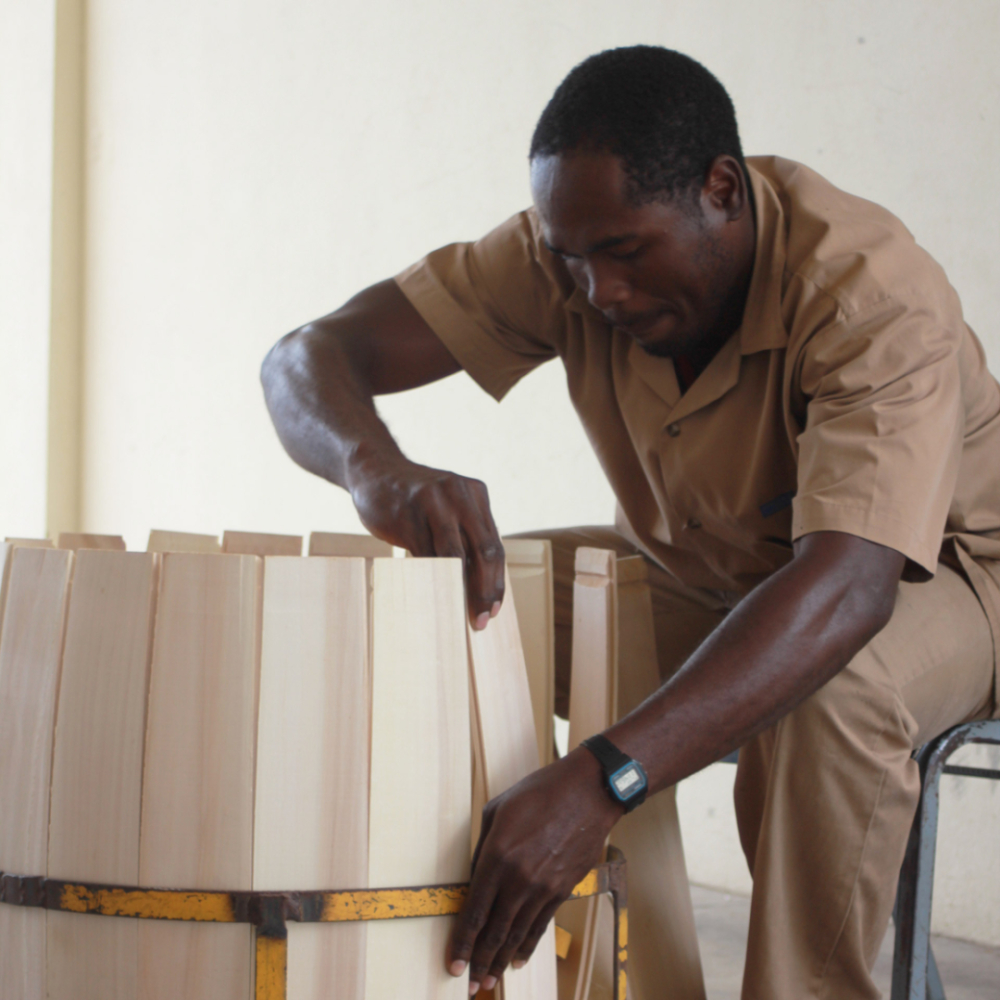
Touted as the world's best coffee, the real thing is certainly not cheap, so "Blue Mountain beans" priced at just a few dozen yuan are unlikely to be authentic. As consumers, we can check whether a merchant uses handmade oak barrels for transporting Blue Mountain green beans. Jamaica is the only coffee-producing region in the world that uses oak barrels as transport containers. Compared with coarse burlap bags, oak barrels absorb and release moisture both inside and out while preventing aroma from escaping, which keeps bean moisture more stable for more consistent roasting. Wooden barrels therefore became one of the markers of authentic Blue Mountain coffee.
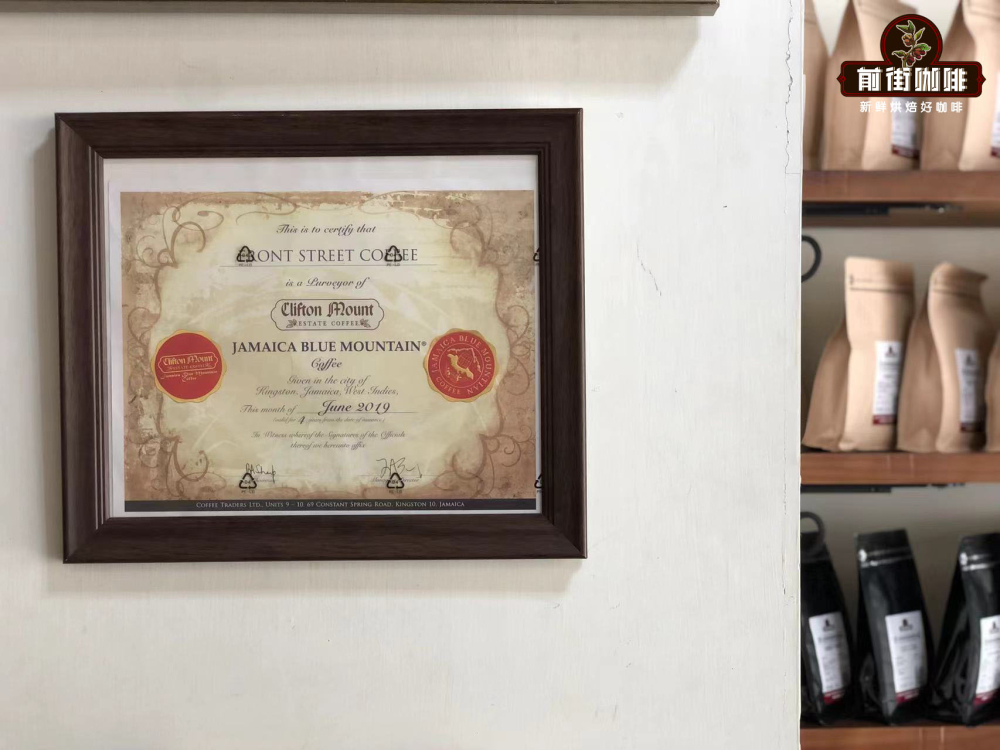
Producers and distributors of Blue Mountain coffee must also be licensed by the Jamaican government and authorized by the Jamaica Coffee Industry Board. Every batch exported must undergo quality inspection and certification by the Board and carry its label. Asking a merchant to present the relevant certification is therefore a practical way to identify genuine Blue Mountain. FrontStreet Coffee's Blue Mountain No.1 is produced by Clifton Mountain Estate and carries the quality certification issued by the Jamaica Coffee Industry Board, an authorized sales certificate from the Blue Mountain coffee manufacturer, and a Jamaican Blue Mountain coffee certificate of origin.
Which Grade of Blue Mountain Coffee Beans is Best?
Once we confirm the beans are authentic, we naturally want the highest grade, since higher grades express flavor better.
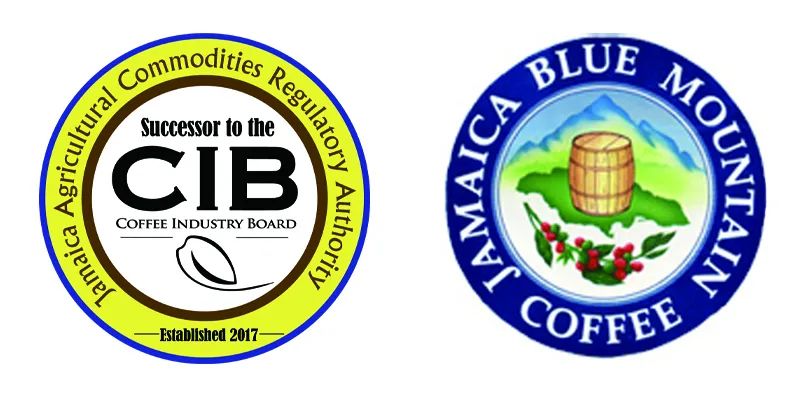
Blue Mountain grading is inspected and certified by the Jamaica Coffee Industry Board (CIB). In terms of green bean quality control, the CIB regulates the cultivation, production, and sale of Jamaican Blue Mountain coffee, improving quality and standardizing production and processing, while coordinating market sales. The CIB is also responsible for grading coffee from the Blue Mountain range and for quality inspection, which means all Blue Mountain coffee sold worldwide must be certified and labeled by the CIB.
Compared with other producing regions, Jamaica was the first country to recognize the "regional flavor" of coffee. The standards for assessing Blue Mountain green bean quality cover several categories: bean size specifications, defect rate, color, uniformity, and cupping performance after roasting, including dry aroma, wet aroma, acidity, flavor, body, and cleanliness. Bean size is measured with aperture sieves, and beans that do not pass through the holes meet the required specification. Color assessment combines visual observation with colorimeter readings, and blue-green is the highest grade.
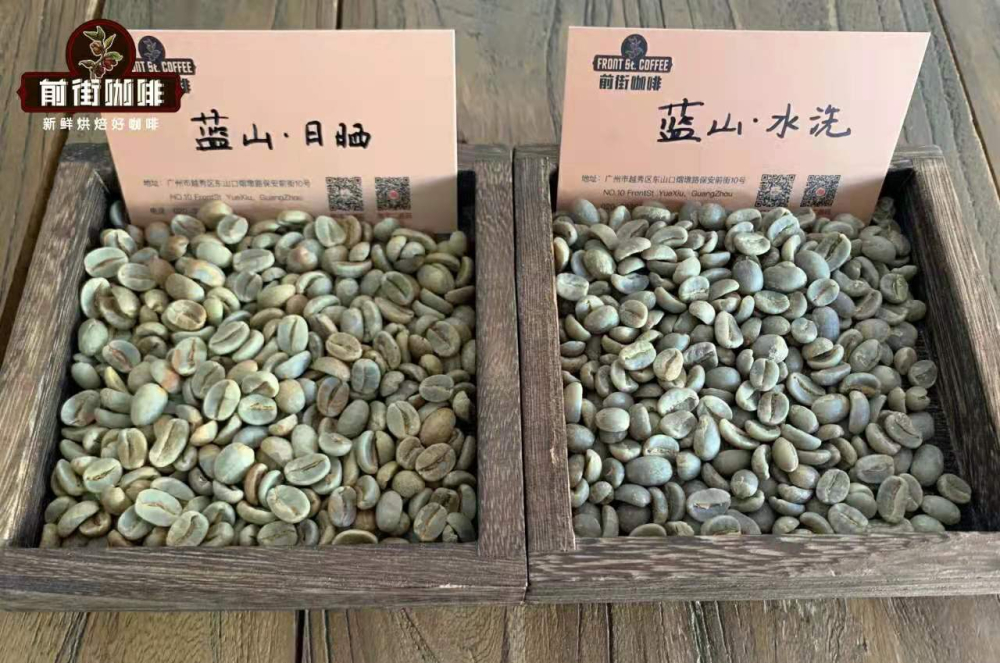
On these standards, Blue Mountain coffee is divided into four grades, from highest to lowest: NO.1, NO.2, NO.3, and PB, rendered in China as Blue Mountain No.1, No.2, No.3, and Peaberry. Top-grade Blue Mountain No.1 green beans must meet specifications of 17 mesh or larger, a defect rate below 3%, moisture content around 13%, and in cupping they must show rich coffee aroma, a smooth, balanced flavor, low acidity, and a persistent aftertaste.

FrontStreet Coffee's Brewing Recommendations for Blue Mountain No.1 Coffee
FrontStreet Coffee aims to highlight the rich, rounded mouthfeel of Blue Mountain No.1 and uses a KONO filter for extraction. The KONO's ribs are less than half the height of the cup. This design keeps the filter tight against the wall after wetting and limits airflow, increasing the time the grounds absorb water and yielding a more evenly extracted coffee.
Brewing parameters: 15g of coffee, 1:15 coffee-to-water ratio, grind size EK43s setting 10.5 (75% passing through China No.20 standard sieve), water temperature 87-88°C, brewing method segmented extraction.

Place the filter paper in the KONO cup, pour water to wet it, and make sure it fits snugly. Add the grounds and tap gently to level them. For the first segment, gently pour 30g of water for a 30-second bloom. For the second segment, pour to approximately 125g, circling evenly and steadily outward. Wait for the liquid to drop, and when it reaches halfway, pour the final segment to 225g. After all the coffee has dripped through, the total extraction time is typically around 2 minutes.
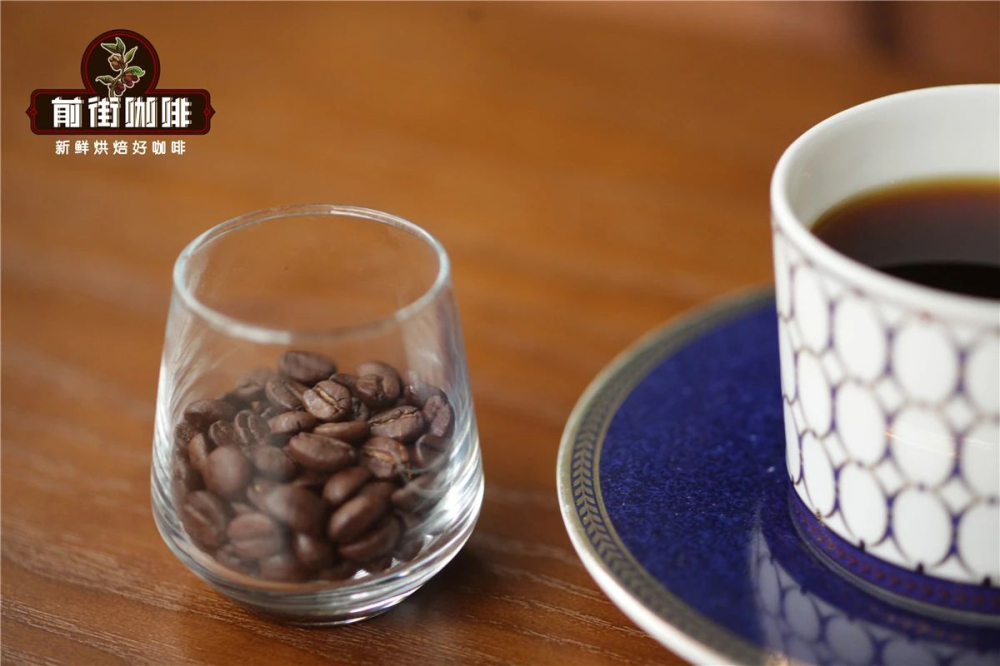
The hand-poured Blue Mountain No.1 shows dark chocolate and nutty notes, with remarkable richness and a distinct almond aftertaste. As the temperature drops, roasted hazelnut and creamy smoothness emerge, along with a hint of gentle acidity and caramel sweetness, and the aroma lingers in the mouth.
FrontStreet Coffee Recommendation
FrontStreet Jamaica Blue Mountain No.1. FrontStreet Coffee's Blue Mountain No.1 comes from the historic Clifton Mount Estate, which has grown and processed coffee since around 1750. Its growing and processing area sits at an average of 4,300 feet (1,310.64 meters), where ample altitude, gentle afternoon cloud that shades the hills, generous sunlight, and mineral-rich soil give the trees excellent growing conditions and slow the ripening of the cherries.
Blue Mountain's appeal is balance. A good cup shows layered cream, caramel, chocolate, nuts, honey, and a light fruit character, smooth and rounded on entry, sweet through the middle, with a clean, long finish. It is washed and made from the Typica variety, and it suits pour-over, moka pot, or espresso alike.
For pour-over, FrontStreet Coffee recommends a KONO dripper with 87-88°C water, 15g of coffee at a 1:15 ratio, and a medium-coarse grind (EK43s setting 10.5, about 75% passing a No. 20 standard sieve).
Important Notice :
FrontStreet Coffee is a long-established specialty coffee roaster in Guangzhou China, selling freshly roasted beans from its own farm in Yunnan as well as dozens of carefully selected single-origin beans from around the world for both pour-over and espresso. The products deliver consistently excellent quality and great value, with shipping within 24 hours. Guangzhou's FrontStreet Coffee shop is recommended by many coffee lovers, and the beans are now available online at the Tmall 。
FrontStreet Coffee has moved to a new address:
FrontStreet Coffee Address: 315,Donghua East Road,GuangZhou
Tel:020 38364473
 Scan and follow the En Gafei WeChat official account. Please indicate that the reprint comes from "En Gafei".