Flavor Characteristics and Story of Colombian Hacienda El Paraíso Coffee Beans - Double Anaerobic Fermentation Coffee Features
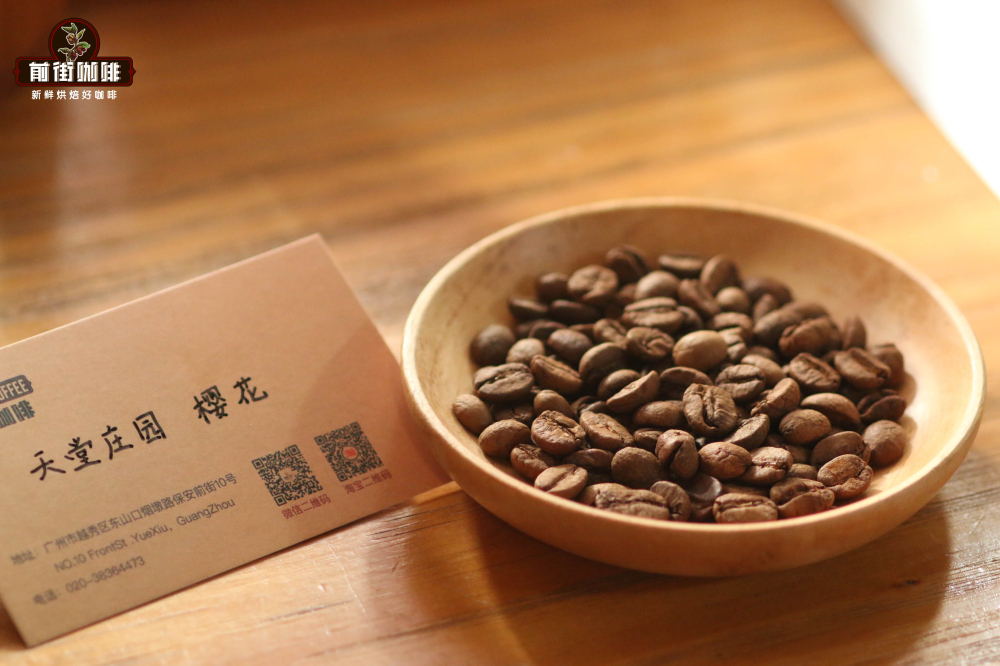
FrontStreet Coffee offers a Sakura coffee bean from Colombia's El Paraiso Estate, processed using a double anaerobic washed method. The pour-over black coffee features berry, raspberry, and strawberry jam flavors with fruit sweetness and acidity, complemented by mugwort-like spice notes — a truly unique taste profile.
FrontStreet Coffee · Colombia El Paraiso Double Anaerobic Washed Castillo
Coffee Region: Cauca
Estate: El Paraiso
Altitude: 2050m
Processing Method: Double Anaerobic Washed
Variety: Castillo
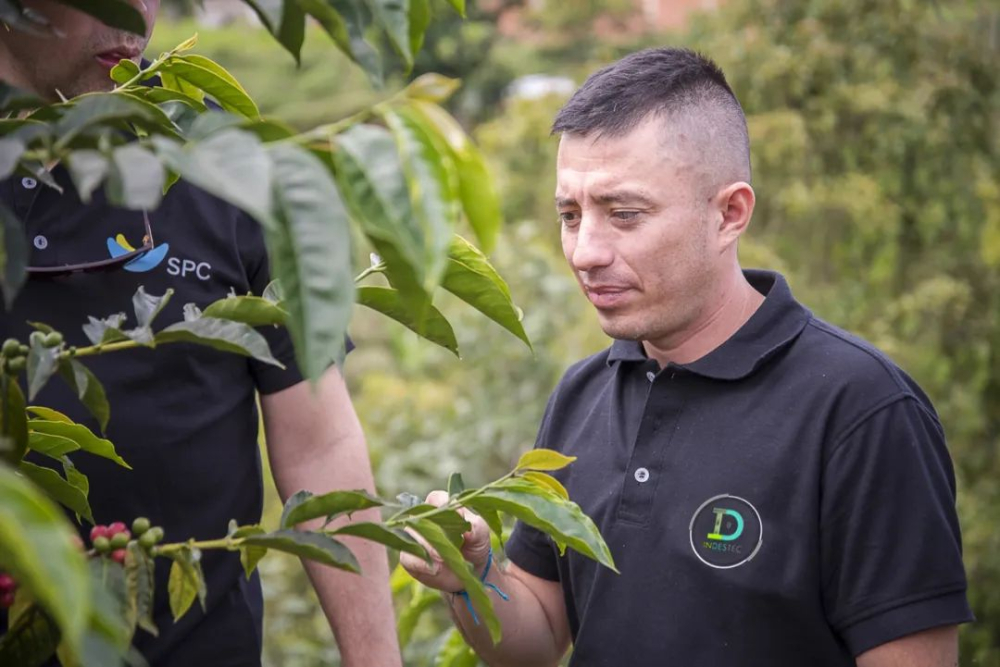
El Paraiso Estate is located in Colombia's Cauca region. Cauca is a certified Colombian coffee origin with an average altitude of 1758m, rising to a maximum of 2100m. The region's topography, precipitation, temperature, and volcanic soil together create ideal conditions for coffee cultivation.
Eighty percent of Cauca consists of mountainous terrain, with parallel mountain ranges in the eastern and central areas that belong to the Andes. The central range includes two main volcanoes, Sotara and Petacas. Like other southwestern production areas along its border, Cauca shows a distinctly monomodal precipitation pattern: the dry season falls primarily between August and September each year, and the subsequent rainy season brings concentrated coffee flowering, followed by a concentrated harvest the following year.
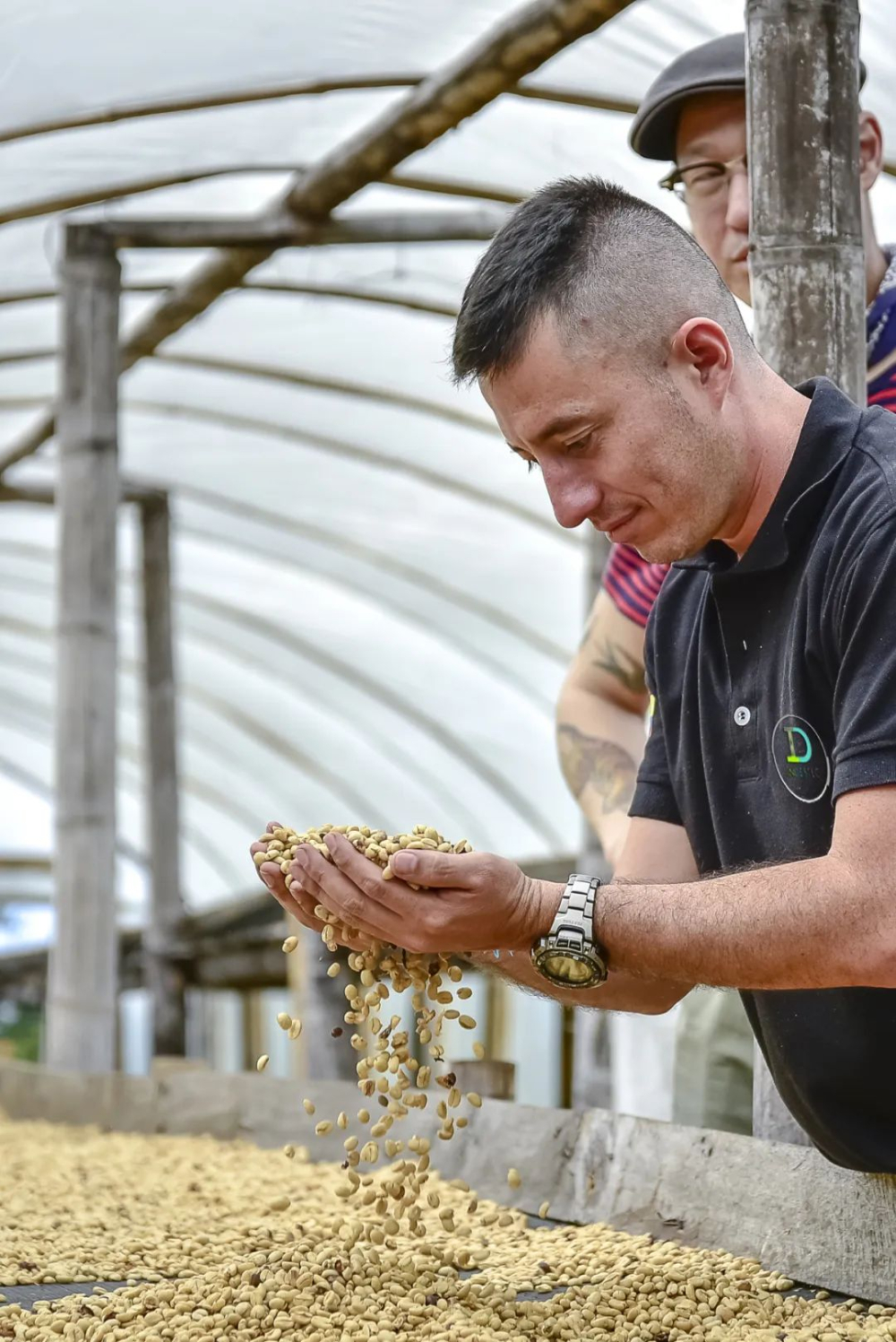
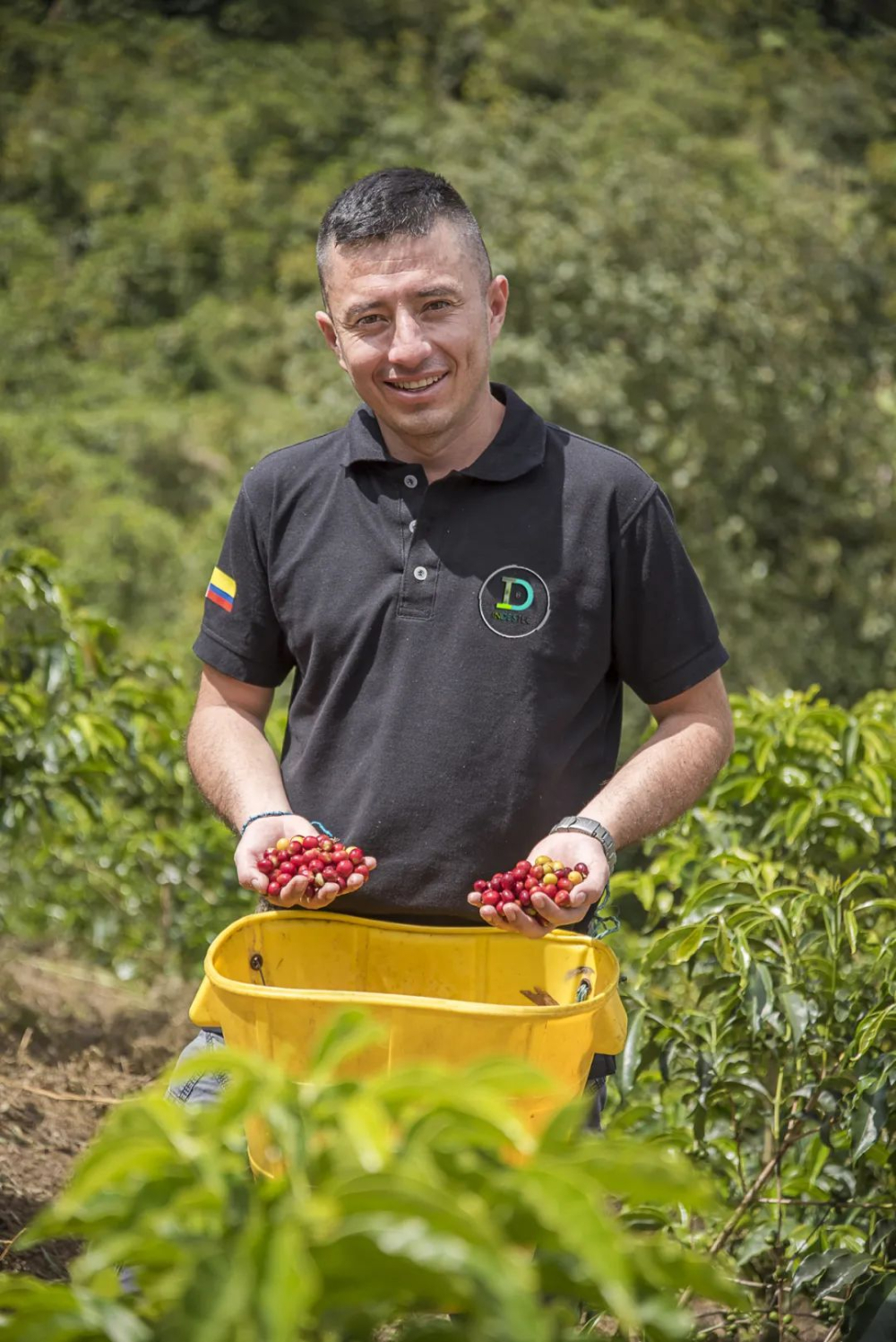
El Paraiso Estate was established in 2008 and is managed by Mr. Diego Samuel. It began as a small family farm of just 2.5 hectares. Diego reinvested his annual income into researching how to produce coffee with more refined flavors, and in 2015 he won first place in a local green bean competition — a breakthrough that cemented his commitment to specialty coffee and earned him industry recognition. The estate has since experimented with introducing more varieties to enrich its plant diversity. This Sakura lot is selected from Castillo, one of the most widely planted varieties in the region, prized for its superior resistance to leaf rust compared with other varieties, which makes it easier to grow.
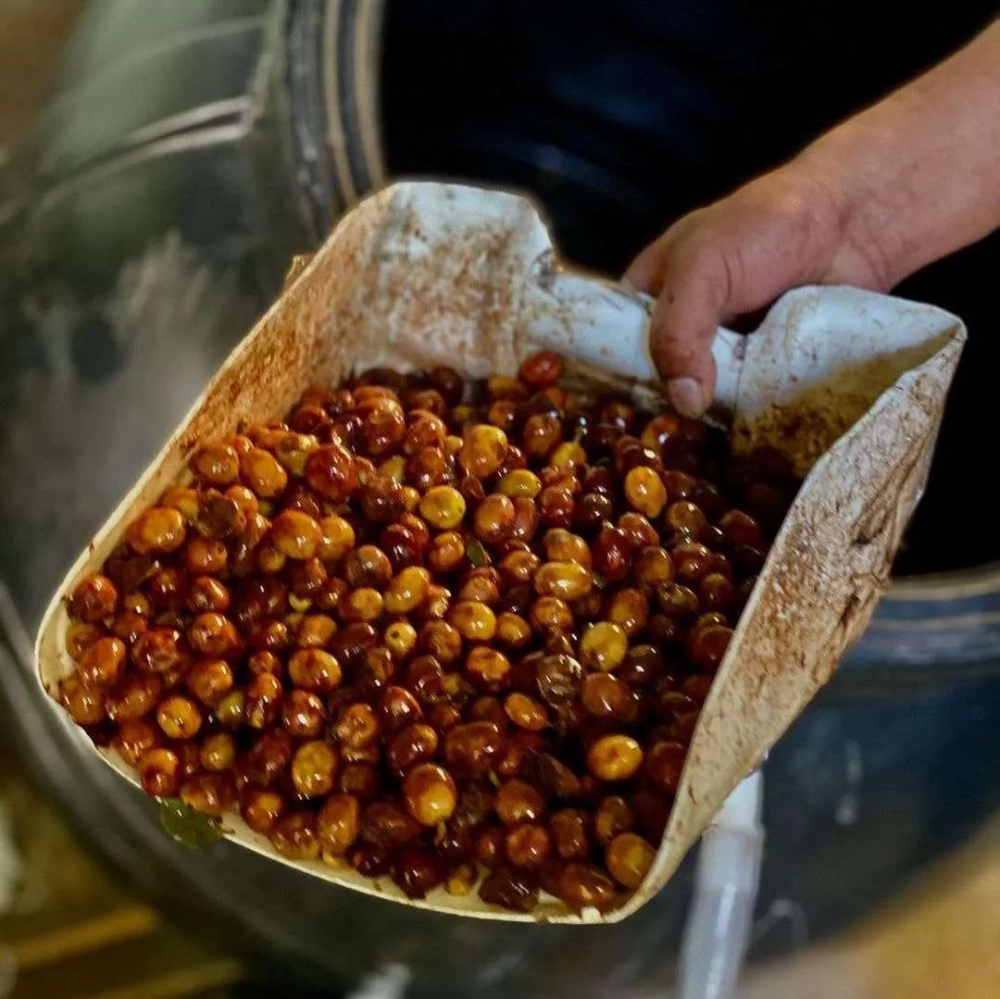
In recent years, anaerobically processed coffee has become extremely popular. When green beans ferment in a sealed, oxygen-free environment, the originally light aromatic fruit flavors develop into rounder, fermented fruit sweetness. The resulting brewed coffee has noticeably lower bitterness, making it easily approachable even for people who do not usually drink coffee. This FrontStreet Coffee El Paraiso Sakura bean uses double anaerobic washed processing: the cherries undergo two constant-temperature anaerobic fermentations, with washed processing in between to remove the mucilage layer. Removing the mucilage slows its decomposition and extends the fermentation process, after which the beans are sun-dried. The result is a cup with explosive, vivid sweetness.
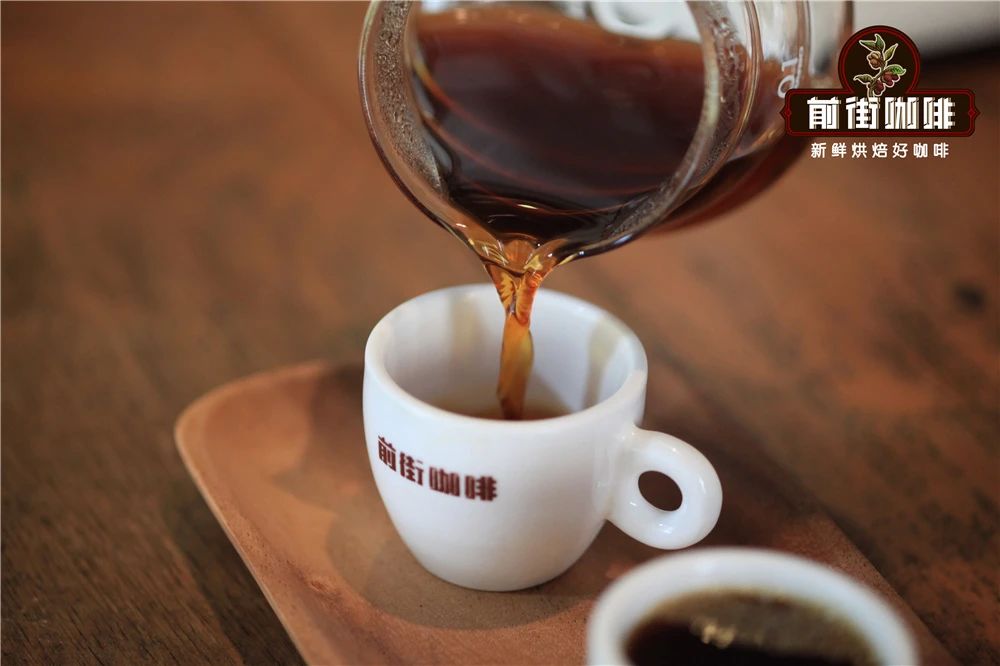
To highlight the fruit flavors of this coffee, FrontStreet Coffee roasts it medium. In cupping, the El Paraiso Sakura shows rich spice and strawberry aromas in the dry fragrance; the first sip reveals mugwort and spice notes over black tea, berry, and citrus sweet-sour flavors, with moderate body and a light floral aftertaste.
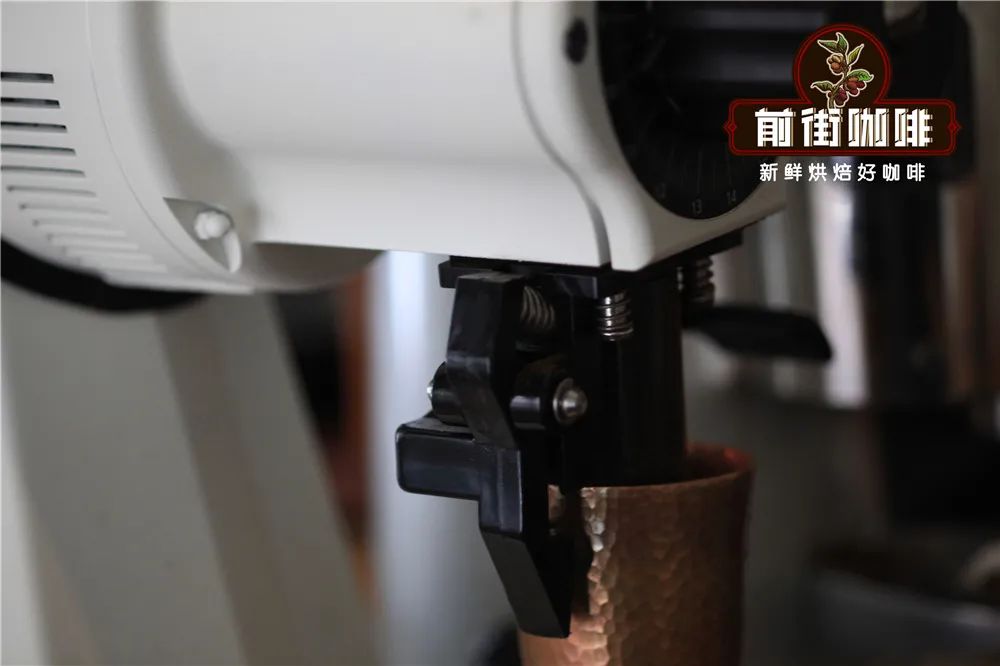
Because these Colombian Sakura beans undergo anaerobic fermentation, their cell wall density is reduced in the sealed environment. After roasting, the internal structure of the beans becomes looser, so water meets less resistance during brewing: contact time between grounds and water shortens, drainage speeds up, and flavors can come out thin. FrontStreet Coffee therefore recommends a finer grind size to raise extraction concentration, adjusting to EK43S #9.5 — an 82% pass-through rate on China's #20 standard sieve.
Dripper: V60
Water Temperature: 90°C
Coffee Amount: 15g
Coffee-to-Water Ratio: 1:15
Grind Size: EK43S #9.5 (similar to coarse sugar, 82% pass-through with #20 sieve)
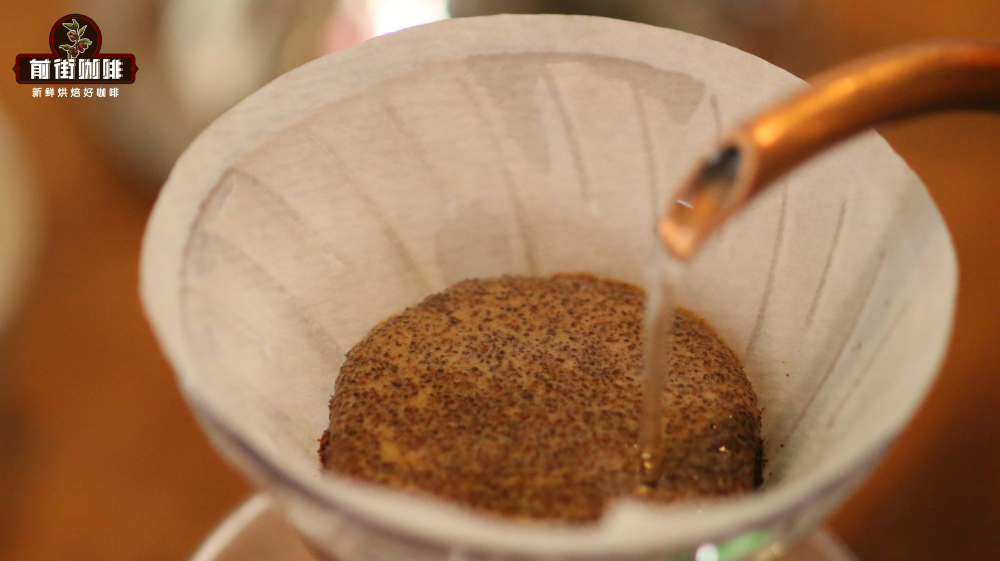
Three-stage pouring: use twice the weight of the coffee in water to wet the bed, forming a dome, and let it bloom for 30 seconds. Then, with a small water stream, pour in circles from the center outward until reaching 125g, and pause. Once the coffee bed drops to half the height of the dripper, continue with the same fine stream to 225g. Remove the dripper once all the coffee has filtered through — about 2 minutes in total. After the coffee flows into the server, swirl it to mix evenly, then begin tasting from high temperature downward to follow how the flavors evolve as the cup cools.
For professional coffee knowledge exchange and more coffee bean information, follow Coffee Workshop.
FrontStreet Coffee Recommendation
Colombia offers an enormous range of coffee styles, from bright and fruity to rich and heavy-bodied, and it works equally well as a pour-over single origin or an espresso base. If you enjoy the experimental side of Colombian coffee, the double anaerobic Sakura from El Paraiso is a must-try; if you prefer the classic profile, FrontStreet Coffee's washed Huila is the benchmark. Huila, in the southern part of Colombia's central mountain range, sits at altitudes above 1,500 meters where the country's most important rivers converge, providing abundant water for washing. Roasted medium-dark, it highlights black chocolate and nutty sweetness with moderate body — great for pour-over and French press, and equally at home in a moka pot or espresso machine for Americanos and lattes.
For another taste of Colombia's new processing wave, look for the anaerobic natural Sidra lot from the Dividing Line Estate (Frontera): after sealed fermentation, the coffee turns tropical — passion fruit, grape, apricot, and dried fruit — especially when roasted medium-light and brewed as pour-over or cold brew.
And if you run a home espresso machine, FrontStreet Coffee's signature espresso blend pairs Brazilian cream-and-nut sweetness with Colombian dark chocolate bitterness, producing fine golden crema and a milk-friendly cup that works as the base for lattes, cappuccinos, mochas, and Americanos alike.
Important Notice :
FrontStreet Coffee is a long-established specialty coffee roaster in Guangzhou China, selling freshly roasted beans from its own farm in Yunnan as well as dozens of carefully selected single-origin beans from around the world for both pour-over and espresso. The products deliver consistently excellent quality and great value, with shipping within 24 hours. Guangzhou's FrontStreet Coffee shop is recommended by many coffee lovers, and the beans are now available online at the Tmall 。
FrontStreet Coffee has moved to a new address:
FrontStreet Coffee Address: 315,Donghua East Road,GuangZhou
Tel:020 38364473
 Scan and follow the En Gafei WeChat official account. Please indicate that the reprint comes from "En Gafei".