Common Latte Art Mistakes: Causes and Solutions for Coffee Pouring Errors
Many baristas have been practicing latte art for a while now. They have mastered basic milk steaming and pouring techniques, and their patterns look decent - yet something still seems off. Small imperfections in specific areas detract from the overall result. More often than not, these issues come from unnecessary movements made unconsciously during the pour.
Mistake One: Long Tails at the Finish
Plenty of patterns start out beautifully, only to be spoiled by a long tail dragged through at the end, which undermines the whole design.
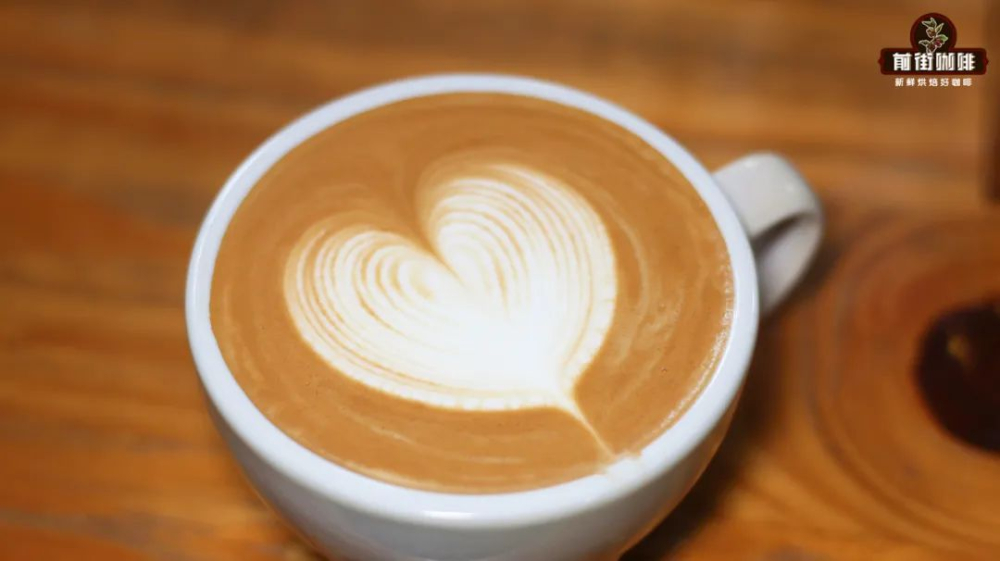
This problem typically shows up in symmetrical patterns - hearts, rosettas, and tulips - that finish along the central axis. Some baristas drag out a long line out of pure habit. Others follow tutorials that teach you to "pull straight past the edge of the cup" - a method FrontStreet Coffee remembers from early latte art instructors who used it with hesitant students. But once it hardens into a habit, it is very hard to unlearn, which is why the technique is generally no longer recommended.
Because the finishing move makes or breaks the pattern, it deserves deliberate practice. As you prepare to finish, raise the pitcher spout and reduce the flow. When you reach the point where the tail should end, lift the pitcher quickly and decisively to avoid dragging out a long tail. Keep in mind that hearts and rosettas can be finished with a small tail, while tulips and etched tulips are not suited to tails at all.
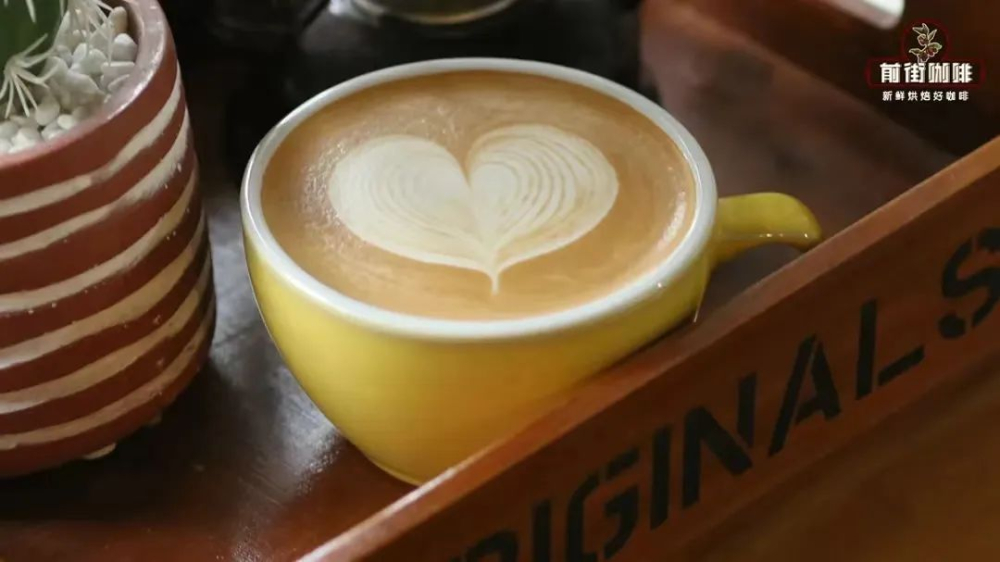
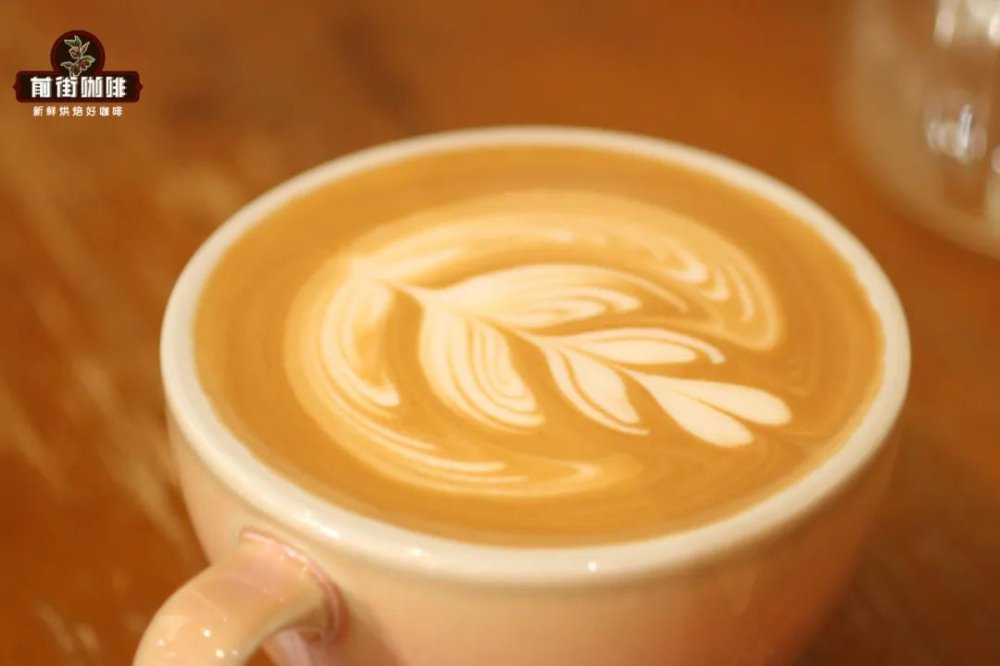
When practicing your finish, you may find it hard to control the pitcher at first, letting one or two stray drops of milk spoil an otherwise clean surface. There are two usual causes. First, during pattern creation the pitcher spout touches the surface, so foam builds up on the outside of the spout and drips onto the drink when you finish. Second, the finishing movement may be too exaggerated. A swift finish does not require big motions - some baristas make an obvious upward thrust when lifting the pitcher, and it is precisely this movement that smears the finishing area. All it really takes is a slight lift to stop the flow of milk.
Mistake Two: Underfilled or Overflowing Cups
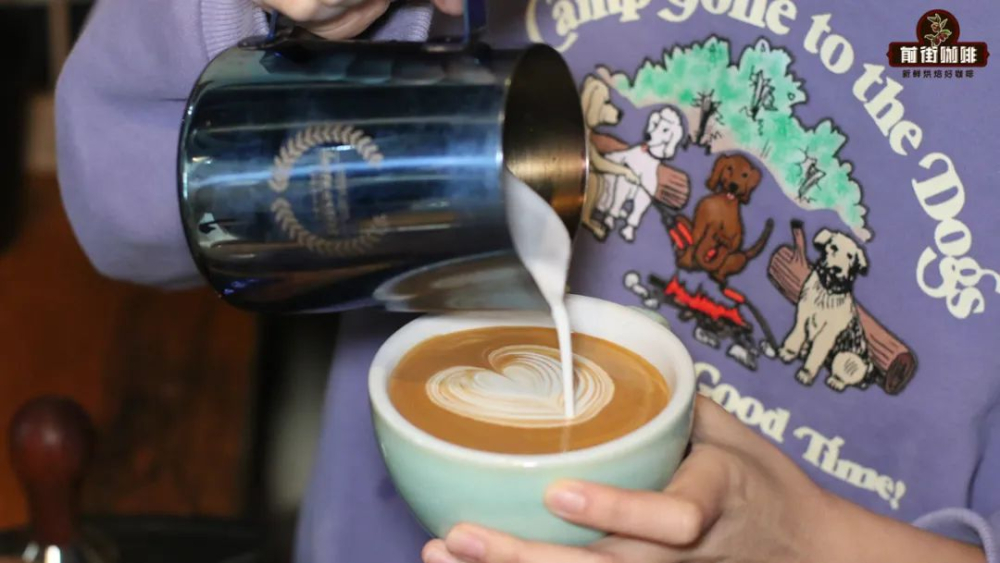
Some baristas have fully mastered the pouring movements. Their patterns are beautiful and well-proportioned, with nothing wrong with the artwork itself. The problem lies in cup volume control - either a lovely pattern in a cup only 80% full, or perfect movements and crisp pattern lines followed by coffee overflowing at the very last step.
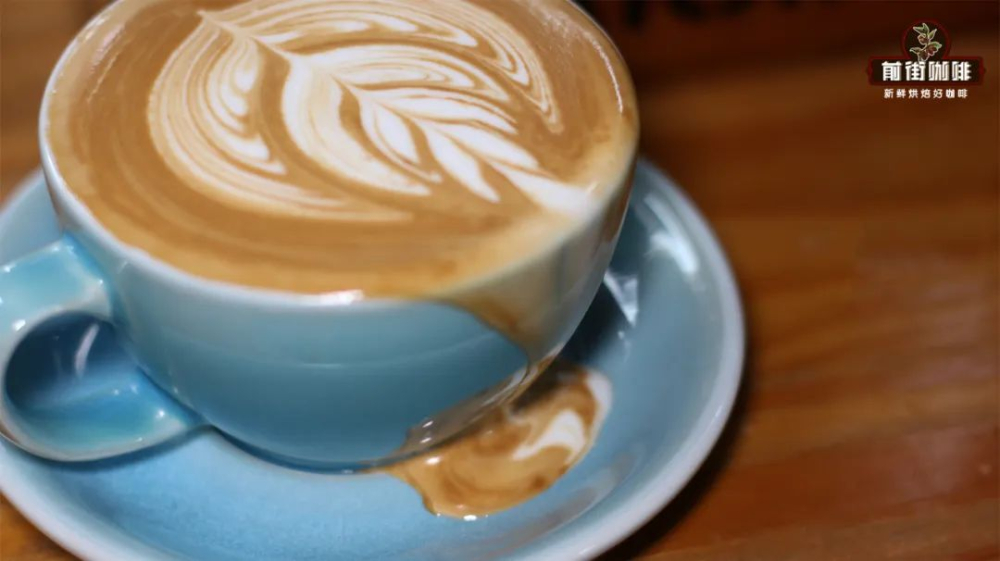
This issue mostly stems from imprecise control of the integration (blending) volume, which should depend on the complexity of the pattern. For simpler patterns such as hearts, rosettas, and 4-petal tulips, you need more integration - fill to roughly 70%. For more complex patterns such as 6-petal tulips and etched tulips, integrate less - around 40% - leaving enough room to build the pattern.
Mistake Three: Asymmetric Patterns
Many otherwise excellent patterns are marred by a single aesthetic flaw: one side larger than the other.
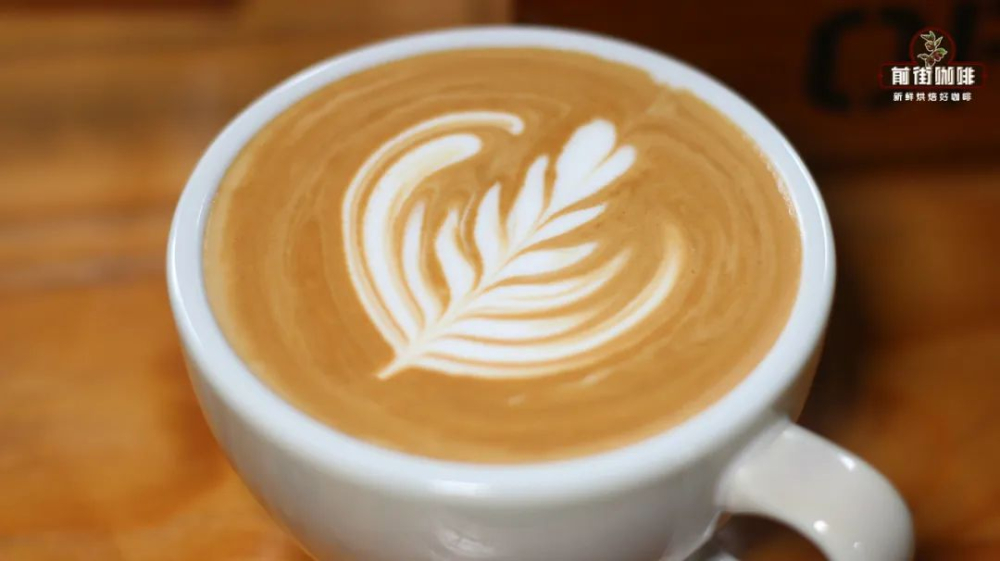
The main causes are tilting the cup, holding the pitcher crooked, or shaking with uneven amplitude on the two sides of a pattern.
While you are pouring, it is genuinely hard to notice that your cup or pitcher is off-angle - most people only discover it after finishing. If your patterns keep coming out asymmetric, FrontStreet Coffee suggests having a fellow barista watch your technique during practice so you can correct it in real time.
FrontStreet Coffee Recommendation
Good latte art starts with good espresso and stable, fine crema. FrontStreet Coffee's Classic Blend is a medium-dark espresso recipe built on three origins, with a touch of Robusta for extra body and crema; it pours notes of butter, toasted bread, and caramel biscuit, and extracts with impressive consistency - perfect for beginners practicing at home. If you prefer a rich nutty profile, the FrontStreet Signature Blend (washed Colombia plus pulped natural Brazil) delivers nut, dark chocolate, and caramel sweetness with silky crema, leaving you plenty of headroom to perfect your rosettas and tulips.
Important Notice :
FrontStreet Coffee is a long-established specialty coffee roaster in Guangzhou China, selling freshly roasted beans from its own farm in Yunnan as well as dozens of carefully selected single-origin beans from around the world for both pour-over and espresso. The products deliver consistently excellent quality and great value, with shipping within 24 hours. Guangzhou's FrontStreet Coffee shop is recommended by many coffee lovers, and the beans are now available online at the Tmall 。
FrontStreet Coffee has moved to a new address:
FrontStreet Coffee Address: 315,Donghua East Road,GuangZhou
Tel:020 38364473
 Scan and follow the En Gafei WeChat official account. Please indicate that the reprint comes from "En Gafei".