Honduras Sherry Whiskey Coffee: Flavor Characteristics Introduction
Honduras Sherry Coffee: A Comprehensive Guide
Coffee is either bitter or sour—that is the first impression most people have. Some coffees are neither bitter nor sour, and others even carry wine-like flavors. Incredible as it may seem, FrontStreet Coffee believes that coffee flavor is not only related to local trace elements and varieties but is also heavily influenced by the coffee bean processing method. The processing method largely determines the final flavor profile.
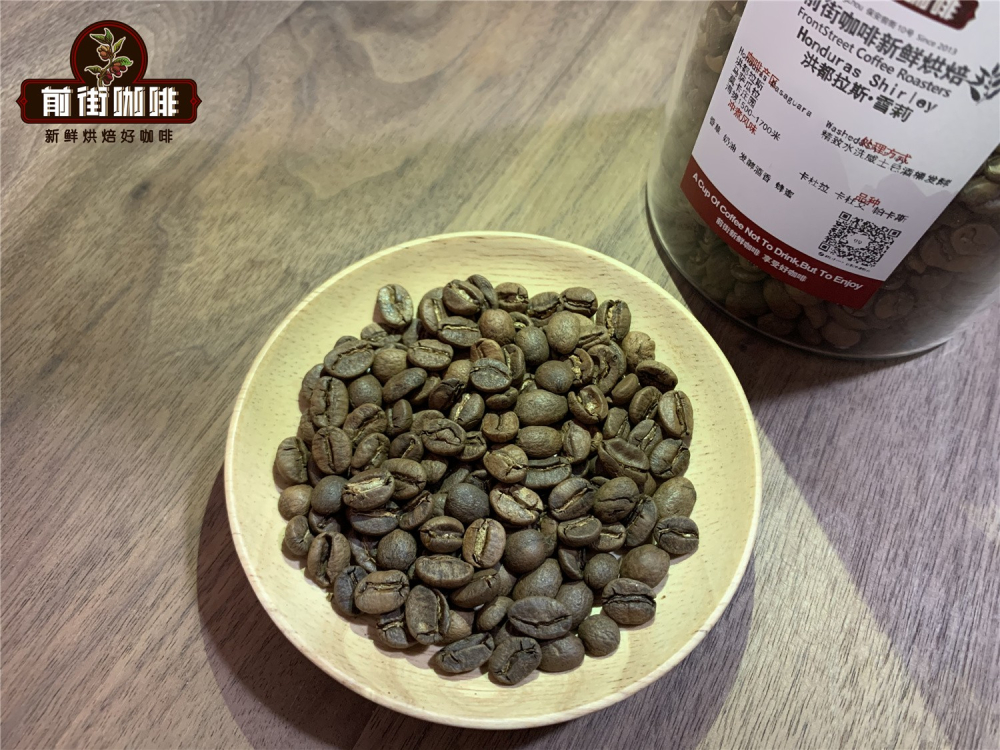
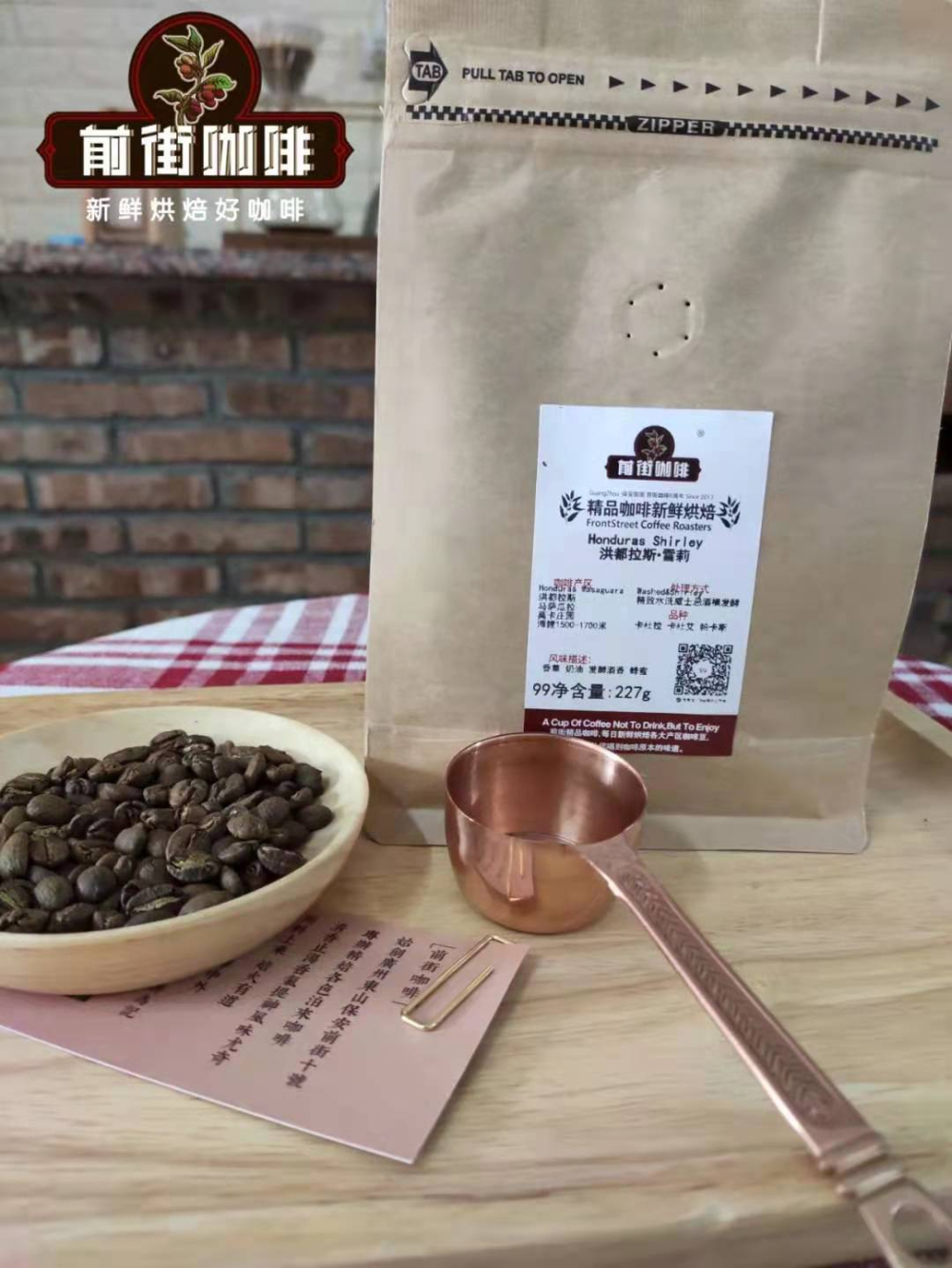
Some friends might ask FrontStreet Coffee for a coffee that is neither bitter nor sour, and FrontStreet Coffee typically recommends Brazilian coffee. But a cup of Honduras Sherry coffee is also an excellent choice. Its vanilla cream and whiskey flavors might make you fall in love at first sip. FrontStreet Coffee's barista says that after drinking other coffees, a cup of Honduras Sherry coffee instantly surpasses all previous experiences — a sign of just how wonderful and unbeatable Sherry coffee can feel. Of course, everyone has different taste preferences, so not everyone will necessarily fall in love with it.
Honduran Coffee Bean Geographical Environment
Coffee is an agricultural crop, and climate significantly affects its growth and flavor. Honduras is located in northern Central America, bordering the Caribbean Sea to the north and the Gulf of Fonseca (Pacific Ocean) to the south, with Nicaragua and El Salvador to the east and south and Guatemala to the west. The country consists mainly of mountains and plateaus, covering an area of 112,492 square kilometers with a coastline of approximately 1,033 kilometers.
Apart from the coastal plains, the entire territory is mountainous, with the northwest reaching heights of 3,000 meters and the south exceeding 2,400 meters. Major rivers include the Coco, Patuca, and Ulua. Rivers originating in the inland mountains crisscross the landscape, flowing into both oceans. Between the various mountain ranges, many basins and valleys have formed, including the larger Sula and Repaguanle basins and the main valleys of Comayagua and Hamastlan.
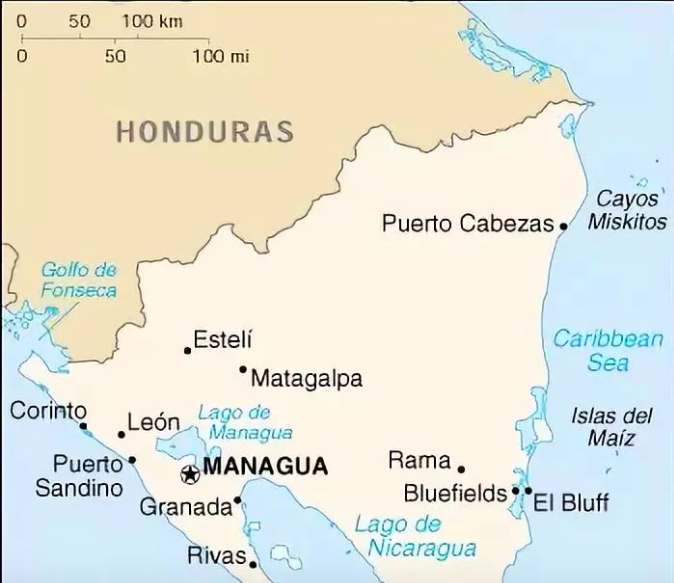
Coastal islands are scattered throughout, the main ones including the Bay Islands and the Tigre Islands in the Gulf of Fonseca. Honduras has complex terrain and diverse climates. The Central American coastal plains have a tropical rainforest climate with an average annual temperature of 31°C. The mountainous regions have a subtropical forest climate with an average annual temperature of 23°C. The rainy season from June to November offers mild temperatures and abundant rainfall, making it an ideal place for coffee growth. Such a climate is perfect for growing the Bourbon, Typica, Caturra, Catuai, and Pacas varieties that Honduras primarily cultivates.
Honduras has 280,000 hectares of coffee plantations, predominantly small farms smaller than 3.5 hectares. These small plantations account for sixty percent of Honduras's total coffee production. On these mountain plantations, coffee beans are hand-picked and carefully processed to produce higher-quality beans. Honduras harvests three million bags of coffee annually, providing abundant, high-quality coffee to the global market and becoming one of the world's top ten coffee exporters.
Honduran Coffee Growing Regions
Honduras currently has six main coffee growing regions: Copán, Montecillos, Agalta, Opalaca, Comayagua, and El Paraíso. Over 90% of coffee producers in Honduras are small farmers. Most of Honduras's coffee comes from 210 of the country's 298 municipalities and 15 of the 18 provinces, creating over one million jobs and accounting for approximately 38% of agricultural GDP. Besides these six main regions, there are also smaller growing areas.
Agalta
Compared with other coffee regions, Agalta is more inland, with a dry and humid climate. Coffee is grown along the Sierra de Agalta at elevations from 1,100m to 1,400m. The coffee cherries are harvested from December to March.

Comayagua
Like Agalta coffee beans, Comayagua region coffee is typically harvested from December to March, giving the coffee cherries more time to develop sugars. Most coffee beans grow on the hills of Montana Los Comayagua, with elevation ranges from 1,000m to 1,500m.
Montecillos
Also known as Café Marcala, coffee from the Montecillos highlands has a velvety body with sweet fruit flavors and delicate acidity. Most Honduras Marcala coffee is grown strictly at elevations of 1,200m – 1,600m, with a harvest season from December to April.
Opalaca
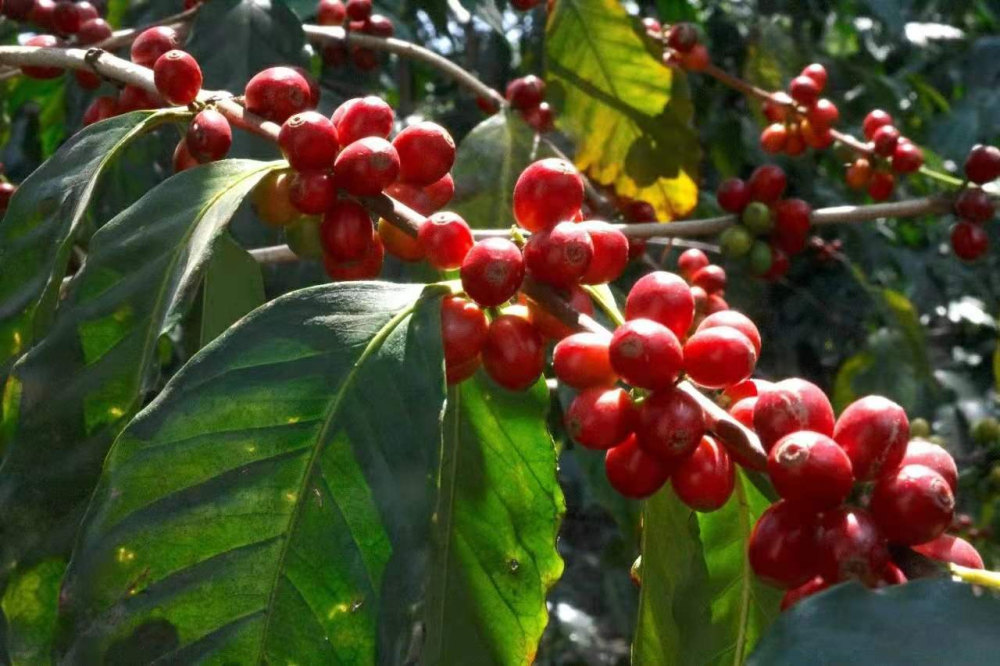
High-yield coffee from the Opalaca region often has delicate acidity with sweet and citrus notes. These coffee beans are typically harvested from November to February at elevations of 1,100m – 1,500m, allowing the coffee cherries to mature evenly.

Copán
This coffee growing area is located near the Guatemala border at elevations of 1,000m – 1,500m. It is known for its rich flavor and medium body, making it perfect for espresso. These Honduras coffee beans are hand-picked from November to March.
El Paraíso
Honduran coffee from this region is known for its complexity, delicate acidity, and smooth mouthfeel. These beans grow at elevations from 950m – 1,950m and are harvested from December to March.
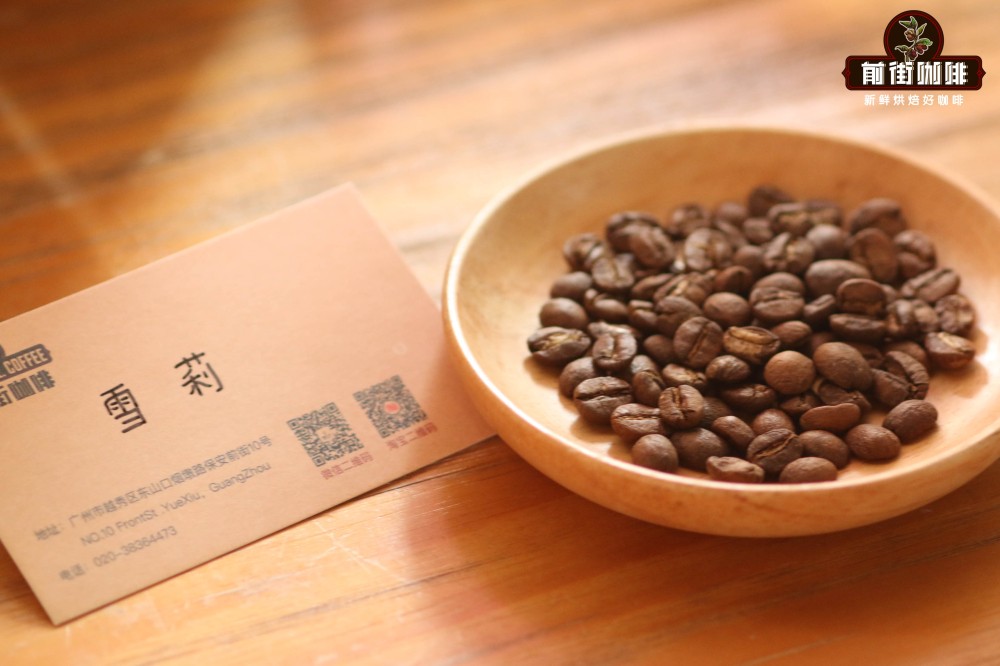
FrontStreet Coffee's Sherry coffee beans come from Marcala, a municipality in the Intibucá department of Honduras, located south of the Jesús de Otoro valley and surrounded by mountains and hills primarily dedicated to coffee cultivation. The Moca estate is just one small estate in the high-altitude areas of Marcala.
Honduras Sherry Coffee Varieties
Arabica varieties generally have excellent flavor profiles and often appear as specialty coffees. Honduras primarily grows Arabica varieties, mainly Bourbon, Caturra, Catuai, Typica, and Pacas-derived varieties.
Caturra
Caturra is a natural mutation of Bourbon, discovered in Brazil in 1937. Its plant is smaller and more compact than Bourbon. While it inherited Bourbon's lineage, it has relatively weak disease resistance but higher yields. Although it was discovered in Brazil, Caturra is not well suited to growing there, so it was not cultivated on a large scale in Brazil. Instead, it became widely popular in Central and South America, such as Colombia, Costa Rica, and Nicaragua.
Catuai
Catuai is a hybrid coffee variety created by artificially cross-breeding Caturra and Mundo Novo. Catuai has good resistance to natural disasters, particularly wind and rain. The Catuai plant grows relatively low, and compared with other coffee trees, its fruits hold more firmly and are not easy to pick. The fruits come in both red and yellow varieties.
Pacas
Pacas is a natural mutation of Bourbon. Like other widely planted low-growing Bourbon varieties, Pacas is a single-gene mutation. Its main advantages are smaller coffee trees with higher yield potential, which allows it to be intercropped with other fruit plants to increase coffee fruit yield. This variety was discovered in 1949 on a farm owned by the Pacas family in the Santa Ana region of El Salvador. In 1960, the Salvadoran Coffee Research Institute (ISIC) began a pedigree selection project for Pacas (selecting individual plants through successive generations, also known as single-plant selection). It is popular in Central America and widely grown in El Salvador, accounting for about 25% of its production. In 1974, the Honduras Coffee Research Institute introduced the variety and cultivated it in Honduras.
Sherry Coffee Processing: Refined Washed + Barrel Fermentation
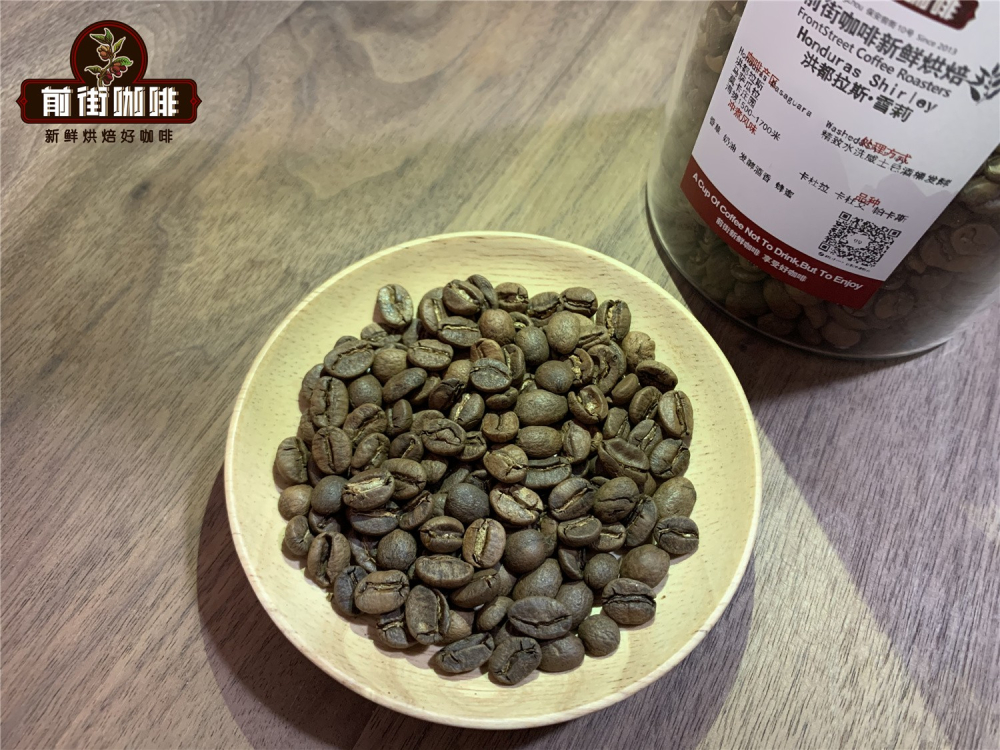
Typically, coffee beans are either washed or natural processed. With the advancement of specialty coffee, processing methods have diversified to include anaerobic processing and honey processing, among others. Honduras Sherry coffee undergoes refined washed processing and whiskey barrel aging.
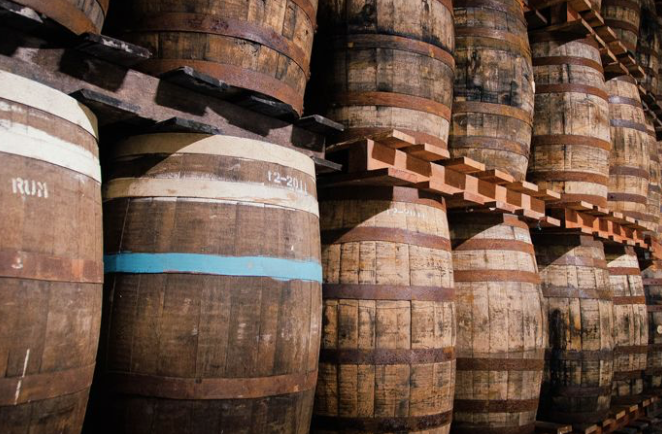
When processing Sherry coffee beans, Moca Estate starts by selecting ripe coffee cherries, removing their skin and pulp, and carrying out a refined washing process. After cleaning with clear water, the parchment beans are placed in Sherry whiskey barrels and stored in an environment between 15°C and 20°C for low-temperature fermentation of 30 to 40 days. Finally, the coffee beans are removed and dried in a cool, shaded area.
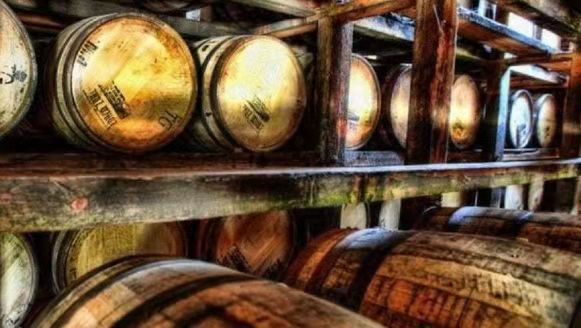
The barrels allow a minimal amount of air to penetrate through the barrel walls, causing moderate oxidation of the coffee beans. The appropriate amount of oxygen entering also accelerates coffee fermentation, softens tannins, and gradually transforms fresh fruit aromas into rich, complex mature wine notes. The barrel's moderate hardness ensures good water resistance and storage safety. The barrels also contain a certain amount of tannins. During the storage of the raw coffee beans, the barrel's tannins penetrate into the raw beans as well, giving the coffee complexity and a rich wine aroma. This barrel fermentation method borrows from winemaking techniques. Its greatest impact on wine is that moderate oxidation stabilizes the wine's structure and incorporates barrel flavors into the wine, and it plays a similar role in the coffee fermentation process.
FrontStreet Coffee's Brewing Parameters for Sherry Coffee
How should coffee beans processed in such a special way be brewed to extract the best flavors?
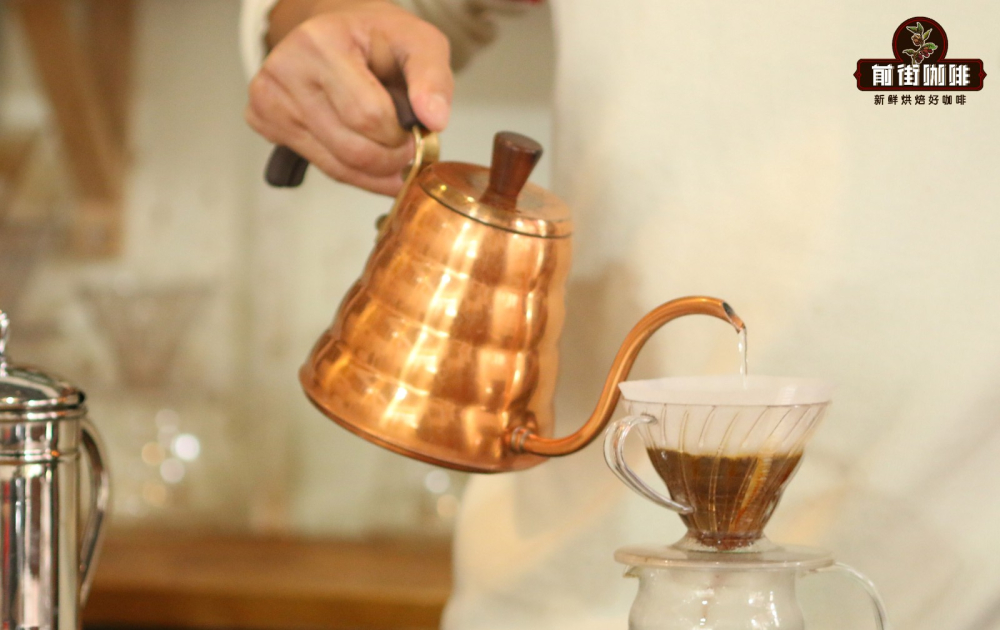
First, during roasting, to highlight the rich wine aroma of Sherry coffee beans, FrontStreet Coffee's roaster used a medium roast for these beans. During brewing, to accelerate the extraction of coffee flavors, FrontStreet Coffee suggests using a higher water temperature and a finer grind size. In addition, to avoid water flow that is too slow — which would keep hot water in contact with the coffee particles for too long and cause over-extraction and bitterness — FrontStreet Coffee recommends a faster-flow dripper, such as the Hario V60.

Dripper: Hario V60
Water Temperature: 91°C
Coffee Amount: 15g
Coffee-to-Water Ratio: 1:15
Grind Size: Medium-fine (80% pass-through rate on Chinese standard #20 sieve)
FrontStreet Coffee uses a segmented extraction method, also known as the three-pour technique. First, 30g of water is used for blooming, with a bloom time of 30 seconds. For the first pour, use a small circular water flow to reach 125g, then stop. When the water level drops to just before the coffee bed is exposed, continue with the second pour, stopping at 225g to complete extraction. The total extraction time (counting from the beginning of the first pour) is 2'00".
FrontStreet Coffee's Sherry Coffee Flavor Profile
FrontStreet Coffee's Sherry coffee offers wine-like aromas and rich vanilla cream flavors, with soft berry acidity and creaminess on the palate. Fermented wine notes and honey are present, with maple-like sweetness in the finish and a smooth, gentle mouthfeel.
Honduras Sherry coffee is popular not only for its excellent flavor but also for its versatility in brewing. It can be used not only for pour-over but also for espresso, either as a single-origin espresso (SOE) or in blends. The espresso blend used at FrontStreet Coffee's stores also features rich Sherry flavors. FrontStreet Coffee's Sunflower Warmth blend is made from 70% Honduras Sherry and 30% Ethiopia Natural Red Cherry, featuring subtle floral notes, cream aromas, berry flavors, and whiskey aromas.
FrontStreet Coffee's Brewing Recommendations
To brew a delicious cup of coffee, FrontStreet Coffee believes that coffee bean freshness is a crucial factor. Coffee beans shipped by FrontStreet Coffee are all roasted within 5 days. FrontStreet Coffee's roasting philosophy is "Freshly Roasted Quality Coffee," ensuring that every customer who places an order receives the freshest coffee possible. The coffee's resting period is around 4-7 days, so when customers receive their coffee, it is at its peak flavor.

For friends who need ground coffee, FrontStreet Coffee kindly reminds you that pre-ground coffee does not require additional resting time, because during transportation the pressure of carbon dioxide in the packaging also helps mellow the coffee flavors. Therefore, you can brew a cup immediately upon receiving ground coffee. However, ground coffee should be brewed promptly because it oxidizes quickly when exposed to air, meaning the coffee flavors dissipate more rapidly and the coffee will not taste as good. FrontStreet Coffee therefore recommends purchasing whole beans and grinding immediately before brewing to better experience the coffee's flavors.
FrontStreet Coffee Recommendation
If the vanilla-cream and whiskey notes of Honduras Sherry are what you are after, FrontStreet Coffee's Sherry line and its surrounding blends make it easy to explore. The FrontStreet Honduras Sherry itself is a refined washed coffee aged in whiskey barrels, offering soft berry acidity, fermented wine and honey notes, and a maple-like sweetness in the finish.
If you enjoy Sherry in espresso, FrontStreet Coffee's Sunflower Warmth blend combines 70% Honduras Sherry with 30% Ethiopia Natural Red Cherry, layering subtle florals, cream, berries, and whiskey aromas. For a classic, approachable Brazilian counterpart, the FrontStreet Cerrado Red Bourbon is medium roasted with cream, peanut, caramel, and hazelnut notes; it is rounded rather than sour, and works just as well in a pour-over, moka pot, siphon, or French press.
Important Notice :
FrontStreet Coffee is a long-established specialty coffee roaster in Guangzhou China, selling freshly roasted beans from its own farm in Yunnan as well as dozens of carefully selected single-origin beans from around the world for both pour-over and espresso. The products deliver consistently excellent quality and great value, with shipping within 24 hours. Guangzhou's FrontStreet Coffee shop is recommended by many coffee lovers, and the beans are now available online at the Tmall 。
FrontStreet Coffee has moved to a new address:
FrontStreet Coffee Address: 315,Donghua East Road,GuangZhou
Tel:020 38364473
 Scan and follow the En Gafei WeChat official account. Please indicate that the reprint comes from "En Gafei".