Introduction to Yunnan Small Bean Coffee Varieties: Flavor and Taste Profile | Overview of Yunnan Premium Coffee Bean Growing Regions
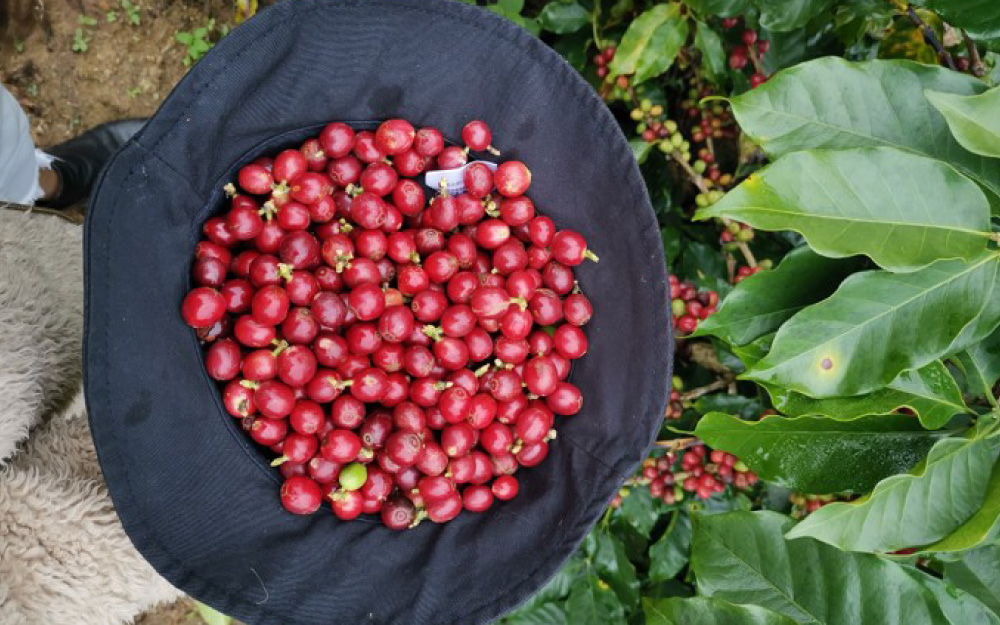
Thanks to continuous improvements in cultivation and rising expectations for bean quality, Yunnan small-grain coffee — once regarded merely as raw material for instant coffee a decade ago — has gradually won over consumers through the efforts of researchers and growers.
All coffee currently planted in Yunnan is of the Arabica variety (also known as small-grain coffee). Catimor is the most widely planted, followed by Typica, while some estates also grow small quantities of Bourbon and Geisha. Yunnan's small-grain coffee cultivation is spread across Pu'er City, Lincang City, Baoshan City, Dehong Prefecture, Nujiang Prefecture, Xishuangbanna Prefecture, Dali Prefecture, and Diqing Prefecture — with the beans from Dehong, Baoshan, Pu'er, and Lincang being the most famous.
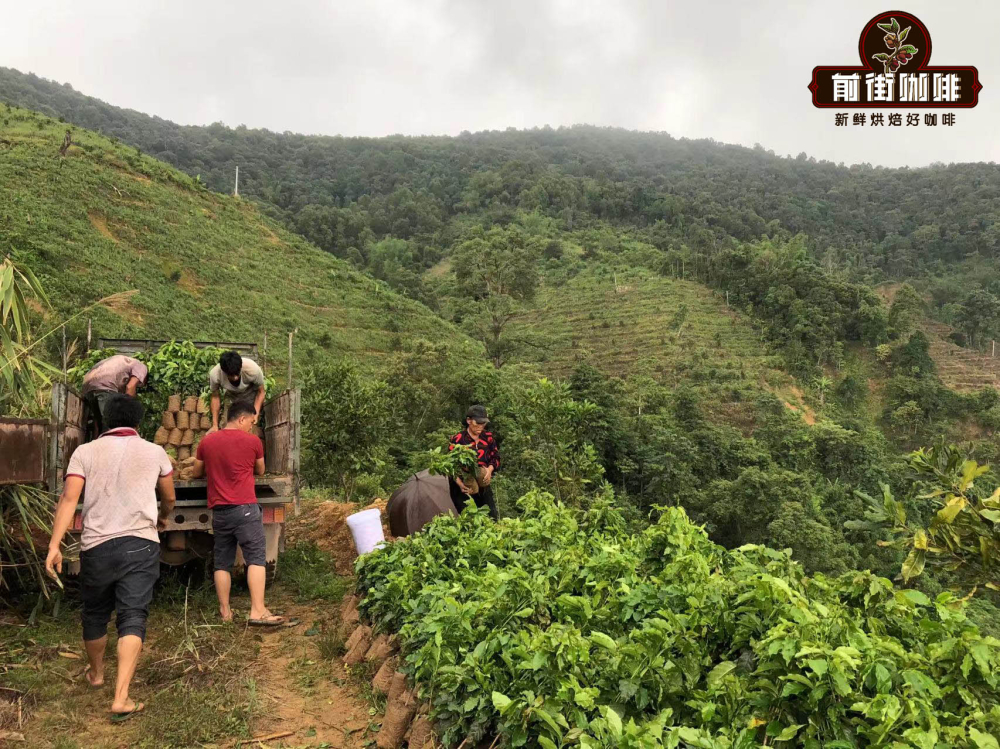
These bean-producing areas lie in the western and southern parts of Yunnan Province, situated between 15° north latitude and the Tropic of Cancer. Most areas also possess the high altitudes required for coffee cultivation. The terrain is predominantly mountainous and sloped, with significant elevation variation, fertile soil, ample sunlight, abundant rainfall, and large day-night temperature differences.
Pu'er
Pu'er's tea region has a 150-year history of coffee cultivation. In the early 1990s, Pu'er City began developing coffee as a dominant industry to restructure the local economy and help farmers increase their income.
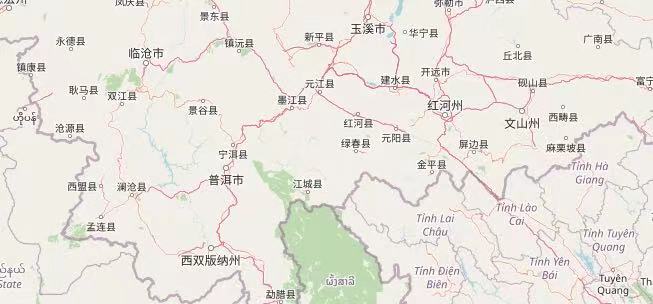
Under the influence of the subtropical monsoon climate, most of Pu'er is frost-free year-round, with no severe cold in winter and no extreme heat in summer. The average annual temperature ranges from 15 to 20.3 degrees Celsius, the annual frost-free period exceeds 315 days, and annual rainfall falls between 1100 to 2780 millimeters.
Dehong
Dehong's climate resources are also exceptionally favorable. The entire prefecture sits near the Tropic of Cancer at low latitude, influenced by the Indian Ocean southwest monsoon, with a South Asian subtropical monsoon climate. Coffee is planted at altitudes above 1000 meters, including 30,000 mu on mountainous land above 1600 meters. With no extreme summer heat, abundant rainfall, coinciding rain and heat periods, mild dry seasons, small annual temperature swings but large daily ones, and short frost periods with few frost days, Dehong offers excellent growing and overwintering conditions for high-altitude Arabica coffee trees.
Baoshan
Coffee cultivation in Baoshan began in the mid-1950s, with the first seedlings introduced from Southeast Asia by the late patriotic overseas Chinese Mr. Liang Jinshan. Baoshan has a low-latitude mountainous subtropical monsoon climate; thanks to its low latitude and high altitude, coffee is planted at elevations of 100-1500m. Small annual temperature differences, large daily ones, abundant precipitation, and distinct wet and dry seasons have produced batch after batch of high-quality Yunnan small-grain coffee.
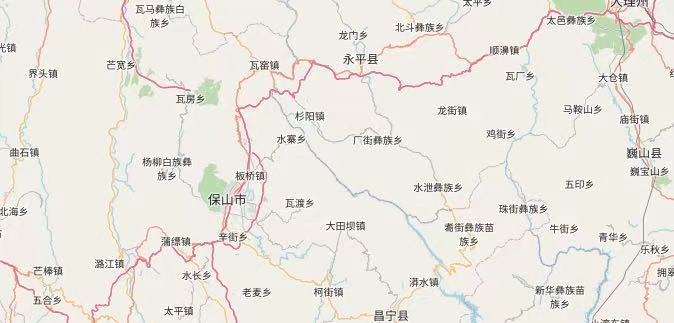
Lincang
Lincang City has a subtropical low-latitude plateau mountainous monsoon climate, shaped mainly by warm, humid air currents from the Indian Ocean and the southwest monsoon. The seasons are not sharply divided, but dry and rainy periods are clearly separated, with abundant rainfall, long sunshine hours, and short frost periods. Coffee is planted at altitudes of 1000-1600m.
In 2013, FrontStreet Coffee recognized that high-quality coffee depends on variety, altitude, and climate. It therefore established its own coffee plantation on a mountain near the Myanmar border in Lincang at an altitude of 1300m, planting the most ancient Arabica variety — Typica.
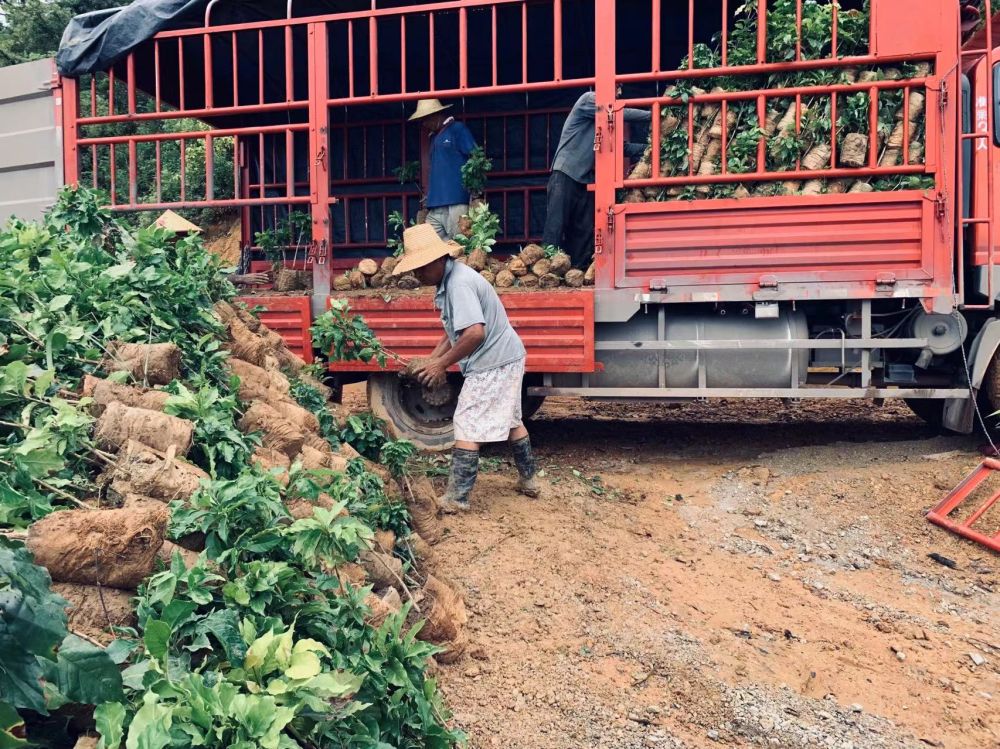
The difference between Typica and Catimor comes down to heritage: Typica, one of the most ancient coffee varieties, carries pure Arabica genetics, and its inherently elegant, clean flavor has long been recognized as truly specialty-grade — its drawback being low yield.

Catimor, by contrast, is a hybrid of Arabica and Robusta. Its advantages are high yield and low planting cost, but its flavor is somewhat inferior, often carrying herbal notes. Thanks to advances in planting and processing techniques, however, the quality of Yunnan Catimor has improved dramatically compared with the past.

True specialty coffee depends not just on processing and quality — variety matters enormously. FrontStreet Coffee hopes that by changing the variety at its root, everyone can enjoy Yunnan small-grain coffee of better flavor and higher quality. These self-planted Yunnan Typica beans can currently be purchased at FrontStreet Coffee's flagship store and physical retail locations.
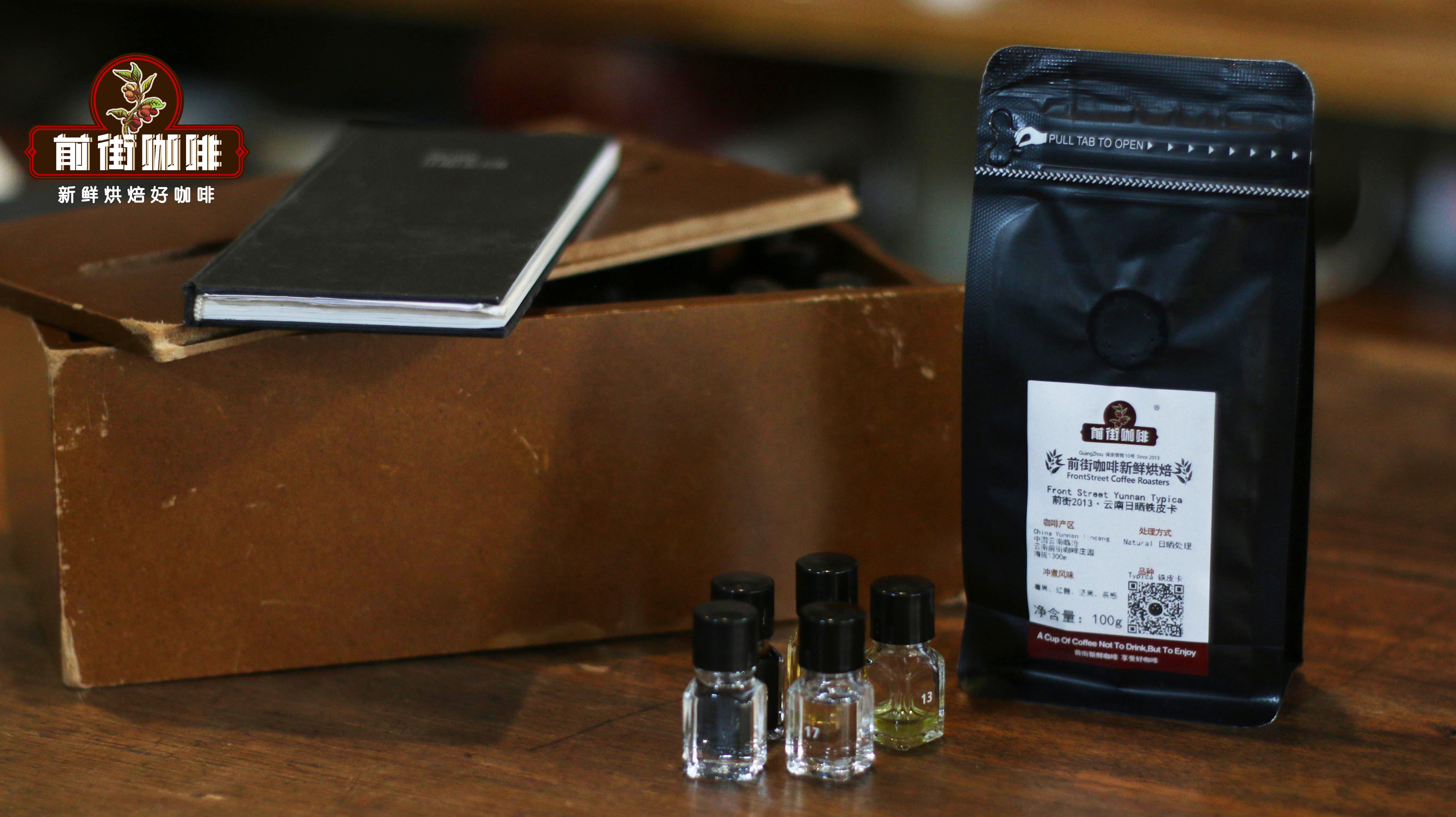
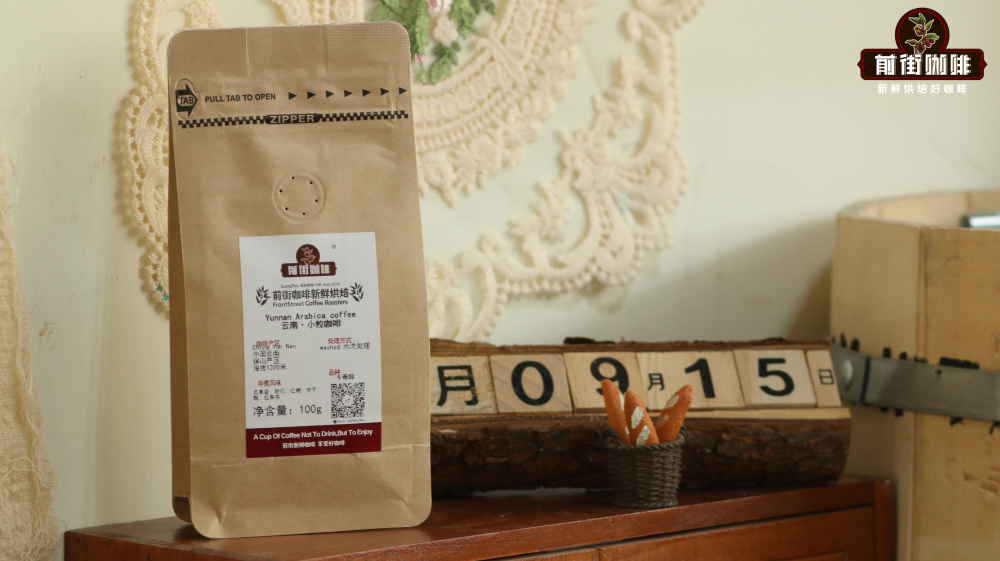
FrontStreet Coffee currently sells Yunnan coffee from two producing regions, Lincang and Baoshan, including the self-planted "FrontStreet Coffee 2013 Natural Typica Coffee Beans," the "Selected Regional Daily Bean - Yunnan Baoshan Washed Catimor Coffee Beans," and the "Full Cherry Natural - Catimor Coffee Beans from Baoshan Lujiangba Region."
The flavor characteristics of Yunnan coffee center on nutty, caramel, and plum-like notes. FrontStreet Coffee therefore recommends drip brewing with a generous ratio: by slightly lowering the coffee's concentration, the different flavors express themselves more clearly.
For brewing Yunnan coffee, use a V60 dripper with a 1:15 coffee-to-water ratio, a medium grind (approximately coarse sugar size / 75% pass-through rate on China's #20 standard sieve), and water at 88-89°C.

Use a three-pour technique to enhance complexity: pour 30g of water first for a 30-second bloom; second, pour in small circles to 125g, wait until the water level in the coffee bed drops to half, then continue in small circles to 225g. After complete drip-through, the total extraction time should be approximately 2 minutes and 10 seconds.
FrontStreet Coffee Recommendation
Yunnan estates already grow small quantities of Geisha alongside Typica and Catimor — and if you are curious what the Geisha variety is really capable of, FrontStreet Coffee recommends starting with its "Strawberry Candy" blend, which combines Costa Rica honey-processed coffee with Panamanian Geisha. It offers both delicate florals and sweet fruit character, works for pour-over, moka pot, and espresso machines, and also makes an outstanding cold brew.
For Geisha-style cold brew, it could not be simpler: grind 30 g of the beans to fine granulated sugar (EK43s setting 9, or setting 24 on a hand grinder like the C40), place them in a clean vessel, add 360 g of room-temperature water at a 1:12 ratio, stir, cover, and refrigerate. After 8 hours, strain out all the grounds with filter paper, then return the sealed coffee to the fridge for another 3 hours to mature. The result tastes of grape juice, rose, sweet orange, and fruit wine.
For a warm cup instead, brew Geisha as a pour-over: 15 g of coffee in a small Hario V60 at a 1:16 ratio, ground to about 78% pass-through on a #20 sieve, with water at 91°C and a three-stage pour of 30 g (30-second bloom), 125 g, and 225 g, finishing at around 2:10-2:20.
Important Notice :
FrontStreet Coffee is a long-established specialty coffee roaster in Guangzhou China, selling freshly roasted beans from its own farm in Yunnan as well as dozens of carefully selected single-origin beans from around the world for both pour-over and espresso. The products deliver consistently excellent quality and great value, with shipping within 24 hours. Guangzhou's FrontStreet Coffee shop is recommended by many coffee lovers, and the beans are now available online at the Tmall 。
FrontStreet Coffee has moved to a new address:
FrontStreet Coffee Address: 315,Donghua East Road,GuangZhou
Tel:020 38364473
 Scan and follow the En Gafei WeChat official account. Please indicate that the reprint comes from "En Gafei".