Is Geisha Coffee Bean an Arabica? What Variety is the Panama Geisha Coffee Tree?
In the mental map of some coffee enthusiasts, specialty coffee splits into two categories: Geisha coffee, exquisitely refined, and everything else. Panamanian Geisha has ascended to the very top of the market and become the representative of today's premium coffees. In repeated cuppings, FrontStreet Coffee has found that Geisha's fresh florals, rich fruit character, and refreshing tea-like quality keep redefining what we thought we knew about the variety.
The Global Expansion of Geisha Coffee
Geisha's singular flavor — and its steep price — have driven growers worldwide to plant it. Today Geisha trees grow across Colombia, Costa Rica, and El Salvador, and even in Yunnan and Taiwan of China.
Origins and Historical Development
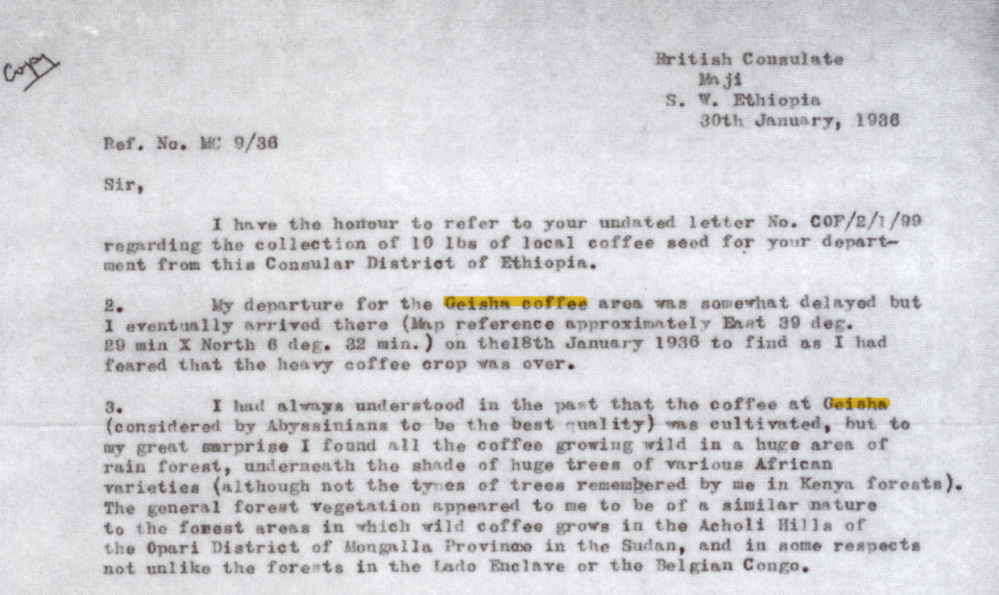
However far the variety has spread, it is beyond dispute that Geisha was born in Ethiopia and made famous in Panama. In the 1930s, the British Colonel Vali was assigned to collect 10 pounds of coffee seeds in Ethiopia. Completing the task in 1936, he wrote a letter mentioning the Geisha variety. All the collected seeds were packed into a single bag marked "GEISHA" and sent to the British embassy in Kenya.
Tanzania's Lyamungu Research Center subsequently received part of what had been forwarded from Kenya, and there raised five Geisha strains, VC496 through VC500. VC496 showed superior leaf rust resistance and became a standout at the institute. In 1953 it was sent to CATIE — the coffee genetic resources center in Costa Rica — for research into rust-resistant varieties, where it was re-coded as T2722.
Through the 1960s and 1970s, coffee leaf rust wreaked havoc across Central America and left growers discouraged. In 1963, Don Pachi of the Panamanian Ministry of Agriculture distributed T2722 Geisha seeds to farmers in the Boquete region.
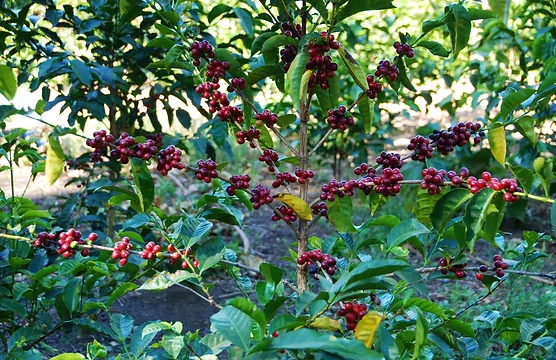
Yet against the Caturra and Catuai that dominated Central America at the time, Geisha yielded two-thirds less, and its brittle branches could barely withstand strong wind and rain. And the times made heroes — this was the era of instant coffee and dark roasting — so Geisha's singular character stayed hidden for nearly half a century before anyone noticed.
Hacienda La Esmeralda: The Discoverer of Geisha
Hacienda La Esmeralda played the indispensable talent scout in Geisha's rise. In the Best of Panama (BOP) competitions at the end of the 20th century, the estate kept finishing at the bottom. To lift the quality of its coffee, the owner obtained a range of variety seeds from CATIE in Costa Rica and grew them side by side with careful records — ultimately discovering in Geisha a complex fruit character and honeyed sweetness utterly unlike typical Central American flavors of nuts and caramel.
In 2004, Daniel of Hacienda La Esmeralda selected a competition lot for that year's BOP. Geisha's flavor stunned the judges: the estate took the championship and promptly broke the green-coffee auction record. Overnight, Geisha became the pinnacle of coffee, waking estate owners from their slumber and igniting a planting craze.
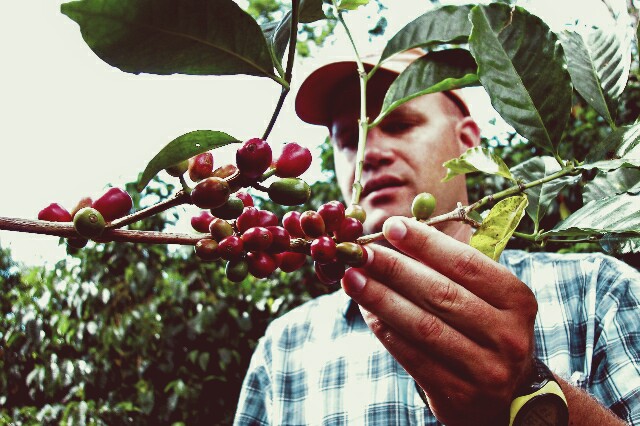
As an active participant in the industry, FrontStreet Coffee finds many origins of quality Geisha on the market each year. Our bean list has featured Geishas from across Central and South America: Colombia, El Salvador, Costa Rica, Guatemala, Honduras, Jamaica, and more...
Panamanian Geisha: Unparalleled Quality
Still, through side-by-side cupping, FrontStreet Coffee holds that for classic Geisha flavor — white florals, honeyed sweetness, a complex juice-like sensation, and a clean, bright mouthfeel — Panamanian Geisha remains beyond the reach of other origins.
Of Panama's three main coffee regions, Boquete and Volcán are the most famous. Nestled near the Barú Volcano, with dense primeval forest and richly fertile soil, their climate and terroir have made an indelible contribution to beans of superb texture and flavor.
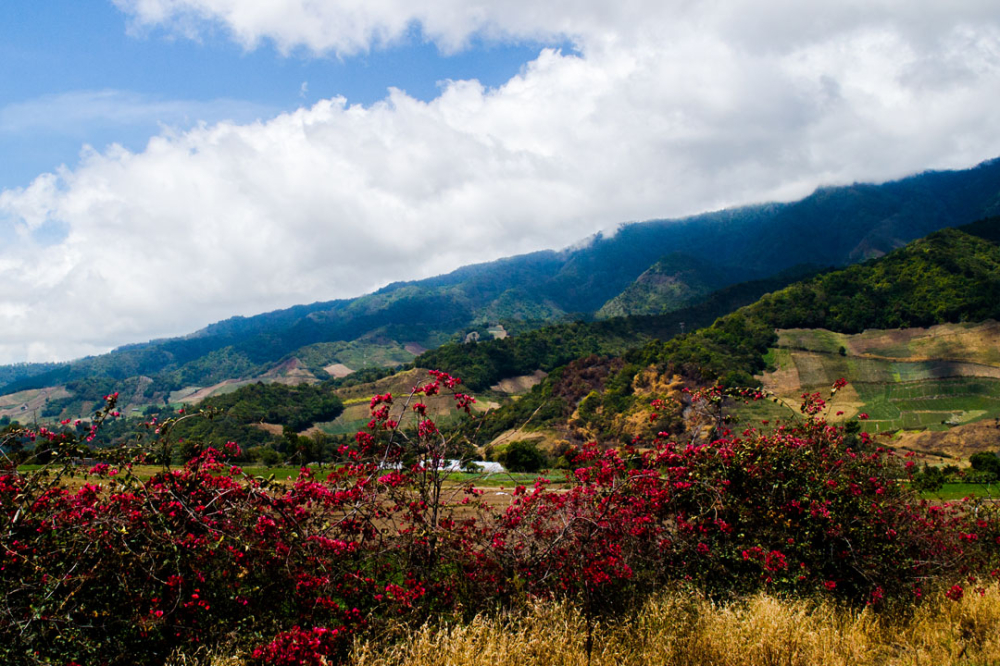
Panamanian Geisha's quality tracks its auction prices: $21 per pound in 2004, $601 in 2017, $1,300 in 2020. Auction-grade Geisha is rare, but non-auction Geisha is equally worth tasting.
FrontStreet Coffee's menu carries many non-auction yet equally top-tier Geishas from renowned estates: Hacienda La Esmeralda, Finca Gamboa, Finca Sophia, Finca Elida, Finca Deborah, Finca Nuguo, Janson Coffee Farm, Finca Don Pepe, Finca Las Brujas, and more...
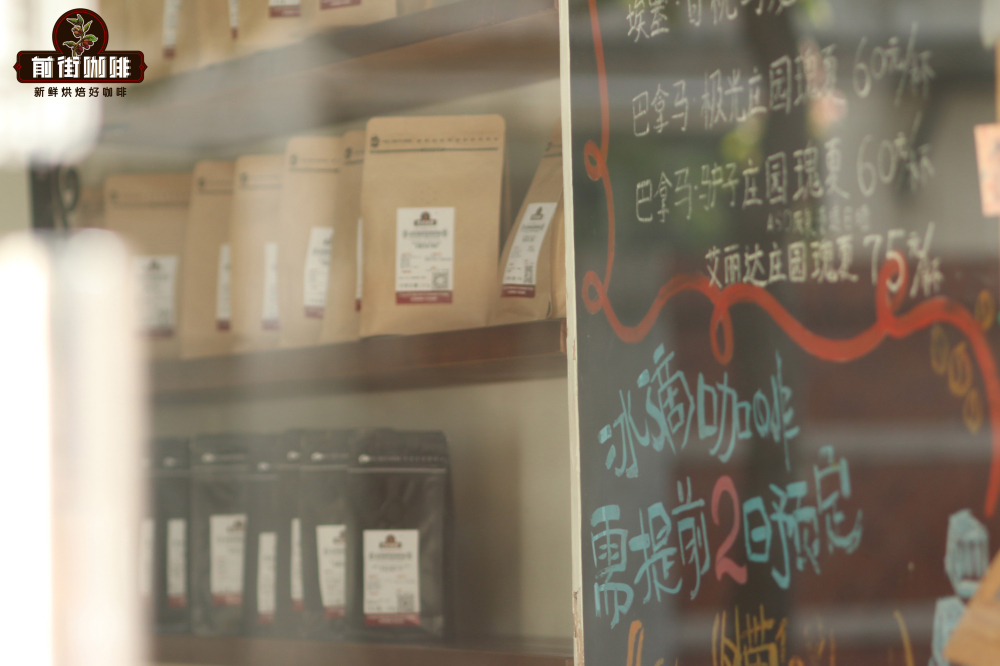
As the discoverer of the variety and the great promoter of its flavors, Hacienda La Esmeralda occupies a place of its own. FrontStreet Coffee believes that for classic Geisha flavor, nothing compares to Esmeralda Gesha — and for a first encounter with Panamanian Geisha, we strongly recommend the estate's classic Red Label.
The estate takes its Red Label brand seriously: every Red Label lot grows above 1,700 meters, carries detailed records down to the specific plot, and must cup above 90 points.

In selecting our Red Label lots, FrontStreet Coffee chose beans from the very same plot as the estate's 2004 BOP championship batch — the Mario plot of the Jaramillo farm. The most traditional processing method, natural, was used, greatly enhancing the coffee's sweet fragrance and rich mouthfeel.
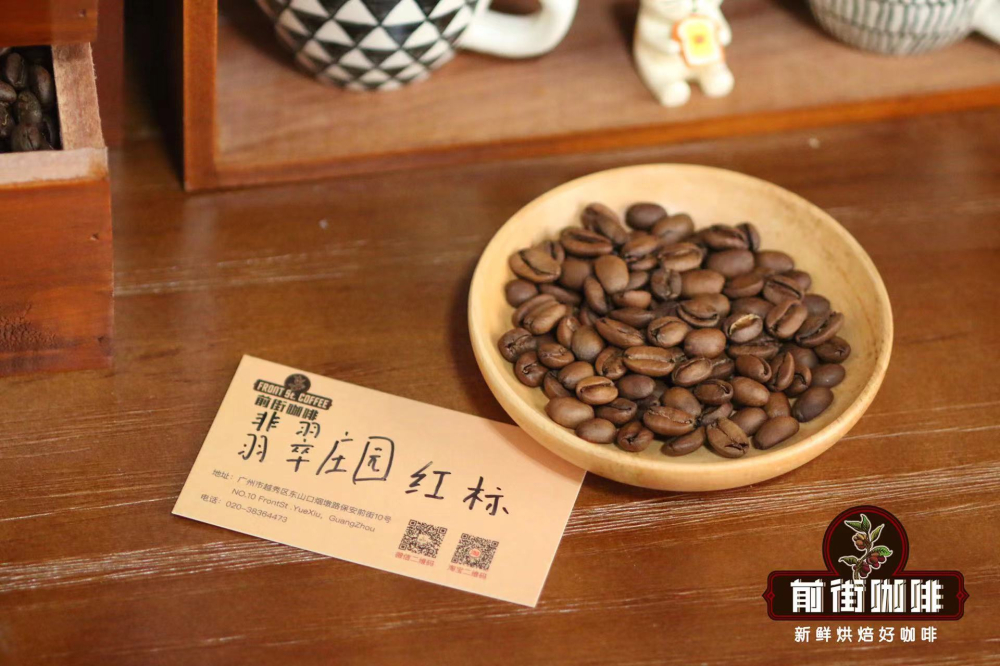
FrontStreet Coffee - Hacienda La Esmeralda Red Label Geisha Coffee Beans
Region: Boquete, Panama
Estate: Hacienda La Esmeralda
Plot: Mario
Altitude: 1,700+ meters
Variety: Geisha
Processing Method: Natural
Developing the roasting curve, FrontStreet's roasters aimed to preserve Geisha's florals and fruit acidity, settling on a medium-light roast.
Freshness and Brewing Recommendations
As life grows more prosperous, people demand ever stricter freshness from their food — coffee included. FrontStreet Coffee ships beans roasted within 5 days, which reach customers after a 4 to 7-day degassing period, right at the start of their optimal flavor window.
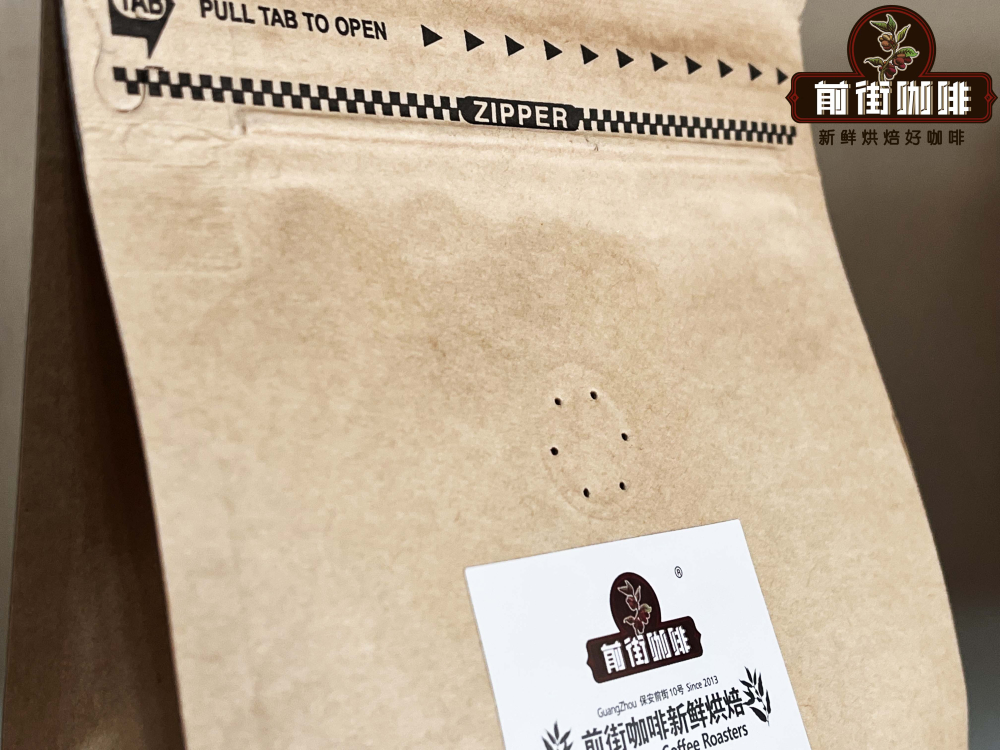
Even so, we occasionally hear that a cup tasted rough, bland, or dry in the throat. Freshly roasted beans are loaded with gas; brewed without a proper rest, that internal CO2 suppresses the extraction of flavor compounds. Given a longer resting period, flavor and mouthfeel round out and fill in. Impatient friends can simply extend the bloom to push the gas out faster.
Brewing Parameters:
Dripper: Hario V60
Water Temperature: 92°C
Dose: 15 grams
Ratio: 1:16
Grind Size: EK43s setting 10 (80% pass-through on China standard #20 sieve)
Three-Stage Extraction Method
First, add 15 grams of ground coffee to the dripper and level the bed. In the first stage, pour 30g of water, start the timer, and bloom for 30 seconds, using a small, steady stream spiraling outward from the center to wet the entire bed.

In the second stage, keep the stream small and steady and pour 120g more, aiming to lift the entire coffee bed. Wider circles here let every particle enter degassing and extraction. Finish this stage around 1 minute 5 seconds, when the scale should read 150g.
When the liquid level falls to about halfway, begin the third stage: a small stream in tight circles, adding 90g. Keep the circles modest — wide swirls scatter the bed and cause under-extraction — while the gentle rinse boosts the release of sweetness late in the brew. The total pour should reach 240g. Wait for all the liquid to draw down, about 2 minutes 20 seconds, then remove the dripper.
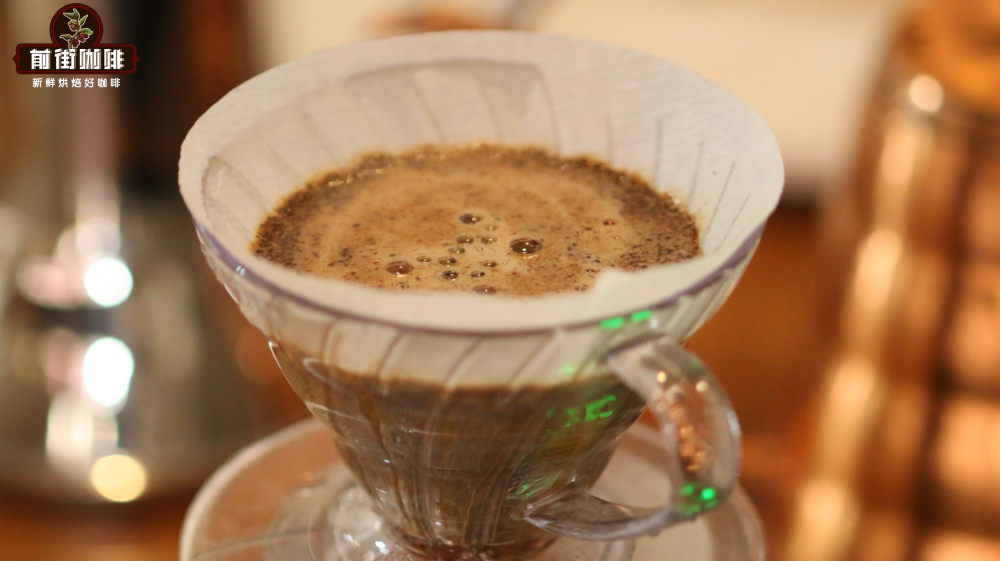
The Hacienda La Esmeralda Red Label Geisha brewed this way releases a lovely floral aroma, opens with rich tropical fruit, and rewards slower sipping with jasmine, cranberry, dried mango, and fruit candy. The fragrant aftertaste is full and never astringent — deeply comfortable. In flavor complexity, FrontStreet Coffee believes Panamanian Geisha does hold a slight edge over Geisha from other regions.
For professional coffee knowledge exchange and more coffee bean information, please follow Coffee Workshop (WeChat public account: cafe_style)
FrontStreet Coffee Recommendation
Geisha is one of Arabica's most beloved varieties — unique florals and superb sweet-sour structure have won over countless drinkers, even as low yields, weak disease resistance, and demanding cultivation keep prices climbing. To drink great Geisha affordably, it helps to know the product lines. Esmeralda's Red Label ("Esmeralda Special," grown at 1600-1800m and cupping above 90 points, each numbered batch from a single plot) is the pinnacle; the Green Label ("Private Collection") blends batches from multiple high-altitude plots and offers excellent value; and the entry-level FrontStreet Boquete Gesha delivers classic Panamanian orange-blossom honeyed sweetness, oolong-tea texture, and delicate fruit acidity at a gentle price.
Ethiopia, the variety's birthplace, offers its own treasures. Geisha Village — a 475-hectare estate founded 12 miles from the Gesha forest — grows three Geisha varieties (Gori Gesha, Geisha 1931, and Illubabor Forest) graded into Gold, Red, Green, and Chaka tiers. The Gold Label (Geisha 1931, just 10% of production, refined natural process) is the estate's top non-auction coffee and a favorite of competition baristas; the Red Label (Gori Gesha, 15% of production, 88+ on the SCA scale) is a fully traceable single-terroir series. For a friendlier start, the FrontStreet Genlana Gesha from a 700-hectare growing area near Kochere — hand-picked ripe cherries dried 14-20 days on raised beds — shows bright citrus acidity, elegant ginger-flower aroma, mature fruit sweetness, and Gesha's signature delicate finish at a medium-light roast.
Brew any of these with care: Geisha is a dense, medium-light, floral bean that tends to sink and clog the dripper, so grind to a 78% pass-through on a #20 sieve (fine sugar), use 91°C water, and pour 15g at 1:16 in three stages on a V60 — 30g bloom for 30 seconds, then small circular pours to 125g and 225g, drawing down in roughly 2'10"–2'20". If you'd like the Gesha experience in espresso or cold brew too, the medium-roasted Genlana Gesha makes a fine SOE (20g, 1:2, 25 seconds — dried apricot, caramel, nuts), and the FrontStreet Strawberry Candy — Panama Geisha blended with Costa Rica raisin-honey coffee — brews a cold brew of grape juice, rose, sweet orange, and fruit-wine notes: 30g ground to fine sugar (EK43s at 9, C40 at 24), steeped with 360g room-temperature water at 1:12 for 8 hours, filtered, then matured 3 more hours in the fridge.
Important Notice :
FrontStreet Coffee is a long-established specialty coffee roaster in Guangzhou China, selling freshly roasted beans from its own farm in Yunnan as well as dozens of carefully selected single-origin beans from around the world for both pour-over and espresso. The products deliver consistently excellent quality and great value, with shipping within 24 hours. Guangzhou's FrontStreet Coffee shop is recommended by many coffee lovers, and the beans are now available online at the Tmall 。
FrontStreet Coffee has moved to a new address:
FrontStreet Coffee Address: 315,Donghua East Road,GuangZhou
Tel:020 38364473
 Scan and follow the En Gafei WeChat official account. Please indicate that the reprint comes from "En Gafei".