Introduction to Geisha Coffee Bean Classification at Esmeralda Estate - Differences Between Red Label, Green Label, and Blue Label
In recent years, Geisha coffee in the specialty market has been increasingly loved by coffee enthusiasts around the world, especially the Geisha from Panama's Hacienda La Esmeralda. As a result, FrontStreet Coffee has welcomed many coffee lovers who come specifically for this renowned coffee. However, many friends are unsure how to choose among the Hacienda La Esmeralda Geisha beans available at FrontStreet Coffee — Red Label Geisha, Green Label Geisha, and Blue Label Geisha. Which one tastes best? Or which one suits your personal preference better?
Below, FrontStreet Coffee gives a detailed introduction to Hacienda La Esmeralda's Red Label, Green Label, and Blue Label varieties.

The Origin of Geisha Coffee at Hacienda La Esmeralda
Geisha coffee became famous through Hacienda La Esmeralda in Panama. Since then, Geisha has been studied and cultivated by estates worldwide, including in Yunnan, China. What makes Hacienda La Esmeralda different? Why was Geisha never prominent or discovered in Ethiopia yet became famous at Hacienda La Esmeralda? As FrontStreet Coffee has said, coffee is an agricultural product, so it inevitably has an inseparable relationship with the local climate and environment. Panama's climate is the primary factor that created this renowned coffee.
Hacienda La Esmeralda
How was Geisha discovered by Hacienda La Esmeralda? The history of the Panama estate dates back to 1964. That year, the American banker Rudolph Peterson retired, moved to Panama, and bought Hacienda La Esmeralda in Boquete. At first the estate focused on dairy farming. Later, his son Price resigned from his medical post to help his father run the farm. In 1987 they introduced the Caturra and Catuai coffee varieties. In 1994 they built a washed processing plant, giving them their own coffee-processing facility. In 1996 they acquired the nearby Jaramillo estate, which had superior geographical conditions and coffee varieties with excellent flavors, and folded it into Hacienda La Esmeralda.

According to FrontStreet Coffee's research, the reason the Peterson father and son targeted Jaramillo estate was precisely the coffee already planted there, which carried pleasant citrus and floral fruit aromas different from the traditional taste of Panamanian coffee. After cupping beans from different parts of the estate, they found that an unknown coffee tree growing at the estate's highest point was responsible for those unique flavors. Because of its low yield, the previous owner had used it only as a windbreak tree. That tree is what coffee lovers now know as the Geisha coffee tree.
Later, this Geisha variety discovered by Peterson won first place in the 2004 Panama Best of Panama (BOP) green coffee competition and went on to achieve remarkable results. Expert identification confirmed that it was the Geisha variety from Ethiopia. Since then, the Peterson family has focused most of its energy on building the infrastructure needed to strictly separate and meticulously process exceptional batches — what FrontStreet Coffee refers to as Red Label, Green Label, and Blue Label.
Hacienda La Esmeralda's Red, Green, and Blue Label Grading Standards
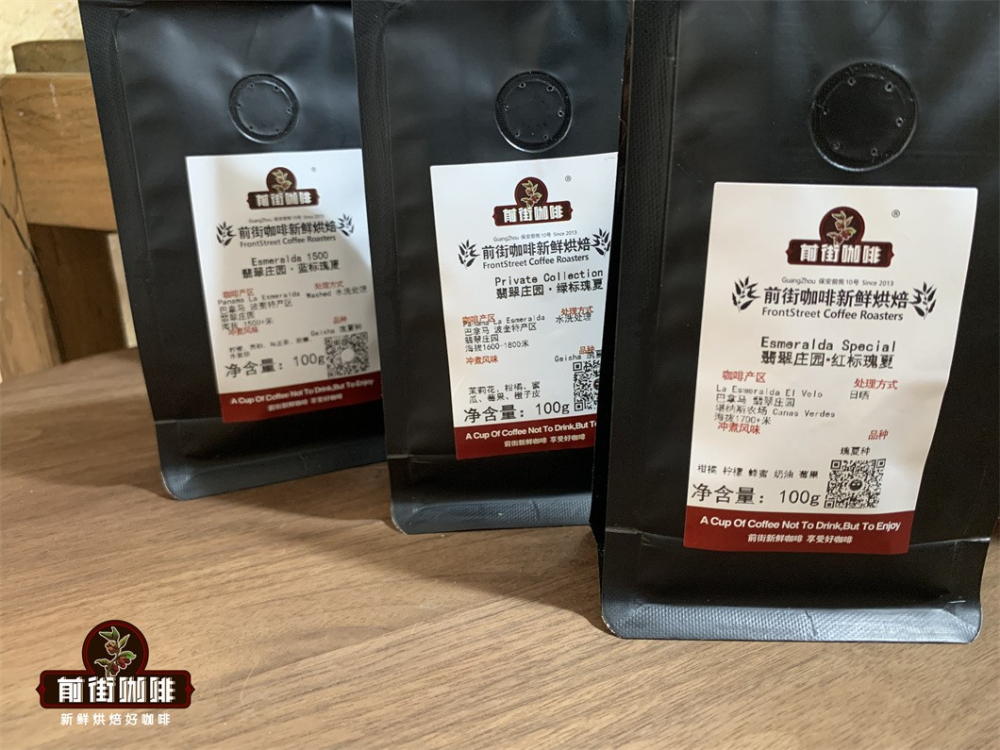
We know there are many ways to grade coffee beans: by size, by cupping results, by defect ratio, by altitude, and so on. How does Hacienda La Esmeralda grade its Geisha? FrontStreet Coffee understands that Hacienda La Esmeralda grades its Geisha primarily by planting altitude, supported by actual cupping results, dividing them into "Red, Green, and Blue Label" grades.
Hacienda La Esmeralda's marketing strategy differs from other estates. Based on cupping performance, cultivated varieties, and planting plots, they divide their coffees into five brands. The Geisha varieties have three brands: Esmeralda Special, Private Collection, and Geisha 1500. The Catuai varieties have two: Diamond Mountain and Palmyra.
Hacienda La Esmeralda Red Label Geisha
For FrontStreet Coffee, Red Label is the most expensive — but does that mean it tastes the best? Why is it the most expensive? Let's explore together. The formal name of Red Label Geisha beans is "Esmeralda Special," which makes the refinement of this Geisha series clear. This series represents the highest-quality Geisha sold by Hacienda La Esmeralda. Red Label is specially selected by the estate, using Geisha planted at altitudes of 1,600–1,800 meters, with cupping scores above 90 points, produced from the Jaramillo and Cañas Verdes regions.
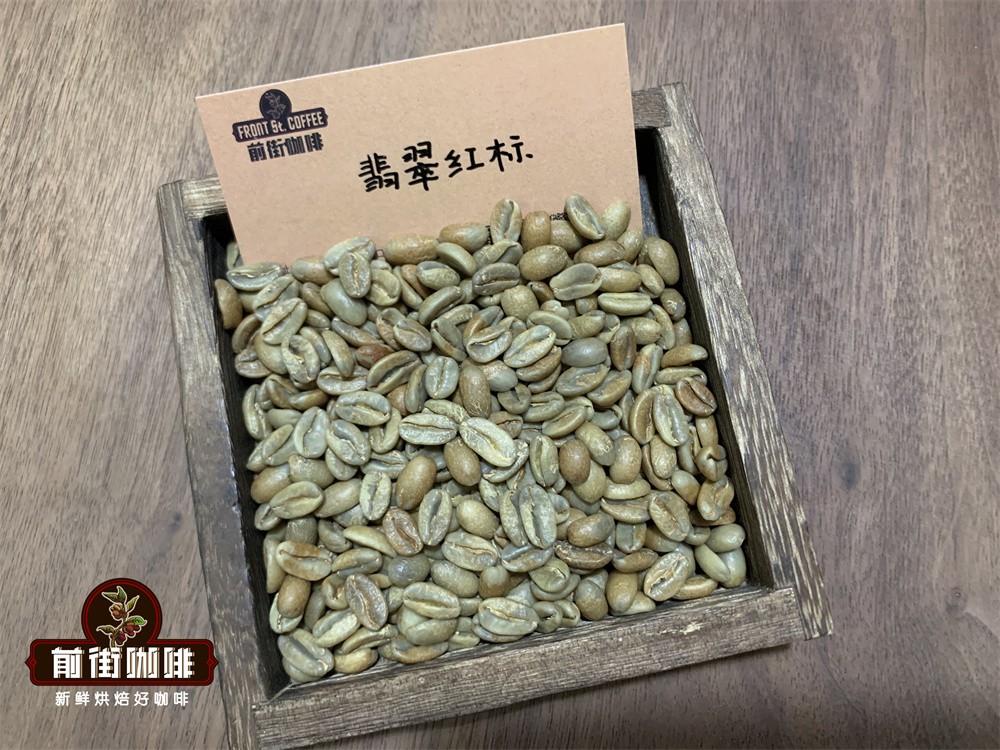
What's more, Red Label batches take part in Hacienda La Esmeralda's own independent auctions. Only Geisha batches from designated plots offered for auction qualify as auction Red Label. Even so, non-auction Red Label is also available on the market today. These are essentially Geisha beans from the same plots that were not entered into auction and were then released to the market. The variety and quality are consistent, but there are price differences. This creates a situation similar to Blue Mountain coffee with its authentic and imitation versions.
Most importantly, another characteristic of Red Label batches is that each batch carries an independent number, and all the beans in a single batch come from one small plot. For example, FrontStreet Coffee's recent Red Label comes from the Mario plot. If buyers can trade directly with Hacienda La Esmeralda, they can choose suitable plot batches based on their preference for subtle flavor differences.
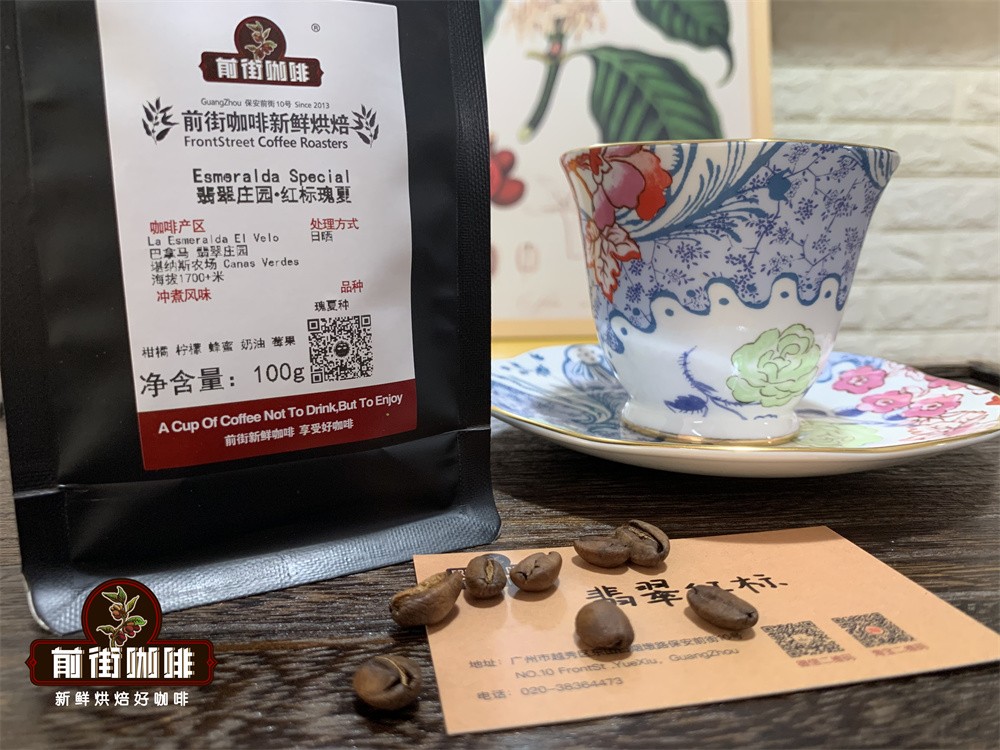
This grade of Geisha uses natural or washed processing, with flavors featuring special, bright floral notes and citrus aromas.
Hacienda La Esmeralda Green Label Geisha
Next is the Green Label, second only to Red Label. Private Collection, commonly known as Green Label, consists of batches that are not part of independent competitions. It selects Geisha varieties that don't participate in auctions but still have excellent quality, planted at altitudes of 1,600–1,800 meters from different plots in Jaramillo, Cañas Verdes, and other regions.
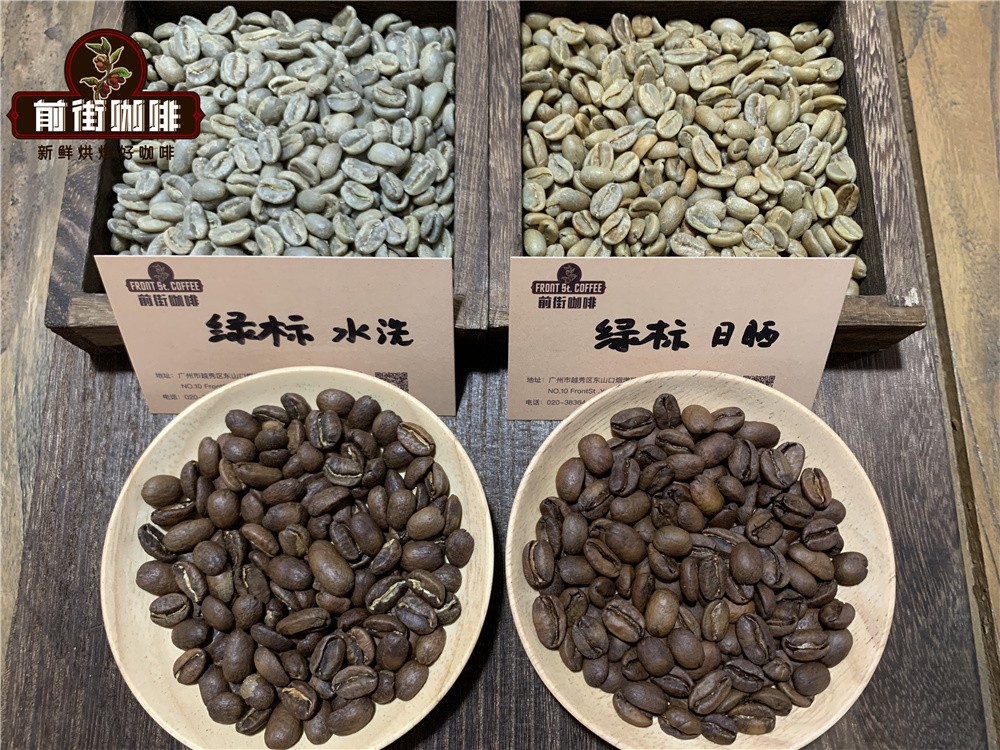
Because it uses a blending approach — beans from different plots are mixed without detailed plot identification — the Green Label may sometimes have high flavor similarity to Red Label, while the next batch might show differences.
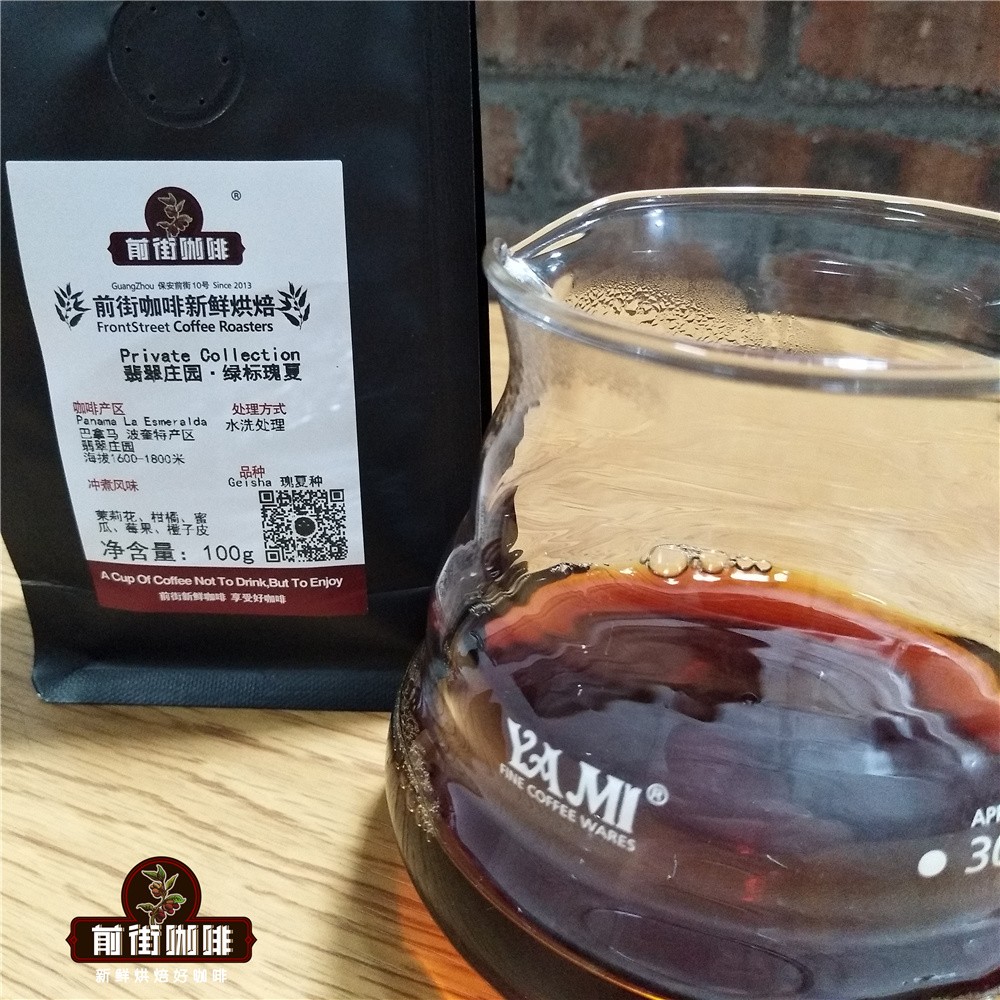
FrontStreet Coffee believes that although Green Label is not as high-grade as Red Label, it still carries the classic Geisha flavors: floral, fruity, citrus acidity, and a thick, juicy mouthfeel. Green Label Geisha also comes in both washed and natural processing. Because its altitude matches Red Label's but it is harvested as a blend, FrontStreet Coffee's view is that it represents the best-value coffee from Hacienda La Esmeralda. Green Label Geisha typically uses washed processing.
Hacienda La Esmeralda Blue Label Geisha
The Geisha 1500 brand is what we commonly know as Blue Label Geisha. It selects coffee from altitudes of 1,400–1,500 meters, blended from different plots in Jaramillo, Cañas Verdes, and El Velo. The flavors feature subtle floral notes, fruit acidity, and sweetness, with a less full-bodied mouthfeel. Currently, Blue Label Geisha is available in both washed and natural processing, with natural-processed Geisha beans introduced in small batches at the end of 2019.
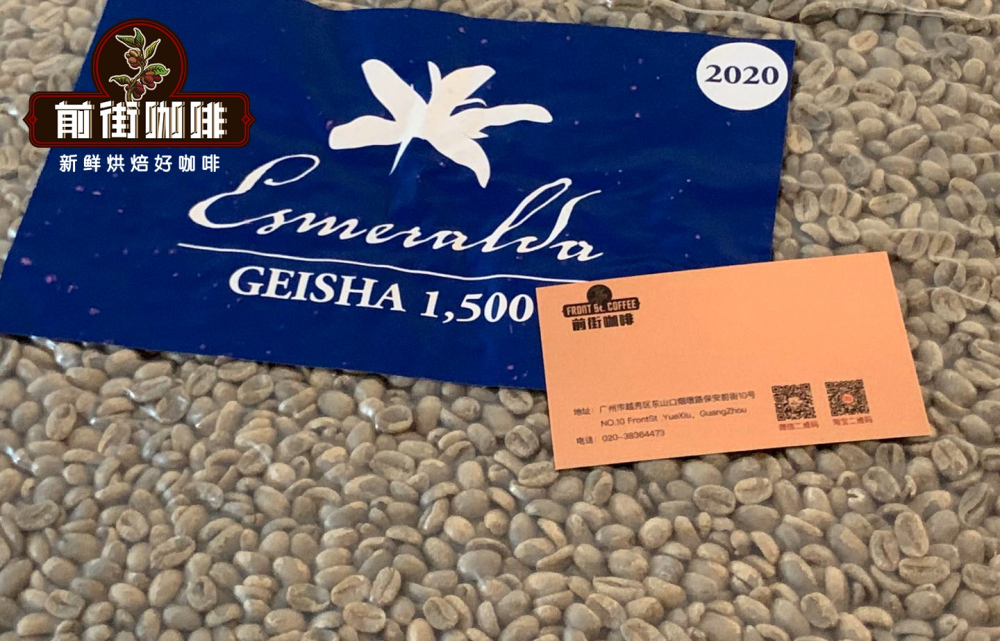
Hacienda La Esmeralda's "entry-level" Blue Label Geisha beans have the formal name "Geisha 1500." Because their logo background is blue, they are known as Blue Label in China. Hacienda La Esmeralda Blue Label Geisha is a blend of Geisha from the estate's three main sub-estates (Jaramillo, Cañas Verdes, and El Velo) at altitudes around 1,500 meters. Notably, in the 2021 production season, Hacienda La Esmeralda's official website product description removed the Blue Label, leaving only Red Label and Green Label in the Geisha category.
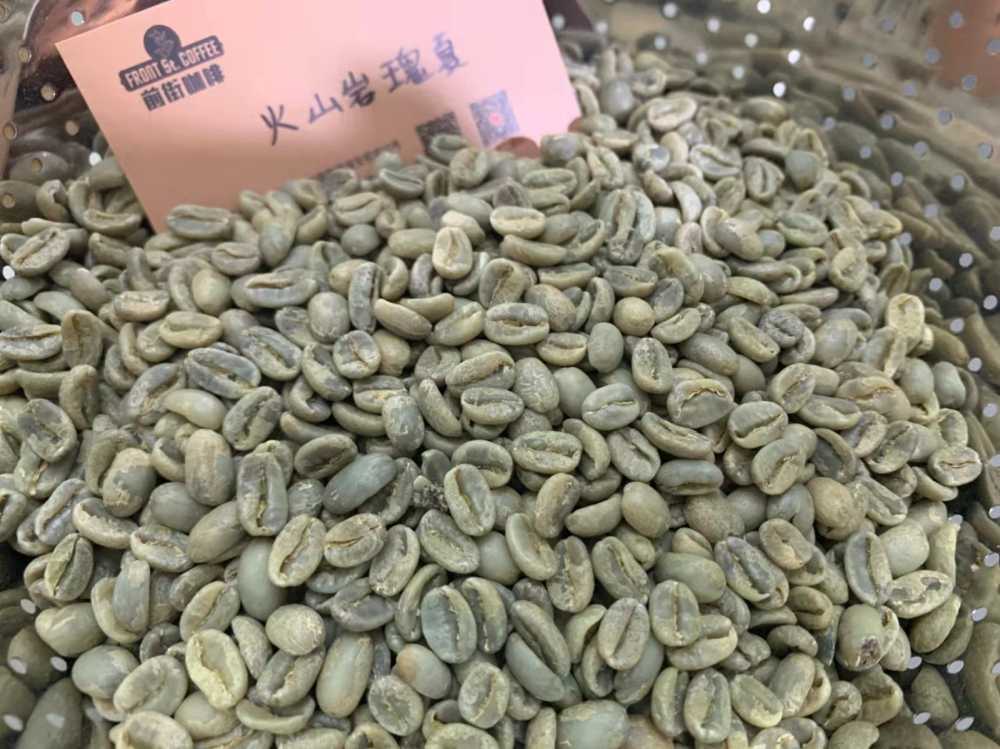
However, according to FrontStreet Coffee's understanding, Hacienda La Esmeralda's 2021 1,500-meter Geisha (originally Blue Label) was sold in bulk to a green coffee company, which launched a brand called "Las Rocas" (Volcanic Rock). FrontStreet Coffee confirmed through that batch's green coffee appearance and cupping that it possesses the characteristic flavors of Hacienda La Esmeralda's Geisha. FrontStreet Coffee therefore named this batch Hacienda La Esmeralda Volcanic Rock New Blue Label Geisha coffee beans.
Differences Between Red, Green, and Blue Labels
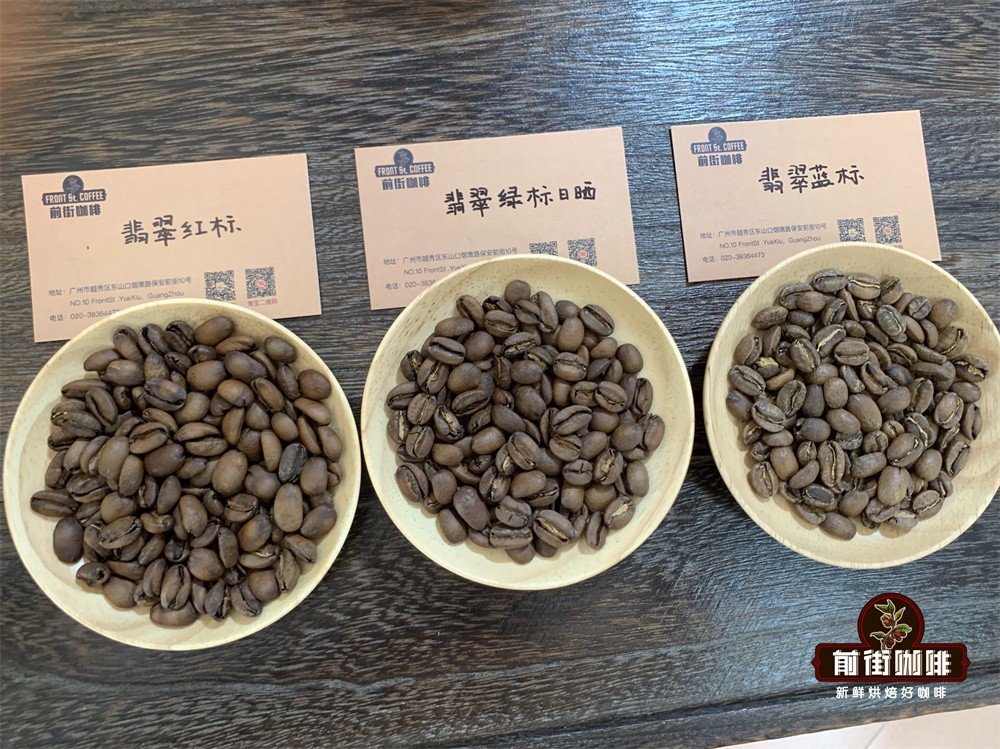
Some might ask what the biggest difference is between these three labels. FrontStreet Coffee believes the most significant difference is altitude. As FrontStreet Coffee has said, coffee grown at higher altitudes generally tastes better, so Red and Green Labels are of better quality than Blue Label. The difference between Green Label and Red Label Geisha, however, is that Green Label is harvested as a blend, while Red Label specifies the plot and participates in auctions, resulting in significant price differences. Even so, FrontStreet Coffee believes the flavor differences between Red Label and Green Label Geisha are not obvious, which makes Green Label far more cost-effective. FrontStreet Coffee therefore suggests that friends who enjoy Hacienda La Esmeralda Geisha might want to try Green Label Geisha.
FrontStreet Coffee understands that Geisha has a peculiar characteristic: its flavor is better when grown in extremely harsh environments. This means Geisha is particularly difficult to harvest and has very low yields. Not every estate can produce delicious Geisha — it takes sufficient conditions and equipment to produce flavorful Geisha. This is why Hacienda La Esmeralda's Geisha stands out.
FrontStreet Coffee's Brewing Recommendations for Hacienda La Esmeralda Coffee Beans
How should such an expensive Geisha be brewed to avoid waste and fully showcase its flavors? The Geisha beans sold by FrontStreet Coffee are all lightly roasted. Lightly roasted Geisha offers an overall very fresh flavor profile, with distinct floral, fruit-acidity, and tea-like notes and a sweet aftertaste. To better draw out these fresh flavors during brewing, the coffee can be ground to a consistency similar to coarse sugar and then brewed with 90°C mountain spring water.
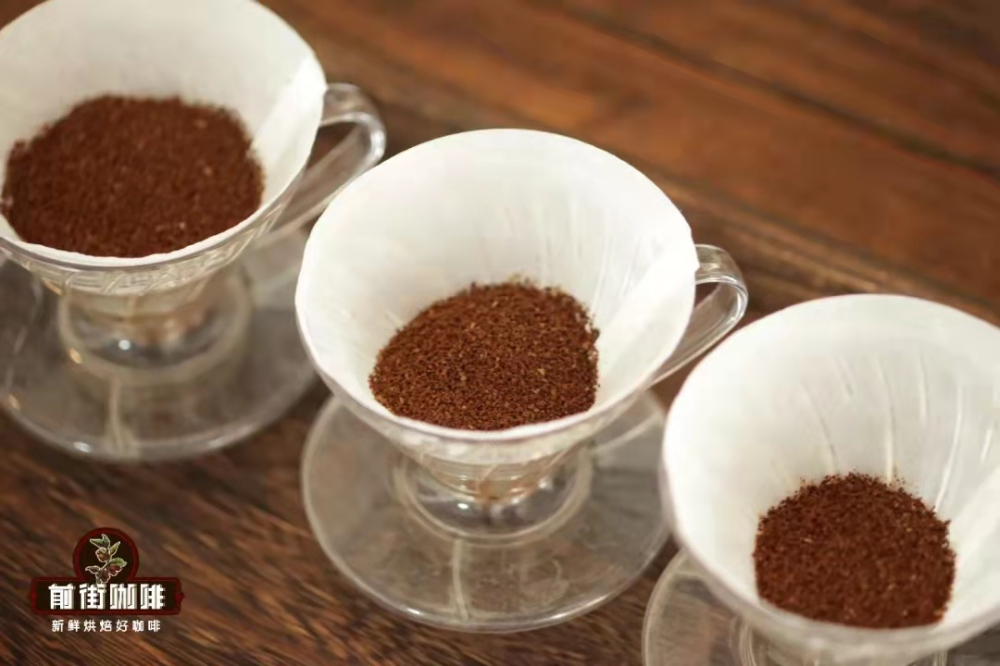
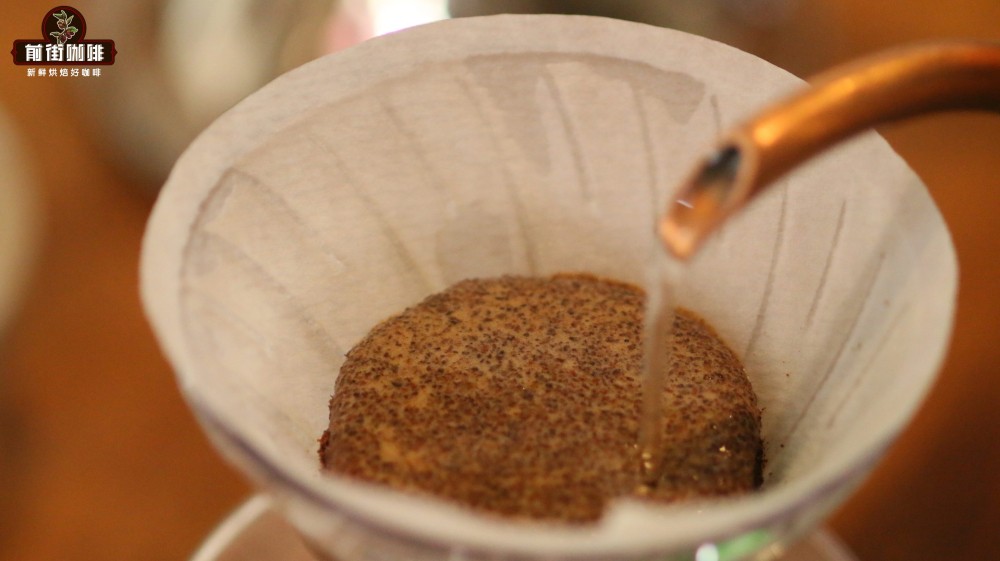
FrontStreet Coffee's brewing parameters are: Dripper: V60 #01, Dose: 15g, Ratio: 1:15, Water temperature: 90°C, Grind size: medium-fine (80% pass-through on the standard #20 sieve).
Hacienda La Esmeralda Natural Red Label Geisha flavors: rose, strawberry, citrus, black tea, honey.
Hacienda La Esmeralda Washed Green Label Geisha flavors: jasmine, ginger flower, citrus, Tieguanyin tea, honey.
Hacienda La Esmeralda Washed Volcanic Rock New Blue Label Geisha flavors: white floral notes, citrus, green tea, honey.
For coffee brewing, FrontStreet Coffee recommends freshly roasted coffee beans to maximize the rich flavors. All beans shipped by FrontStreet Coffee are roasted within 5 days, because FrontStreet Coffee deeply understands how much freshness affects flavor. FrontStreet Coffee's roasting philosophy is "Freshly roasted good coffee," ensuring that every customer who orders receives the freshest possible coffee. The degassing period is about 4–7 days, so when customers receive their coffee it is at peak flavor.
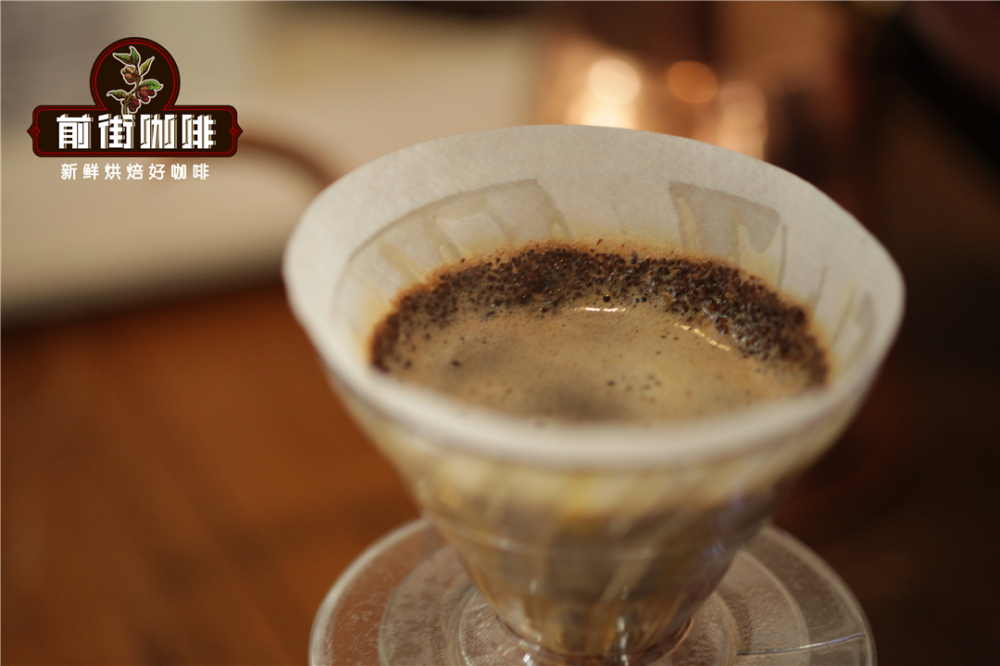
Of course, some customers need FrontStreet Coffee to grind their beans, which is also fine. But FrontStreet Coffee must remind you: pre-ground coffee doesn't need further degassing, because during transport the pressure from carbon dioxide inside the packaging helps mellow the flavor, so you can brew a cup immediately upon receiving ground coffee. Ground coffee, however, needs to be brewed promptly, because it oxidizes quickly when exposed to air — the flavor dissipates faster and won't be as good. FrontStreet Coffee therefore recommends buying whole beans and grinding fresh for each brew so you can better appreciate the coffee's flavor.
Which Label Tastes Better: Red, Green, or Blue?
Some might ask whether the most expensive coffee is necessarily the best tasting. Actually, not necessarily. FrontStreet Coffee believes everyone has different taste preferences, and the most expensive Red Label might not suit everyone. Red Label consists of Geisha beans from a single plot, and after brewing the coffee's overall expression is cleaner and fuller. Geisha grown at higher altitudes also has richer flavors. If you enjoy a full-bodied mouthfeel, Red Label is definitely your first choice; if not, you might try the more cost-effective Green Label or Volcanic Rock (New Blue Label).

Of course, FrontStreet Coffee doesn't only offer Geisha from Hacienda La Esmeralda; we also source Geisha from other producing countries, such as Colombia's Hanami Geisha and Costa Rica's Milasú Geisha blend — all worth trying.
FrontStreet Coffee Recommendation
Choosing between Red, Green, and Blue Label really comes down to how much you value a single-plot, auction-level cup. FrontStreet Coffee's Esmeralda Red Label Geisha — "Esmeralda Special" — is the pinnacle: planted at 1,600–1,800 meters, cupping above 90 points, and drawn from a single small plot, which is why it is the most expensive and most collectible. Its natural version shows rose, strawberry, and honey; the washed version is cleaner, with ginger flower, citrus, and tea-like notes.
For most drinkers, though, FrontStreet Coffee's Esmeralda Green Label Geisha ("Private Collection") is the smart buy. It blends several plots and still delivers the estate's signature high-altitude Geisha profile — white florals, citrus, and a juicy, tea-like body — at a much friendlier price. If you want to begin at the entry level, FrontStreet Coffee's Esmeralda Blue Label Geisha ("Geisha 1500"), and its successor the Volcanic Rock New Blue Label Geisha, offer a lighter, softer expression with white floral notes, citrus, green tea, and honey.
Whichever label you choose, FrontStreet Coffee brews Geisha lightly roasted with a V60 #01, 15g of coffee, a 1:15 ratio, and 90°C water, grinding medium-fine to about 80% pass-through on the standard #20 sieve. For a different origin, FrontStreet Coffee also recommends its Panama Boquete Geisha — an approachable, entry-level Geisha with the classic orange-blossom honey, oolong-tea, and layered fruit character of Panama.
Important Notice :
FrontStreet Coffee is a long-established specialty coffee roaster in Guangzhou China, selling freshly roasted beans from its own farm in Yunnan as well as dozens of carefully selected single-origin beans from around the world for both pour-over and espresso. The products deliver consistently excellent quality and great value, with shipping within 24 hours. Guangzhou's FrontStreet Coffee shop is recommended by many coffee lovers, and the beans are now available online at the Tmall 。
FrontStreet Coffee has moved to a new address:
FrontStreet Coffee Address: 315,Donghua East Road,GuangZhou
Tel:020 38364473
 Scan and follow the En Gafei WeChat official account. Please indicate that the reprint comes from "En Gafei".