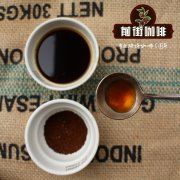
Kenya AA Coffee Bean Pour-Over Ratio Parameters Sharing Light Roast Kenya Coffee Bean Flavor and Taste

FrontStreet Coffee - Kenya Coffee Pour-over Parameters and Flavor Profile Sharing
Coffee first took root in Kenya under British colonial rule, grown on large plantations while the harvested beans were shipped to London for sale. That began to change in 1933, when the Coffee Ordinance was passed, creating the Kenya Coffee Board and bringing the sale of coffee back under Kenyan control. An auction system followed in 1934 and is still in use today. A year later, the first draft of a grading system was drawn up to help raise coffee quality. Then, in the early 1950s, shortly after the Mau Mau Uprising, the government passed an agricultural act that allowed each family to hold more farmland, so households could both support themselves and grow cash crops for extra income. The legislation, known as the Swynnerton Plan, took its name from a Department of Agriculture official.
Kenya | Harvesting ripe coffee cherries
That shift marked the moment coffee production passed from British into Kenyan hands, and the effect of smallholder farming was striking: total income rose from £5.2 million in 1955 to £14 million in 1964, with 55% of the growth coming from coffee.
Kenya gained independence in 1963 and now produces a remarkable range of very high-grade coffee. The country is well advanced in coffee research and development, and many farmers bring deeply professional know-how to their work. Kenya's bidding system should help quality-focused producers earn better prices. Yet precisely because buyers of top coffee usually have to pay a premium, corruption within the auction system can end up keeping farmers from the returns they deserve.
Washed Kenya - Asali
Pine aroma, dark plum, lemon and grapefruit acidity, and a brown sugar sweetness; the overall cup is clean, with a bright and lively fruit acidity.
Natural Kenya - Osiaya
Fermented wine aromatics, with black berries, citrus, cherry tomato, mango and purple grape, plus a creamy note and brown sugar sweetness; rich and layered, with full sweetness.
After cupping, the editor felt both beans would be well suited to iced pour-over, just the thing for a hot summer day. So a pot of each was brewed, keeping the parameters and technique essentially identical.
Parameters: 18g of grounds, 90°C water, medium-fine grind (BG 5M: 60% pass-through on a China standard #20 sieve), a 1:10 coffee-to-water ratio (ice not counted), and 100g of ice in the serving pitcher.
Bloom with roughly twice the weight of the grounds in water. Stop the bloom and begin pouring once the coffee bed turns from damp to dry, about 30 seconds in. Pause at 110g, then continue to about 180g as the water level drops and the bed is about to be exposed. Lift the dripper off once all the water has drained through.
Washed Kenya - Asali
Light jackfruit and floral notes with pine fragrance on the nose. In the mouth, acidity of dark plum, lemon, citrus and cherry tomato, with a caramel finish and a juicy sensation.
Natural Kenya - Osiaya
A rich jackfruit aroma with light blackcurrant and fermented wine notes. On the palate, grape, cherry tomato, citrus and lemon, with brown sugar sweetness; the fruit-wine finish is long and noticeably sweet.
FrontStreet Coffee Recommendation
If this is the Kenya profile you are after, FrontStreet Kenya Little Tomato is the natural place to start. It is a Kenyan specialty washed coffee from the Sika region, grown at 1550-1750 meters on the classic SL28 and SL34 varieties. The beans go through Kenya's signature 72-hour double washed fermentation, then a light roast that preserves the lively acidity and layered fruit. The dry aroma already shows concentrated sun-dried tomato and florals; in the cup you find clear cherry tomato and dark plum, a bright and solid acidity as full as freshly pressed juice, a sweet mid-palate with hints of snow pear and black plum, and a clean, lingering finish of brown sugar and faint green tea.
For a second expression of the same bright, fruit-forward style, FrontStreet Ethiopia Yirgacheffe Gedingding Cooperative is well worth trying. This washed Ethiopian coffee from the Gedingding village in the Worka area is prized for its jasmine florals and bright citrus acidity, and once roasted to a medium-light level it develops green tea and honey tones - a fine match for the pour-over approach described above.
Important Notice :
FrontStreet Coffee is a long-established specialty coffee roaster in Guangzhou China, selling freshly roasted beans from its own farm in Yunnan as well as dozens of carefully selected single-origin beans from around the world for both pour-over and espresso. The products deliver consistently excellent quality and great value, with shipping within 24 hours. Guangzhou's FrontStreet Coffee shop is recommended by many coffee lovers, and the beans are now available online at the Tmall 。
FrontStreet Coffee has moved to a new address:
FrontStreet Coffee Address: 315,Donghua East Road,GuangZhou
Tel:020 38364473
 Scan and follow the En Gafei WeChat official account. Please indicate that the reprint comes from "En Gafei".