What are the characteristics of Costa Rican Yellow Honey? Introduction to Costa Rican Black Honey characteristics
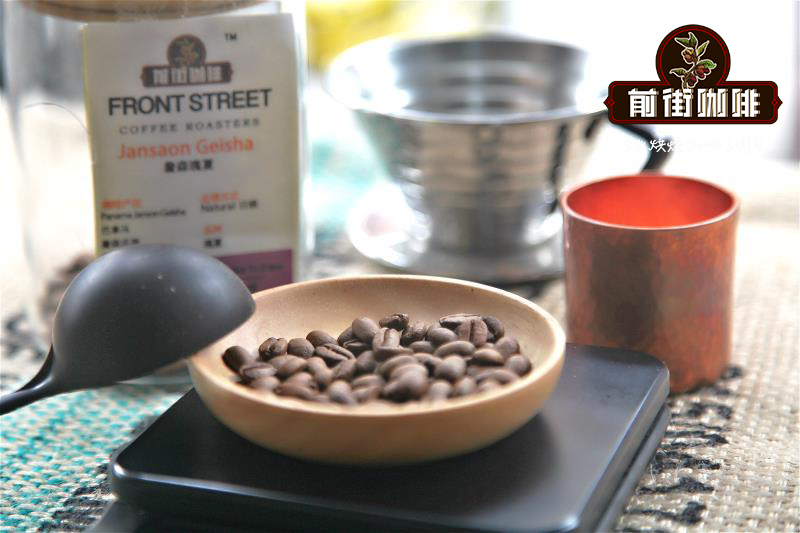
FrontStreet Coffee Introduces: Costa Rican Yellow Honey and Black Honey Process
What Is Honey Processing?
Coffee beans are the seeds of coffee cherries. The coffee you drink comes from the seeds of those red or yellow fruits.
Before the beans can be roasted, the outer layers—pulp and skin—must be removed, and the beans dried to about 11% moisture. The two most common processing methods are washed and natural. The washed method soaks the cherries and rinses away the pulp and skin with water; the natural method dries the whole cherries in the sun, after which machines strip off the dried pulp and skin.
Honey processing combines the two. The skin is removed first, but some of the sticky mucilage is left on the bean as it dries.
Why is this method called honey processing?
Mucilage is a sticky substance in coffee cherries, loaded with sugars—very much like honey. Honey-processed coffees are famous for their rich sweetness, so the name fits perfectly.
How do yellow honey, red honey, and black honey differ?
Honey processing splits into many sub-categories. Although roasted coffee packaging rarely spells out the details, growers and green coffee traders distinguish carefully among white honey, yellow honey, golden honey, red honey, and black honey.
Simply put, white honey and yellow honey retain less mucilage after washing. Golden honey, red honey, and black honey retain more mucilage, which gives the coffee a fuller body.
Honey processing is shaped by factors like temperature and humidity, and no precise regulations exist—it can only be described in general terms.
White Honey and Yellow Honey
White honey: the cherries are mechanically washed first, leaving very little mucilage.
Yellow honey: generally semi-washed, retaining a slightly higher proportion of mucilage than white honey.
While the same label may mean slightly different operations on different farms, the shared naming system keeps communication clear and makes trading smoother.
White honey processing is especially unique and intricate.
Golden Honey, Red Honey, and Black Honey
The main differences among golden honey, red honey, and black honey come down to light exposure and drying time.
Black honey demands the highest humidity and the longest fermentation. Red honey needs somewhat less humidity, and golden honey even less.
Golden honey beans dry in a warm, sunny, low-humidity environment, so drying is quicker. Red honey dries in a shaded setting over a slightly longer period, and black honey dries in an even cooler spot for even longer.
Black honey coffee delivers fuller body, richer flavors, and higher prices.
Why push honey processing further?
The deeper the honey process, the more complex it becomes. Black honey requires careful monitoring to avoid over-fermentation, and the green beans also have a somewhat shorter shelf life. If you want the fullest honeyed sweetness, roast the green beans soon after purchase.
If black honey is so demanding, why bother?
Because the deeper the honey process, the better suited the coffee is to espresso. On the palate, it is as if someone stirred a spoonful of honey into your cup. For pour-over, though, white honey or yellow honey coffees will taste cleaner.
FrontStreet Coffee Recommendation
Honey processing was born when Costa Rican producers took Brazil's pulped natural method and refined it—adjusting how much mucilage to keep and how long to dry—and it has since branched into black, red, yellow, and white honey. To taste black honey at its finest, try FrontStreet Coffee's Costa Rica Blackberry. It uses an almost mucilage-intact black honey process, drying for at least two weeks under shading material so strong sunlight does not dry the beans too quickly, with regular turning to prevent over-fermentation. After a light-medium roast, the grounds release a lush fresh-flower aroma, and the cup shows grape, berry, and ripe blackberry flavors.
For something even more adventurous, look for FrontStreet Coffee's Costa Rica Mozart, made with an innovative raisin honey process. The whole cherries are pre-dried on raised beds for at least three days before the skin and pulp are removed, and 100% of the mucilage is retained—making it even harder to execute than black honey. The reward is a richer, hot-fruit sweetness: brewed as pour-over, cold brew, or moka pot, it reveals osmanthus, pineapple, and raisin aromas.
If you enjoy Geisha as well, FrontStreet Coffee's Strawberry Sugar blend pairs a Panamanian Geisha with a Costa Rican lot processed by raisin honey, keeping 100% of the mucilage with a zero-water method. The cup combines the Geisha's classic orange-blossom honeyed character with grape and dried blueberry fragrance, soft fruit acidity, an almond finish, and prominent sweetness.
Important Notice :
FrontStreet Coffee is a long-established specialty coffee roaster in Guangzhou China, selling freshly roasted beans from its own farm in Yunnan as well as dozens of carefully selected single-origin beans from around the world for both pour-over and espresso. The products deliver consistently excellent quality and great value, with shipping within 24 hours. Guangzhou's FrontStreet Coffee shop is recommended by many coffee lovers, and the beans are now available online at the Tmall 。
FrontStreet Coffee has moved to a new address:
FrontStreet Coffee Address: 315,Donghua East Road,GuangZhou
Tel:020 38364473
 Scan and follow the En Gafei WeChat official account. Please indicate that the reprint comes from "En Gafei".