Ethiopian Gedeb Coffee Beans Characteristics: Introduction to Washed Yirgacheffe Pour-Over Flavor Profile

The Gotiti Cooperative, in the Worka production area at the southeastern end of Yirgacheffe, was originally part of the Worka Cooperative under the Yirgacheffe Coffee Farmers Cooperative Union (YCFCU). As demand for traceability in green coffee grew, however, individual "single-origin" areas were gradually uncovered by coffee hunters around the world. And so, in 2012, Gotiti, with roughly 300 member farmers, was established as an independent "Gotiti Cooperative."
Gotiti village was one of the first village areas to be established independently. Many of the smallholders had been members of the Worka Cooperative, so their coffee-growing skills are beyond question. The Gotiti Cooperative is known as the last pure land of Yirgacheffe, and it uses very traditional processing methods, both washed and natural.

Product Information
Product Name: FrontStreet Coffee Gotiti Cooperative Yirgacheffe Coffee Beans
Region: Ethiopia, Yirgacheffe
Variety: Ethiopian Heirloom
Flavor: Bright fruit aroma, including pineapple and strawberry flavors, with prominent acidity
In Ethiopia, in the Worka production area at the southeastern end of Yirgacheffe, there is a seasoned coffee-producing team called the "Gotiti Cooperative." It has approximately 300 member farmers. It was established independently in 2012 on the strength of its bright, upward Yirgacheffe flavor profile.

Many smallholders had been members of the original Worka Cooperative, so their growing skill is unquestionable. The Gotiti Cooperative coffee at FrontStreet Coffee uses the traditional washed process, which avoids the heavy bitterness of traditional black coffee and instead presents fresh, bright citrus and lemon acidity with jasmine fragrance, so that many coffee lovers fall for it at the first taste.
Where is Yirgacheffe?
Yirgacheffe town is one of the highest-altitude origins in Ethiopia, with coffee trees mostly planted on highlands approaching two thousand meters and the highest points reaching around 2,100 meters. As altitude increases, the growing environment for coffee trees becomes more ideal and the flavor advantages of Arabica beans become more prominent. Lakes Turkana, Abaya and Chamo surrounding the town bring abundant water vapor, with mist year-round, spring-like seasons, gentle breezes and cool, humid air, nurturing Yirgacheffe's unique floral and fruity aroma.
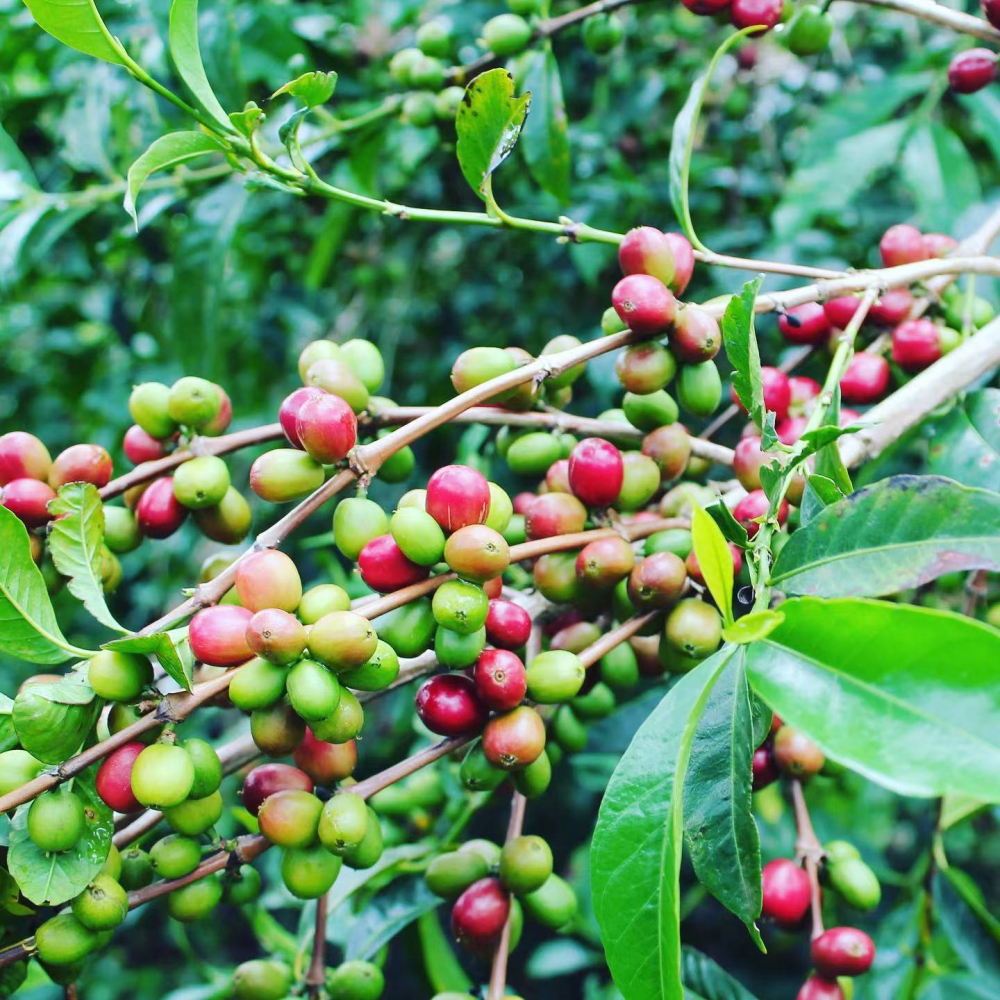
Unlike many specialty coffees produced on a large estate scale, Ethiopian coffee is mostly grown by individual smallholders on holdings of about 1 hectare with small yields. The cherries are therefore sent to town or to nearby cooperatives for unified processing. Cooperative management not only improves coffee quality but also provides farmers with a more stable income. When we buy coffee beans, we often see coffee that has been processed, graded and roasted and is finally named after its cooperative, such as Gotiti, Worka, Konga and Adado.
Why Does Washed Yirgacheffe Have Citrus and Lemon Acidity?
Traditionally, farmers would place harvested cherries directly on terraces or spread them on the ground to sun-dry until the fruit's moisture content fell to about 12 percent, at which point the coffee could be sent for hulling and packing. Coffee processed this way is prone to earthy flavors, over-fermentation and rotten fruit notes.
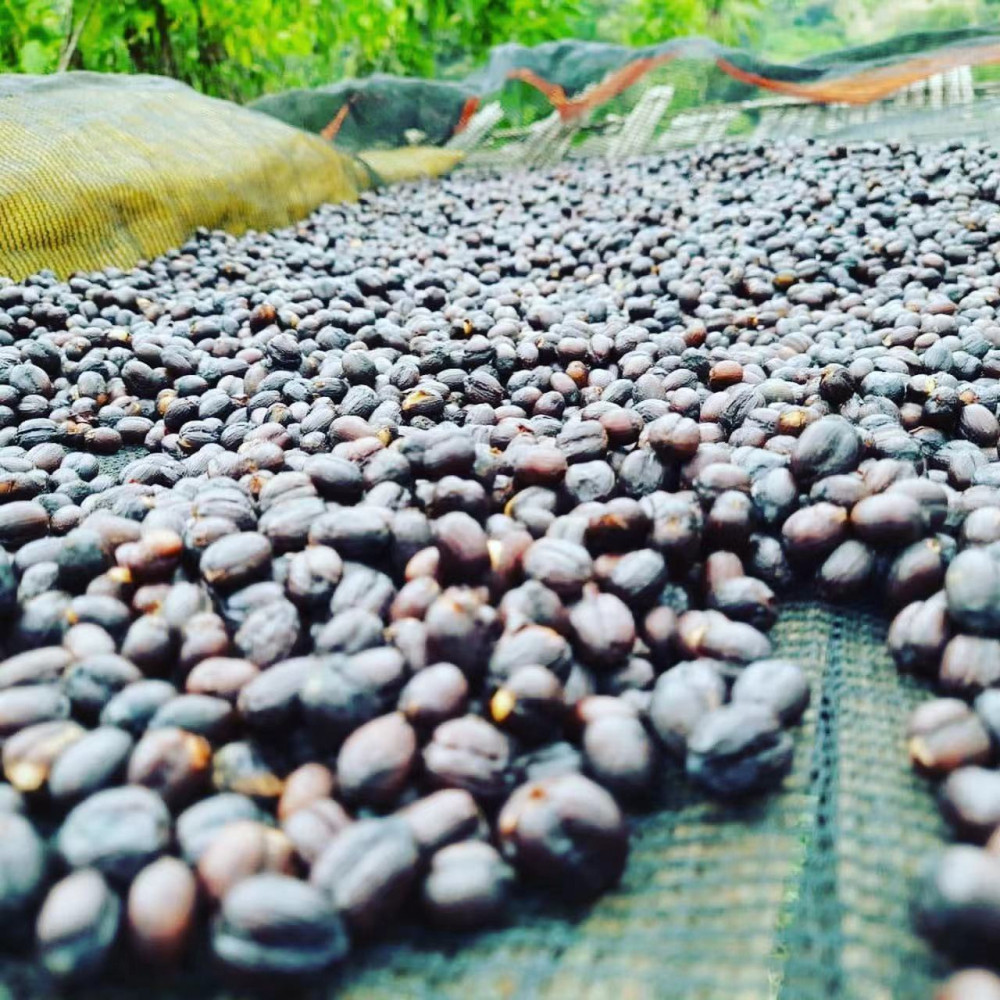
To correct the flaws of that sun-drying method, Ethiopia introduced washed processing technology from Central and South America. During washing, multiple steps remove defective beans, revealing a cleaner acidity and lifting Yirgacheffe's aroma to another level. So that curious coffee lovers can taste the unique "Yirgacheffe flavor," FrontStreet Coffee has released a washed Yirgacheffe as the representative of Ethiopian coffee, roasted medium-light with the classic Yirgacheffe notes, suitable for pour-over, cold brew and French press. FrontStreet Coffee's daily bean series lets friends new to coffee taste the basic flavors of an origin at an affordable price, and the small packaging also avoids the waste of coffee left unfinished.
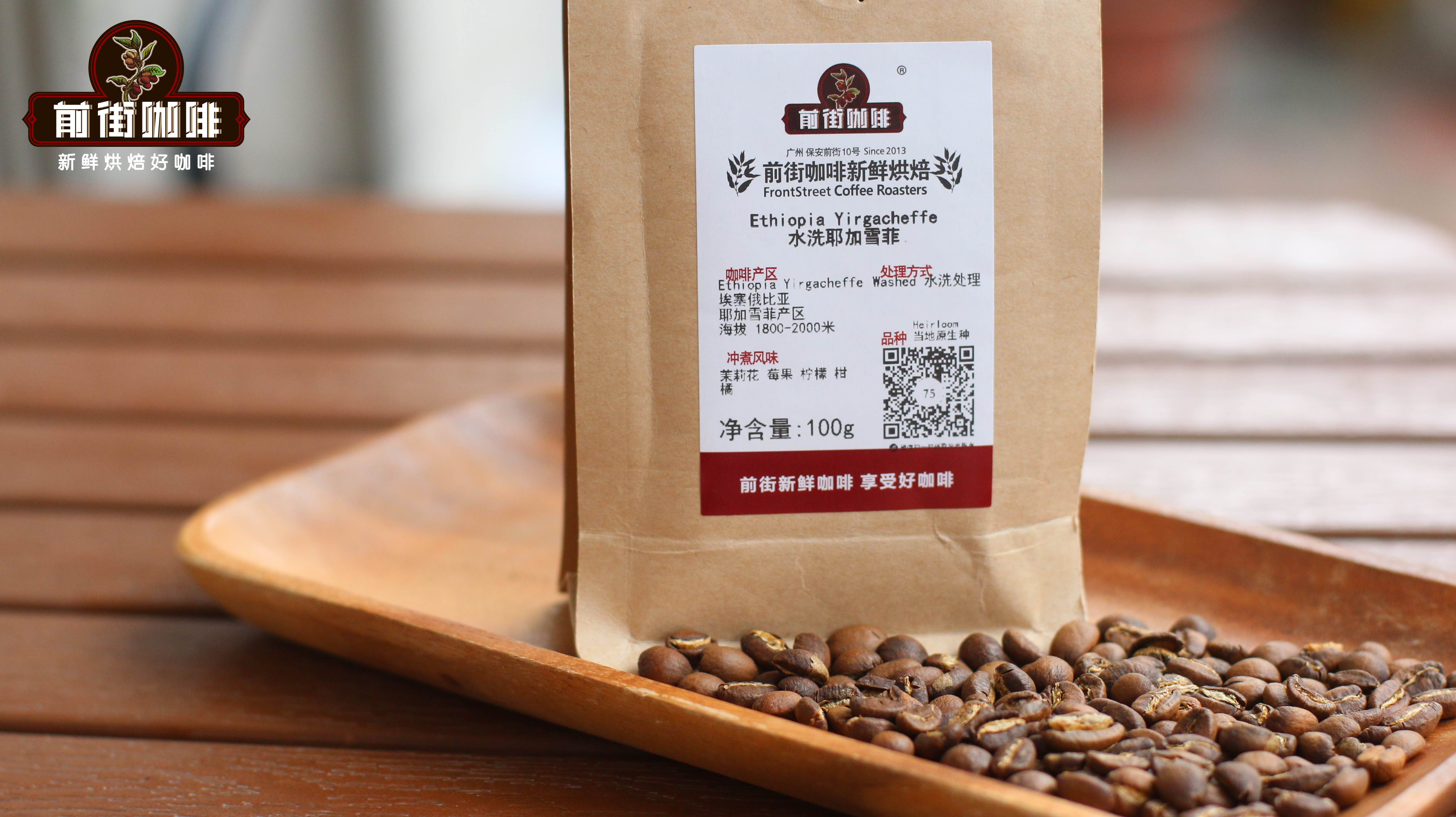
Flavor Characteristics of Medium-Light Roasted Gotiti Coffee
FrontStreet Coffee believes the greatest characteristic of Ethiopian coffee is its fruity acidity and floral aroma, praised by many coffee lovers as a "fruit bomb." To highlight that explosive fragrance, the roast level cannot be too dark, so FrontStreet Coffee uses a medium-light roast to showcase the coffee's fruit.
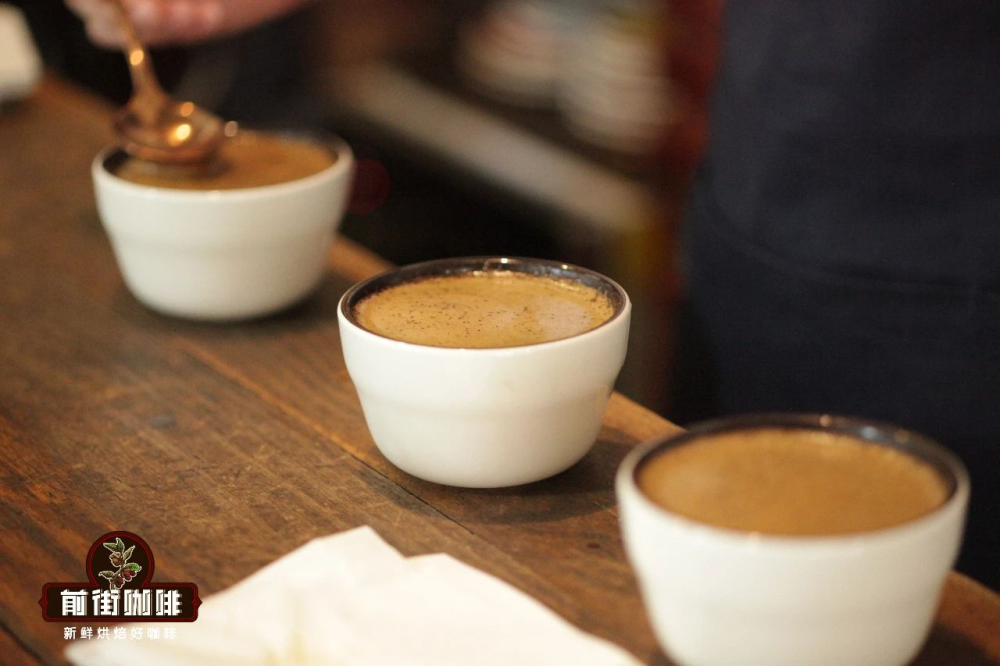
Cupping Notes:
The dry aroma of the washed Gotiti Cooperative coffee gives off fresh passion fruit, citrus and berry acidity. The wet aroma reveals citrus and berries. On tasting you get citrus acidity, berry sweetness, almond and tea-like sensations, with a honey-like sweetness in the finish. Light body, bright acidity, clean and refreshing.
How to Brew Washed Gotiti for Great Taste?
Based on past brewing experience, FrontStreet Coffee recommends that beginners use the three-stage pouring method. Three-stage extraction helps dissolve flavor compounds more fully, adding layers to the mouthfeel while avoiding the over-extraction that comes from soaking the grounds too long.
For 15 grams of coffee grounds at a 1:15 ratio, 225 ml of water in total, the three stages are divided into 30 ml, 95 ml and 100 ml, with the scale reading 30 g, 125 g and 225 g.
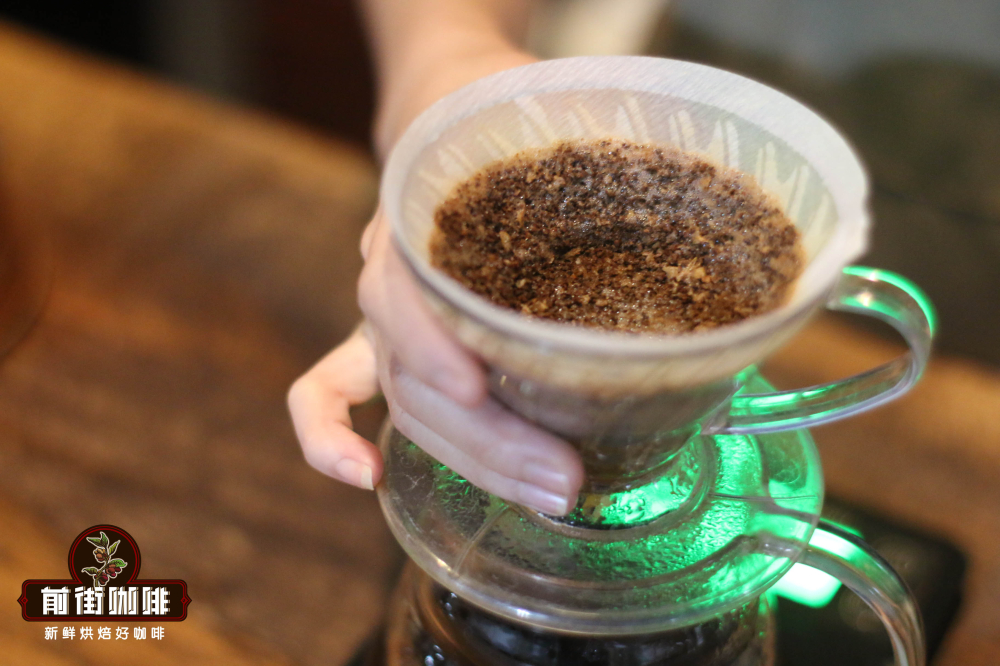
Here FrontStreet Coffee uses its own roasted washed Yirgacheffe Gotiti Cooperative beans with a Hario V60 dripper. The V60's spiral rib design lets the grounds degas more effectively, maximizing the release and dissolution of acidic aromatic compounds. Because Yirgacheffe is a light roast, the beans have a harder texture and need high-temperature water at 92 to 93 degrees Celsius to draw out the floral and fruity flavors.
FrontStreet Coffee recommends a medium-fine grind, 78 percent pass rate through the China standard #20 sieve, similar to the coarseness of fine sugar. Grinding too coarse cannot extract the mellow, rounded compounds and leaves the coffee thin; grinding too fine easily over-extracts at high water temperature and turns the cup bitter.

On the brewing ratio, FrontStreet Coffee considers both 1:15 and 1:16 acceptable. If you want a richer mouthfeel, use 1:15; if you want to perceive the floral and sweet sensations more clearly, use 1:16 so the flavors spread out further.
First, fit the folded filter paper into the dripper, pour 15 grams of ground coffee into it, and zero the scale.
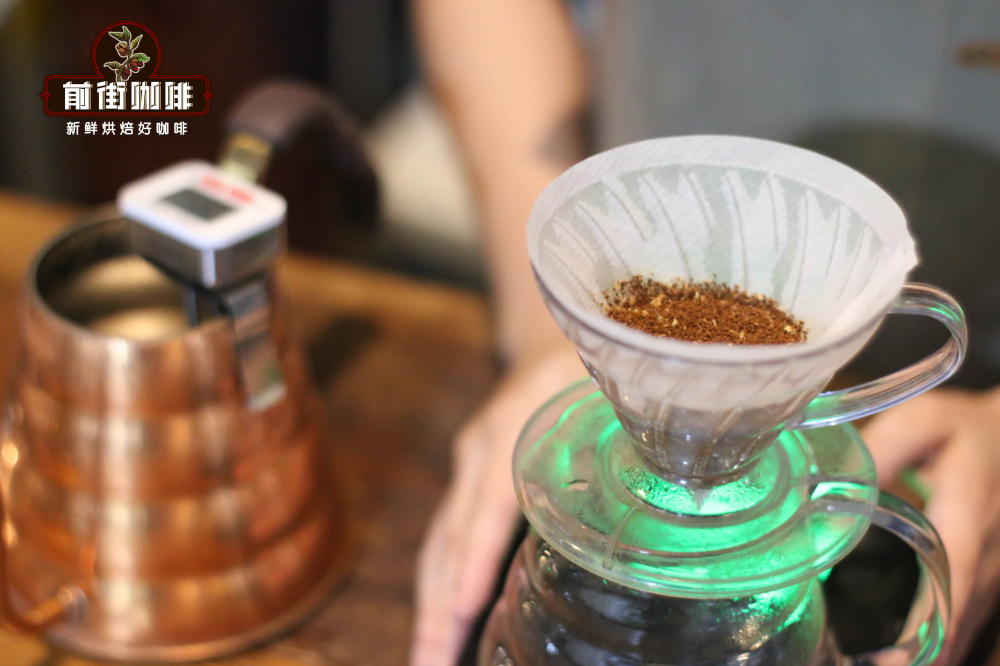
For the first stage, pour 30 g of water for a 30-second bloom. Start timing as you pour, using a small stream from the center outward in circles, making sure the entire coffee bed is moistened.
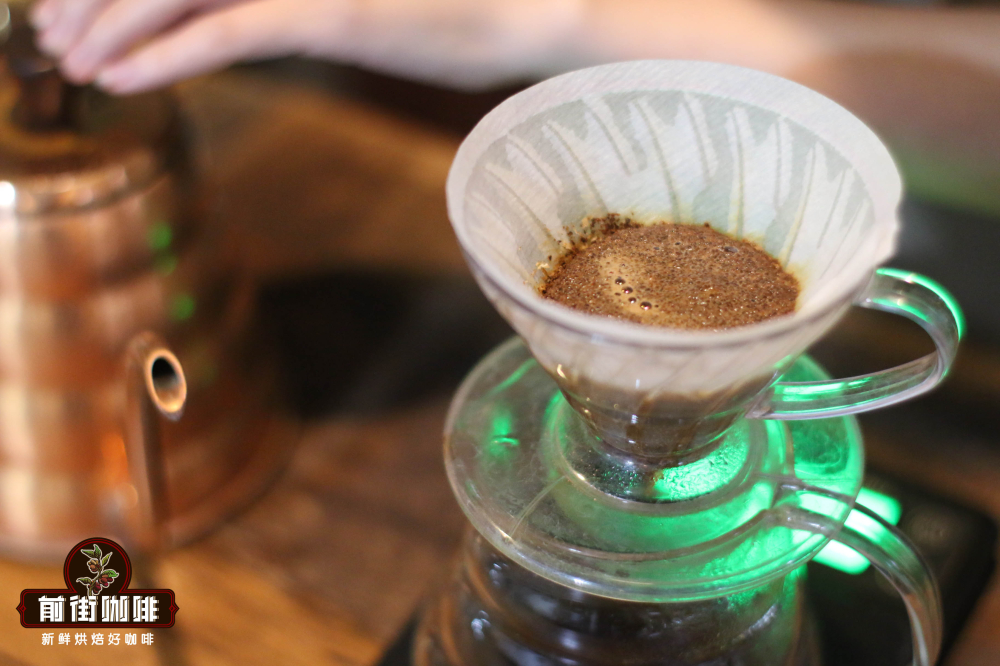
After 30 seconds, begin the second stage of 95 g with a slightly larger stream, aiming to lift the whole coffee bed. The water column should be poured vertically and evenly, bringing the scale to 125 g, completed at around 55 seconds.
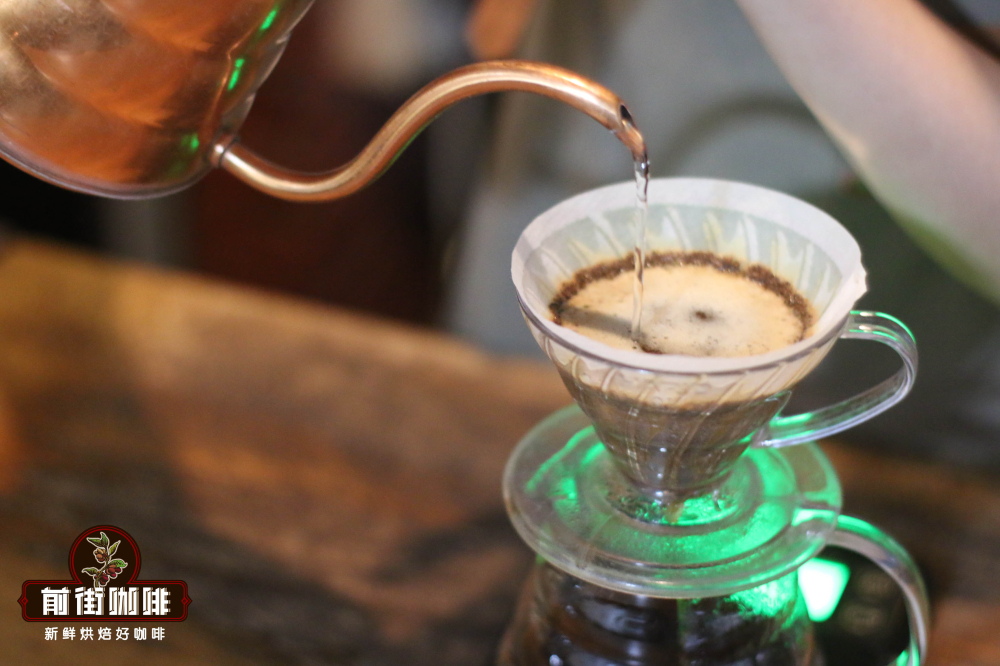
When the liquid level drops about halfway, start the third stage of 100 g with a small stream in tight circles. Try to keep the stream controlled and the circles small, since large circles easily break up the coffee bed and cause under-extraction. The final pour totals 225 g, with dripping complete at around 2 minutes. Remove the dripper, swirl the coffee in the server to even it out, and it is ready to taste.
For professional coffee knowledge exchange and more coffee bean information, please follow Coffee Workshop (WeChat public account: cafe_style).
For more specialty coffee beans, please add the private WeChat of FrontStreet Coffee (FrontStreet Coffee), WeChat ID: qjcoffeex.
FrontStreet Coffee Recommendation
FrontStreet Coffee's Gotiti Cooperative beans are the clearest expression of what a well-run washing station can do for Yirgacheffe. Roasted medium-light to protect the fruit and flowers, they give fresh passion fruit, citrus and berry acidity on the dry aroma, citrus and berries when wet, and a cup of citrus acidity, berry sweetness, almond and tea with a honeyed finish. Light-bodied, bright and clean.
If you would like to compare cooperatives, FrontStreet Coffee's washed Yirgacheffe is the classic everyday cup: white jasmine, bright citrus and lemon acidity and a clean tea-like body, at a price that makes it the natural first step into the region.
And for the same hillside in its natural form, FrontStreet Coffee's Yirgacheffe Red Cherry is picked as whole red fruit only and dried on raised beds for three to five weeks, turned every two to three hours in the first days and sorted as it dries. It keeps the classic Yirgacheffe character while adding tropical fruit, berry juice, honeyed sweetness and a creamy body.
Important Notice :
FrontStreet Coffee is a long-established specialty coffee roaster in Guangzhou China, selling freshly roasted beans from its own farm in Yunnan as well as dozens of carefully selected single-origin beans from around the world for both pour-over and espresso. The products deliver consistently excellent quality and great value, with shipping within 24 hours. Guangzhou's FrontStreet Coffee shop is recommended by many coffee lovers, and the beans are now available online at the Tmall 。
FrontStreet Coffee has moved to a new address:
FrontStreet Coffee Address: 315,Donghua East Road,GuangZhou
Tel:020 38364473
 Scan and follow the En Gafei WeChat official account. Please indicate that the reprint comes from "En Gafei".