
Why Does American Black Coffee Taste Sour When Brewed? Is This Normal? Where Does the Acidity in Single-Origin Black Coffee Come From After Brewing?
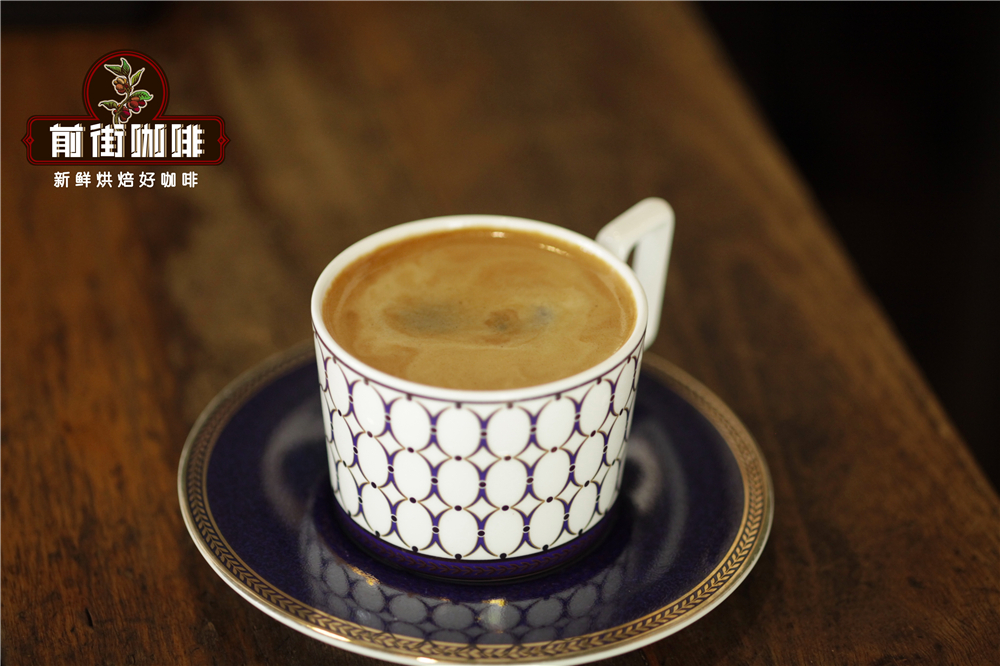
Most of the acidity in coffee comes from the beans themselves, though it also relates to personal taste. Generally speaking, coffee from different regions has the following characteristics: African coffees tend to be acidic, South American coffees lean toward nutty and chocolate notes, while Mandheling and Blue Mountain coffees are known for their richness.
Understanding Americano Coffee
In everyday usage, some people also call unsweetened black coffee "Americano." In reality, Americano is simply coffee suited to American tastes. When Americans first met espresso, they found its intensity hard to appreciate, having grown used to drip coffee. To reach a concentration similar to drip, they diluted the espresso with a certain amount of water.

Put simply, Americano is espresso mixed with drinking water. A hot Americano is espresso mixed with hot water, while an iced Americano is espresso mixed with ice water.
Is Acidity in Americano Normal?
When coffee was not yet widespread in China, only a few big-chain coffee shops and a handful of high-end hotels on the streets could serve coffee. Those coffees were predominantly bitter and gave off a rich coffee aroma, which shaped a whole generation's impression of coffee. With the rise of coffee specialty culture and Nordic light roasting, though, fruity sweet-and-sour flavors emerged from what had been a mainstream style of burnt, bitter, aromatic coffee. That seed gradually took root and grew, and today many shops specialize in acidic coffees.

An Americano with acidity is likely made using SOE as the base. SOE, or Single Origin Espresso, is generally not roasted too dark, so the origin's characteristics can shine through - which means some acidity in the resulting espresso is perfectly normal.
Why Does Coffee Have Acidity?
The acidity in coffee beans comes from the beans themselves as well as from roasting. Good acidity gives sourness richer meaning. Clearly refreshing, pleasant aromas similar to fruit, or soft, rounded acidic sensations, both signal a cup with "quality acidity." Think of the citrus acidity in Geisha or the lemon-like acidic aroma of washed Yirgacheffe.

Poor coffee acidity, on the other hand, comes from improper growing, processing, roasting, and brewing, and brings unpleasant acidic sensations, usually with a pungent aroma that creates a "sharp" feeling - which is what we usually call sourness. Whether coffee will be acidic, and whether that acidity is "good" or "bad," depends on the variety, the roast degree, and the brewing parameters.
How to Avoid Poor Coffee Acidity
Defective Beans
Among defective beans there are what are called full sour or partial sour beans. Beans that look yellowish-brown or reddish-brown are identified as sour beans, which happens when the beans ferment and are contaminated by bacteria during harvesting and processing. Specialty coffee therefore usually selects the highest-grade beans, so defects are fewer. FrontStreet Coffee, for its part, runs two rounds of manual selection before and after roasting to remove defective beans and protect cup quality.
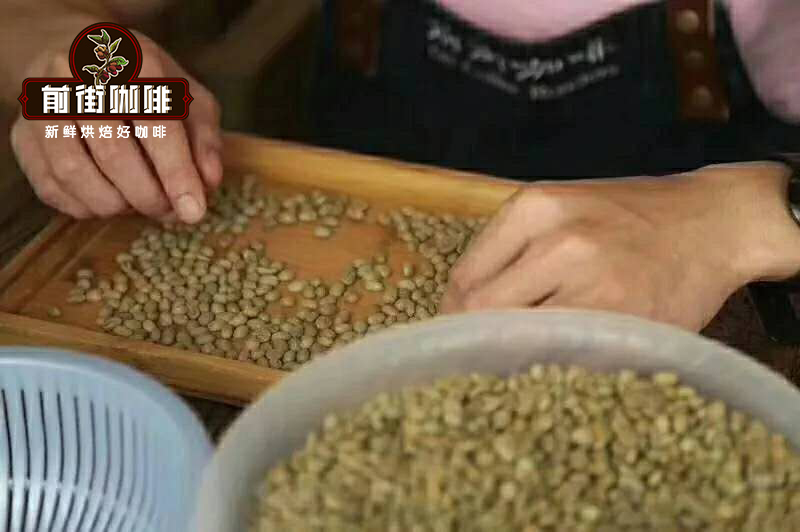
FrontStreet Coffee's baristas also carefully remove defective beans during brewing that could affect flavor. Through these layers of quality control, the coffee's best qualities come through.
Roasting
Coffee beans contain acidic organic compounds that plants synthesize themselves, along with weakly acidic aromatic substances built on carbon molecules. Organic acids include chlorogenic acid, quinic acid, acetic acid, citric acid, malic acid, lactic acid, and more, and these rise or fall before and after roasting.
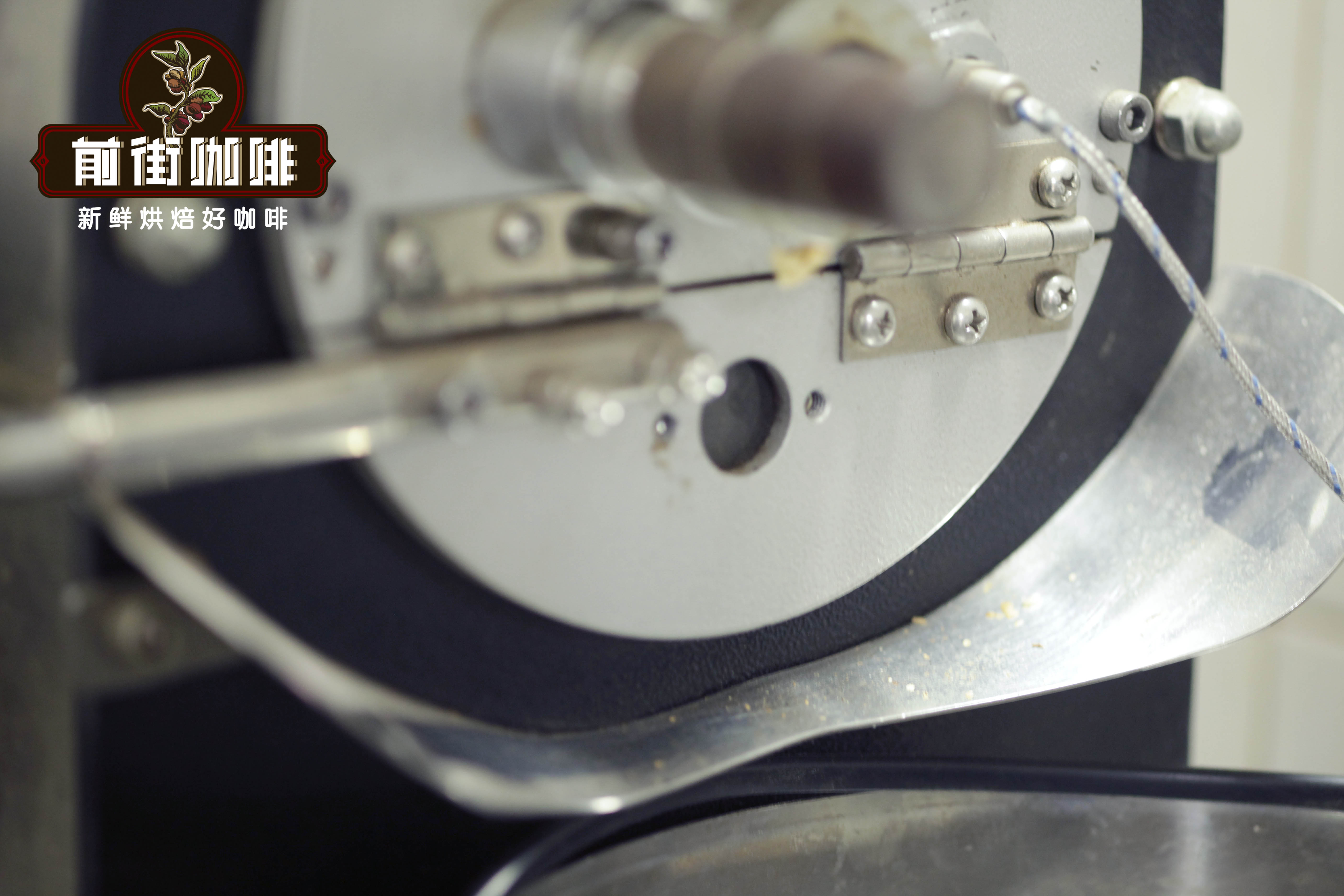
If roasting is underdeveloped or dehydration is incomplete, sharp acidity will appear.
Of course, it also relates to the roast degree. The lighter the roast, the lower the degree of caramelization, and at that point organic acids are still retained in the beans, making acidity easy to produce. Conversely, the darker the roast, the less likely acidity becomes, because extended roasting time readily eliminates the floral and fruity aromas.
Brewing
If the brewing water temperature is too low, or the grounds are too coarse, or other factors cause under-extraction, sharp acidity will appear as well. To avoid this, FrontStreet Coffee repeatedly tests brewing parameters to find the right ones.
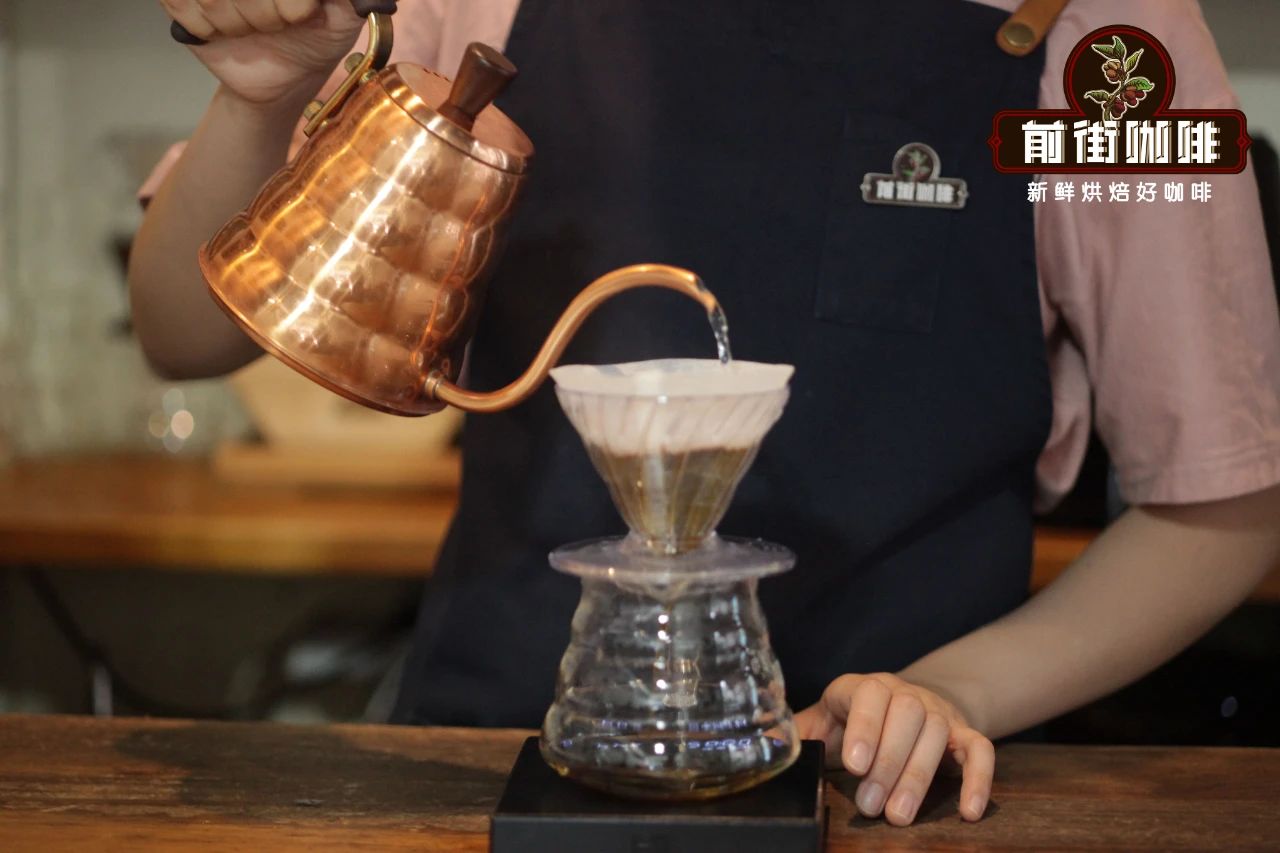
The flavor world of coffee is rich and varied. Is not the joy of it all being able to taste so many different flavors from a single cup? Fruit acidity is an essential member of that family, because these acidic sensations make coffee's flavor layers fuller and give each bean its own personality.
FrontStreet Coffee Recommendation
If you prefer to avoid biting acidity and lean toward a rich, low-acid cup instead, FrontStreet Coffee's PWN Golden Mandheling is the classic choice. It comes from Indonesia's PWN company, which applies extremely strict standards: beans must be 18 screen or larger, and each 300-gram green-bean sample must contain fewer than 3 defective beans to meet the top G1 grade. On top of that, three rounds of manual sorting remove every defect, raising the cup's cleanliness and the intensity of its sweetness. That strict standard also means quality is high and supply is limited, which is why FrontStreet Coffee's PWN Golden Mandheling stands at the top of Mandheling coffees.
The distinctive wet-hulled process behind it creates a heavy body with unique earthy, herbal flavors - the taste of Mother Nature, as some devoted coffee lovers describe it. Experience it in FrontStreet Coffee's Lintong Mandheling: rich and mellow, sweet and bitter, with an intense, stimulating entry and clove and woody aromas. Medium-dark roasted Mandheling has low acidity, spice and mint notes, and a strong, lasting, full sweetness.
Important Notice :
FrontStreet Coffee is a long-established specialty coffee roaster in Guangzhou China, selling freshly roasted beans from its own farm in Yunnan as well as dozens of carefully selected single-origin beans from around the world for both pour-over and espresso. The products deliver consistently excellent quality and great value, with shipping within 24 hours. Guangzhou's FrontStreet Coffee shop is recommended by many coffee lovers, and the beans are now available online at the Tmall 。
FrontStreet Coffee has moved to a new address:
FrontStreet Coffee Address: 315,Donghua East Road,GuangZhou
Tel:020 38364473
 Scan and follow the En Gafei WeChat official account. Please indicate that the reprint comes from "En Gafei".

