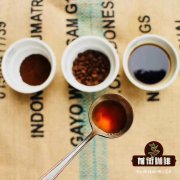
Ice Drip Coffee Flavor Guide: Understanding Taste Characteristics and Recommended Coffee Beans

For more premium coffee knowledge, follow FrontStreet Coffee.
Pour-over coffee can taste wonderful, as long as you nail the key details. But maybe it's time to change things up and try cold drip! FrontStreet Coffee's cold drip is always a hit, especially in the heat of summer — though honestly, a glass of cold drip is every bit as refreshing on a cool day.
What Is Cold Drip Coffee?
As the name suggests, cold drip coffee is brewed with low-temperature water — a completely different method from the hot-water pour-over most of us drink. Hot extraction is fast: it pulls flavor compounds out of the coffee quickly, breaking tannins down into compounds that create the familiar sweet, sour, and bitter notes of a released coffee flavor. Its downside is that heat can push extraction too far, eventually releasing the woody, fibrous flavors of the bean — the "miscellaneous" and woody off-tastes we all know.
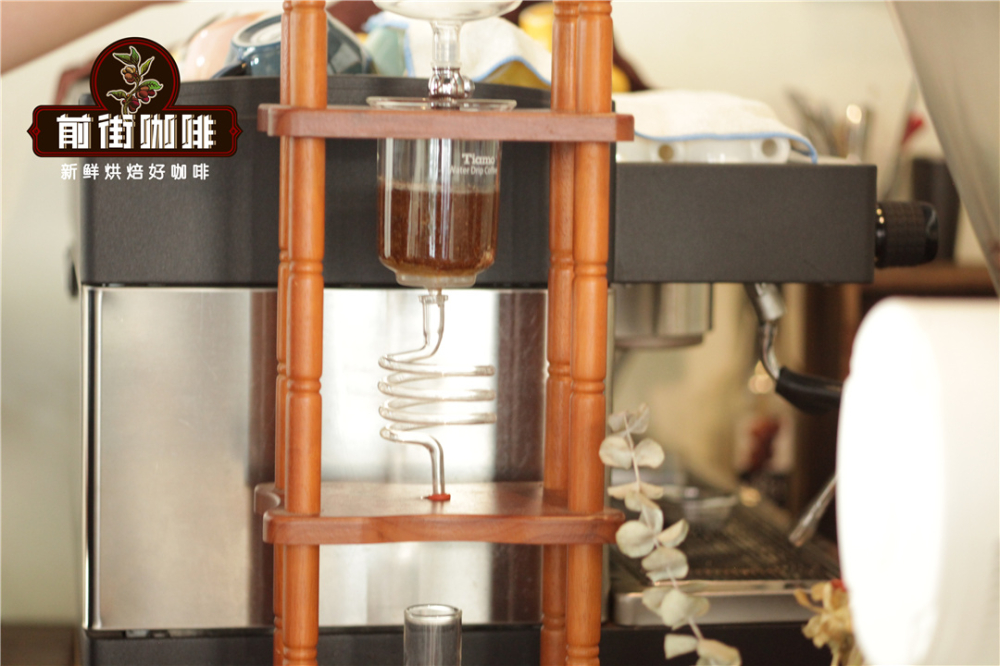
Cold extraction works with near-zero-degree ice water, which limits the volatilization of coffee aromatics at low temperature and locks them inside the liquid. When the coffee reaches your mouth and warms up, those stored aromas burst open all at once, hitting the back of the tongue with intense fragrance — a genuinely delightful sensation. The catch is time: production is slow, and freshly dripped cold drip can't be drunk right away. It needs to rest in the refrigerator for more than 8 hours so the flavor molecules extracted at low temperature can fully unfurl.
Where Cold Drip Coffee Came From
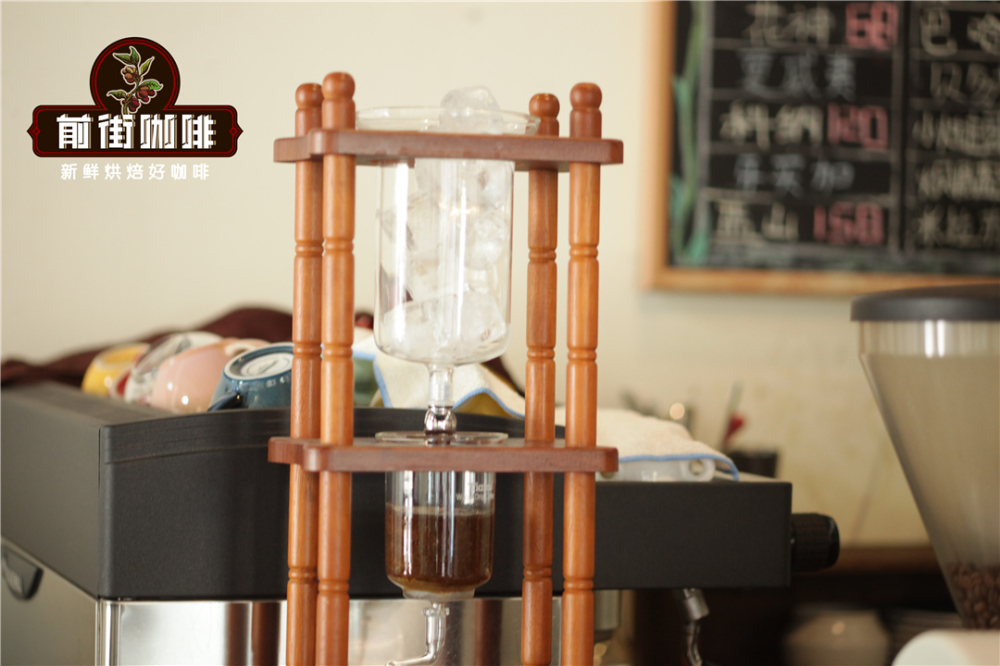
Cold drip was invented by the Dutch — hence the name "Dutch coffee" sometimes attached to it. Unlike brewing methods that rely on hot water, its defining feature is extraction with ice water, which needs far more time to dissolve the coffee's aromatic substances. So, using a setup reminiscent of a chemistry lab, ice water drips one drop at a time, slowly permeating the coffee bed. The classic cold drip tower lets you control the drip rate with a valve. You may also see it called water-drip or ice-brew coffee. A typical cold dripper is a stack of 3–4 glass vessels mounted on a wooden stand.
How Cold Drip Extraction Works
Pour-over coffee follows defined hot water, time, and ratio — quick and simple. Cold drip, by contrast, brews over hours. Different water temperatures produce different flavor profiles, and at low temperature the astringent compounds in coffee are far less likely to dissolve. Extended extraction with ice water followed by refrigeration gives cold drip a light fermented aroma and a fuller mouthfeel. And because no heat is involved, fewer impurities are pulled out and the caffeine content is a touch lower. If you're sensitive to caffeine, FrontStreet Coffee recommends cold drip: it's gentler on the stomach, lighter in caffeine, and still layered with flavor.
Which Coffee Beans Suit Cold Drip?
Pour-over is famously flexible — almost any bean works, with only small adjustments for roast level. Espresso is pickier: it usually wants a darker roast than pour-over, typically medium-dark, or the shot can be hard to drink — though if you deliberately prefer light-roast espresso, that's another story entirely.
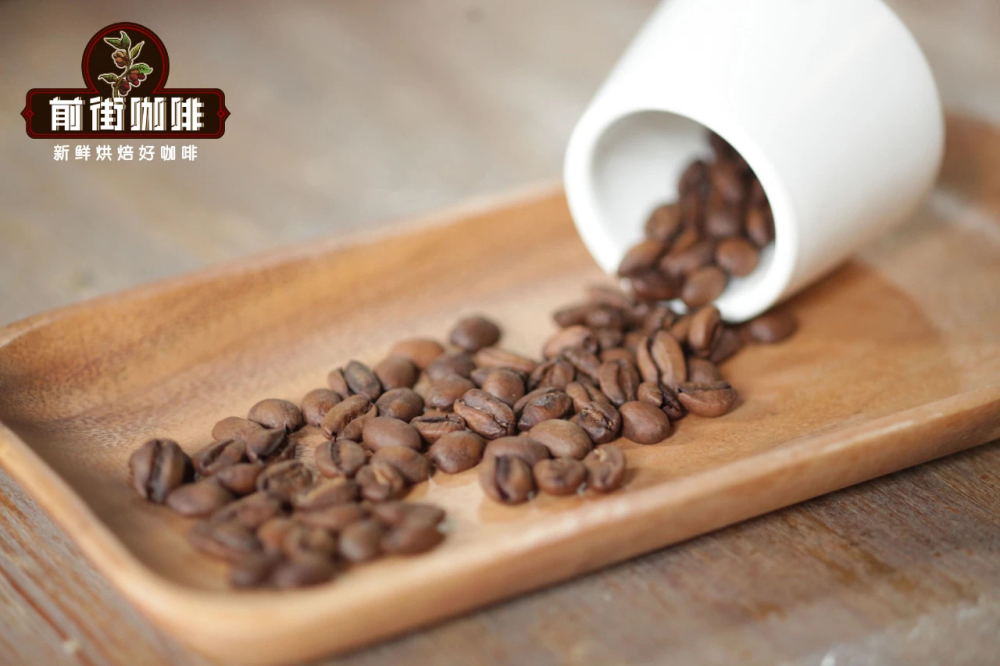
What about cold drip? Generally, any bean that works for pour-over will work for cold drip, and FrontStreet Coffee believes the main criterion is simply your own flavor preference. Still, we recommend single-origin beans, which yield a rich, smooth cup that isn't sour or harsh on the stomach. Sometimes we even blend two or more single origins for cold drip. Compared with immersion cold brew, cold drip delivers more aromatics and more delicate, nuanced flavors.
Because cold drip extracts slowly through cold water, FrontStreet Coffee suggests choosing bold, characterful beans — Kenya and Yirgacheffe, for example — so the finished cup has real personality.
FrontStreet Coffee's Popular Cold Drip Recipes
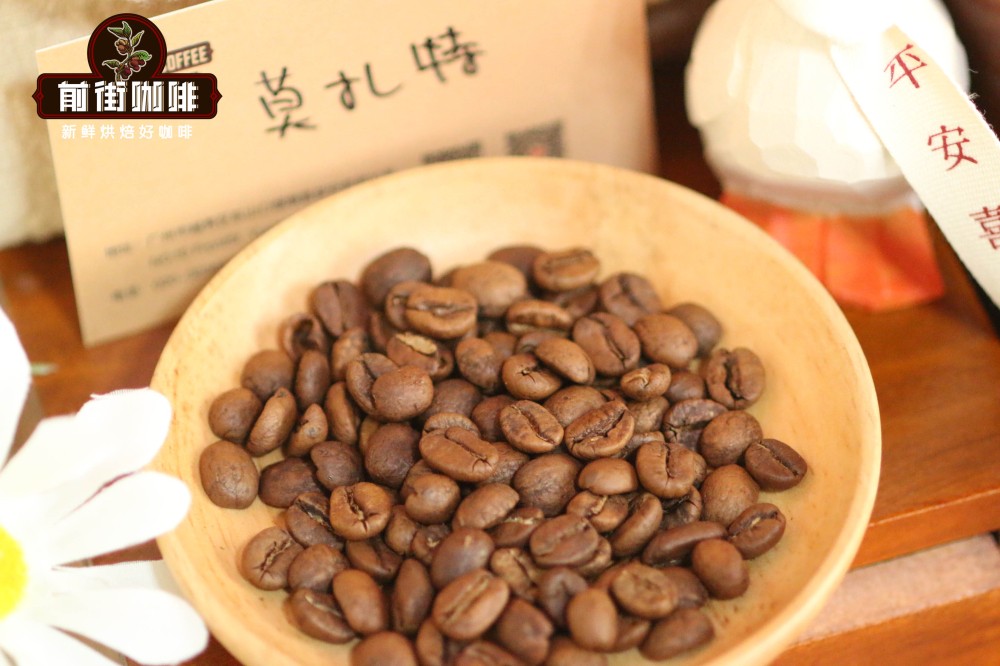
1. Dark Berry Style
60g of Costa Rica Mozart. This bean is anaerobic honey processed and carries a distinctive raisin aroma. As cold drip, it shows vivid blueberry, black grape, and wine-like fermentation flavors — refreshing, with an aroma that lingers.
2. Clean and Refreshing Style
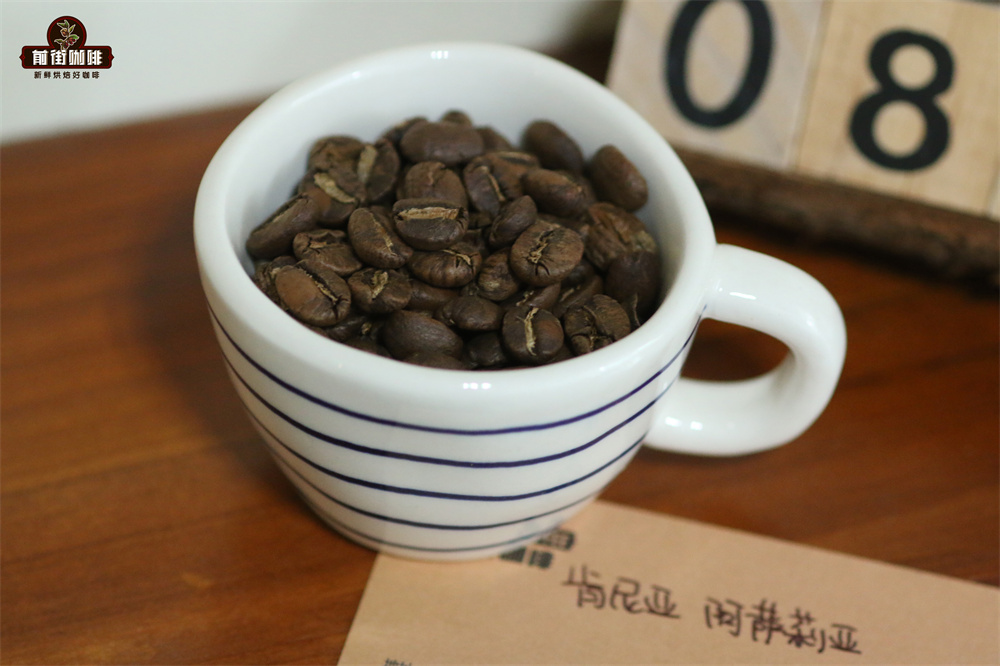
60g of Kenya Cherry Tomato (Assalia). Its acidity is wonderfully lively, like a glass of juice; as cold drip it carries the fresh scent of cherry tomatoes and grapefruit — light, crisp acidity, perfect for summer.
3. Sweet and Easy-Drinking Style
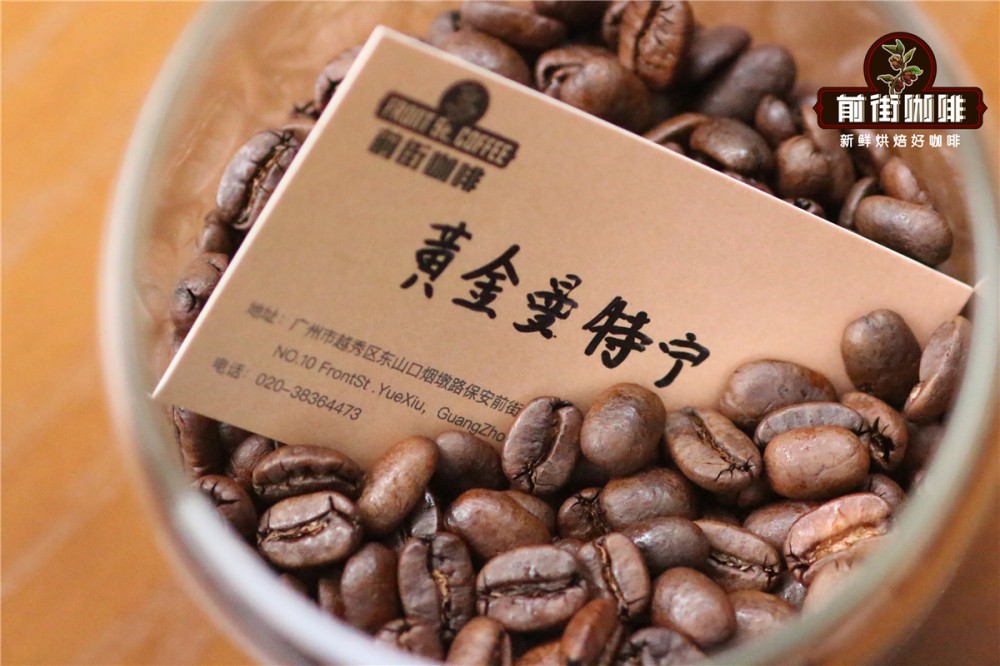
60g of Indonesian Golden Mandheling. Few shops make cold drip from a dark roast — you might assume it would taste bitter, but it doesn't. Made with FrontStreet Coffee's cold drip method and refrigerated for 24 hours before serving over ice, Golden Mandheling cold drip is sweet with just a hint of chocolate bitterness, overall clarity, and a comfortable, rich fermented note.
FrontStreet Coffee's Blended Cold Drip Recipe
To make each cold drip more expressive and balanced, baristas often combine two beans — one contributing aroma, the other flavor.
For example:
20g FrontStreet Coffee Honduras Lychee Lan + 40g FrontStreet Coffee Geisha Village Red Label
Brandy-barrel-processed Lychee Lan plus natural-processed Geisha Village Red Label creates a light brandy aroma, plum-like acidity, and maple sweetness.
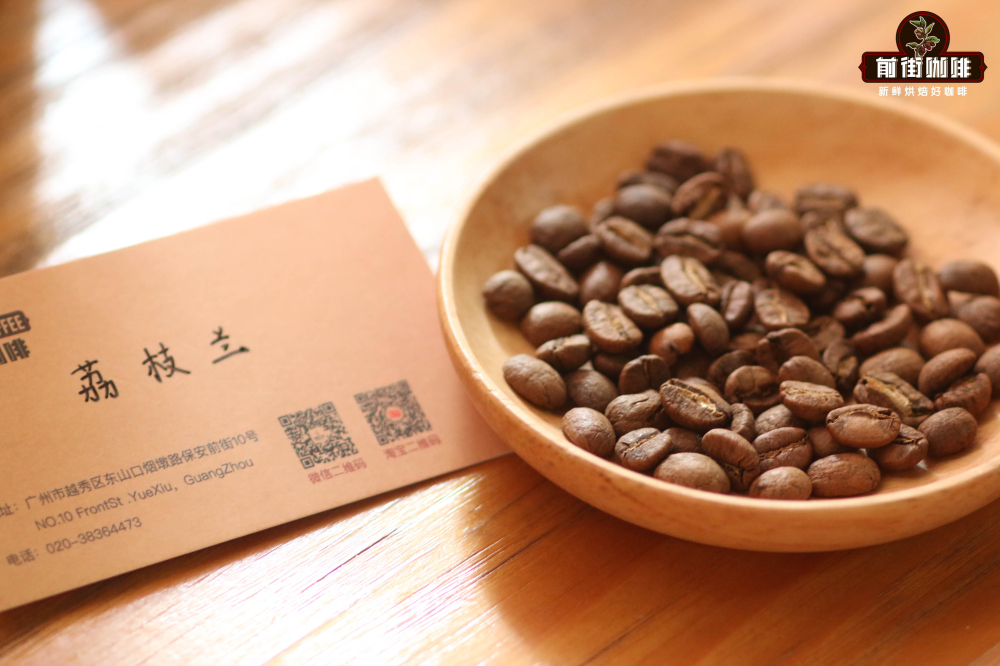
The brandy-barrel-processed Lychee Lan brings rich brandy aroma, a chocolate aftertaste, and a honeyed finish.
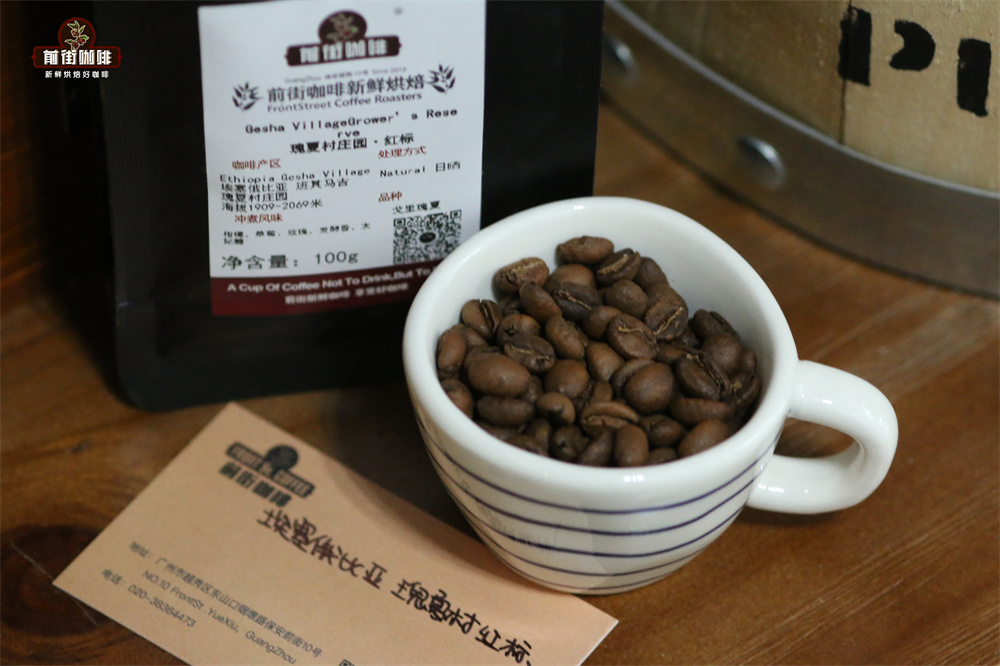
Natural-processed Geisha Village Red Label contributes plum and citrus acidity, maple sweetness, and a creamy smooth texture.
As cold drip, the blend shows light brandy aroma, generous fruit acidity leading into honey sweetness, and a creamy, silky body.
Cold Drip Walkthrough
Here FrontStreet Coffee demonstrates a cold drip using Costa Rica Mirazu Estate Geisha blended with Honduras whiskey-barrel-fermented Sherry.
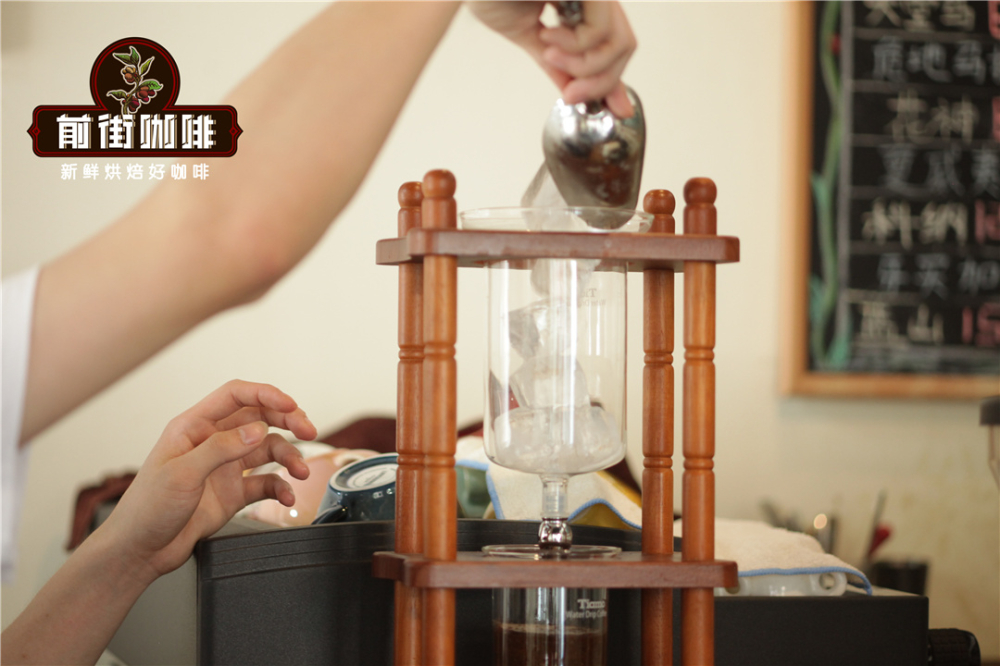
1. Place a round filter paper in the bottom of the grounds chamber, wet it so it hugs the wall, then add 60g of ground coffee (FrontStreet Coffee uses a China-standard #20 sieve with 58% pass-through — slightly coarser than pour-over grind). Level the bed; you can also tap the tamper's own weight lightly on the surface to even it out.

2. Lay a second filter paper on top of the grounds. Its surface tension spreads each water drop evenly across the bed; without it, the constant dripping would carve a pit into the coffee bed over time.
3. Pre-infuse with ice water — moisten the whole coffee bed evenly. This step mirrors the bloom in pour-over, improving extraction efficiency and consistency.
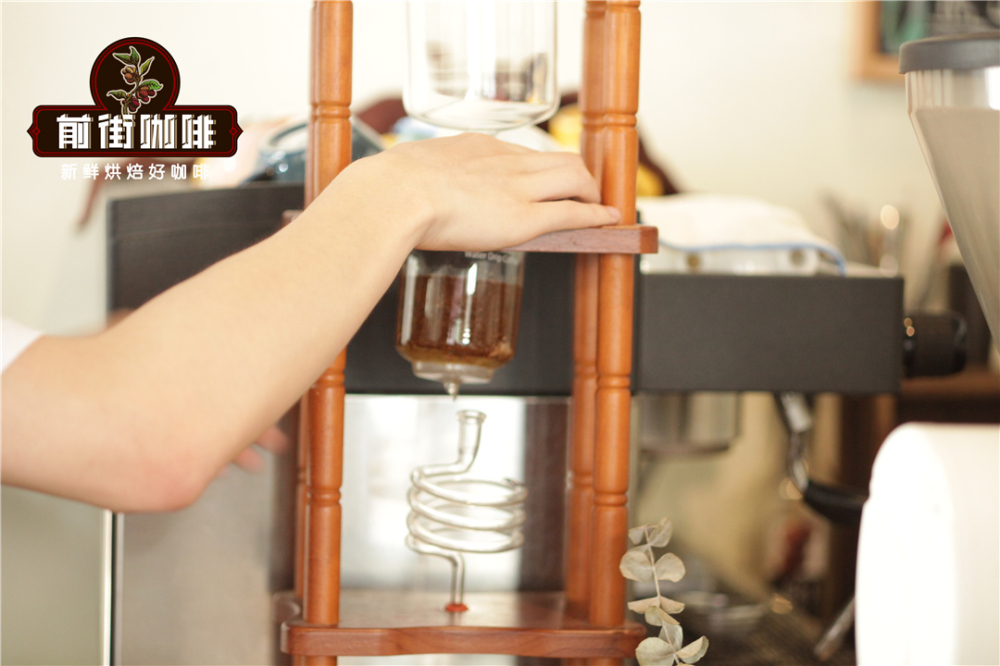
4. Fill the water vessel with a 1:1 mix of ice and water, and set the valve to roughly 7 drops every 10 seconds.
5. When dripping finishes, pour the coffee into a sealed glass bottle and refrigerate overnight so the flavors meld — it drinks noticeably better.

Why Cold Drip Needs to Rest
Pour-over and espresso can be enjoyed the moment they're brewed. Cold drip? The answer is no.
Cold drip should rest in the refrigerator for at least 12 hours after dripping. Why? FrontStreet Coffee sees it as an oxidation-driven maturing process. Freshly roasted beans contain roughly 2% carbon dioxide by weight, and that gas escapes depending on storage conditions — creating pressure inside the packaging above atmospheric pressure. That pressure helps aromatics and oils merge, putting all the aromatic compounds in an easily extractable state.
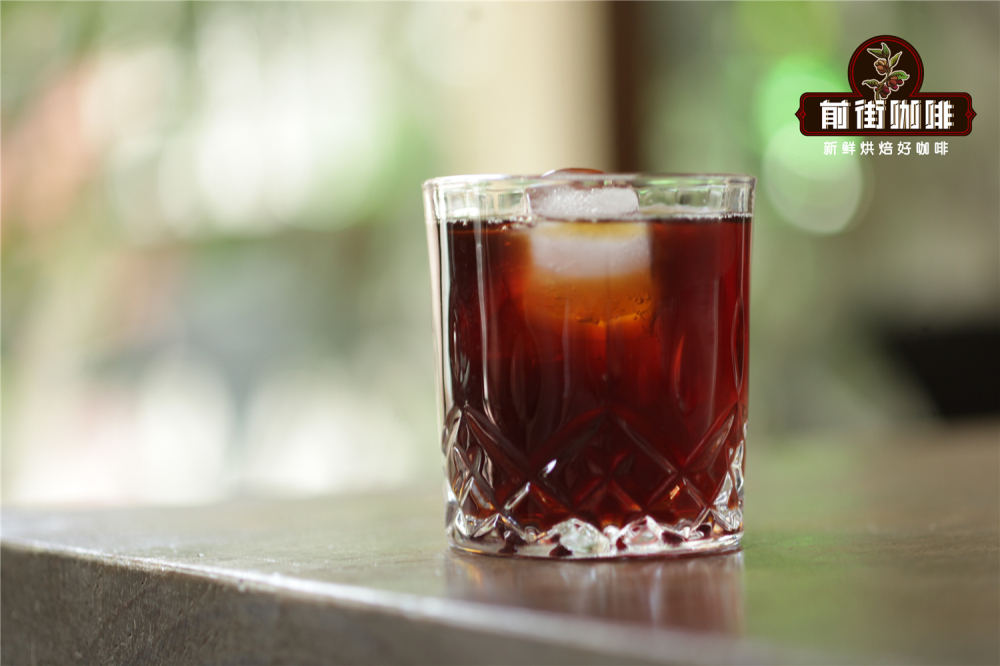
The same logic applies to cold drip. Because extraction is so long, many flavor molecules are pulled out but not yet released. Sealed in a bottle and refrigerated for 12–24 hours, carbon dioxide pressure builds and pushes those flavors out — which is why cold drip seems to get better the longer it rests. There's a limit, though: FrontStreet Coffee doesn't recommend keeping cold drip for a week, since bacteria in the air or in the bottle make quality hard to guarantee over long storage. Drink it within 72 hours. Anything older isn't worth the risk to your health.
FrontStreet Coffee's Brewing Recommendations
Whether pour-over, espresso, or cold drip, FrontStreet Coffee believes bean freshness comes first, because freshness directly shapes flavor. Every bag FrontStreet Coffee ships was roasted within 5 days, under the roasting philosophy of "freshly roasted, good coffee" — so every order arrives at its best. With a resting period of about 4–7 days, your coffee reaches peak flavor just as you receive it.

If you need FrontStreet Coffee to grind the beans for you, that's fine — but one reminder: pre-ground coffee needs no resting period, since the carbon dioxide pressure in the package during transit rounds out the flavor, and you can brew immediately on arrival. Ground coffee must be brewed promptly, though, because it oxidizes fast in open air, losing flavor quickly. For the best cup, buy whole beans and grind fresh right before brewing.
FrontStreet Coffee Recommendation
Costa Rica is famous for honey processing, and its beans' ripe-fruit sweetness makes them naturals for iced coffee. FrontStreet Coffee's Mozart is anaerobic honey processed, with a distinctive raisin aroma; as cold drip it expresses vivid blueberry, black grape, and wine-like fermentation flavors — clean, refreshing, and lingering on the palate.
For a cleaner style, FrontStreet Coffee's Kenya Cherry Tomato is a classic washed Kenya given a 72-hour wash — 48 extra hours of rinsing and soaking that make the acidity exceptionally lively. As cold drip it offers cherry tomato and grapefruit freshness with a light, juicy acidity, tailor-made for summer.
If you'd rather go dark, FrontStreet Coffee's PWN Golden Mandheling — a typical medium-dark roast with extra caramelization — delivers black chocolate, cocoa, and toasted-bread aromatics. Chilled for 24 hours and served over ice, the cold drip is sweet with a whisper of chocolate bitterness, remarkably transparent, and finished with a rich, comfortable fermented note.
Finally, for tea-like elegance, Ethiopia's Flower Queen (Huakui) from Guji Hambella — grown above 2,200 meters and naturally processed — turns into a cold drip of creamy strawberry and guava sweetness, delicate dried mango and florals, and layered black-tea sweetness on the finish.
Important Notice :
FrontStreet Coffee is a long-established specialty coffee roaster in Guangzhou China, selling freshly roasted beans from its own farm in Yunnan as well as dozens of carefully selected single-origin beans from around the world for both pour-over and espresso. The products deliver consistently excellent quality and great value, with shipping within 24 hours. Guangzhou's FrontStreet Coffee shop is recommended by many coffee lovers, and the beans are now available online at the Tmall 。
FrontStreet Coffee has moved to a new address:
FrontStreet Coffee Address: 315,Donghua East Road,GuangZhou
Tel:020 38364473
 Scan and follow the En Gafei WeChat official account. Please indicate that the reprint comes from "En Gafei".