Characteristics of Geisha Village Chaka Geisha: Geisha Coffee Bean Varieties - Gorilla Geisha/Geisha 1931/Illubabor
For more specialty coffee knowledge, please follow the FrontStreet Coffee official account.
The Gesha Craze
The Gesha craze has rolled on for years, crowning it the king of the coffee world. For nearly two decades, Gesha's popularity has been unmatched. Discovered in Ethiopia's primeval forests 70 years ago, it made a spectacular debut in 2004, winning consecutive world-class competitions, setting record prices, and sweeping the global coffee scene.
The Origin of Gesha
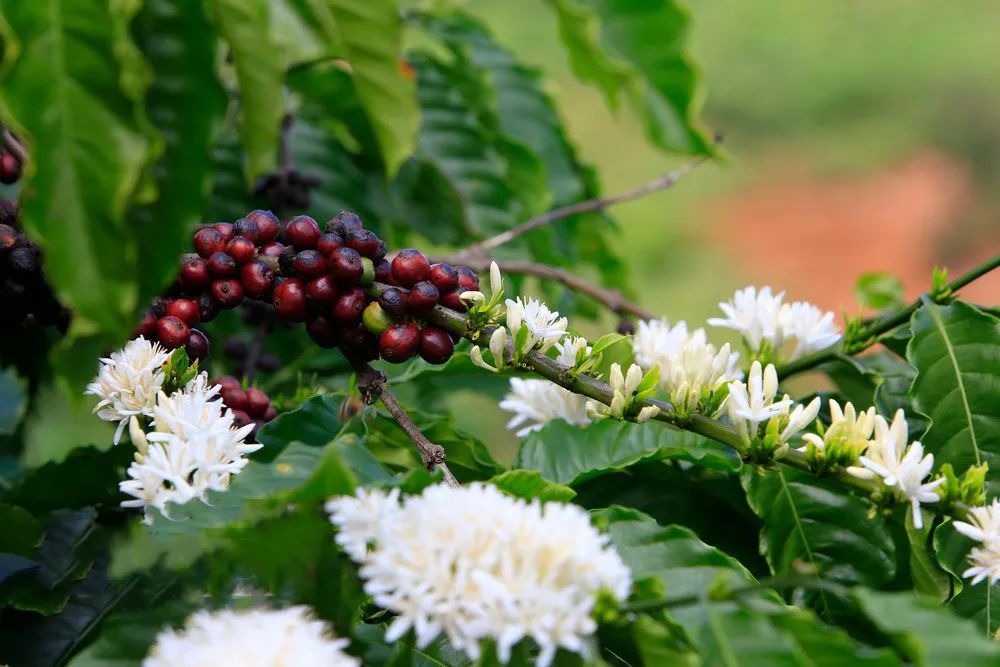
Like many coffee varieties worldwide, Gesha originates from Ethiopia in Africa. It was found in 1931 in the Kaffa forest on Gesha Mountain, then sent to the Kenyan Coffee Research Institute. In 1936 it traveled on to Uganda and Tanzania, was introduced to Costa Rica in 1953, and finally arrived at its famed destination--Panama--in 1963.
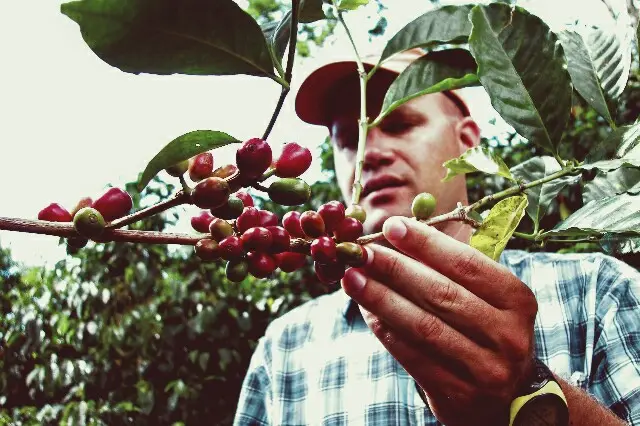
Because of its low yield, tall trees, and difficult harvesting, the Gesha variety long remained obscure. It was the dedicated work of Daniel Peterson, third-generation owner of Panama's Hacienda La Esmeralda, that uncovered Gesha's unique citrus aromatics. He began isolating the Gesha trees on his farm and replanting them at higher altitudes with meticulous care. Finally, in 2004, the Gesha cultivated by Hacienda La Esmeralda reached commercial production and blazed into the spotlight after winning that year's Best of Panama competition. From 2005-2007, Gesha won the Best of Panama cupping competition three years running, transforming it into one of the world's most expensive coffees.
Today, FrontStreet Coffee will skip Gesha's famous adopted home and instead trace it back to its birthplace: Gesha Village in Ethiopia. What aromas might Gesha hold when returned to its African terroir?
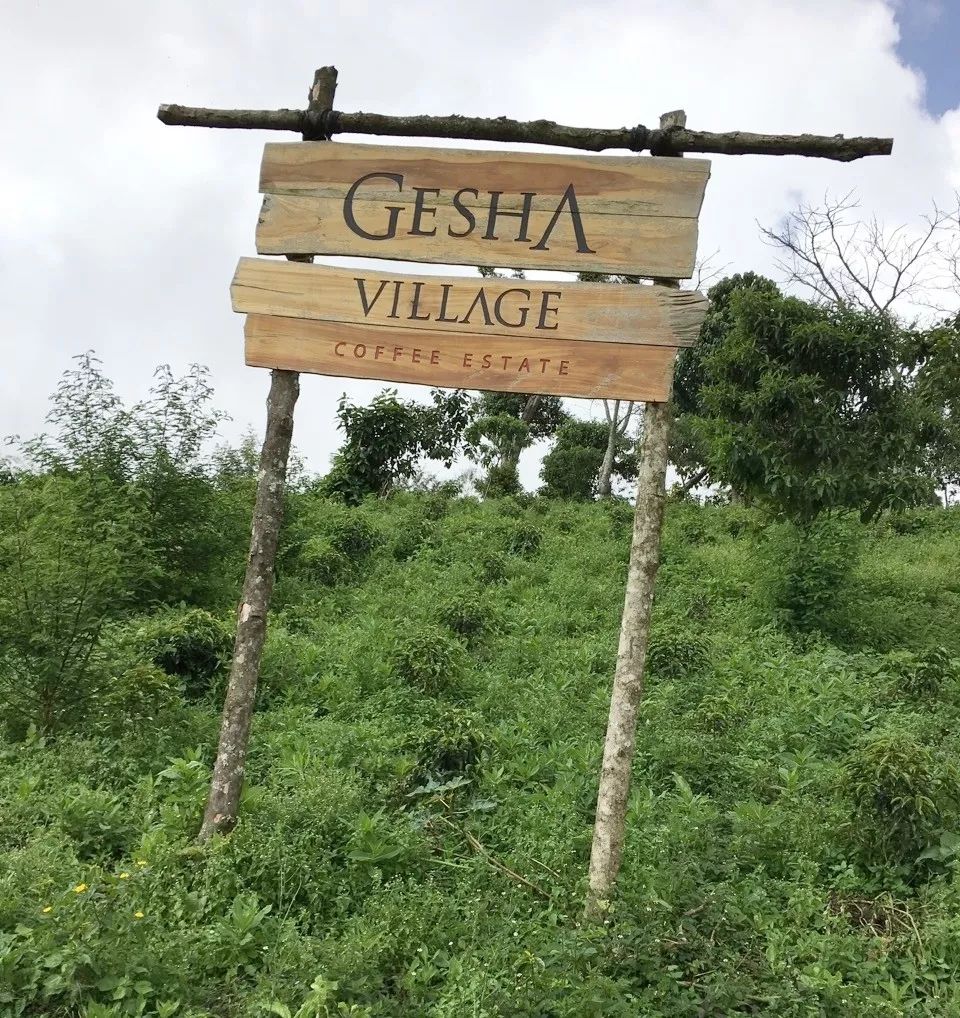
Gesha Village Coffee Estate
Unlike most African cooperatives organized around villages, Gesha Village is a large-scale coffee plantation managed by documentary filmmaker Adam Overton and his wife Rachel Samuel. In 2007, while shooting a coffee documentary for the Ethiopian government, they first encountered the coffee forest where Gesha was discovered. After consulting judges and consultants in the Panamanian coffee industry, Adam and Rachel traveled in 2011 to Bench Maji, Gesha's birthplace, hoping to explore the most original Gesha coffee.
Adam searched with Willem Boot, a BOP judge, for native Gesha trees in the Gori Gesha forest. Among the wild coffee trees they found wild Gesha, collected seeds, and brought them back to Gesha Village for screening and cultivation. The couple established the nearly 500-hectare Gesha Village Coffee Estate near the Gori Gesha forest.

Most Ethiopian coffee production is small-scale, with modest yields and processing facilities. Gesha Village, by contrast, is a large-scale farm: Adam and Rachel built their own washed processing plant and laboratory and planted only Gesha varieties within the estate. Referencing the standardized cultivation methods of some Gesha estates in Panama, the couple numbered their planting plots and recorded detailed information for each, making later organization and flavor traceability easy.
How Gesha Village Grades Its Coffee
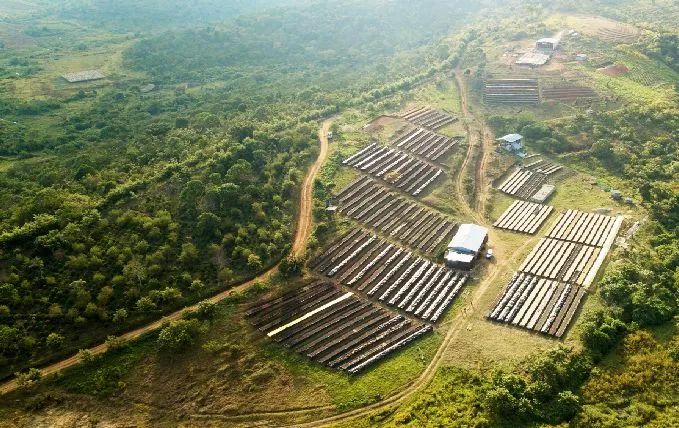
The plot layout shows that the western part of Gesha Village sits at higher planting altitudes--especially the OMA, SURMA, and SHEWA-JIBABU plots, between 1900-2069 meters, with SHEWA-JIBABU having the highest average altitude. The southern part of the estate carries a higher shade ratio while the north receives longer sunlight. Across the estate's eight plots, Adam matched each plot with the most suitable variety based on microclimate differences--altitude, soil, and shade--so that each could develop its own flavor character.
FrontStreet Coffee would like to remind everyone that the Gesha grown at Ethiopia's Gesha Village is not identical to the variety that made Panama famous. Gesha Village grows three Gesha varieties: Gori Gesha, Gesha 1931, and Illubabor Forest. Gori Gesha and Gesha 1931 share a lineage with the Panamanian Gesha but are still not the same variety; Gesha 1931 shows characteristics very close to Panamanian Gesha, while Illubabor is a disease-resistant variety supplied by the Ethiopian research institute.
To guarantee quality, Adam built a strict grading system, dividing Gesha into different tiers: Auction, Gold, Red, Green, and CHAKA.
Gesha Village Auction
The auction batches are the estate's top tier, available only through buyer bidding, and account for just 3.7% of annual production. These Gesha batches pass through multiple strict screenings.

Gesha Village Gold Label
Gesha Village Gold Label is the batch frequently bought by competition baristas worldwide and by quality-focused roasters, making up about 10% of annual production, with detailed traceability. The Gold Label batch FrontStreet Coffee purchased offers complex, rich flavors: in cupping, whether in the uniqueness of the dry aroma or the sipping flavors and aftertaste, it leaves a memorable impression.
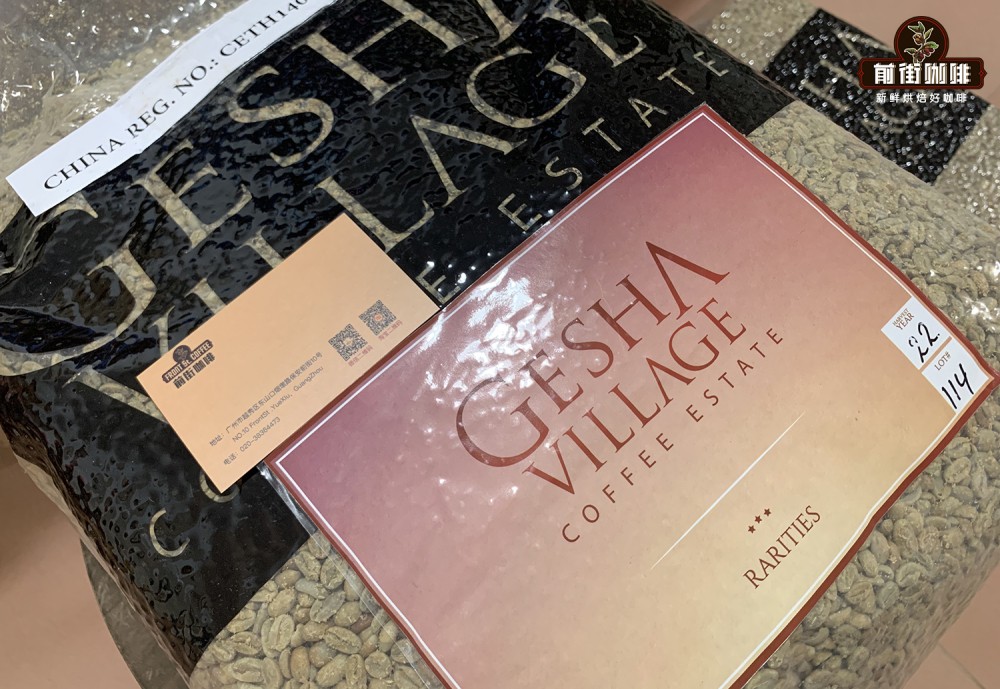
FrontStreet Coffee Ethiopia Gesha Village Gold Label Gesha
Region: Bench Maji, Ethiopia
Estate: Gesha Village Oma Plot
Altitude: 1900-2040 meters
Variety: Gesha 1931
Processing: Natural
Flavor: Citrus, Berries, Cream, Caramel, Melon, Honey
Gesha Village Red Label
Gesha Village Red Label also carries complete traceability and accounts for 15% of annual production, representing premium Gesha with SCA-standard cupping scores of 88 points or above. Although its flavor intensity and complexity may not match Gold Label and Auction batches, the Red Label has very classic Gesha Village character. FrontStreet Coffee considers it a batch with excellent value for money, worth acquiring for any Gesha enthusiast.
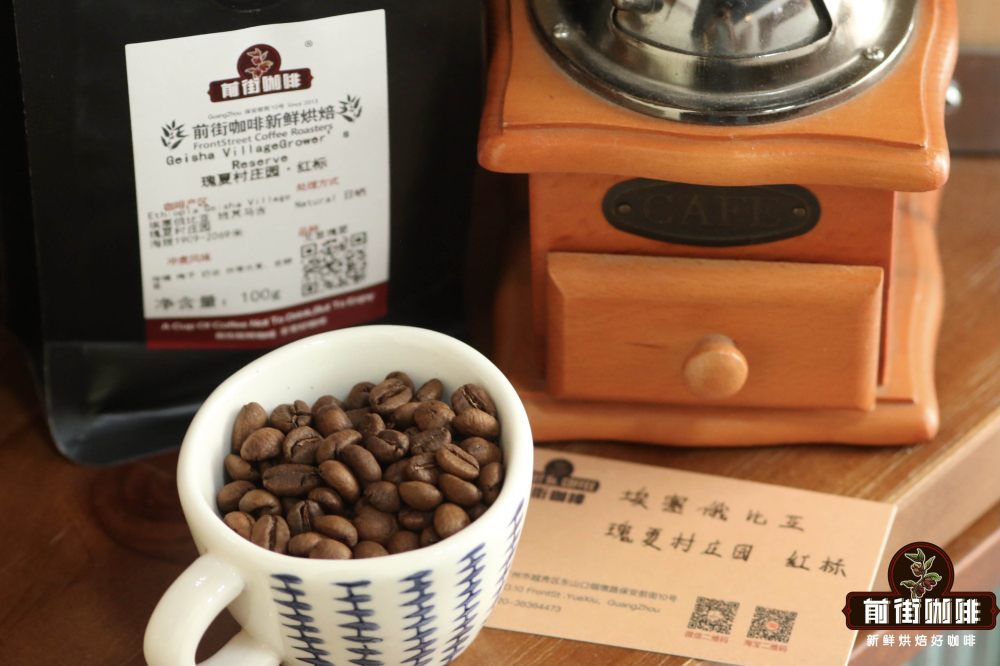
FrontStreet Coffee Ethiopia Gesha Village Red Label Gesha
Region: Bench Maji, Ethiopia
Estate: Gesha Village Shewa-Jibabu Plot
Altitude: 1973-2069 meters
Variety: Gori Gesha
Processing: Natural
Flavor: Lemon, Plum, Citrus, Tropical Fruits, Floral Tea
Gesha Village Green Label
Green Label batches are single-plot, single-variety lots with full traceability for each batch number, including plot name, variety, and processing date. Unlike Red and Gold Label, Green Label carries no cupping-score requirement, making it the entry-level single-plot Gesha batch.
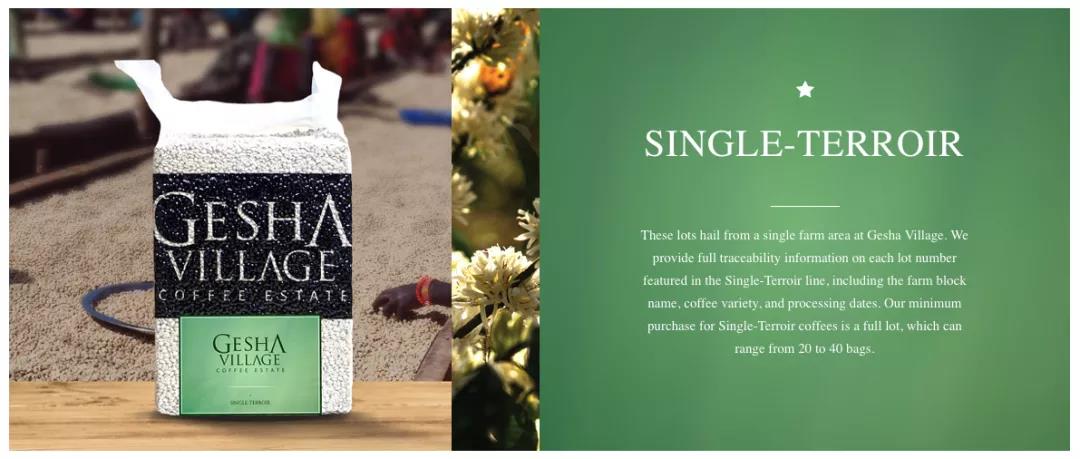
FrontStreet Coffee Ethiopia Gesha Village Green Label Gesha
Region: Bench Maji, Ethiopia
Estate: Gesha Village Bangi Plot
Altitude: 1911-2001 meters
Variety: Gori Gesha
Processing: Natural
Gesha Village CHAKA
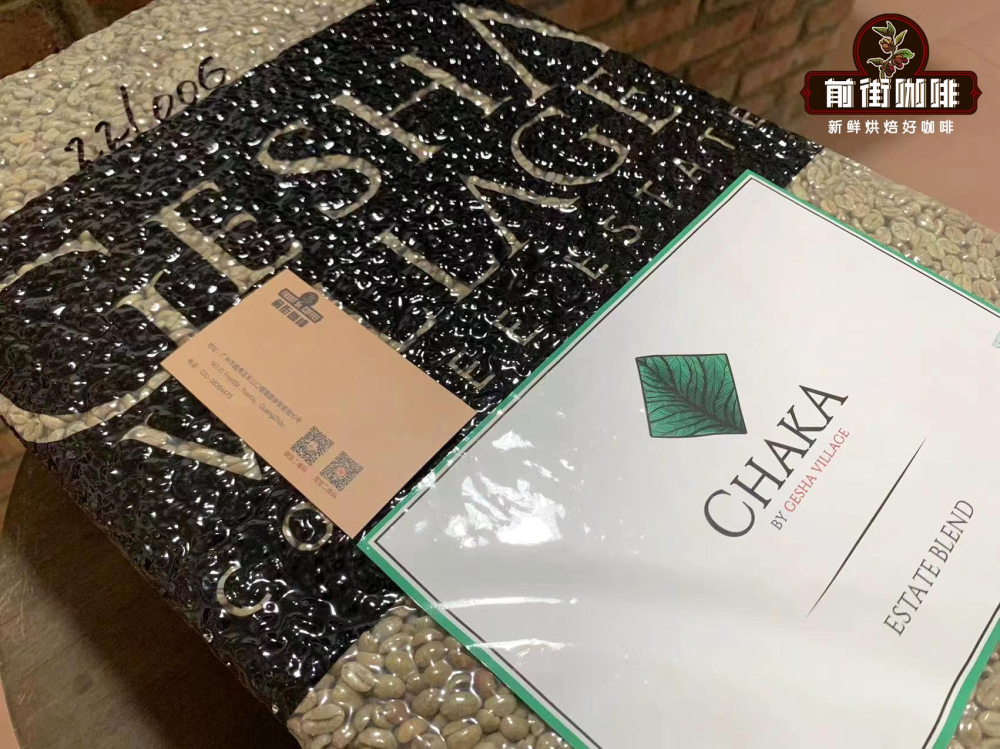
Unlike the estate's other batches, CHAKA combines Gesha beans from all plots across the entire production season, including all three Gesha varieties grown at Gesha Village: Gesha 1931, Gori Gesha, and Illubabor. It comes in both washed and natural versions; FrontStreet Coffee obtained the natural batch.
First, floating selection removes impurities and unripe fruit; then the cherries are spread thinly on African raised beds covered with plastic for natural drying. During drying they must be turned regularly and hand-sorted to remove unevenly colored cherries. Total drying time is 18-30 days. To preserve more fruit acidity, FrontStreet Coffee chose a light-to-medium roast.
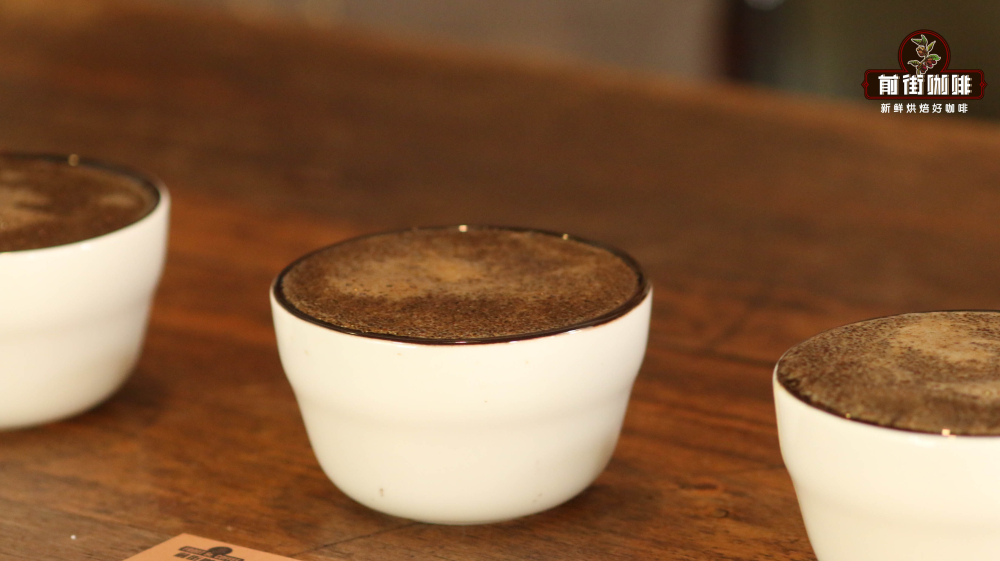
In cupping, FrontStreet Coffee found that Gesha Village's CHAKA presents floral, citrus, berry, cream, oolong tea, and cane sugar flavors. Compared with Panamanian Gesha, the Ethiopian Gesha varieties show fresher citrus and more transparent acidity. Below, FrontStreet Coffee brews a cup of CHAKA by hand with the shop's parameters to experience the flavors of Ethiopian Gesha.
FrontStreet Coffee's CHAKA Brewing Recommendations
Preparation before brewing is crucial. With coffee this fine, choose freshly roasted beans to appreciate their complete aroma. Every coffee has a window when its flavor peaks--typically within 7-30 days after roasting--and only brewing in that window does these beans justice. The beans FrontStreet Coffee ships are all roasted within 5 days, so what arrives after you order is fresh and perfectly timed for its best drinking period. Light-roasted beans are harder in texture and need higher water temperature and a finer grind to extract Gesha's aromatics.
Dripper: V60
Water Temperature: 91-92°C
Coffee Amount: 15g
Coffee-to-Water Ratio: 1:15
Grind Size: fine sugar (80% passes through #20 sieve)

Three-stage extraction: The first stage uses 30g of water for a 30-second bloom, poured evenly in circles to form a dome. The second stage injects 95g of hot water, and once the coffee bed drops to half, begin the third stage with 100g until all the coffee has finished dripping. Pour from the center point throughout, using a small water flow and gentle circles to avoid uneven extraction.

Gesha Village CHAKA offers notes of tropical fruit, bergamot, and citrus, with creamy sweetness and hints of fermentation. As the cup cools slightly, a jasmine fragrance gradually emerges.
FrontStreet Coffee Recommendation
Gesha--the English word "Geisha" transliterated--is one of the most beloved varieties in Arabica coffee, conquering coffee lovers with its unique florals and superb sweet-tart character, while its low yields, weak disease resistance, and demanding management keep prices high. Knowing the tiers is the key to finding a great-tasting, fairly priced Gesha.
In Ethiopia, Gesha Village runs one of the strictest grading systems anywhere: it grows three Gesha varieties (Gori Gesha, Gesha 1931, and Illubabor Forest) across tiers including Gold Label RARITIES, Red Label GROWERS RESERVE, Green Label SINGLE-TERROIR, and the CHAKA batch. FrontStreet's Gold Label--Gesha 1931 from the Oma plot, refined natural processed, about 10% of production--shows complex, rich flavors that linger from dry aroma to aftertaste; FrontStreet's Red Label--Gori Gesha from Shewa-Jibabu, 15% of production and scoring 88 or above on the SCA scale--is the value-for-money pick with classic Gesha Village character.
For beginners, FrontStreet recommends starting with the entry-level Granlana Estate Gesha from Yirgacheffe: roasted light-to-medium, it keeps pleasant white florals while highlighting the sweet-tart lift of orange, guava, and citrus with a cleaner finish. And if Panamanian Gesha is the dream, the Esmeralda Green Label (Private Collection) offers the estate's signature high-altitude Gesha profile across multiple plots at a friendlier price than the single-plot Red Label.
Important Notice :
FrontStreet Coffee is a long-established specialty coffee roaster in Guangzhou China, selling freshly roasted beans from its own farm in Yunnan as well as dozens of carefully selected single-origin beans from around the world for both pour-over and espresso. The products deliver consistently excellent quality and great value, with shipping within 24 hours. Guangzhou's FrontStreet Coffee shop is recommended by many coffee lovers, and the beans are now available online at the Tmall 。
FrontStreet Coffee has moved to a new address:
FrontStreet Coffee Address: 315,Donghua East Road,GuangZhou
Tel:020 38364473
 Scan and follow the En Gafei WeChat official account. Please indicate that the reprint comes from "En Gafei".