Coffee Estate - Panama Elida Estate Geisha Coffee Beans and Typica Coffee Beans Flavor Introduction
Ask about the most famous estate in Panama and the answer is undoubtedly Hacienda La Esmeralda. In recent years, though, many excellent Panamanian estates have emerged and won public recognition — Elida Estate, Janson Estate, Sophia Estate among them. This issue, FrontStreet Coffee introduces the story of Elida Estate.
Elida Estate: A Century-Old Premium Coffee Producer
Panama's Elida Estate is located in the renowned specialty coffee-producing region of Boquete. It is the most famous estate of the Lamastus family, founded in 1918. Since Robert Lamastus, founder of the family's coffee estate, planted the first coffee tree, a century has passed and specialty coffee has spread across the world. Elida Estate covers a total area of 65 hectares, more than half within Baru Volcano National Park. Only 30 hectares are used to cultivate coffee trees; the rest remains pristine forest. Coffee is grown at altitudes from 1,670 to 1,850 meters, making it one of the two highest-altitude coffee estates in Panama (the other being Carmen Estate in the Volcán Valley).
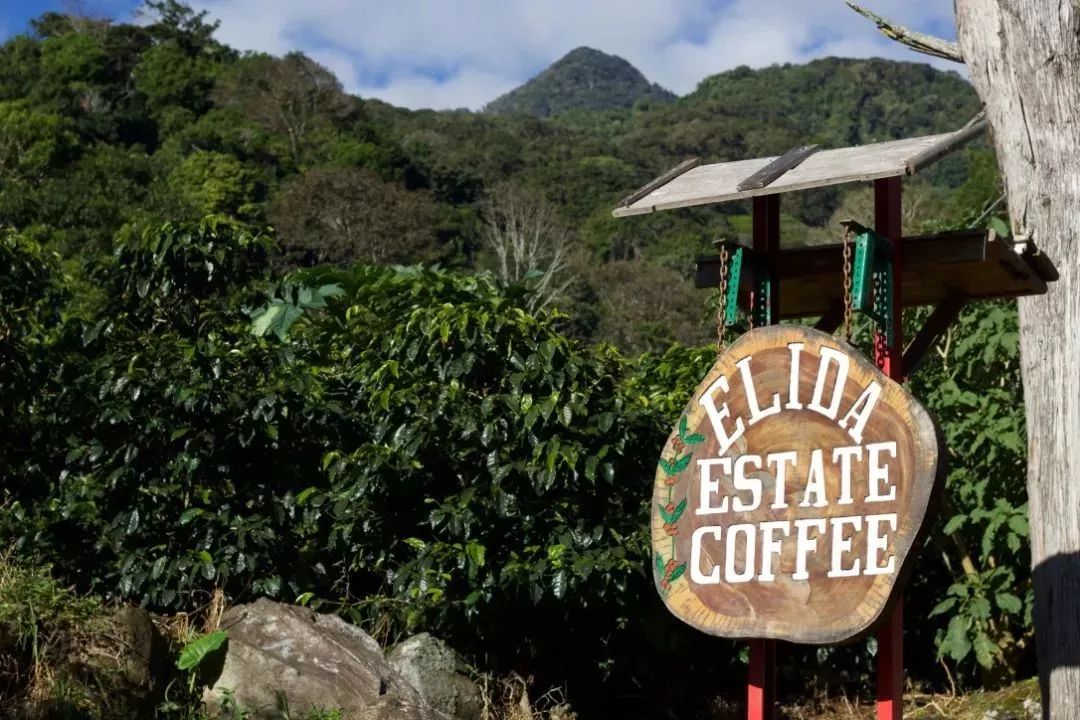
In such a high-altitude environment, low temperatures delay the ripening of the cherries by about a full month compared with normal. The fertile volcanic soil provides ample nutrients, and combined with the excellent microclimate brought by Baru Volcano, it lets Elida Estate consistently achieve excellent results in cupping competitions.
Coffee Varieties and Processing
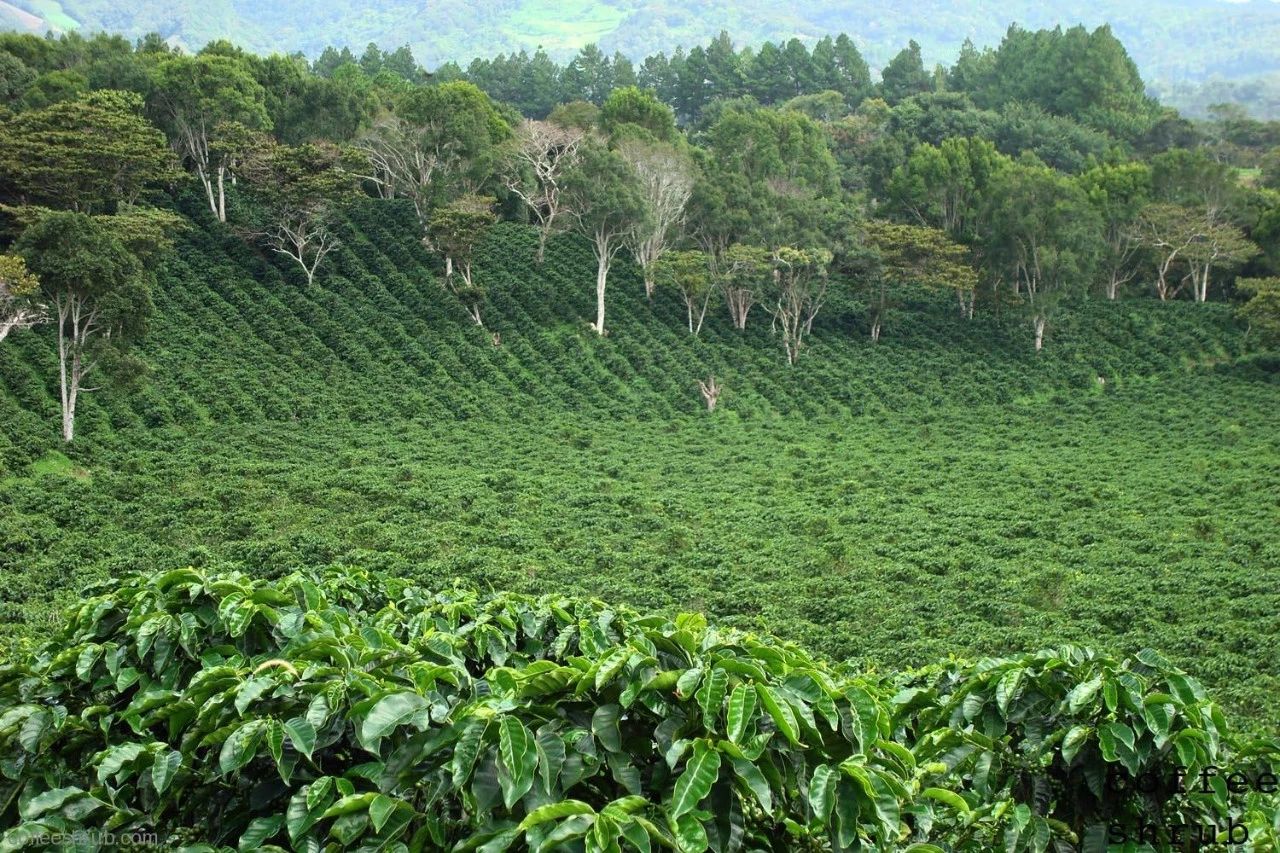
Elida Estate mainly cultivates three coffee varieties: Catuai, Typica and Geisha. The estate's processing plant is located halfway up the mountainside, allowing cherries to be transported for processing immediately after harvesting so the quality of the fruit isn't affected. Elida's environment also suits other high-quality temperate crops, especially tree tomatoes and some uncommon high-altitude fruits. Interestingly, the flavors of those fruits can often be found in Elida's coffee as well.
In addition to the exceptional altitude and microclimate, estate owner Mr. Wilford has put considerable effort into harvesting and processing. To meet the highest standards, Elida Estate's coffee can only be hand-picked from the most mature cherries (Ripe on Pinton). The high fruit maturity naturally means high sugar content in the mucilage, which is the foundation of Elida's premium flavor.

Awards and Recognition
In the Best of Panama (BOP) competition, Elida Estate has become a formidable competitor to Hacienda La Esmeralda. It has not only won multiple BOP championships but also holds the BOP cupping score record — in 2018, Elida's Green Tip Washed Geisha scored an impressive 94.66, breaking the 2016 BOP record of 94.15 set by Elida's own Green Tip Washed Geisha.
In the 2019 BOP competition, the winner of the Geisha Processing Category, Elida's Natural ASD Geisha, broke its own BOP record again with a score of 95.25.
Beyond being extremely strict about cultivation and processing, estate owner Mr. Wilford is also more rigorous than his peers in the "purification" of green beans after processing. For Panama's Elida Estate, green beans need more than 5 months of low-temperature resting to remove greenness, which lets the flavor develop more balanced and full. (Low-temperature resting is a green-bean purification concept strongly promoted by coffee master George Howell since 2006. We've found that while subtropical green beans do need low-temperature storage, different processing methods and altitudes change the resting time. For Panama's Elida Estate, 5 months is optimal.)
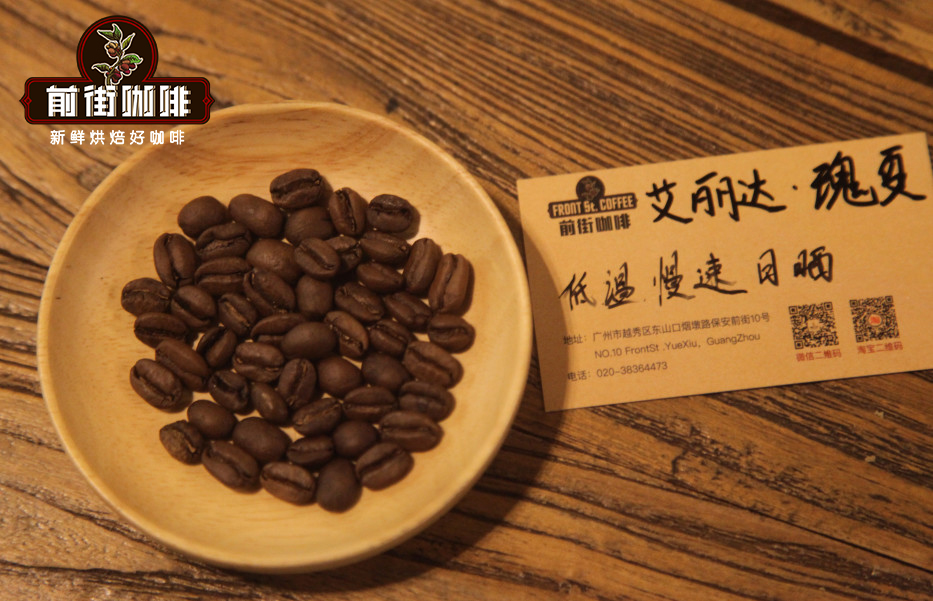
FrontStreet Coffee's Elida Geisha
The processing method for FrontStreet Coffee's Elida Geisha is anaerobic fermentation with low-temperature slow sun-drying.
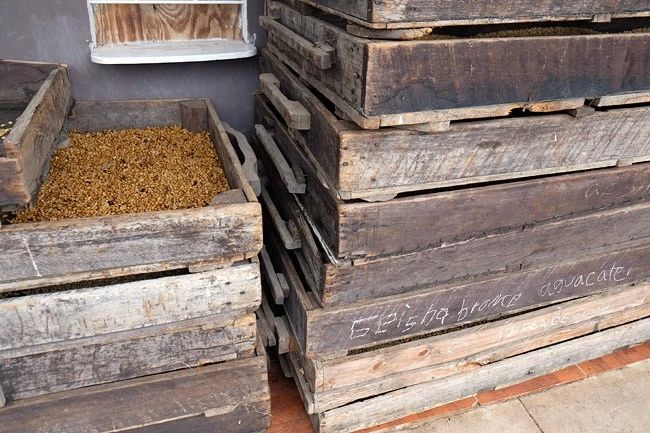
The harvested cherries are placed in sealed containers for 4-5 days of fermentation, then thick layers of cherries are spread on drying beds for slow drying.
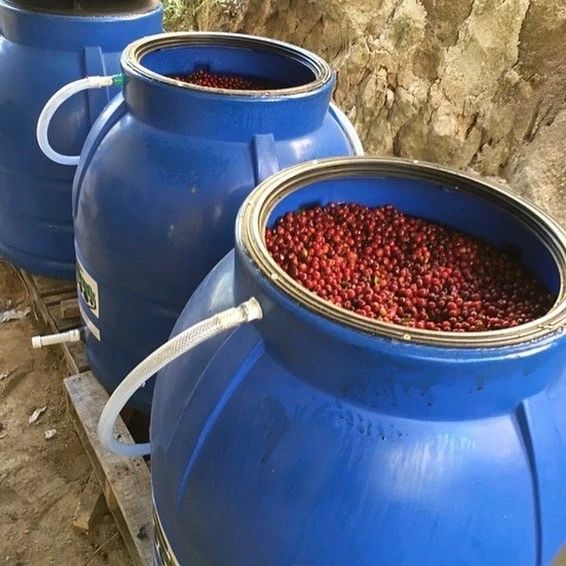
The low-temperature slow sun-drying method requires producers to invest more time and effort. Nurtured by time, slow drying lets the cherries develop optimal water activity. This not only yields better flavor development but also helps green beans keep longer through the off-season cycle. This method, however, not only depends on favorable weather but also extends the time each batch takes, raising the cost of green beans.
FrontStreet Coffee's Roasting Analysis
This coffee has medium bean size and density, absorbs more heat during roasting, and shows a relatively fast Maillard reaction. When the beans begin to turn yellow, open the air vent to develop more fermentation aroma and enhance sweetness and balance.
Set the roaster temperature to 160°C when loading, heat at 100, air vent at 3, return temperature at 1'42". When the temperature reaches 146°C, open the air vent to 4. At 146°C the bean surface turns yellow and the grassy smell disappears completely. When the temperature reaches 166°C, reduce heat to 80, keeping the air vent unchanged.
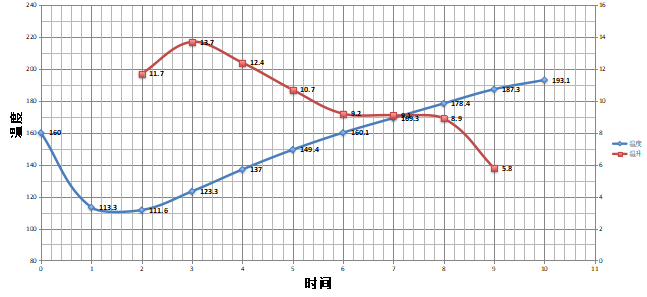
At 7'31", ugly wrinkles and black spots appear on the bean surface and the toast smell clearly transitions to coffee aroma — the prelude to first crack. Listen carefully for the first crack. At 8'28" first crack begins; reduce heat to 50 and open the air vent fully to 5. Develop for 1'45" after first crack, then unload at 194.5°C.
FrontStreet Coffee's Brewing Recommendations
Dose: 15g
Coffee-to-water ratio: 1:15
Grind size: Medium-fine (78% retention on the China standard #20 sieve)
Water temperature: 90-91°C
Filter: Hario V60
Method: Segmented extraction. Use 15g of coffee, bloom with 30g of water for 30 seconds. With a small stream, pour in a circular motion to 125g for the first segment. When the water level drops to just before exposing the coffee bed, continue pouring to 226g and stop. When the water level drops to just before exposing the coffee bed again, remove the filter. (Timing starts from the beginning of the bloom.) Total extraction time is 1'50".
Flavor: Aroma of light fermentation and floral notes. Grapefruit, lemon and guava on the palate, with honey sweetness in the middle and a black tea finish.

Elida Estate Typica
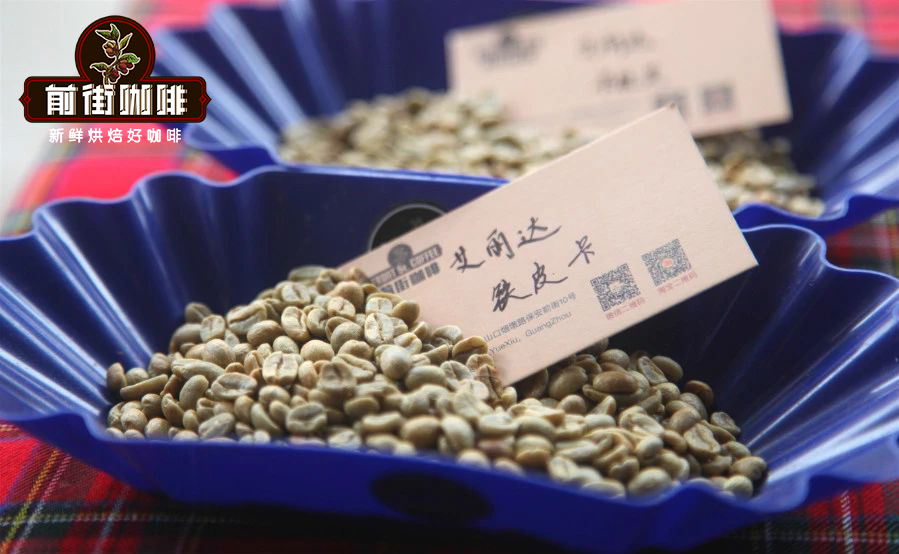
In addition to the award-winning Geisha, Elida Estate produces other excellent varieties, such as Elida Estate Typica, a regular on FrontStreet Coffee's bean list. Typica is one of the oldest Arabica varieties discovered to date, renowned for its excellent flavor. Elida applies its most skilled processing method to this variety — refined natural processing.
FrontStreet Coffee's Roasting Analysis
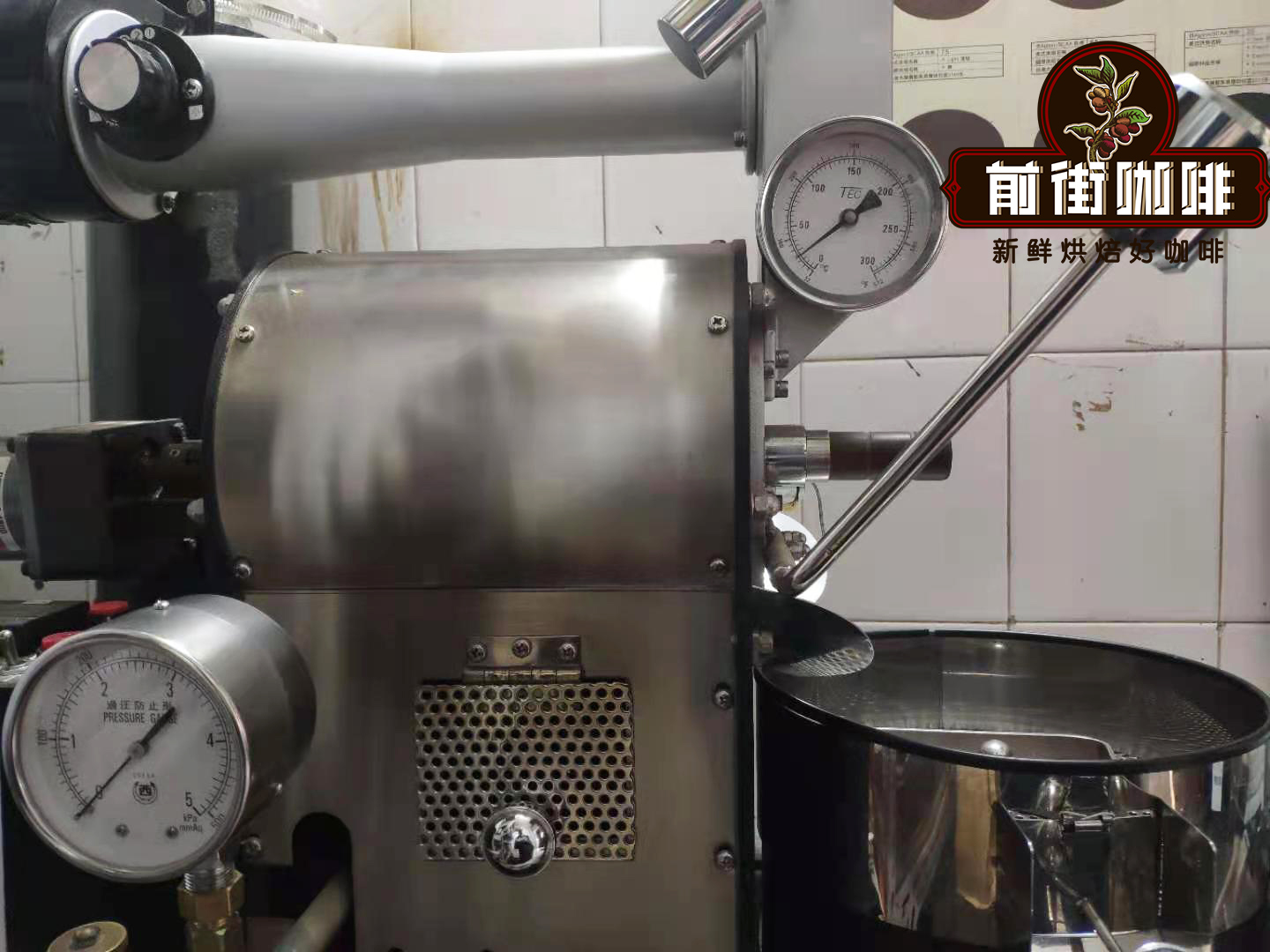
Set the roaster temperature to 170°C when loading, air vent at 3. After 30 seconds, adjust heat to 140, keeping the air vent unchanged. Return temperature at 1'25". When reaching 140°C, adjust the heat once — at this point the bean surface turns yellow and the grassy smell disappears completely, indicating dehydration is complete. Adjust heat to 110 and air vent to 4.
At 8'45", ugly wrinkles and black spots appear on the bean surface and the toast smell clearly transitions to coffee aroma — the prelude to first crack. Listen carefully for the first crack. At 9'07" first crack begins; reduce heat to 90°C and adjust the air vent to 4 (be very careful adjusting heat — don't reduce it so much that there's no cracking sound). Develop for 1'45" after first crack, then unload at 190°C.
FrontStreet Coffee's Brewing Recommendations
Dose: 15g
Coffee-to-water ratio: 1:15
Grind size: Medium-fine (78% retention on the China standard #20 sieve)
Water temperature: 90-91°C
Filter: Hario V60
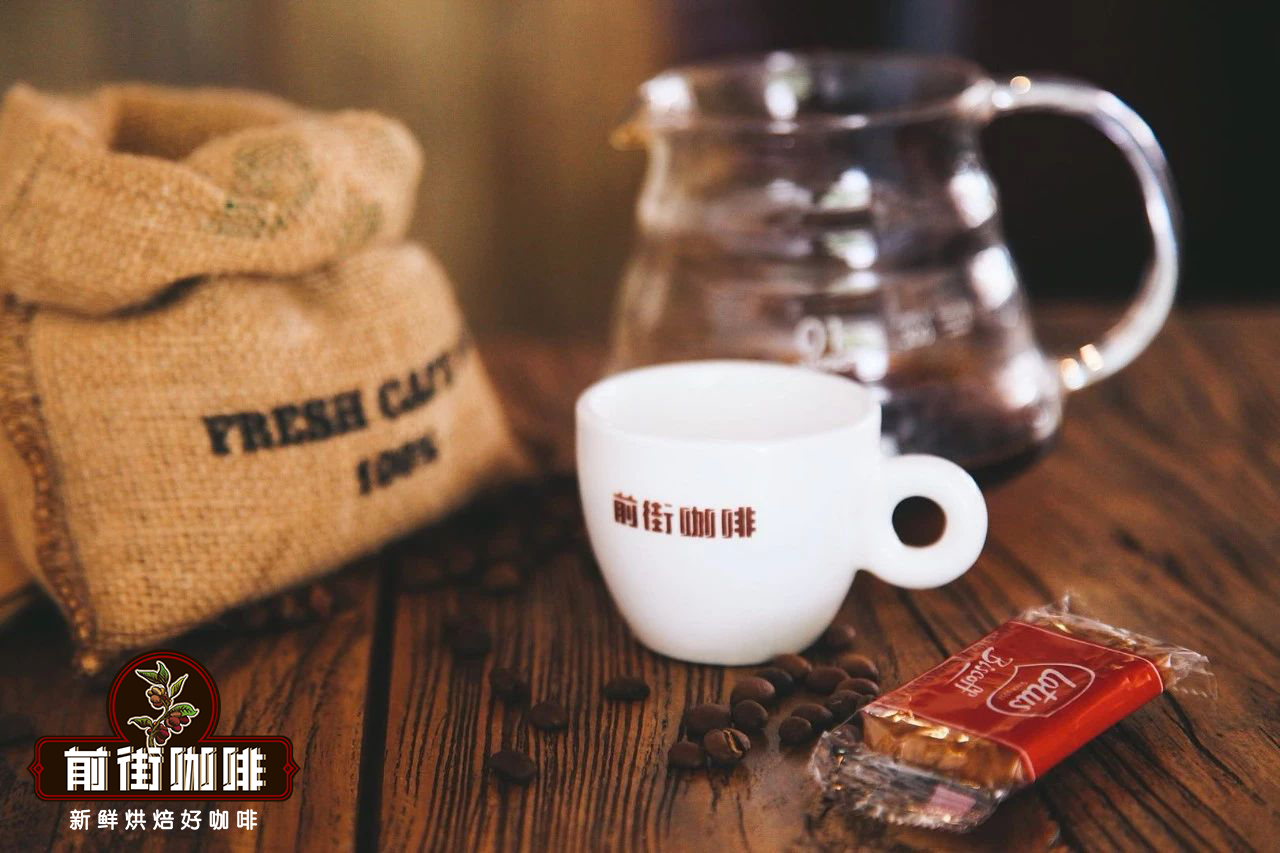
Method: Segmented extraction. Use 15g of coffee, bloom with 30g of water for 30 seconds. With a small stream, pour in a circular motion to 125g for the first segment. When the water level drops to just before exposing the coffee bed, continue pouring to 226g and stop. When the water level drops to just before exposing the coffee bed again, remove the filter. (Timing starts from the beginning of the bloom.) Total extraction time is 2 minutes.
Flavor: Fermented wine aroma and jasmine floral notes. Acidity of peaches and oranges on the palate, with distinct sweetness of raisins and cane sugar.
FrontStreet Coffee Recommendation
Geisha first made its name in Panama. Because of high altitude, microclimate and soil, the Geisha growing there developed a compelling flavor, and in 2003 the owner of Esmeralda Estate discovered it and entered it in the Best of Panama competition. Its distinctive character stunned the judges, and it took first place with an average cupping score of 94.6, breaking the BOP record. Overnight, Geisha became the variety the whole world wanted.
Panamanian Geisha is defined by a clear orange-blossom honey note — fragrant florals layered with juicy fruit sweetness and a tea-like finish. To taste it at its best, FrontStreet's Esmeralda Estate Red Label and Green Label Geishas show exactly that intoxicating aroma as a pour-over. In recent years people have also returned to coffee's birthplace, Ethiopia, in search of Geisha's original character. For an entry point, FrontStreet suggests the Granada Estate Gesha, roasted light-medium so it keeps a pleasing white floral note while pushing forward sweet orange, guava and citrus; for the estate-level experience, FrontStreet's Gesha Village Gold Label and Red Label come from a rare large Ethiopian estate beside the original Geisha forest, with strict quality control and standardized management.
Geisha is a light-medium roast and relatively hard, so it can sink and clog the drain holes. FrontStreet suggests grinding to about 78% passing the China standard #20 sieve — roughly fine-sugar size — and brewing at 91°C. Used as a single origin for espresso, Geisha is best at a medium roast, where it keeps both Geisha's floral fruit and Ethiopia's white florals and bright lemon acidity; pulled as espresso it turns into dried apricot, caramel and nut. FrontStreet's suggested recipe is 20g of coffee, a 1:2 brew ratio, a 25-second extraction and 40g of espresso — add 200g of hot water for a Geisha SOE americano with orange, nut and blueberry notes, or 200g of milk for a creamy, cookie-like Geisha latte.
For an everyday stand-in, FrontStreet's Strawberry Candy blends a Costa Rican honey-process coffee with Panamanian Geisha, giving both delicate florals and sweet fruit; it works as a pour-over, in a moka pot or espresso machine, and makes a refreshing cold brew. To brew it cold, use 30g of FrontStreet Strawberry Candy ground to fine-sugar size (EK43s setting 9, or Comandante C40 setting 24), add 360g of room-temperature water at a 1:12 ratio, stir and cover, then refrigerate. After 8 hours, filter out the grounds, seal the liquid and return it to the fridge for 3 hours to mature — the result tastes of grape juice, rose and sweet orange.
Important Notice :
FrontStreet Coffee is a long-established specialty coffee roaster in Guangzhou China, selling freshly roasted beans from its own farm in Yunnan as well as dozens of carefully selected single-origin beans from around the world for both pour-over and espresso. The products deliver consistently excellent quality and great value, with shipping within 24 hours. Guangzhou's FrontStreet Coffee shop is recommended by many coffee lovers, and the beans are now available online at the Tmall 。
FrontStreet Coffee has moved to a new address:
FrontStreet Coffee Address: 315,Donghua East Road,GuangZhou
Tel:020 38364473
 Scan and follow the En Gafei WeChat official account. Please indicate that the reprint comes from "En Gafei".