
How to Brew Indonesian PWN Golden Mandheling Coffee Beans - Mandheling Pour-Over Brewing Guide with Water Ratio, Grind Size, and Temperature Parameters
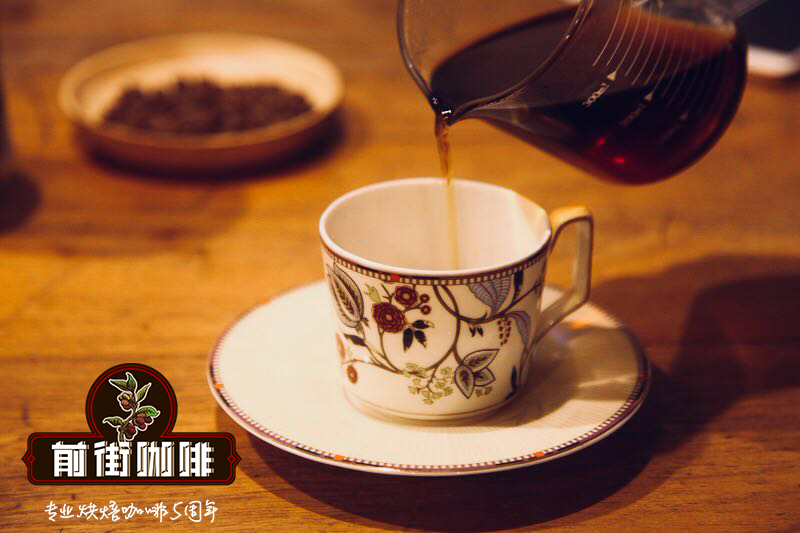
What is coffee? Coffee is one of the three most popular beverages on earth, and coffee grown in different countries offers its own flavors and textures. Indonesia is one of Asia's coffee-producing nations. Many people do not realize that Indonesia's coffee production ranks among the highest in the world, and its coffee enjoys very high recognition - Golden Mandheling above all.
Indonesia is the world's largest archipelagic country. As early as the 18th century, during Dutch rule, Arabica coffee trees were introduced for cultivation. The main production areas lie on the islands of Sumatra, Java and Sulawesi.
The coffee produced on Sulawesi, Indonesia's third-largest island, amounts to about 70,000-80,000 bags a year, accounting for only 9% of Indonesia's total coffee production. Coffee grows in rainforest at altitudes of 750-1,500 meters. Most of the high-quality coffee is planted around the Tana Toraja highlands in the southwestern region. Tana Toraja sits at an altitude of 1,500 meters on the equatorial belt, where afternoon rain clouds and mist linger year-round; combined with fertile volcanic soil, these are the best natural climate and environment for coffee. Most Indonesian coffee is handled by local coffee companies responsible for trading and export sales.
The Origin and Development of Mandheling Coffee
The Mandheling story in Indonesia began during Dutch colonial rule, when coffee cultivation started and gradually formed a unique flavor, the most famous being Mandheling from Sumatra. Mandheling was originally a tribal name. Through a misunderstanding when Japanese promoters introduced it, people took it as the coffee's name and spread it under that name. Today Mandheling comes in many categories, such as Golden Mandheling, Tiger Mandheling and Aged Mandheling. Today we focus on the story of Golden Mandheling.
The "Battle" for Golden Mandheling
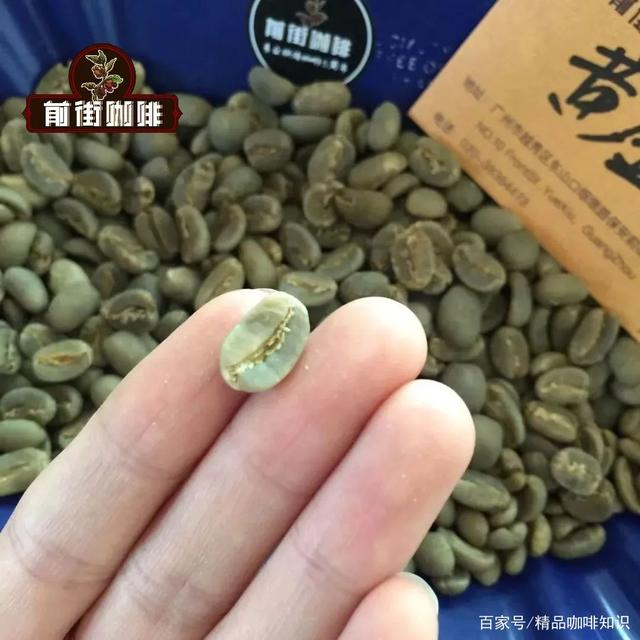
We all know that Japanese buyers enjoy detailed research, especially when it comes to food. Since Mandheling was promoted by the Japanese, they naturally had an advantage in securing high-quality resources. To improve Mandheling's relatively high defect rate, they established strict screening standards. After processing, the green beans undergo density and color sorting, followed by four rounds of hand selection before the uniformly colored, consistently sized Golden Mandheling is presented. After this strict screening, Golden Mandheling not only lacks the earthy impurities typical of ordinary Mandheling but tastes cleaner and more transparent, with even stronger sweetness.
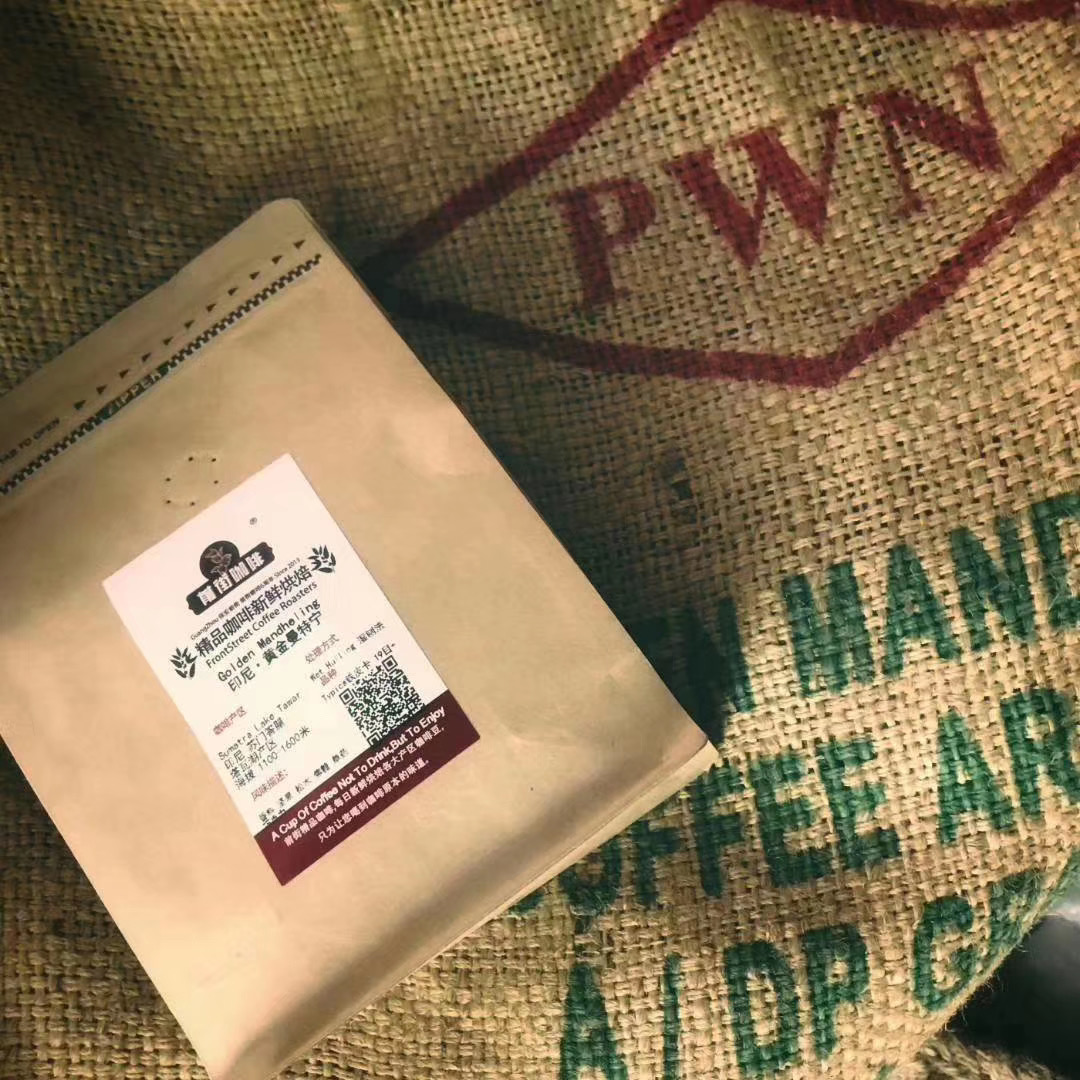
Golden Mandheling has been registered as a trademark, but ironically the registrant was not a Japanese company but an Indonesian one that got there first - PWN Company (Pwani Coffee Company). The Japanese company was subsequently forced to change its name to "Gold Top Mandheling" (Ding Shang Golden Mandheling). There are slight differences in bean appearance between the two: PWN's beans are mainly old Typica with larger beans, while Gold Top's are mainly a Typica variant with smaller beans. As for which is superior in flavor, that is a matter of personal preference.
Special Processing Method
Because the local weather is often rainy with continuous typhoons, making the good weather needed for sun-drying impossible, and because the local economy is not strong enough to afford the more expensive washed method, these conditions led to the development of the region's distinctive wet-hulling method. Wet-hulling involves sun-drying with the parchment on for 2-3 days during the regular washing process until the moisture content reaches 20-24%, then removing the parchment.
The extremely fast pace of wet-hulling also produces a higher defect rate in Mandheling coffee. Golden Mandheling effectively avoids this drawback. Its specifications are 19 screen or above, with fewer than 3 defective beans per 300 g green bean sample, placing it in the highest grade, G1. The color is dark green and the shape is a neat flat bean.
Example: FrontStreet Coffee Indonesia Golden Mandheling Coffee
Company: PWN
Region: Sumatra
Altitude: 1100-1600m
Variety: Typica
Processing Method: Wet Hulling
FrontStreet Coffee Brewing Suggestions
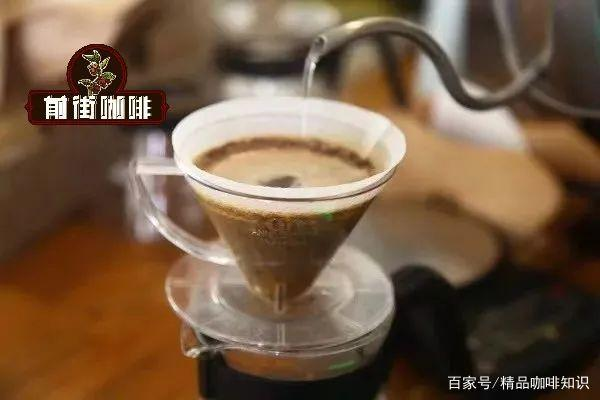
Filter: Kono filter
Water Temperature: 86°C
Dose: 15 grams
Ratio: 1:15
Grind Size: Medium-fine (BG#6W)
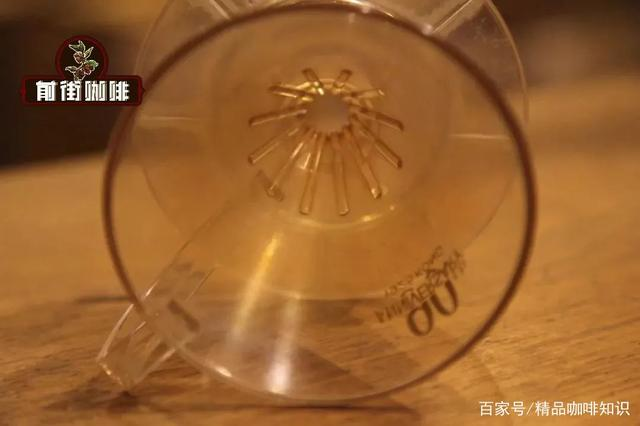
*Why the Kono filter: the Kono has few ribs, located at the bottom, and the filter paper fits tightly against it, which restricts airflow and increases the contact time between water and coffee grounds, letting the grounds extract fully and enhancing the rich mouthfeel.
FrontStreet Coffee Brewing Technique
Segmented extraction
Use 30 g of water for a 30-second bloom, then keep pouring in small circles to 125 g for the first segment. When the water level drops and is about to expose the coffee bed, continue pouring to 225 g and stop. When the level drops again and is about to expose the bed, remove the dripper. (Timing starts from the bloom.) Extraction time is 2'00".
Flavor Description
Multi-layered, rich and clean, with high balance. Strong nutty and chocolate flavors, intense spice and caramel aromas, with fruity notes and a persistent finish.
FrontStreet Coffee Recommendation
Golden Mandheling is the benchmark of fine Mandheling. FrontStreet PWN Golden Mandheling comes from Indonesia's PWN company, which applies an extremely strict standard: beans must be 19 screen or above and a 300 g green sample may contain fewer than 3 defective beans, meeting the top G1 grade. On top of that, three rounds of hand selection remove virtually every fault, raising both cleanliness and sweetness. It is produced in limited volume and mostly supplies the Japanese and American markets, so genuine Golden Mandheling reaching other markets is scarce.
If you want to taste what wet-hulling can do, FrontStreet Lintong Mandheling is a rich, full-bodied single-origin from the Lintong growing area of Sumatra. It shows clove and woody aromas, low acidity, a spice-and-mint character and a strong, lasting sweetness. Both are best brewed as a pour-over - try 87-88°C water, 15 g of coffee at a 1:15 ratio, a coarse-sugar grind, and a three-stage pour to bring out the body and caramel sweetness.
Important Notice :
FrontStreet Coffee is a long-established specialty coffee roaster in Guangzhou China, selling freshly roasted beans from its own farm in Yunnan as well as dozens of carefully selected single-origin beans from around the world for both pour-over and espresso. The products deliver consistently excellent quality and great value, with shipping within 24 hours. Guangzhou's FrontStreet Coffee shop is recommended by many coffee lovers, and the beans are now available online at the Tmall 。
FrontStreet Coffee has moved to a new address:
FrontStreet Coffee Address: 315,Donghua East Road,GuangZhou
Tel:020 38364473
 Scan and follow the En Gafei WeChat official account. Please indicate that the reprint comes from "En Gafei".

