What's the Difference Between Espresso and American Black Coffee? Recommendations for Italian Blends and SOE Single-Origin Coffee Beans

Many newcomers to coffee end up puzzled by a few basic questions: What is Americano coffee? Is there a real difference between espresso and Americano? Which one is more authentic, and which tastes better? Today, FrontStreet Coffee will take these one at a time. First, let's untangle a few relationships.
What is Americano Coffee?
Americano coffee starts with espresso as a base and adds hot water in proportion; the diluted coffee becomes Americano. It originated during World War II, when American troops landed in Europe. Unaccustomed to Italy's concentrated coffee, they diluted it with water to make it more drinkable.
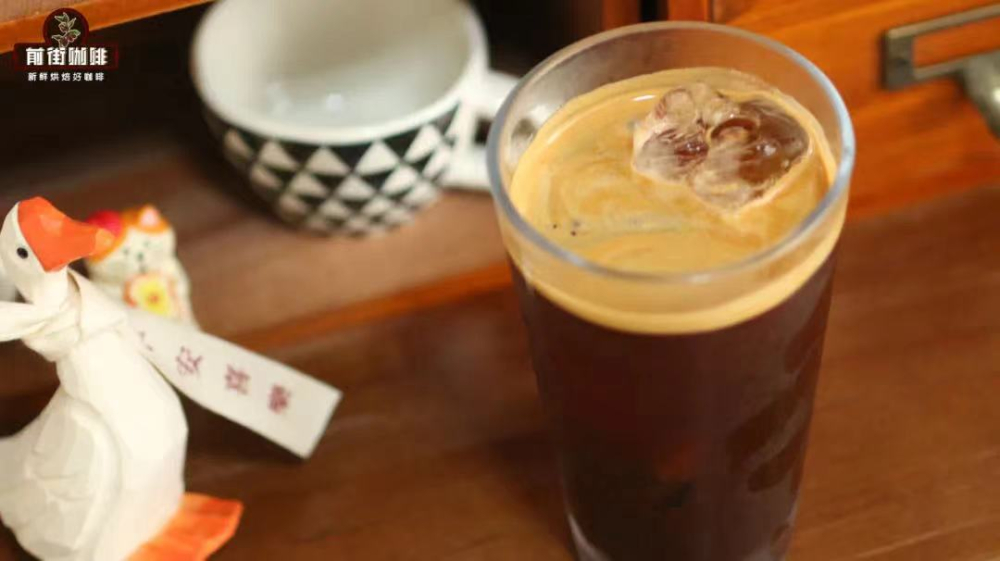
Even though Americano is diluted with a generous amount of water, its flavor is far milder than straight espresso while the aroma stays intact. These days, though, many shops pay little attention to the order of things when making Americano; some treat it as simply a question of preserving or dispersing the crema.
FrontStreet Coffee's Hot Americano Ratio
FrontStreet Coffee makes Americano from espresso extracted with FrontStreet Coffee's Sunflower Warm Sun Blend, which combines FrontStreet Coffee's Ethiopian Natural Red Cherry and FrontStreet Coffee's Honduras Sherry beans. FrontStreet Coffee dilutes the 40g of coffee liquid extracted from 20g of coffee grounds in different proportions, finally building an Americano at a 1:6 ratio (40g of coffee liquid to 240g of water).
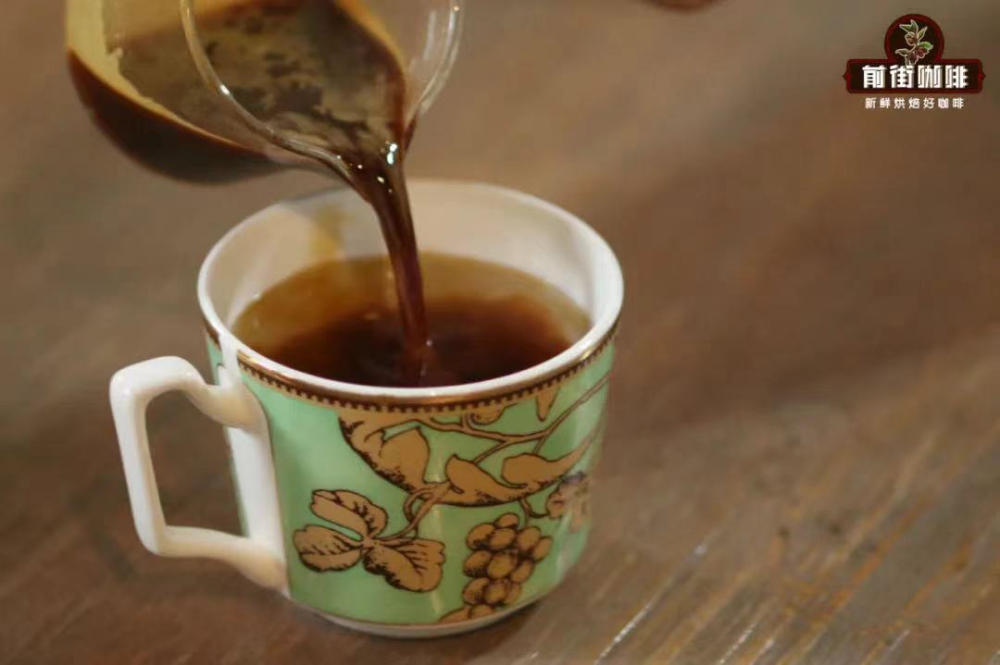
A good Americano should taste balanced and rich overall; it should not be thin, burnt-bitter or sharply acidic. When Americano tastes bitter, it is usually over-extraction of the espresso; sharp acidity points to under-extraction. A thin taste is easy to explain - the water ratio is simply too high.
What is Espresso Coffee?
The simplest way to think about it is this: any coffee extracted on an espresso machine is called espresso coffee.
What is Espresso?
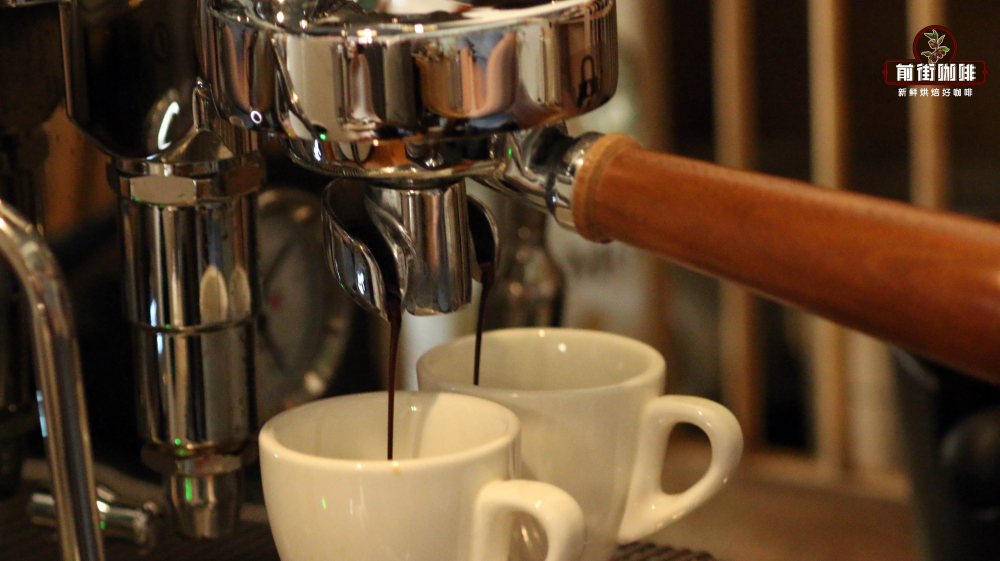
Espresso is also known as Italian concentrated coffee. It is both a drink and a brewing method. Under roughly 9 BAR of pressure (nine times normal atmospheric pressure), near-boiling water is forced through finely ground coffee to extract a small cup of highly concentrated, intensely flavored coffee. The parameters for extracting espresso are shaped by dose, ratio, time, grind size, water temperature and pressure.
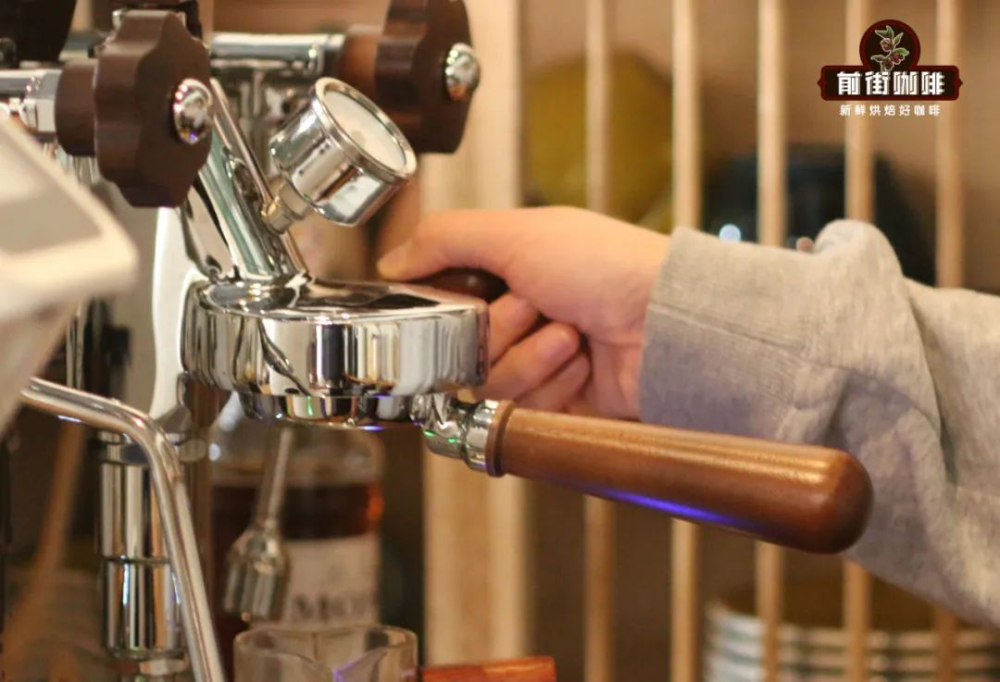
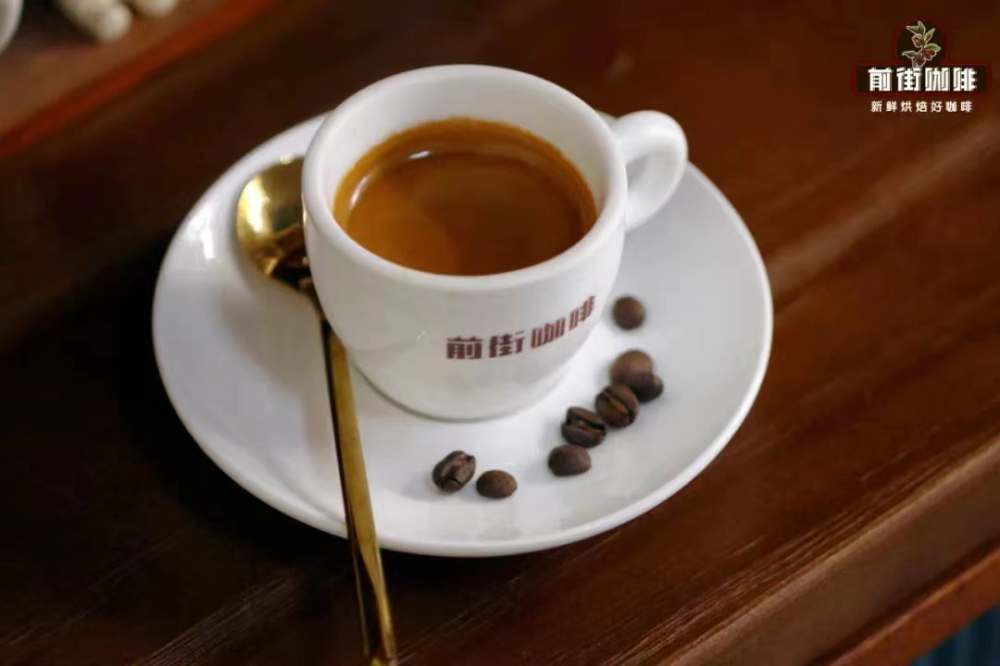
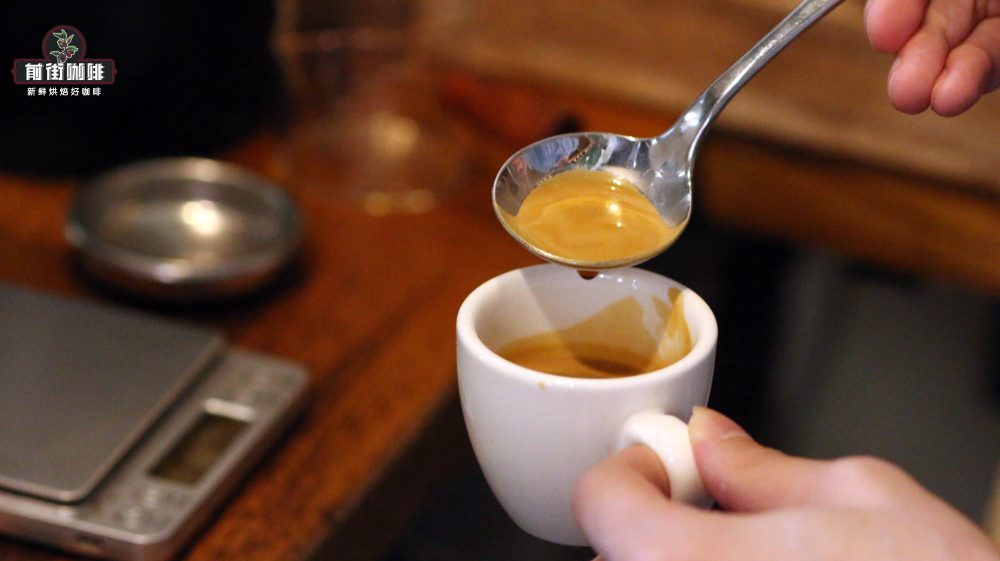
This concentrated coffee, extracted in a very short time, has a volume of about 30ml, with a beautiful golden-brown crema floating on top. The crema is rich and delicate, appealing and delicious, and this layer is what we call crema. Crema carries the aroma, while the extracted liquid carries the taste.
Espresso is a very classic Italian coffee with rich, layered flavors that can highlight particular characteristics of a coffee. Sip it carefully and a unique taste emerges. Here is an important point to remember: espresso is also the base for popular drinks such as Americano and latte. Put bluntly, if the espresso base is not made well, the other espresso drinks cannot be expected to taste good either.
Why Drink a Sip of Ice Water Before Drinking Espresso?
Because ice water makes the tongue more sensitive and opens up the taste buds, sharpening your perception of flavor. If you have eaten something strongly flavored before the coffee, your mouth will be full of lingering tastes that inevitably cloud your judgment. A sip of ice water cleanses the palate and removes some of that interference.

Should You Add Sugar to Espresso?
Some people like sugar, others do not - whether to add it varies from person to person. From a health standpoint, though, FrontStreet Coffee recommends adding less or none at all.
The traditional way to drink espresso is to add a small spoon of white sugar to the served espresso right away, then stir while drinking; the texture becomes milder, the bitterness less obvious, and a pleasant acidity comes forward.
If you are a coffee enthusiast, you must go to a coffee shop and order an espresso. Why? Because you will discover that espresso made on a proper machine is so rich - it brings more than bitterness, but also fruit acidity, floral notes, nuts, and even wine-like flavors.
FrontStreet Coffee believes that choosing the right espresso blend matters just as much. Blended coffee, also called mixed coffee, combines various single-origin beans to draw out the strengths of each. Blends are built from beans of different origins to create a more balanced flavor. Before blending, FrontStreet Coffee believes it is essential to first understand the different varieties and flavors of coffee from around the world, because beans from different origins have distinct characters. Different beans behave differently because of variety and origin, with subtle differences in acidity, bitterness, sweetness, aroma and body.
Today there are two kinds of espresso beans on the market: single-origin espresso beans and the more common blended espresso beans. Single-origin beans tend to focus on expressing the unique character of one particular coffee.

Single-Origin Espresso Beans
Single-origin espresso has become a very popular espresso base in recent years. Single-origin espresso, abbreviated SOE - the term we hear so often - means using only one type of coffee bean, which usually represents one specific growing region. In that sense it is similar to pour-over coffee in the way it expresses regional flavor.
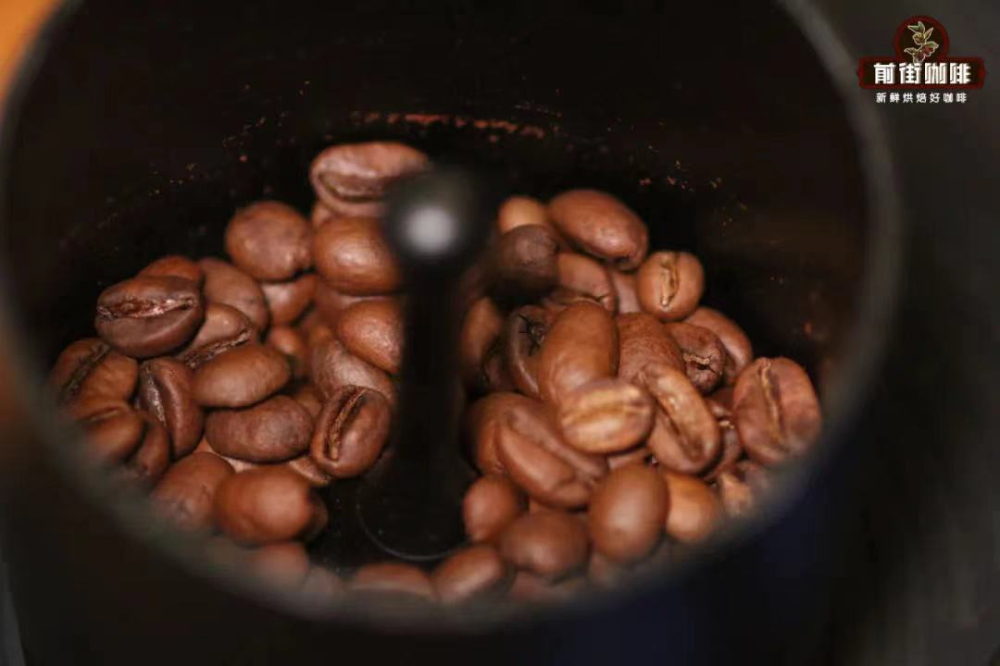
The difficulty of making SOE lies in two things: the cooperation of the roast, and suitable extraction conditions. On roast degree, as we just noted, single-origin espresso beans cannot be roasted too dark or the regional flavors are lost, but they cannot be too light either. Why? Because espresso is an extraction method that has to withstand high pressure. A light roast leaves the beans too hard, and after grinding there are large gaps between the particles. Even after tamping it is hard to reach sufficient density. Under pressure, water then flows quickly through the puck, the flow rate is too fast, extraction time is too short, and the shot is under-extracted, giving sharp acidity and insufficient body.

FrontStreet Coffee's Espresso Bean Blending Solutions
Next, FrontStreet Coffee will introduce a few of FrontStreet Coffee's blends. Depending on the coffees used, FrontStreet Coffee's espresso beans take on different flavor characteristics.
1. Balanced Flavor Espresso Beans - FrontStreet Coffee's Premium Blend
Formula: Brazil (70%), Colombia (30%).
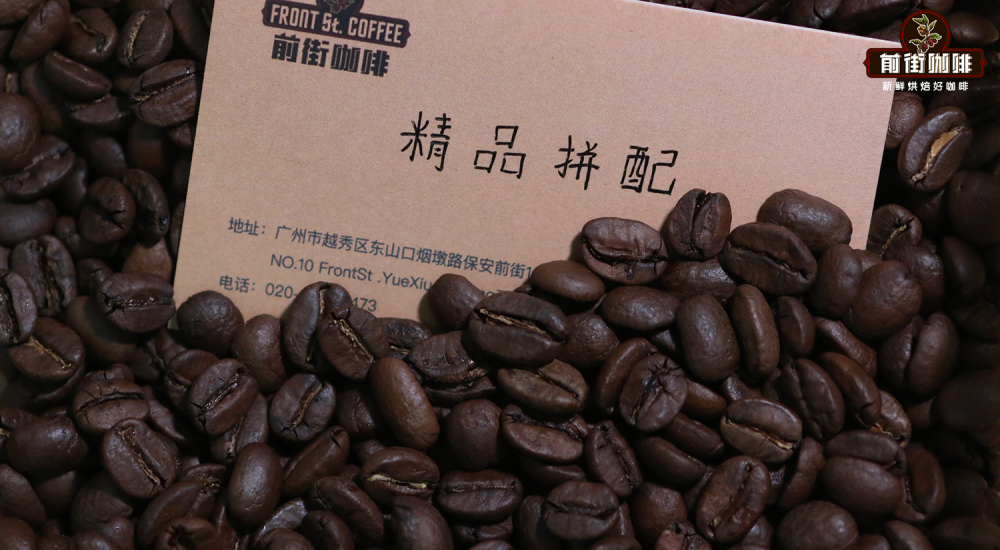
This comprehensive blend is relatively balanced in acidity, bitterness and aroma - neither too acidic nor too strong - which makes it suitable for those new to espresso. FrontStreet Coffee combines Colombian beans that bring both acidity and body with Brazilian beans that bring mild bitterness, in proportion, to create a balanced, medium-strength blend suited to daily coffee shop service.
2. Bitterness-Focused Espresso Beans - FrontStreet Coffee's Commercial Blend
Formula: Colombia (30%), Brazil (60%), Robusta (10%).
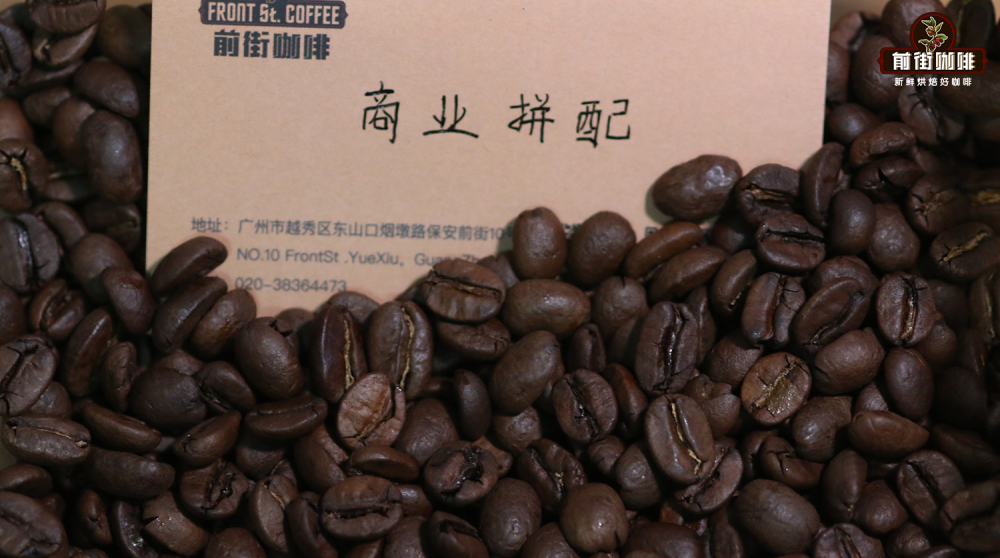
FrontStreet Coffee keeps the diversity of customers in mind and believes that a bold-flavored blend must start with intense coffees: Colombian beans with rich nutty and chocolate flavors, Brazilian beans with mild bitterness, and Robusta beans known for their full body and abundant crema. The result is a heavier bitterness, deeply loved by coffee enthusiasts, that meets daily coffee shop needs.
3. Slightly Acidic and Rich Espresso Beans - FrontStreet Coffee's Basic Blend
Formula: Yunnan coffee beans (40%), Brazil (60%).
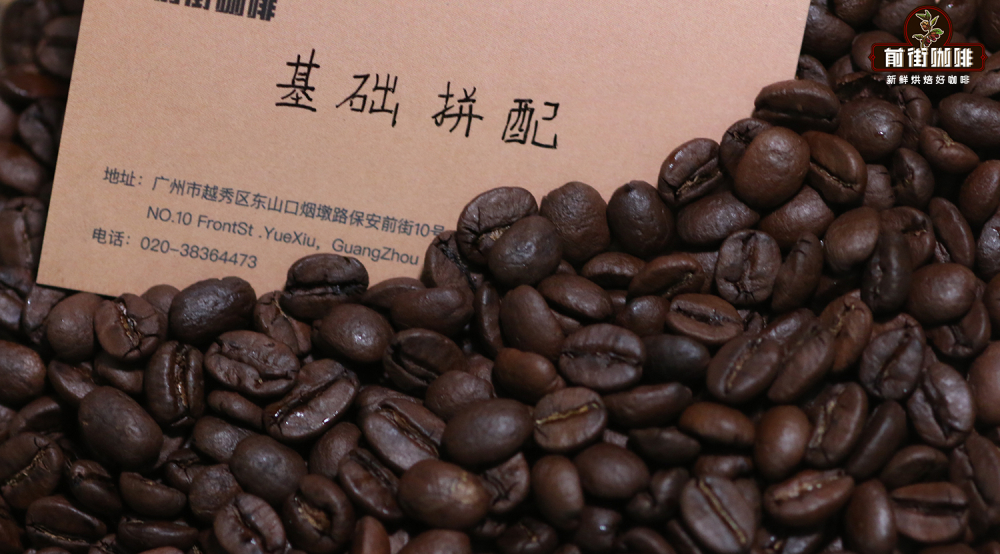
FrontStreet Coffee's basic blend offers the most popular flavor profile at an extremely high cost-performance ratio. Whether you are new to coffee or a heavy drinker, this is an easy espresso bean to accept. FrontStreet Coffee selects balanced Brazilian beans as the base, then harmonizes them with Yunnan beans that have a slightly lighter flavor profile than Brazilian beans. This basic espresso blend suits coffee shops and home users who prioritize cost and have moderate flavor demands.
4. Wine-Aroma-Focused Espresso Beans - FrontStreet Coffee's Sunflower Warm Sun Blend
Formula: FrontStreet Coffee's Honduras Sherry (70%), FrontStreet Coffee's Yirgacheffe Red Cherry (30%).
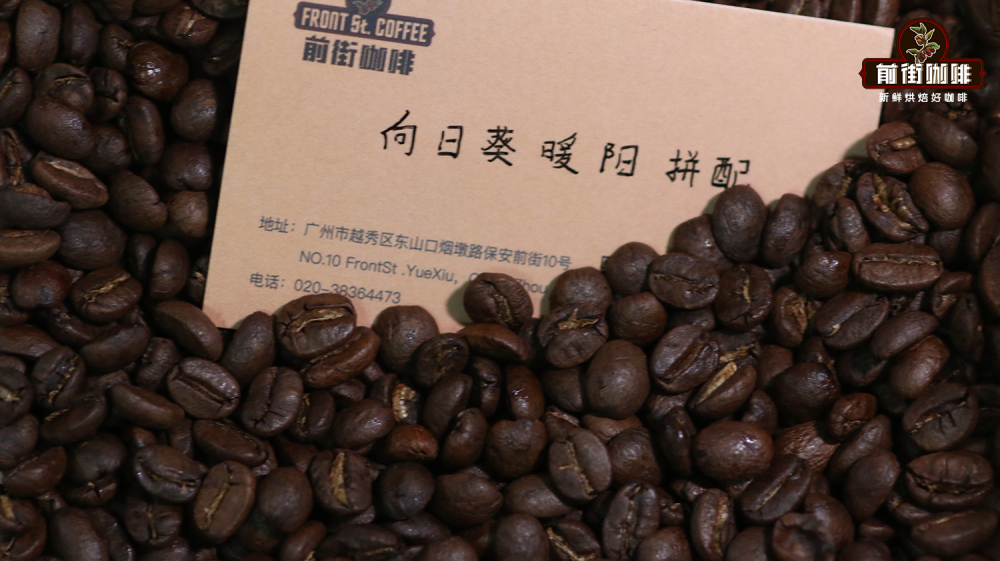
FrontStreet Coffee named this espresso bean "Sunflower Warm Sun," and as the name suggests, this special FrontStreet Coffee Sunflower Warm Sun espresso blend has an aroma as comforting as warm sunshine, with a flavor profile that is eye-opening. With FrontStreet Coffee's Honduras Sherry beans, rich in fermented wine aroma, as the main component, complemented by FrontStreet Coffee's Yirgacheffe Red Cherry beans known for their acidity, it creates an aromatic and rich comprehensive coffee blend.
Espresso vs. Americano: Which Tastes Better?

FrontStreet Coffee uses a double-shot of espresso for making espresso. Currently the shop uses its own roasted FrontStreet Coffee Sunflower Warm Sun blend beans, combining FrontStreet Coffee's Honduras Sherry and FrontStreet Coffee's Ethiopian Natural Red Cherry in a 7:3 ratio. The extracted espresso has distinct fruit acidity on entry, with a lingering faint berry aroma, rich wine and chocolate flavors, and a comfortable sweet aftertaste.
FrontStreet Coffee Recommendation
Ethiopia is the birthplace of coffee and a fine place to start if you want to taste how much character espresso can carry. FrontStreet Coffee's washed Yirgacheffe is the classic entry point, with clear jasmine florals and bright citrus acidity, light and elegant with a tea-like body, while FrontStreet Coffee's Gediding Cooperative adds citrus, lemon and white florals with a bright, delicate overall profile - both are approachable single origins for an espresso novice who wants fruit instead of bitterness.
For something juicier, FrontStreet Coffee's natural Red Cherry trades the washed style's clarity for peach, cocoa, honey and lemon, and FrontStreet Coffee's Flower Queen, from the Hambella area of Guji, Sidamo, brings a richer floral and tropical-fruit cup. FrontStreet Coffee's Hamashu 74158 leans on the JARC 74-series disease-resistant varieties for a perfume-lemon, strawberry and star-fruit sweetness, and FrontStreet Coffee's Kaffa Forest, grown wild in shade at 1400-2100 meters, finishes with white florals, bright lemon acidity, sweet orange and bergamot and a green-tea note.
Important Notice :
FrontStreet Coffee is a long-established specialty coffee roaster in Guangzhou China, selling freshly roasted beans from its own farm in Yunnan as well as dozens of carefully selected single-origin beans from around the world for both pour-over and espresso. The products deliver consistently excellent quality and great value, with shipping within 24 hours. Guangzhou's FrontStreet Coffee shop is recommended by many coffee lovers, and the beans are now available online at the Tmall 。
FrontStreet Coffee has moved to a new address:
FrontStreet Coffee Address: 315,Donghua East Road,GuangZhou
Tel:020 38364473
 Scan and follow the En Gafei WeChat official account. Please indicate that the reprint comes from "En Gafei".