Fully Automatic Latte Coffee Machine Recommendations_How to Make Latte Coffee with a Coffee Machine?

"I am either in a coffee shop or on my way to one." For Italians who love coffee, the latte is a wonderfully familiar drink. On a beautiful morning, a cup of latte feels incredibly pleasant and comforting. So what exactly is a latte, and how is it made? Let's learn and enjoy it together with FrontStreet Coffee.
What is a Latte?
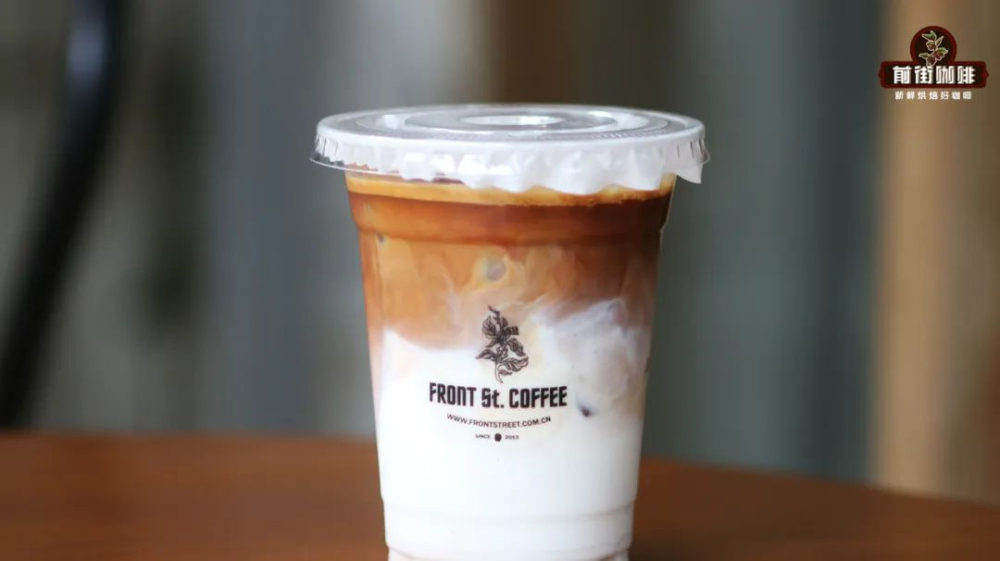
"Latte" is a transliteration of the Italian word "latte," and it belongs to the category of flavored coffees. It is also a classic Italian combination of espresso and milk. Add milk to rich, mellow espresso in a set proportion, and you have a latte. As the milk gently blends in, the originally bitter, heavy coffee becomes smooth and sweet. Even people who are not used to drinking coffee find it hard to resist a good latte.
The latte originally came from Vienna, the city of music. Viennese people began drinking coffee as early as the 17th century. At that time, the Turkish army failed to take Vienna and left behind hundreds of bags of coffee beans in its hasty retreat. Those beans became the raw material for Vienna's first coffee house. To suit European tastes, the owners filtered the coffee grounds and added a certain amount of milk, which not only made the bitter black coffee smooth and sweet but also created a flavor the Viennese found utterly captivating. From there, the marriage of milk and coffee began to sweep across the globe.
What Coffee Beans and Milk to Choose for Making Latte?
As FrontStreet Coffee mentioned above, the ingredients for a latte are very simple - just Italian espresso and milk. There is no fixed ratio; everyone can adjust it up or down to their own taste. The choice of ingredients, however, matters a great deal, because it directly determines the quality of the latte you make.
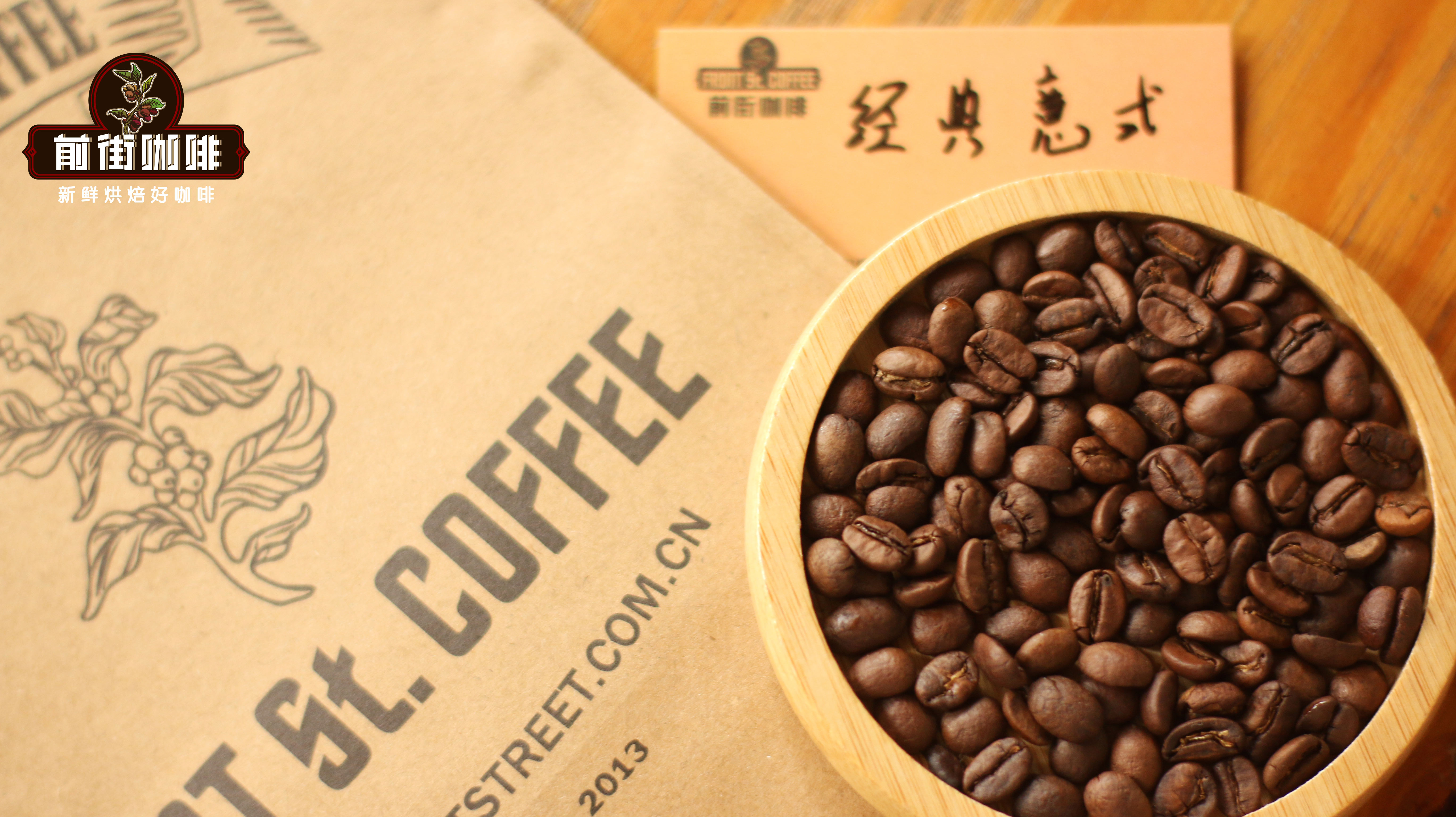
Based on extraction experience, FrontStreet Coffee recommends prioritizing more stable Italian-style blend beans. Blends typically combine flavor profiles from different producing regions and use medium or darker roasting, which makes it easier to extract rich crema (beans with high crema are better suited to milk-based coffee). This way, your espresso has a thick, rich taste and a higher tolerance for error. What's more, most Italian-style blends are supplied mainly for cafe production. Compared with single-origin beans of similar flavor, they are relatively cheaper, focusing on an economical, high-value approach. For beginners with little coffee-making experience, using an Italian-style blend is clearly the more advantageous route to a delicious latte.
For example, FrontStreet Coffee's shops use FrontStreet Coffee's Sunflower Warmth Blend, which combines Ethiopian Natural Red Cherry with Honduras Sherry Barrel beans. The roasting curve is designed mainly for espresso extraction. Made into an iced latte, it shows flavors of wine, vanilla, cream, and chocolate. Some friends have told FrontStreet Coffee that their espresso comes out with a lot of coarse foam, which is caused by beans being too fresh. Such espresso often tastes mediocre. From FrontStreet Coffee's experience, when Italian-style beans in hand are too close to the roast date, it is best to let them rest in a cool place for 7-10 days and consume them within 45 days for the best flavor.
How to Make an Authentic and Delicious Latte?
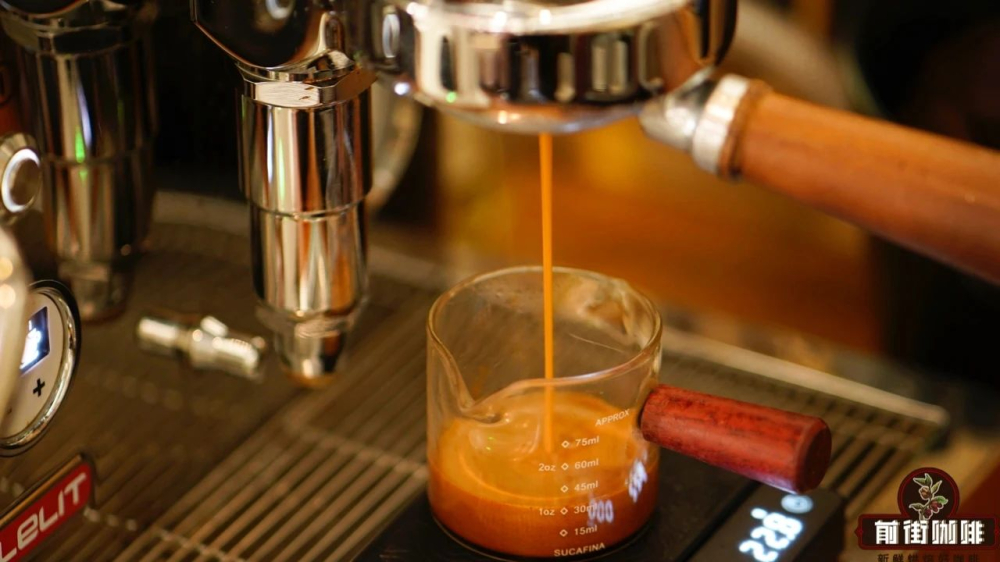
The coffee machine used in FrontStreet Coffee's shops comes with a portafilter that holds a double shot, about 18-20 grams of coffee grounds. When FrontStreet Coffee makes lattes, it uses 20 grams of coffee grounds with a 1:2 grounds-to-liquid extraction ratio, meaning 20 grams of grounds to extract 40 grams of coffee liquid. The time depends on the flow rate of the grounds. Generally, a single extraction is controlled between 20-35 seconds, because coffee extracted within 20 seconds tends to taste thin, while extraction beyond 35 seconds is prone to over-extraction and burnt bitterness. Most of FrontStreet Coffee's espresso extractions fall within the 28-30 second range.
Before extraction, FrontStreet Coffee prepares these items in advance: ceramic coffee cups, a milk pitcher, and fresh milk. First, wipe the portafilter dry and align it with the grinder's dispensing port, turn on the switch, and grind the amount for a double shot. Place it on an electronic scale and adjust until it reaches 20 grams. Then use a distributor to level the grounds and press vertically down with a tamper to compact the puck, ensuring a more stable extraction.
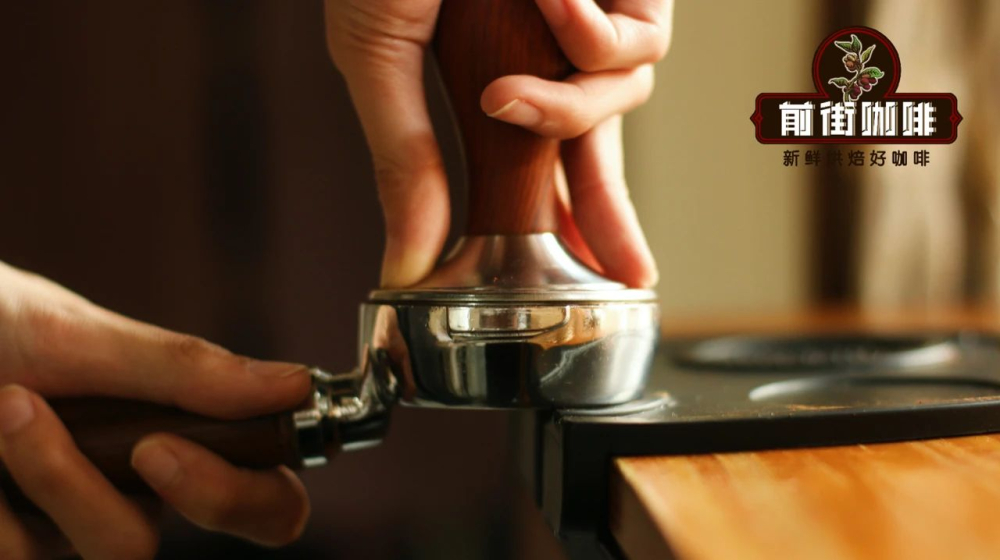
Next, turn on the machine's extraction switch and let water flow for 1-2 seconds to wet the brew head and wash away any residual grounds. Place an electronic scale under the cup that will collect the espresso and zero the weight. During extraction, keep it under the brew head. Gently lock the portafilter onto the brew head and start the extraction switch. Watch the liquid as it flows. When the scale shows 40 grams of coffee liquid (around 30 seconds), pull down the extraction switch and pour the espresso into the pre-prepared ceramic cup.
Steaming milk relies mainly on the machine's steam wand. Pour an appropriate amount of milk into the milk pitcher. FrontStreet Coffee's latte cups, for instance, are 300 milliliters, so you can pour in 240 milliliters of milk, since the milk expands after being infused with air during steaming. Before you start steaming, open the steam switch slightly to blast steam briefly, expelling excess moisture from the wand. Then submerge the tip of the steam wand into the milk surface and turn on the switch.
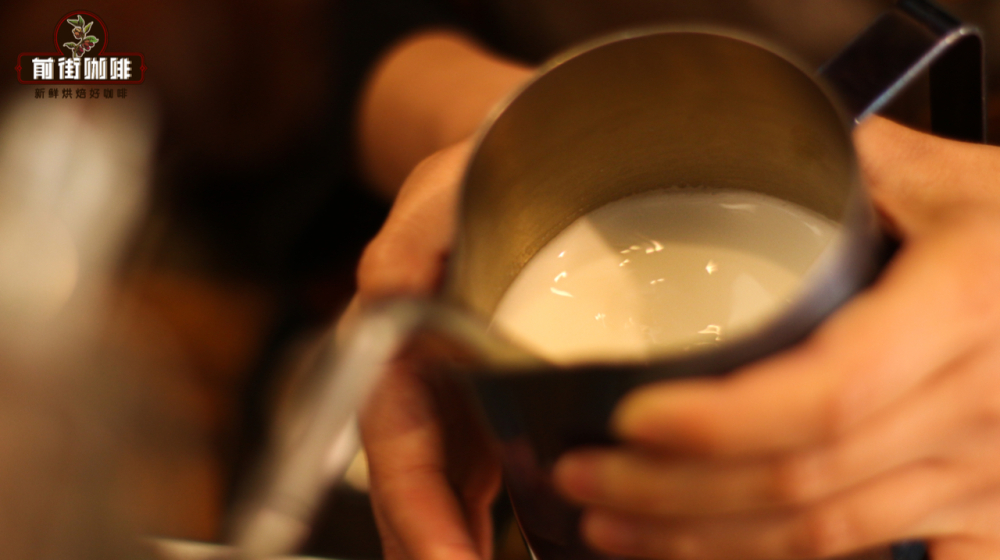
Steaming milk has two stages. The first requires the steam holes to touch the milk surface. This stage creates foam, producing a sharp paper-tearing sound, and it determines the thickness of the foam. The second stage is texturing. Once enough foam has formed, lift the pitcher to submerge the steam holes in the milk, letting the milk rotate and steam under the action of the steam. This stage determines the quality of the foam. A latte's foam should be moderate, about 1 centimeter thick. After steaming, the milk surface should be glossy, bubble-free, and have a certain fluidity.
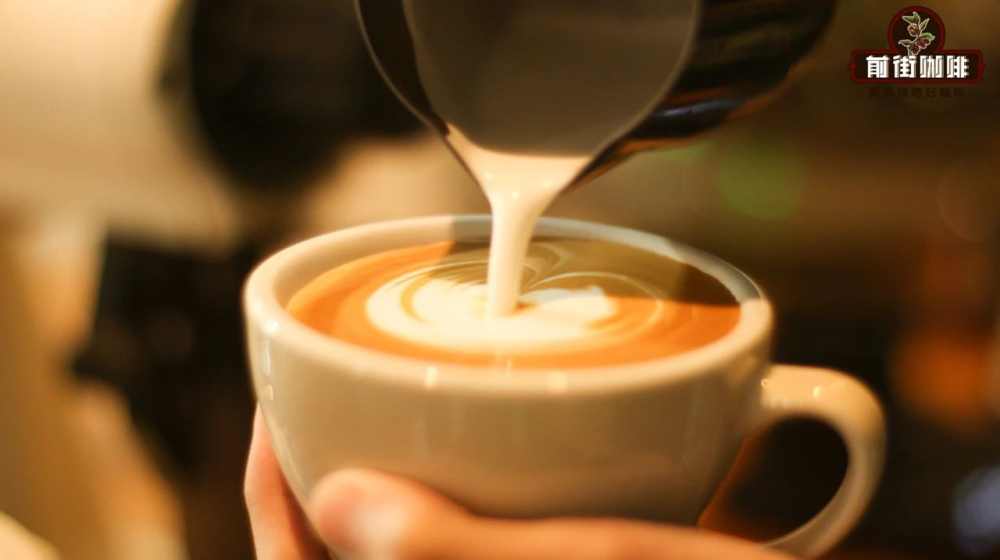
Finally, combine the steamed milk with the extracted espresso for latte art. Before pouring, first blend the milk and coffee. Keep the pitcher spout slightly higher from the cup for impact and gently blend the milk with the coffee until the cup is seven-tenths full. Then lower the pitcher, bringing the spout close to the coffee surface to reduce impact, and the foam will rise on buoyancy, creating white foam on the surface. At this point you can create ribbing patterns by moving your arm. Because the foam is moderate and has some fluidity, it will leave a continuously wavy line. Finally, lift and push forward to finish, creating a basic heart-shaped pattern.
So, How to Make Iced Latte?
Compared with a hot latte, making an iced latte is relatively simple. The method is the same as making an iced Americano, except that you replace the water with milk. So the steps are: pre-chill the cup with ice cubes, pour in 100 grams of ice cubes and 180 grams of milk, and finally pour in the espresso. Of course, don't forget to stir well before drinking.
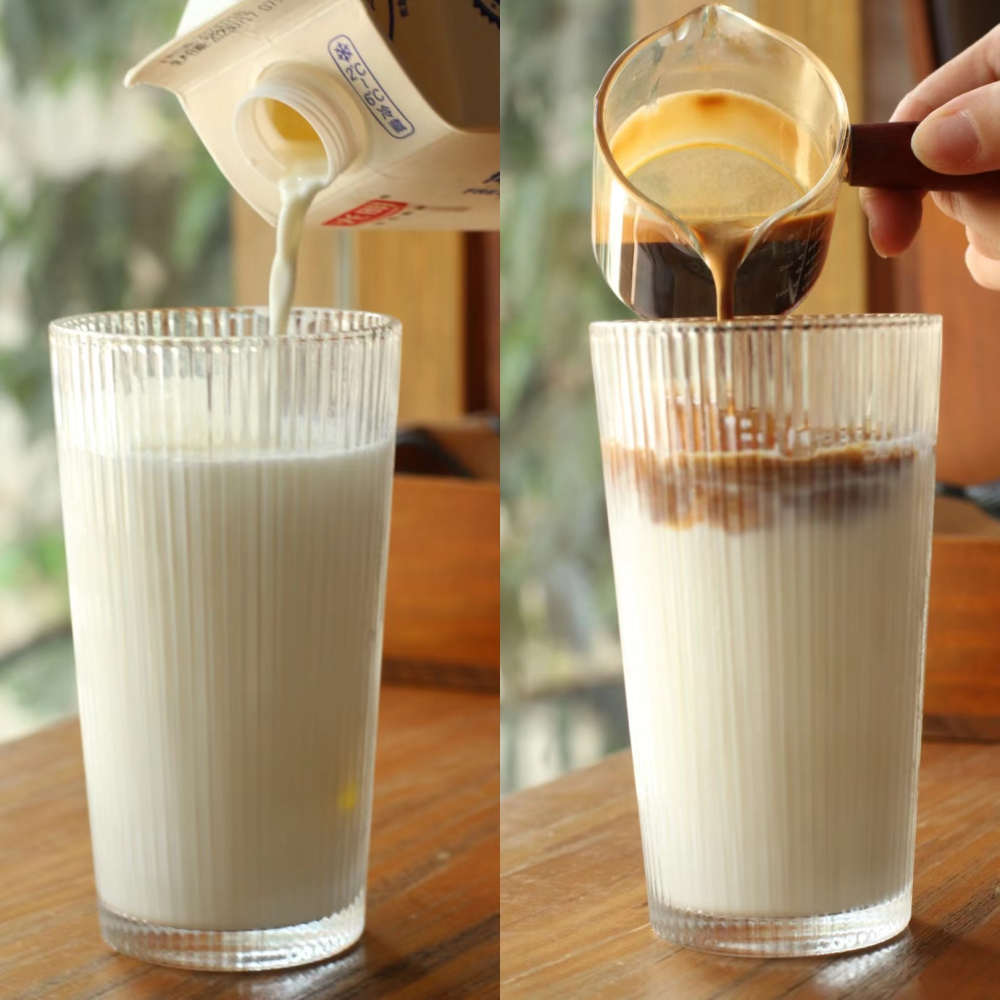
Most online tutorials for iced latte don't give an absolute ratio but fall within a general range: coffee:milk = 1:4-1:8. This is because everyone uses different beans, different extraction parameters, and possibly different milk. Even with a consistent ratio, the taste will still vary. As a reference, when using dark-roasted Italian beans mainly with dark chocolate and nut notes, you can add a larger proportion of milk to keep the taste balanced; FrontStreet Coffee's daily production uses a 1:6 ratio. When the beans are lighter-roasted with floral and fruity acidity, the espresso itself doesn't carry such a strong flavor, and too much milk will only mask the coffee aroma. In that case, reduce the milk proportion, for example into the 1:4-1:5 range.
FrontStreet Coffee Recommendation
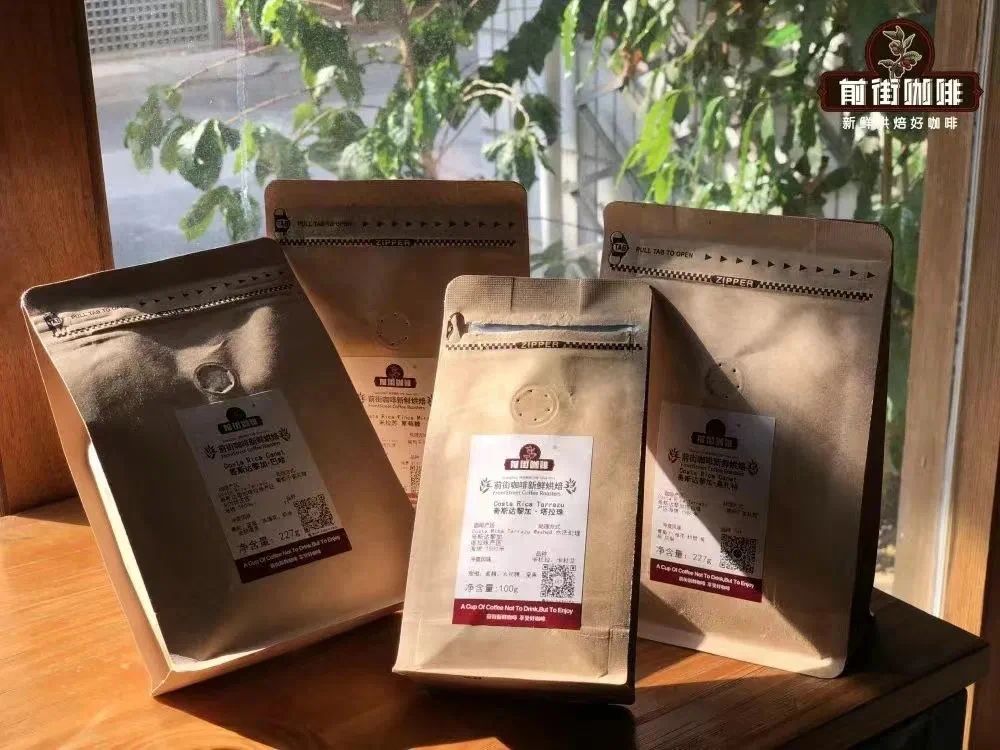
For a latte, the beans matter as much as your technique, and FrontStreet Coffee builds its blends with exactly that in mind. The Classic Blend is designed specifically for espresso and moka pot use, and its standout strength is crema: even a beginner with a modest home machine can pull a dense, fine crema, which is what gives a latte or cappuccino its body. FrontStreet Coffee's Black Cocoa Blend uses 100% Arabica beans with plenty of crema, a full-bodied taste, and a friendly price, making it an economical everyday choice. The Special Blend keeps the classic espresso profile most people recognize, pairing Brazil Cerrado with Colombia Huila.
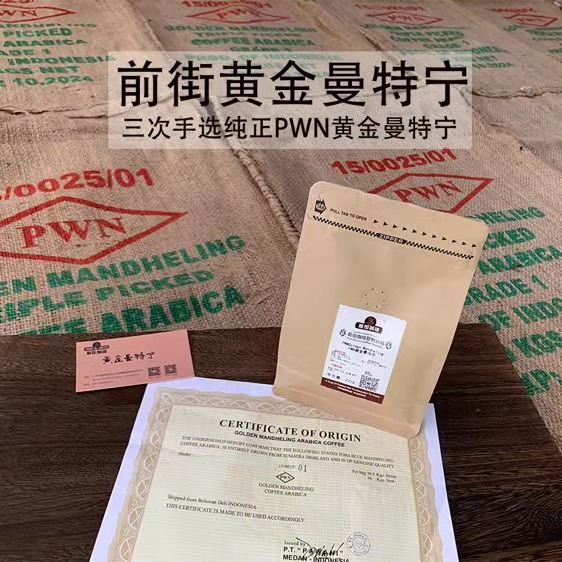
If you want a fruit-forward milk drink, the Strawberry Candy blend layers the natural flavors of Arabica beans from different regions into a bright strawberry-gummy sweetness that shines in a latte. For a lighter, single-origin pour-over with a splash of milk, FrontStreet's PWN Golden Mandheling and Brazil Queen's Estate both take milk gracefully without losing their character.
Important Notice :
FrontStreet Coffee is a long-established specialty coffee roaster in Guangzhou China, selling freshly roasted beans from its own farm in Yunnan as well as dozens of carefully selected single-origin beans from around the world for both pour-over and espresso. The products deliver consistently excellent quality and great value, with shipping within 24 hours. Guangzhou's FrontStreet Coffee shop is recommended by many coffee lovers, and the beans are now available online at the Tmall 。
FrontStreet Coffee has moved to a new address:
FrontStreet Coffee Address: 315,Donghua East Road,GuangZhou
Tel:020 38364473
 Scan and follow the En Gafei WeChat official account. Please indicate that the reprint comes from "En Gafei".