What is Espresso Coffee? Standard Preparation Methods, Taste and Flavor Characteristics
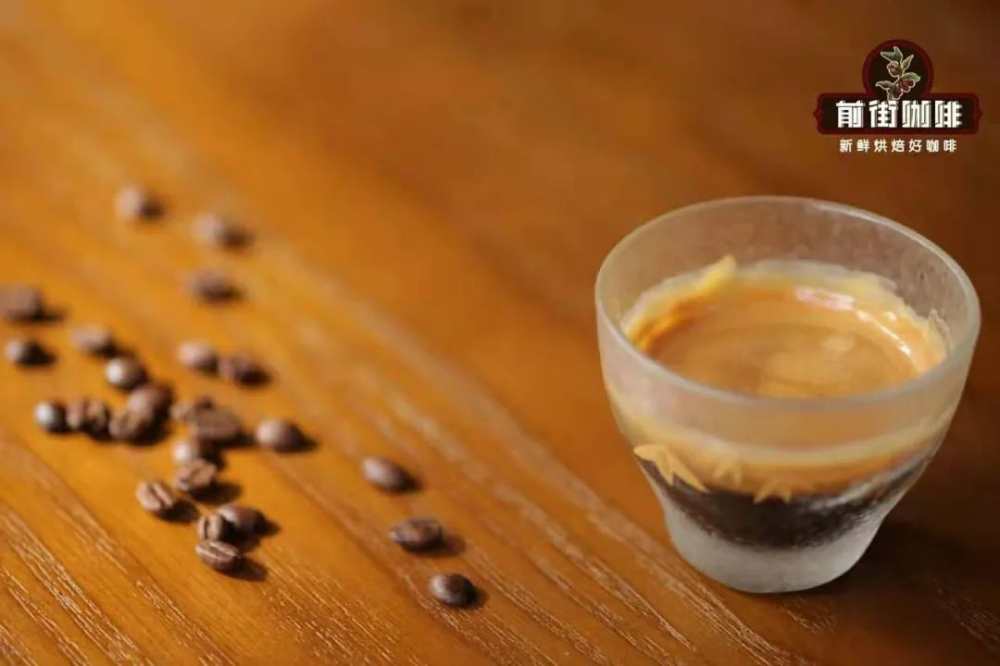
Although FrontStreet Coffee's menu features only four espresso-based drinks, there are actually several equally classic preparations hidden behind them, such as the intensely flavored espresso itself. Espresso has a relatively small following in China, but in its birthplace of Italy it is a national beverage.
The Essence of Espresso Coffee
Espresso is a method Italians invented in the 19th century for extracting coffee quickly through high temperature and pressure, served in dedicated small cups. Because drip coffee takes a long time to brew, Italians needed a faster way to extract and drink it, and the simple yet rich espresso was the perfect answer—refreshing and time-saving. A good cup of espresso is therefore the soul of any espresso-based coffee.
The Characteristics of Quality Espresso
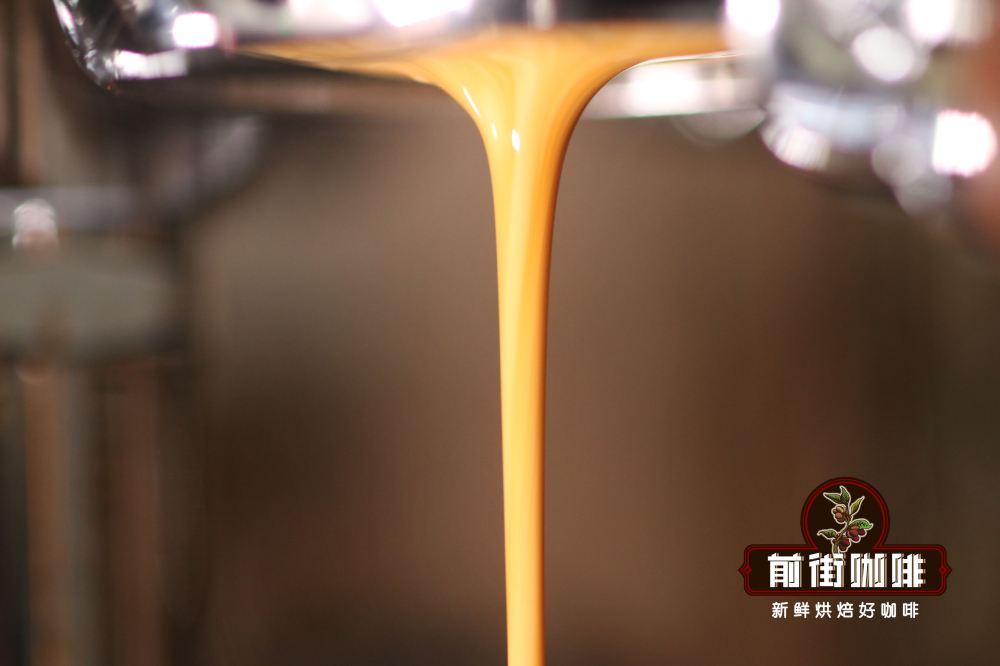
A quality espresso has a beautiful layer of golden crema. Its appearance is inseparable from nine atmospheres of pressure. Water in a heated, pressurized state extracts soluble substances from the coffee grounds, emulsifying the naturally occurring fats and oils in the process. Freshly roasted beans also contain carbon dioxide, which during extraction is pressurized and dissolves into the coffee. A layer of dark brown foam covers the surface—this is the crema produced by espresso extraction, typically 4-5 millimeters thick and carrying the aroma-releasing molecules.
The History and Evolution of Espresso
Espresso exists thanks to the Italians who invented the espresso machine. The world's first dated to the early 20th century, and after improvements by Milanese inventor Luigi Bezzera, a machine with individual brewing heads and portafilters was born. This "fast coffee" won fans not only in Italy but across the European continent, and later Italians living abroad spread it worldwide, making it the popular coffee we see today.
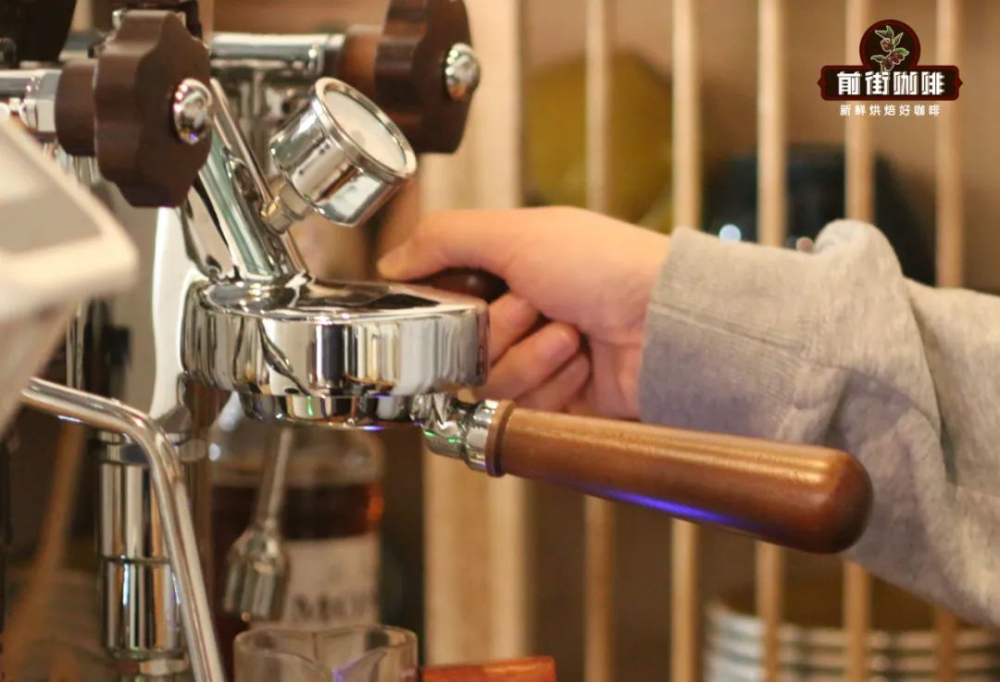
FrontStreet Coffee's Espresso Blends
The flavor of espresso is determined by the beans used. To balance flavor and achieve a richer taste, most coffee shops choose medium-dark roasted blends. FrontStreet Coffee, through continuous study of the flavor characteristics of beans from different regions, combines them in different proportions so their strengths complement one another and the flavors in the cup stay balanced. After multiple comparative tests, FrontStreet Coffee has launched four espresso blends.
Classic Rich Type—FrontStreet Coffee Commercial Blend
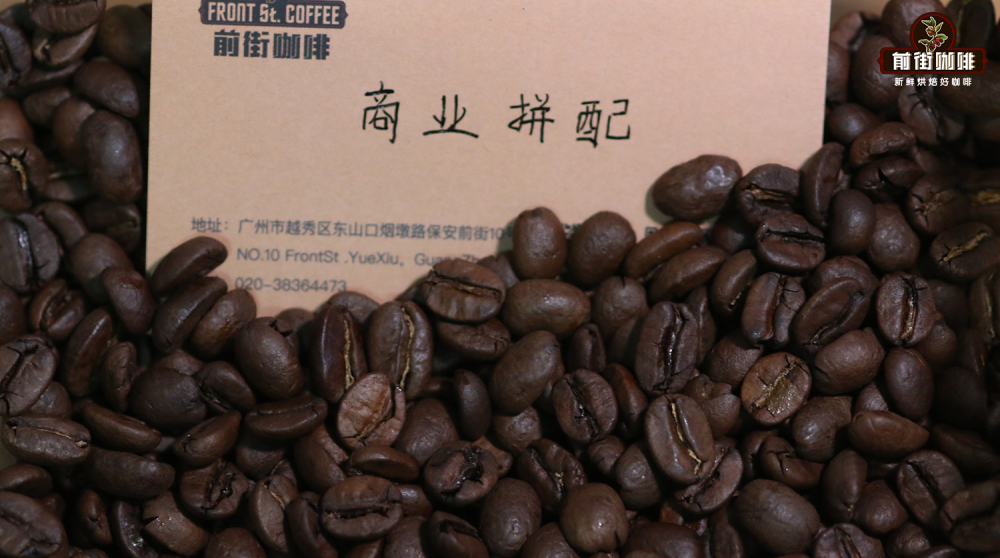
Robusta Washed Coffee Beans (10%) + Colombia Washed Coffee Beans (30%) + Brazil Semi-Dry Coffee (60%)
The resulting espresso has abundant golden crema with a nutty aroma. On the palate you taste coffee's aromatic bitterness, accompanied by a creamy, full-bodied texture. After swallowing, the bitterness fades and leaves a lingering fragrance.
Slightly Acidic Rich Type—FrontStreet Coffee Basic Blend
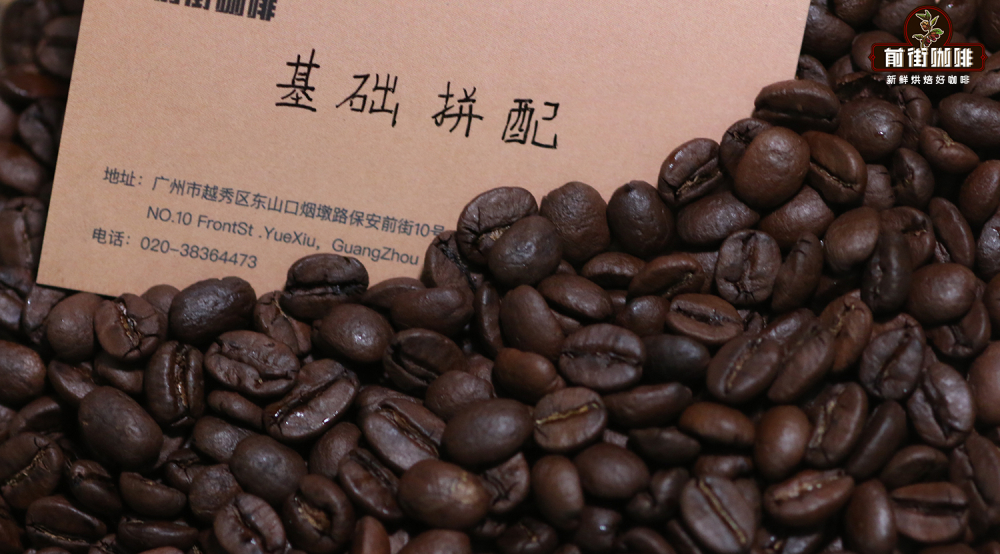
Yunnan Washed Small Bean Coffee (30%) + Brazil Semi-Dry Coffee Beans (70%)
Yunnan small bean coffee, with its gentle acidity, pairs with the rich aroma of Brazil Cerrado coffee to create an espresso with notes of caramel, nuts, and soft plum acidity.
Balanced Aromatic Type—FrontStreet Coffee Premium Blend
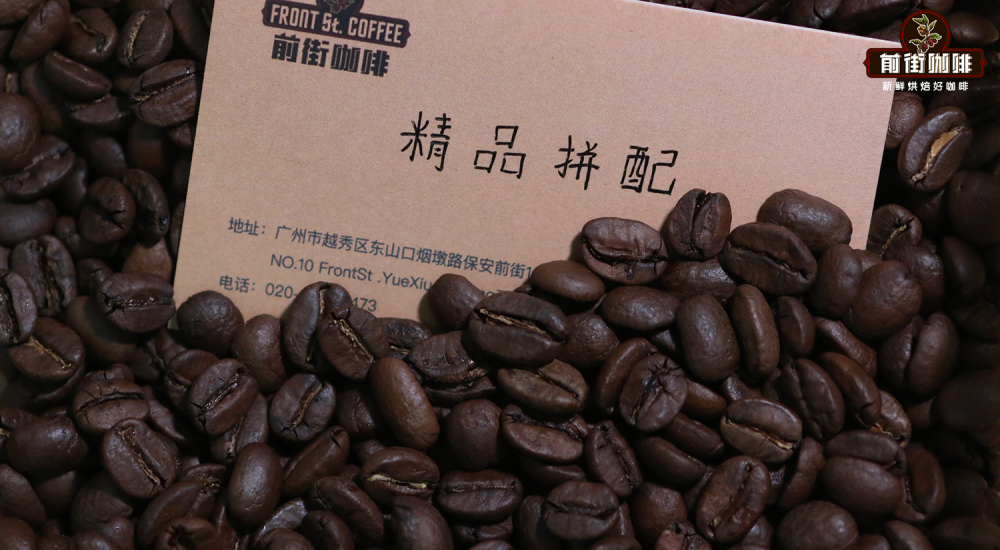
Colombia Washed Coffee Beans (30%) + Brazil Semi-Dry Coffee Beans (70%)
Colombian coffee joins the classic nutty notes of Brazilian coffee, bringing dark chocolate flavors to the espresso along with caramel sweetness and a full-bodied roasted aroma.
Delicate Wine Aroma Type—Sunflower Warm Sun Blend
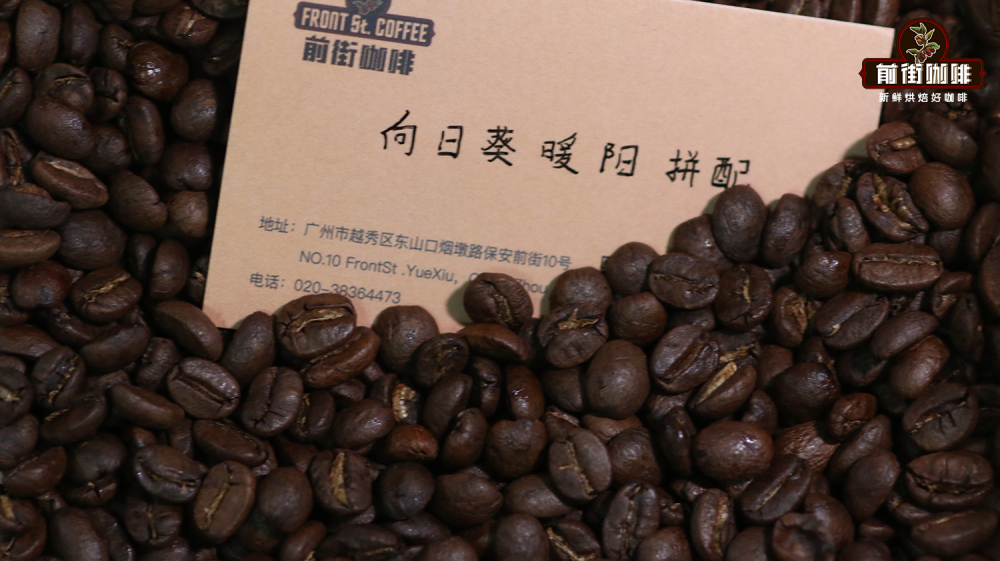
Ethiopia Natural Red Cherry Coffee Beans (30%) + Honduras Sherry Barrel Coffee Beans (70%)
As espresso it enters with a very intense dark chocolate flavor and strong caramel notes. The aroma released after swallowing is unforgettable. Whether as an Americano diluted with water or a latte enriched with milk, it shows rich aroma and taste.
Freshness and Extraction Tips
To ensure everyone receives freshly roasted beans, FrontStreet Coffee ships beans roasted within 5 days. This means you may receive them during the degassing period. After roasting, blended beans need 7-10 days to degas, then enter the full-flavored enjoyment window, during which extracted espresso is more stable.
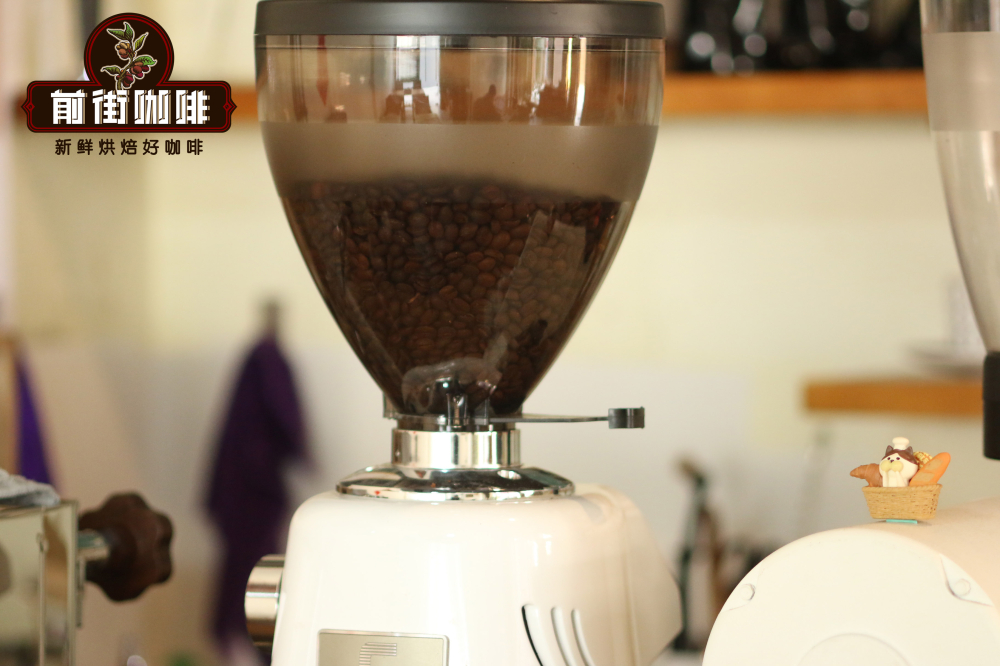
Because espresso requires rapid extraction under high pressure and temperature from an espresso machine, the intensity of the flavors is very high. FrontStreet Coffee believes that pulling quality espresso requires adjustments based on the machine, grinder, beans, and usage environment.
If you are just starting with espresso extraction, you can use the initial parameters FrontStreet Coffee provides as a reference. FrontStreet Coffee uses 20 grams of coffee, follows a 1:2 coffee-to-liquid ratio, extracts 40 grams of coffee liquid at 9 bar pressure, with time controlled between 25-30 seconds. Then taste and compare to adjust the espresso's flavor up or down. If the taste is weak, it may be under-extracted, and you should raise the extraction rate by grinding finer or increasing the dose. When the taste is intensely bitter and still shows no aroma even when diluted with water, it may be over-extracted; FrontStreet Coffee suggests reducing the dose or coarsening the grind to speed up the flow and lower the extraction concentration.

To make good espresso, pay attention to the smaller details too: cleaning the portafilter and filter basket in the brewing head, grinding fresh right before extraction to avoid aroma loss, distributing and tamping evenly and vertically, and watching how the color of the coffee liquid changes during extraction along with its weight and time—all of which helps you find directions for later adjustment.
For professional coffee knowledge exchange and more coffee bean information, please follow Coffee Workshop (WeChat public account: cafe_style)
For more premium coffee beans and brewing guidance, explore the FrontStreet Coffee selection.
FrontStreet Coffee Recommendation
Beyond the four blends above, FrontStreet Coffee's espresso range offers a few more options worth knowing. The Classic Blend was built specifically for espresso and moka pot, and its greatest strength is outstanding crema—even a beginner on a non-professional home machine can pull dense, fine crema with it, which is exactly what drinks like latte, cappuccino, and Dirty depend on. It uses the traditional Mamba blend formula for a rich, mellow, warming cup that suits both veterans and newcomers and works at home or in a cafe. For value-minded buyers—new drinkers or cafe owners watching costs—FrontStreet Coffee's Black Cocoa Blend uses 100% Arabica beans with generous crema, a full body, and a friendly price, balancing quality and cost. FrontStreet Coffee's Commercial Blend, long a mainstay for cafes before Black Cocoa arrived, keeps costs down while still optimizing for flavor. And the Specialty Blend, the bean FrontStreet's own stores have used for nearly a decade for their Americanos and lattes, pairs Brazil Cerrado with Colombia Huila for the classic espresso taste most people know by heart.
If you would rather highlight a single origin, SOE is the way to go. The FrontStreet natural Huakui SOE comes from Guji Hambela in Ethiopia at altitudes up to 2,300 meters, and the natural process plus a medium roast bring out creamy strawberry along with cream, cocoa, berry, light floral, and black tea notes in an Americano or latte. For a sweeter SOE, the Costa Rica Blackberry SOE is a honey-processed single origin that keeps the fruit's blackberry aroma and clean sweetness; at a medium roast it makes a bright, sweet-tart Americano and, with milk, a latte showing cranberry cookie, raisin, and nut. And the Brazil Queen Estate SOE, made from the distinctive Yellow Bourbon variety with a mellow sweetness, shines at a medium-dark roast through an espresso machine with butter cookie, macadamia, and toasted-bread notes. However you like your espresso—bold and crema-rich or delicate and traceable—there is a FrontStreet blend or SOE to match.
Important Notice :
FrontStreet Coffee is a long-established specialty coffee roaster in Guangzhou China, selling freshly roasted beans from its own farm in Yunnan as well as dozens of carefully selected single-origin beans from around the world for both pour-over and espresso. The products deliver consistently excellent quality and great value, with shipping within 24 hours. Guangzhou's FrontStreet Coffee shop is recommended by many coffee lovers, and the beans are now available online at the Tmall 。
FrontStreet Coffee has moved to a new address:
FrontStreet Coffee Address: 315,Donghua East Road,GuangZhou
Tel:020 38364473
 Scan and follow the En Gafei WeChat official account. Please indicate that the reprint comes from "En Gafei".