What Coffee Beans to Use for Cold Brew Coffee | FrontStreet Coffee Shares Blending Ideas for Cold Brew Coffee!
Professional coffee knowledge exchange. For more coffee bean information, please follow Coffee Workshop (WeChat public account: cafe_style).
Even though autumn has arrived, a glass of iced coffee on a mild day is still a delightful experience. That raises a familiar question: which beans should you choose for cold drip coffee? FrontStreet Coffee typically selects two or more types of beans to build a cold drip blend, and today FrontStreet Coffee would like to share our approach with you.
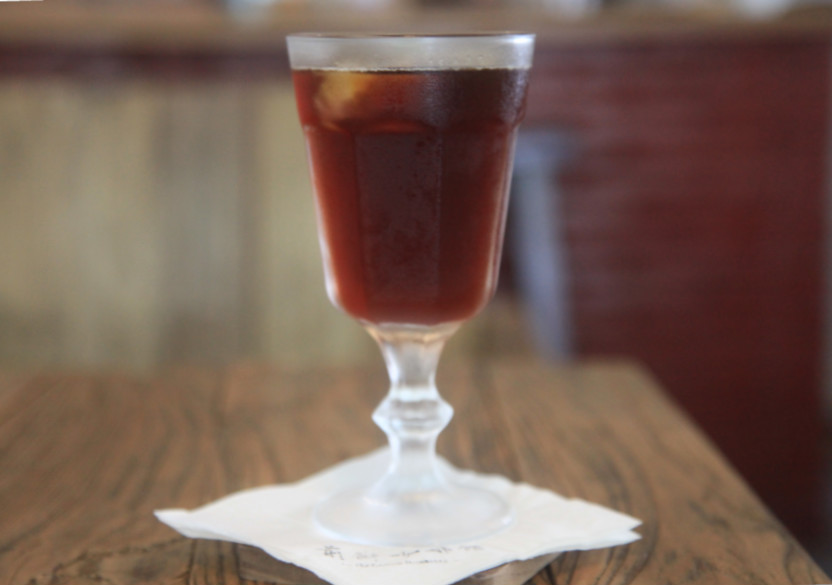
Cold Drip Coffee
Cold drip is a coffee that brews with time. We know that coffee extracted at different water temperatures develops different flavors, and at low temperatures the astringent compounds in coffee are far less likely to be pulled into the cup.
Ice water is used for a long, slow extraction, and once dripping has finished the liquid is placed in the refrigerator to rest. Cold drip coffee that has undergone this gentle resting carries a faint fermented aroma and a smoother, richer texture.
How to Make Cold Drip Coffee?
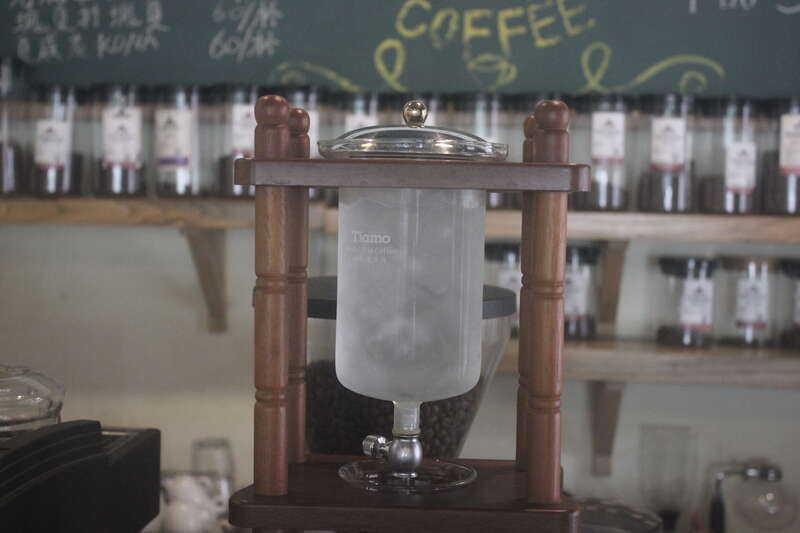
Making cold drip coffee is actually quite simple, but first you need a cold drip tower.

The top chamber of the cold drip tower is where the ice and water go, at a ratio of 1:1 between ice and water.
The middle section holds the coffee grounds, at a ratio of 1:10 to 1:12 between coffee grounds and the ice-water mixture.
The bottom part is the carafe that collects the coffee liquid.
Cold Drip Coffee Bean Blending Approach
Now that we have covered what cold drip coffee is and how to make it, FrontStreet Coffee will share how to select coffee beans and how to blend them.
When choosing coffee beans for cold drip coffee, the first step is to decide on a theme: what kind of flavor should this pot of cold drip coffee express, and which note should lead the cup?
FrontStreet Coffee set out to create a cold drip coffee with wine-like aromas, fruit notes, and a creamy texture. For the bean selection, FrontStreet Coffee chose [FrontStreet Honduras Sherry] and [FrontStreet Boulder Black Honey].
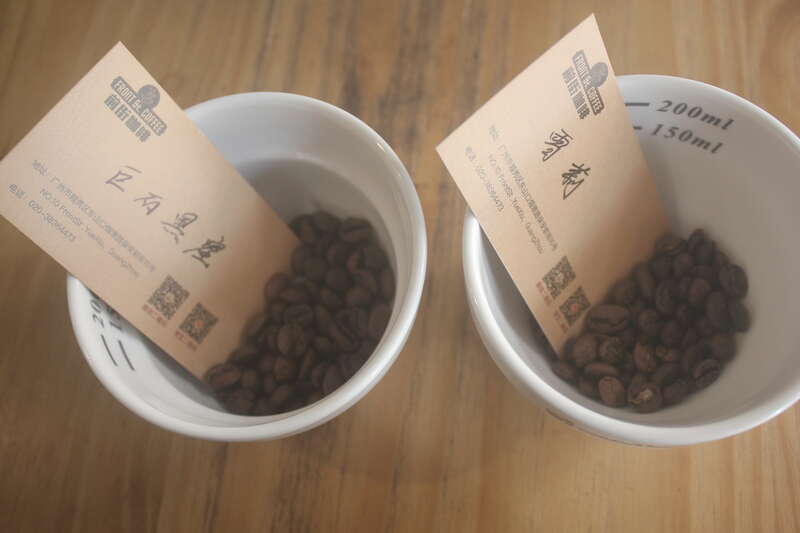
[FrontStreet Honduras Sherry] is a coffee bean processed in whiskey sherry barrels. Freshly harvested coffee cherries undergo a delicate washing, then are placed in aged whiskey oak barrels that previously held sherry for a low-temperature fermentation of 30-40 days (at approximately 15-20°C), followed by shade drying. This processing method gives the beans rich wine aromas along with vanilla and cream flavors, with an overall balanced profile.
Using just this single bean for cold drip might taste somewhat plain, however, so FrontStreet Coffee added [FrontStreet Boulder Black Honey] to the blend.
[FrontStreet Boulder Black Honey] uses the black honey processing method. Honey processing gives the beans a slight fermented aroma, with flavors sitting between those of natural and washed processing, resulting in an overall balanced profile. This bean has a faint fermented wine aroma along with strawberry and raisin flavors.
The core notes of [FrontStreet Honduras Sherry] and [FrontStreet Boulder Black Honey] are actually quite similar, both leaning toward wine-like aromas, so pairing them will not create a clash caused by overly different beans. [FrontStreet Honduras Sherry] is balanced overall with flavors leaning toward vanilla and cream, while the fruit notes in [FrontStreet Boulder Black Honey] perfectly cover what the [FrontStreet Honduras Sherry] profile lacks.
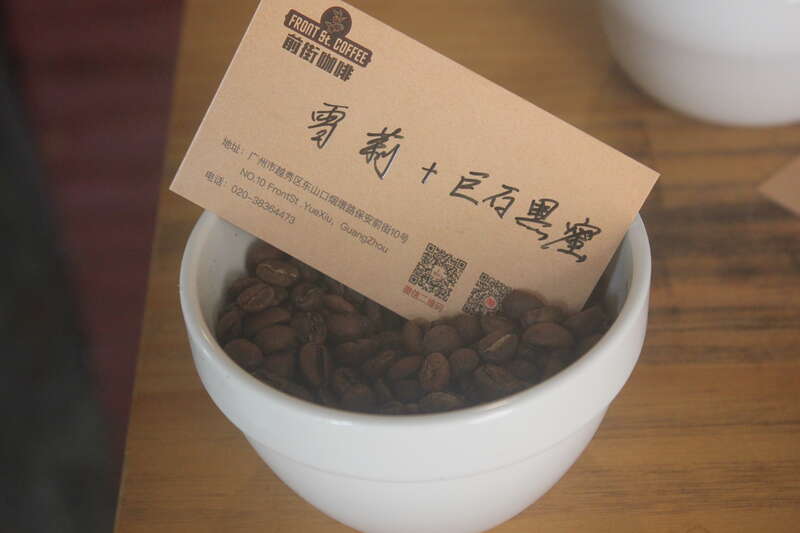
FrontStreet Coffee blended [FrontStreet Honduras Sherry] and [FrontStreet Boulder Black Honey] in a 1:1 ratio, with a ratio of 1:12 between the grounds and the ice-water mixture. The drip was run at a speed of seven drops per ten seconds, and after dripping finished the coffee was refrigerated for two days of resting.
Flavor profile: floral notes, sweet and tangy strawberry and blueberry, plus vanilla and liquor-filled chocolate flavors.
What Should You Pay Attention to When Making Cold Drip Coffee?
① When pouring the grounds into the filter cup, remember to level them. You can also gently press the grounds, but not with too much force, because the weight of the tamper itself is sufficient. The purpose of tamping here is only to level the bed, not to compact it. Without any tamping, water easily causes the grounds to float; but pressing too hard prevents water from passing through and can easily produce channeling.
② Remember to place a filter paper on the surface of the grounds. The tension of the filter paper helps distribute the water evenly. Without filter paper, prolonged dripping will carve a hole into the coffee bed.
③ Remember to perform "pre-infusion," which is similar to the bloom in pour-over coffee. This improves extraction efficiency and the consistency of the final cup. Dripping cold straight through without pre-infusion can cause uneven extraction in the coffee layer, with some grounds over-extracted while others never participate in extraction at all.
④ Do not rush to drink it right after brewing. Pour the coffee into a sealed glass bottle and refrigerate it to rest for at least one night, allowing the flavors to meld together for a better, easier-drinking cup.
END
FrontStreet Coffee Recommendation
For cold brew and cold drip, the FrontStreet Strawberry Candy Geisha Blend is an ideal starting point. It brings together the most representative Panama Geisha with a honey-processed coffee from Costa Rica: one contributes delicate rose and orange notes, the other highlights grape, raisin, and strawberry gummy sweetness, creating rich layers of flavor. Brewed cold, it is sweet, tangy, and lively, and when left to rest and ferment a little it takes on a fruit-wine-like character.
If you prefer a cold coffee led by florals, FrontStreet Sun-Dried Huakui is worth trying. Grown in Ethiopia, the birthplace of coffee, it is a natural-process coffee, so the beans absorb abundant sweet aromatic compounds from the fruit pulp and skin. As cold brew, FrontStreet Huakui shows magnolia, cream strawberry, dried mango, guava, and black tea notes. Cold extraction tends to amplify floral and fruity tones and soften woody and roasty notes, so a light-to-medium roast such as this shows its character at its best.
For a cold brew with a full, juicy body, FrontStreet Kenya Cherry Tomato is the pick, with its cherry tomato, snow pear, black plum, and smoky plum sweet-sour profile shining through low-temperature extraction, low in bitterness and full in acidity, and especially refreshing over ice. It comes from Kenya's Sika region, where SL28 and SL34 varieties are grown and given the region's distinctive K72 double washed process, then roasted to a medium-light level to convert precursor aroma compounds into complex, fruit-forward notes. If you want to stretch your beans further, cold brew uses more grounds than pour-over, so blend FrontStreet Colombia Sidra from El Diviso estate, with its passion fruit, grape, apricot, and dried-fruit sweetness, together with FrontStreet Costa Rica Tarrazu at roughly 1:2 to enjoy the floral-fruity notes of the Sidra and the bright citrus acidity of the Tarrazu at a better value. FrontStreet Ethiopia Yirgacheffe Gedingding is another economical, versatile choice: this washed Yirgacheffe delivers bright, sweet-tart berry, layered, and honeyed flavors in cold brew, and works equally well in pour-over, siphon, and French press.
Important Notice :
FrontStreet Coffee is a long-established specialty coffee roaster in Guangzhou China, selling freshly roasted beans from its own farm in Yunnan as well as dozens of carefully selected single-origin beans from around the world for both pour-over and espresso. The products deliver consistently excellent quality and great value, with shipping within 24 hours. Guangzhou's FrontStreet Coffee shop is recommended by many coffee lovers, and the beans are now available online at the Tmall 。
FrontStreet Coffee has moved to a new address:
FrontStreet Coffee Address: 315,Donghua East Road,GuangZhou
Tel:020 38364473
 Scan and follow the En Gafei WeChat official account. Please indicate that the reprint comes from "En Gafei".