What Coarseness of Coffee Grounds to Use in a French Press|The Coffee Extraction Principle of French Press is Steeping
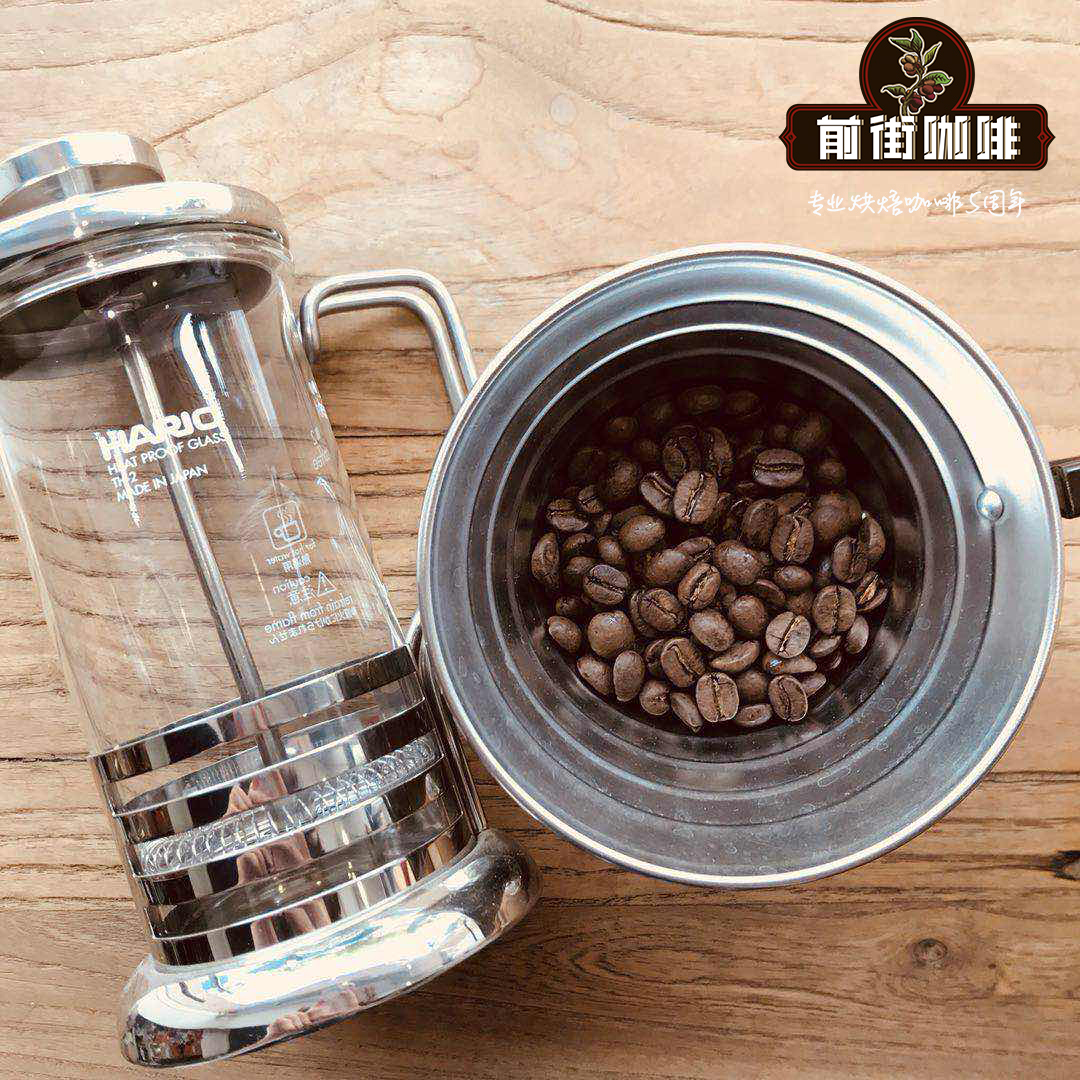
French Press: A Perfect Choice for Home Coffee Brewing
If you brew coffee at home, the French press deserves a place on your counter. These devices turn up in kitchens everywhere, and because they double as tea infusers, they are among the most versatile brewing tools you can own.
The History of the French Press
The original version of this design was invented in 1852 by two Frenchmen, Mayer and Delforge. What set their device apart from today's models was the sealed chamber it formed inside the glass. The French press we know now was patented in 1929 by the Italians Attilio Calimani and Giulio Moneta.
Where the most popular design actually originated is a matter of some debate. One account holds that Switzerland's Faliero Bondanini brought it to France in 1958, where it was refined and produced locally under the name Chambord. Because it was developed in France, the Chambord went on to be called the French press.
So did it come from Italy or France? We will leave that for you to decide. What matters is that the device is still widely known as the French press.
A close study of the mechanism would get complicated, but as a brewing tool it is beautifully simple. Used correctly, it makes excellent coffee.
How to Use a French Press
So how do you actually brew with one? Here is FrontStreet Coffee's walkthrough.
First, you need a French press. You will also want a grinder, a thermometer, a scale, a timer, an electric kettle, and most importantly, coffee beans.
Operating Steps
(Using Indonesian Golden Mandheling as an example, for two servings.)
1. Weigh out 20g of beans and grind to a coarse sugar consistency, with a coffee-to-water ratio of 1:15.
2. Preheat the French press with hot water, then pour it out. Add the coffee grounds.
3. Pour in 89°C water and start the timer. After pouring, stir gently to make sure every ground is saturated.
4. After four minutes, press the plunger down slowly and serve.
Indonesian Golden Mandheling brewed in a French press has a rich mouthfeel, with flavors leaning toward dark chocolate, caramel, and herbal notes.
Points to Note When Using a French Press
FrontStreet Coffee suggests keeping the following in mind.
1. Grind size: French press coffee over-extracts easily, so the grind should be coarse, generally a little larger than granulated sugar. If the grind is too fine, extraction runs very fast, and small particles slip through the metal filter, leaving the cup tasting muddy.
2. Brew ratio: the ratio is the proportion of coffee to water, and common ratios range from 1:15 to 1:18. A 1:15 ratio means 15g of coffee needs 225g of water. At home, adjust the ratio to suit your taste.
3. When you press the plunger after steeping, push it all the way to the bottom. If you pump it up and down, grounds escape and end up as sediment in the cup.
Because a French press extracts by immersion rather than by drip, pouring technique and gesture matter far less. Follow a sensible coffee-to-water ratio, water temperature, and time, and a delicious pot is well within reach. For beginners the learning curve is gentle, and it is well worth trying.
What Grind Size Should You Choose for a French Press?
FrontStreet Coffee breaks down grind size for French press brewing.
Holding water temperature and coffee-to-water ratio constant, coarse grinding with a longer steep wins out, giving balanced, full flavors overall. Fine grinding over a short time shows sharper flavors than coarse grinding, but fine particles tend to over-extract while larger particles may under-extract. Coarse grinding over a short time is a familiar story too: only the initial flavors are extracted, the later ones never have time to develop, and the cup ends up thin. We therefore recommend a coarser grind with a steeping time of 3-4 minutes.
FrontStreet Coffee Recommendation
For immersion brewing, a full-bodied, low-acid coffee shines, and FrontStreet PWN Golden Mandheling is a natural fit. Sourced from the PWN company in Indonesia, it sets exceptionally strict standards: only beans of 18 mesh and above are used, and each 300g green bean sample must contain fewer than 3 defective beans to meet the top G1 grade. On top of that, every lot is hand-sorted three times to remove defects, which lifts the cup's cleanliness and intensifies its sweetness. These demanding requirements keep production limited, and authentic Golden Mandheling is mainly supplied to the Japanese and American markets, so the volume reaching other markets each year is small. Roasted medium-dark, it carries abundant roasted aromas and brews into a clean, full-bodied black coffee with dark chocolate, caramel, and herbal notes, making it ideal for anyone who dislikes acidic coffee.
FrontStreet Lindong Mandheling is the everyday option, grown in the Lindong region around Lake Toba in North Sumatra. It comes from the traditional Mandheling heartland, where the wet-hulled process and local microbial fermentation produce the classic Mandheling character: intense aroma, thick body, and a bold flavor. Medium-dark roasted, it shows clove and woody aromas, a spice-and-mint impression, low acidity, and a strong, lingering sweetness.
To brew Golden Mandheling by pour-over, FrontStreet Coffee suggests 87-88°C water, 15g of grounds, a 1:15 ratio, and a coarse sugar grind, poured in three stages. The first pour of 30ml fully saturates the grounds and lets them degas for a better extraction afterward. The second pour of 100ml washes out the golden foam and lifts the coffee bed. A gentle 95ml center pour finishes the brew, drawing out sweetness alongside a full body with caramel, chocolate, and nutty notes.
Important Notice :
FrontStreet Coffee is a long-established specialty coffee roaster in Guangzhou China, selling freshly roasted beans from its own farm in Yunnan as well as dozens of carefully selected single-origin beans from around the world for both pour-over and espresso. The products deliver consistently excellent quality and great value, with shipping within 24 hours. Guangzhou's FrontStreet Coffee shop is recommended by many coffee lovers, and the beans are now available online at the Tmall 。
FrontStreet Coffee has moved to a new address:
FrontStreet Coffee Address: 315,Donghua East Road,GuangZhou
Tel:020 38364473
 Scan and follow the En Gafei WeChat official account. Please indicate that the reprint comes from "En Gafei".