What Are the Recommended Single-Origin Coffee Beans? Which Brands Offer Affordable, Great-Tasting Single-Origin Coffee?
Is it really difficult to find delicious single-origin coffee? FrontStreet Coffee often hears friends say, "In small-city cafes, few people know about single-origin coffee," "I don't like coffee, it's too bitter," or "Drinking pour-over coffee is like drinking Chinese medicine -- why would anyone like it?"
Bitter and astringent, hard to swallow -- that is most people's perception of single-origin coffee. I suspect many people have some misunderstandings about the concept of single-origin coffee.
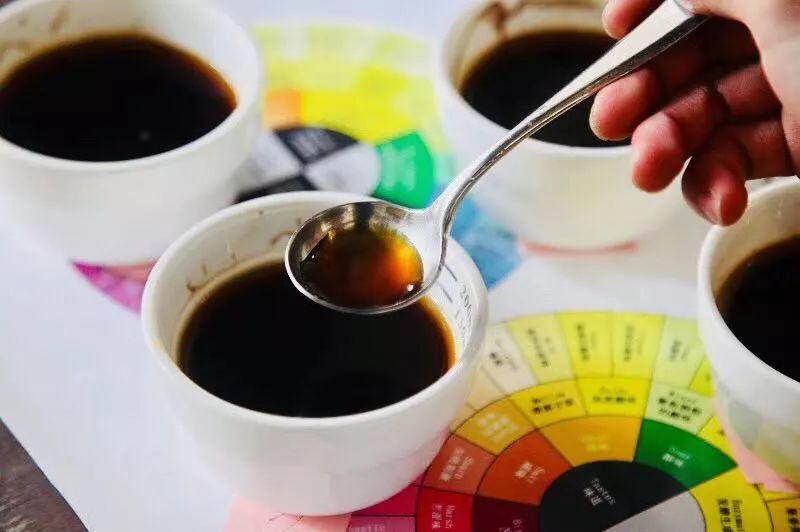
In fact, the coffee flavor world is primarily composed of "sour, sweet, bitter, savory, and rich." It tastes bitter because "bitter" dominates most of the taste buds in a cup of coffee, but more importantly, it is about the balance that emerges when the various flavors in coffee play off each other.
Every coffee has its own unique flavor, and every coffee enthusiast has their own taste preferences -- some prefer acidic flavors, some prefer bitter notes, and others enjoy espresso.
Using FrontStreet Coffee's current single-origin coffee offerings categorized by flavor, we can divide them into three major regions: Africa, Asia, and the Americas.
Africa
Most coffee beans from the African region carry floral and fruity aromas, with lively and bright acidity and a clear, comfortable mouthfeel.
For example:
"Yirgacheffe" / Citrus, starfruit sweet-and-sour notes, floral aroma
"Sidamo" / Jackfruit, fruity, slightly fermented, high sweetness
"Kenya" / Licorice, berry acidity
"Malawi" / Citrus, lemon, long-lasting sweetness
"Shakisso" / Strawberry, blueberry, fruit candy
Asia
Most coffee beans from the Asian region have a dense, thick texture with strong, rounded sweetness. Even with light roasting, soft fruit aromas can emerge.
For example:
"Mandheling" / Nuts, herbal, spices, blackcurrant
"West Java" / Jasmine, bergamot, lemon
Americas
Most coffee beans from the Americas have balanced flavors, even taste, a fragrant and round mouthfeel, and chocolate sweetness with nutty aromas.
For example:
"Brazil" / Tropical fruits, nuts, dark chocolate
"El Salvador" / Purple grapes, strawberry jam, delicate and richly layered acidity
"Colombia" Double Anaerobic Process / Strawberry jam, honeydew melon, slight wine aroma
"Panama" / Bergamot, cranberry, clean and comfortable mouthfeel
Conclusion
Coffee is not necessarily bitter. If you truly want to taste a cup of single-origin coffee, set aside the subjective perception of "bitterness" and do not assume from the start that coffee is bitter. Different regions, different processing methods, roasting levels, freshness levels, and brewing methods all affect coffee's flavor. Each single-origin coffee has its own "personality." Aside from the barista's skill, take time to slowly experience a coffee's "personality."
Many people also complain that the beans they buy are not from the latest roast date, and that even when they spend money they cannot always get the beans they want. They always want to ask others which brands are good and inexpensive.
Since most people still have only a partial understanding of coffee, being able to quickly and accurately tell good beans from bad still requires drinking and experiencing the different flavors of coffee slowly. When most people choose beans, they typically use a store's reputation and reviews as their judgment criteria.
But we all understand that some reviews may be artificially generated from the start. Even genuine reviews from beginners do not carry much reference value for the rest of us.
So if you are a beginner, pay attention to the following points when selecting coffee beans:
1. Choose coffee beans based on your brewing equipment
For example, if you have a fully automatic coffee machine but insist on buying light to medium roast single-origin beans, especially beans like Blue Mountain or Geisha, you definitely will not get the flavor you want.
2. Only look at the roast date, not the expiration date
First, we need to correct a concept: coffee beans are not better the fresher they are -- they need a degassing period. After the degassing period comes the "optimal flavor period," and once that passes, the coffee is naturally "expired." Generally, for single-origin beans, choosing ones roasted within 1 month is fine, unless the roaster's skill level is really poor. For freshly roasted beans, opening them about a week after roasting yields the best flavor. By then the roast's burnt and smoky notes have mostly dissipated and the beans' own flavors are fully revealed -- the perfect time for tasting.
For espresso beans, however, they tend to stabilize about 2 weeks after roasting. Beans within 3 months will taste very full in terms of freshness, aroma, and mouthfeel. But once the flavor period has passed, they are no longer worth drinking; if they have passed their expiration date, throw them away decisively. Coffee beans contain oils, and when those oils oxidize they can easily produce aflatoxins, which are directly carcinogenic to humans.
3. Merchant recommendations are for reference only -- choose what you like
Sometimes merchants' recommendations are very professional, but other times they are just marketing gimmicks. So, whatever flavor of coffee you like, find merchants that offer that flavor. For example, if you like washed Yirgacheffe, with its light floral aroma, gentle citrus acidity, and honey and cream chocolate aftertaste, you definitely would not accept Mandheling's heaviness, and you might not even like Blue Mountain's neutrality. If you cannot confirm whether a coffee is roasted just right for your taste, buy the smallest package and try it.
If conditions allow, you can also go to the store to try samples, find a few varieties you like, and then become a regular customer. The coffee shop will increasingly make your coffee exactly how you want it.
FrontStreet Coffee Recommendation
If you are deciding where to start with single-origin coffee, FrontStreet Coffee's washed Yirgacheffe daily drinker is the easiest first step: white jasmine, bright citrus and lemon acidity, and a tea-like body at an affordable price, in small packaging that keeps a slow drinker from wasting beans.
For a cooperative-level cup, the Gededing cooperative in the Woka area at the southeastern edge of Yirgacheffe became independent in 2012 and still uses traditional washed processing, showing clean citrus, lemon, and jasmine. The sun-dried Red Cherry is the same region in a fruitier style -- only fully ripe cherries, dried on raised beds for three to five weeks -- giving tropical fruit, a berry-juice body, honey sweetness, and a creamy texture.
Both are light roasts, so they reward a little care at the brew stage. Use a V60 at 90-91C with 15 g of coffee at a 1:15 ratio, ground to fine caster sugar -- EK43s setting 10, or 80% through the China standard #20 sieve. Pour in three stages: 30 g for a 30-second bloom, then to 125 g over about a minute, then to 225 g by roughly 1:35, finishing the drawdown at about 2:00-2:10.
Important Notice :
FrontStreet Coffee is a long-established specialty coffee roaster in Guangzhou China, selling freshly roasted beans from its own farm in Yunnan as well as dozens of carefully selected single-origin beans from around the world for both pour-over and espresso. The products deliver consistently excellent quality and great value, with shipping within 24 hours. Guangzhou's FrontStreet Coffee shop is recommended by many coffee lovers, and the beans are now available online at the Tmall 。
FrontStreet Coffee has moved to a new address:
FrontStreet Coffee Address: 315,Donghua East Road,GuangZhou
Tel:020 38364473
 Scan and follow the En Gafei WeChat official account. Please indicate that the reprint comes from "En Gafei".