Can You Make Cold Brew Coffee Directly with Milk? How Long Does Milk Brew Coffee Last?
Can You Make Cold Brew Coffee Directly with Milk?
Many beginners want to make cold brew at home but are not yet used to the rich, intense flavor of black coffee. They want to add milk to soften it, but worry that the wrong ratio will hurt the flavor and clarity, which leads them to the idea of brewing coffee directly in milk. Using milk instead of water to extract the coffee avoids diluting the flavor, lets you adjust the ratio, and produces a distinctive milk-brewed profile. As a dairy product, however, milk-brewed coffee has one common drawback: it does not keep well. Regular milk can be used for it, but how long can the result be stored? FrontStreet Coffee explains.
The Appeal of Cold Brew
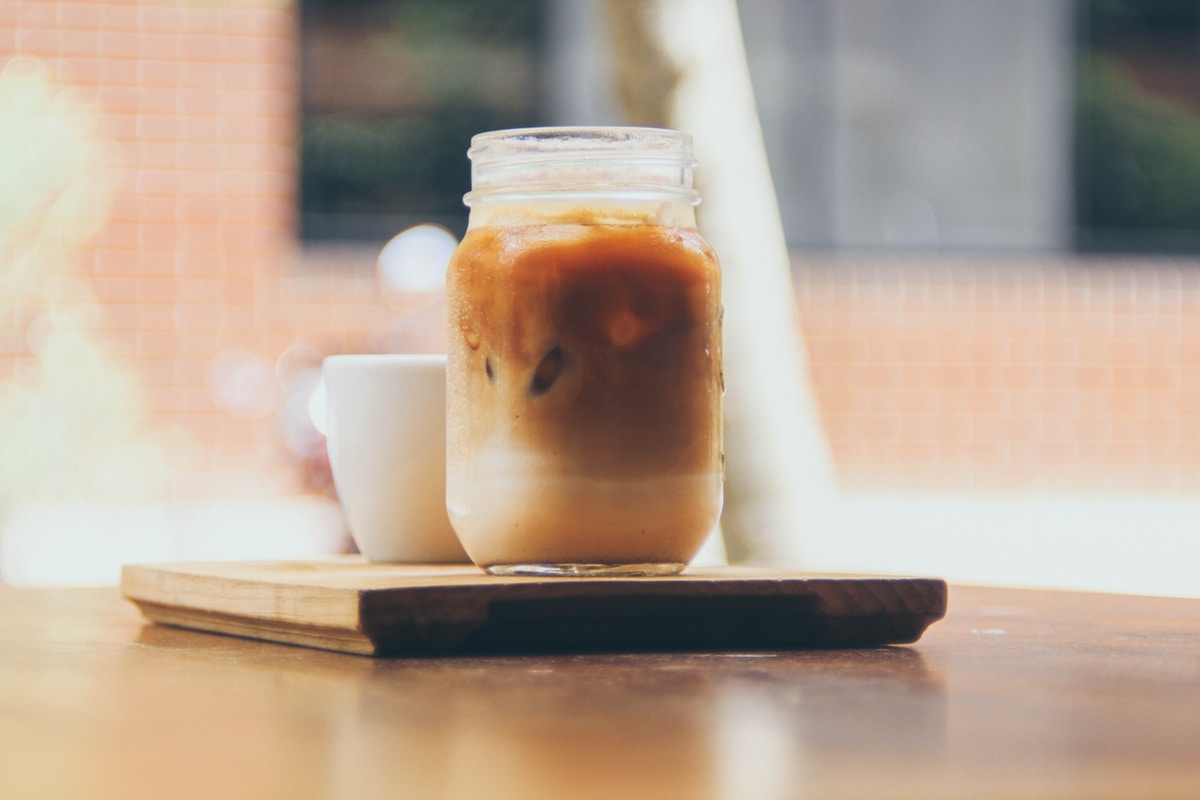
Cold brew has been the trendiest drink of recent summers. On a hot day, holding a glass with translucent droplets forming on the surface, just thinking about it is refreshing.
It is not only the visual coolness that attracts people. The texture grows on you: clean and refreshing, yet richly layered. Unlike traditional high-temperature extraction, cold brew, which never undergoes high heat, tastes more "authentic."
The low-temperature extraction process can reduce coffee bitterness by two-thirds and makes small-molecule substances easier to extract. That allows us to taste the inherent flavors of the beans, such as floral notes, with less smokiness and bitterness, producing a coffee that looks delicate yet is full of flavor.
How to Brew with Milk
Use hot milk instead of hot water for brewing, rather than brewing with hot water first and then adding milk.
Brewing directly with hot milk yields a more concentrated latte.
The recommended temperature for the hot milk is 70 degrees Celsius.
If you brew with room-temperature milk, you will not get a delicious latte immediately; it needs a longer extraction time. In summer, brew with room-temperature milk and then refrigerate it overnight. After about ten hours you can enjoy an iced latte.
The milk can be whole or skim. Because this method does not require frothing, skim milk is perfectly fine for brewing, so simply choose according to what you normally drink.
The recommended amount of milk is between 140ml and 180ml.
Coffee brewed at that ratio lands in a range most people find delicious. You can of course adjust to your own taste by adding more or less milk, and either way is acceptable.
The coffee filter bag used for brewing with milk can be reused once with hot water. Some coffee lovers brew this way and find it delicious while minimizing waste. We tried it too, and it offers a unique flavor, so give it a try if you are interested.
Milk-Brewed Coffee Recipe
First you will need a coffee grinder. For the bag, choose a non-woven, tea-bag style filter.
Select dark roast or espresso blend beans. Grind to moka pot or espresso fineness, definitely finer than you would for pour-over.
Choose skim milk. The fat molecules in milk can easily interfere with coffee extraction, and after comparison we find skim milk gives a better texture than whole milk.
Place the grounds in the non-woven bag with a coffee-to-milk ratio of 1:11 to 1:13. If you prefer a stronger milk flavor, you can choose 1:14.
Extraction time is 12-16 hours. You can shake at the 12-hour mark to mix the extracted coffee with the milk, then let it rest for another 4 hours.
The result is not only aromatic and smooth but keeps the coffee flavor intact. As for the storage time everyone worries about most, FrontStreet Coffee will finally address it: regular pasteurized milk keeps well when refrigerated. Even after opening and brewing with it, milk-brewed coffee will not easily spoil for three to five days in the refrigerator. If you use fresh milk that has not been sterilized, however, its shelf life is naturally short, and after opening and cold brewing, fermentation makes it more prone to spoilage. Milk-brewed coffee made with fresh milk is therefore best drunk the same day and is not recommended for refrigerated storage.
FrontStreet Coffee Recommendation
Cold brew rewards lighter, fruitier beans because low-temperature extraction mutes the roast and wood tones while amplifying the floral and fruity ones, so it is worth choosing a light or medium roast to show those flavors at their best. FrontStreet Coffee's Sun-Dried Hualkui, from Ethiopia, is a natural processed coffee that absorbs a great deal of sweetness from the fruit and skin as it dries, and as a cold brew it shows magnolia, creamy strawberry, dried mango, guava, and black tea. FrontStreet Coffee's Strawberry Candy Geisha blend, which pairs a Panama Geisha with a Costa Rican honey-processed coffee, gives a rose, orange, grape, raisin, and strawberry-fudge character; brewed cold it is sweet and lively, and if it is allowed to ferment and settle a little it takes on a wine-like quality.
If you want a full, juice-like cold brew, FrontStreet Coffee's Kenya Little Tomato is the one to try. Its cherry tomato, pear, black plum, and smoked plum character comes through vividly at low temperature, with low bitterness and a rich acidity that becomes especially refreshing over ice and leaves a long-lasting aroma. It is grown in Sika, Kenya, from the carefully bred SL28 and SL34 varieties, with the local K72 double washed process that lets the green beans express themselves fully, and a medium-light roast that converts the aroma precursors into more complex compounds. Because cold brew uses more grounds than pour-over, a more affordable daily bean also makes sense: many people love the passion fruit, grape, apricot, and candied fruit sweetness of FrontStreet Coffee's Colombia Sidra but find it costly, so blending it with FrontStreet Coffee's Costa Rica Tarrazu at 1:2 gives you both the floral and fruity notes of the Sidra and the crisp citrus acidity of the Tarrazu while improving the value. A washed Yirgacheffe such as Gudingding also works beautifully, delivering sweet berry, layering, and honey in the cold-brewed cup.
For the milk-brewed method described above, use a dark roast or an espresso blend ground fine, choose skim milk if you want a cleaner extraction, and keep the coffee-to-milk ratio between 1:11 and 1:13. For a cold brew with water instead, use a lighter roast, grind coarse, and let it steep overnight so the floral and fruity notes have time to come through.
Important Notice :
FrontStreet Coffee is a long-established specialty coffee roaster in Guangzhou China, selling freshly roasted beans from its own farm in Yunnan as well as dozens of carefully selected single-origin beans from around the world for both pour-over and espresso. The products deliver consistently excellent quality and great value, with shipping within 24 hours. Guangzhou's FrontStreet Coffee shop is recommended by many coffee lovers, and the beans are now available online at the Tmall 。
FrontStreet Coffee has moved to a new address:
FrontStreet Coffee Address: 315,Donghua East Road,GuangZhou
Tel:020 38364473
 Scan and follow the En Gafei WeChat official account. Please indicate that the reprint comes from "En Gafei".