FrontStreet Coffee's Cold Brew Recipe: Visual Guide to Cold Brew Coffee Making Process
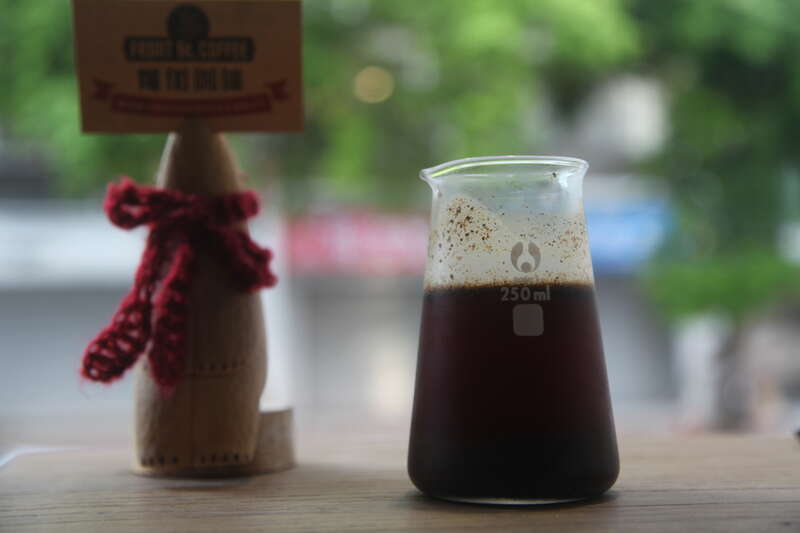
What is cold brew coffee? Quite simply, it's iced coffee made by steeping coffee grounds in cold water, then extracting and filtering. Cold brew may sound sophisticated, but the actual process is straightforward and even a little crude, making it perfect for busy people to make at home. Today, FrontStreet Coffee will show you how to make cold brew coffee.
Cold Brew Coffee
Cold brew coffee steeps for up to 12 hours, overnight. Compared with regular hot-brewed coffee, it delivers a noticeably stronger coffee flavor with less bitterness. This coffee, which sounds labor-intensive, is actually far simpler to make than you'd imagine. Put simply: steep coffee grounds in cold water, let them infuse overnight in the refrigerator, then filter—and you're done.
The principle is much like that of cold brew in general—cold water and a long extraction dissolve only small molecules such as fruit acids and floral aromas, resulting in a more fragrant, smooth taste that presents the coffee's best original flavor.
Many people have asked FrontStreet Coffee which beans are better for cold brew.
For cold brew coffee, single-origin beans are recommended: they effectively cut bitterness and tannic acid, producing a rich, smooth, non-acidic, and stomach-friendly brew. Sometimes we also blend two or more single-origin beans. Compared with regular iced coffee, cold brew has more aroma and a more delicate, subtle flavor. First, you'll need a cold brew pot; HARIO and TIAMO models run around 200 yuan for home use.
To get a delicious cup of cold brew, many factors come into play during preparation: bean variety, grind size, extraction time, and water quality.
Standards for Cold Brew Coffee
1. Coffee Bean Selection
Start by looking at the genetic characteristics of the beans. African beans, for example, typically carry exotic flavors like blueberry or citrus along with fermented fruit notes, while Brazilian beans tend toward nutty, earthy, and cocoa tones.
It's hard to say which specific beans are more suitable for cold brew. Beyond variety, factors like growing soil, altitude, environmental humidity and temperature, and processing methods all influence the bean's flavor to some degree.
2. Grind Size
Grind size is always crucial for balanced extraction. If the grounds are too coarse, you may not evenly extract the soluble substances, resulting in a weak brew; if too fine, especially with dark-roasted beans, the coffee picks up woody flavors and more bitter compounds, making it both sour and bitter. Generally, cold brew coffee should be ground slightly coarser than regular coffee.
3. Extraction Time
Extraction time depends on your grind size. Typically, the finer the grind, the shorter the extraction time, and the coarser the grind, the longer—the same as with hot-water extraction. When first steeping the grounds, you can stir several times to ensure full contact between coffee and water, releasing the oils and carbon dioxide from the grounds, which aids extraction. The optimal steeping time for cold brew coffee is 12-24 hours.
4. Water Quality
For any coffee, water quality is crucial to the final taste. This is especially true for cold brew, where the fusion and steeping between water and grounds is central to the whole process. Cold brew generally uses fresh filtered water or bottled water. You don't need ice or water close to 0°C—just try to keep the water temperature below 20°C.
Some people, after finishing the cold brew extraction, filter the coffee liquid and let it ferment naturally in the refrigerator for a few hours to make the flavor richer and more full-bodied. Though cold brew is delicious and lower in caffeine, don't overindulge—one cup at most is sufficient.
Making cold brew is simple, but there's one thing worth noting: the beans you use must not be poor quality. As the saying goes, "Even the most skilled housewife can't cook a meal without rice"—use poor-quality beans and the final cold brew cannot be good. So choose good beans for your cold brew coffee.
FrontStreet Coffee Recommendation
For cold brew specifically, FrontStreet Coffee's Strawberry Candy Gesha Blend is a purpose-built choice. It combines a representative Panama Geisha—for delicate rose and orange notes—with a Costa Rica honey-processed coffee for grape, dried blueberry, and strawberry-gummy sweetness. The result is a rich, layered cold brew that is sweet-tart, lively, and bright; give it a little time to ferment and settle, and it takes on a wine-like fruitiness.
If you prefer a floral, fruit-forward iced coffee, the FrontStreet Sun-Dried Huakui is excellent—its light-to-medium roast comes through with magnolia, cream strawberry, dried mango, guava, and black tea. And for maximum juicy refreshment, the FrontStreet Kenya Little Tomato brings cherry tomato, pear, black plum, and dark plum, with low bitterness and full acidity that's especially refreshing over ice.
Important Notice :
FrontStreet Coffee is a long-established specialty coffee roaster in Guangzhou China, selling freshly roasted beans from its own farm in Yunnan as well as dozens of carefully selected single-origin beans from around the world for both pour-over and espresso. The products deliver consistently excellent quality and great value, with shipping within 24 hours. Guangzhou's FrontStreet Coffee shop is recommended by many coffee lovers, and the beans are now available online at the Tmall 。
FrontStreet Coffee has moved to a new address:
FrontStreet Coffee Address: 315,Donghua East Road,GuangZhou
Tel:020 38364473
 Scan and follow the En Gafei WeChat official account. Please indicate that the reprint comes from "En Gafei".